
Reviewed · DESSERT TOURS
Chocolate Tour in Vallarta
Chocolate starts as a fruit, not a candy bar. At Planeta Cacao, you see cacao pods growing, learn how the seed shaped Mesoamerican culture, and make your own chocolate by roasting, peeling, grinding, and sweetening the beans. I especially like the private format and the chance to taste a cacao drink, cookies, and handmade chocolate along the way. The main catch is transportation: the garden sits outside Puerto Vallarta, and private rides are not included.
I also like the small, personal scale. This is not a large commercial plantation, but a rural cacao garden with trees at different stages of growth, an open-air museum area, old tools, a traditional mud kitchen, and a small shop. Guides such as Adrián, Rosa, Aldo, and Millie have been praised for making the lesson lively and answering questions. At $39 per person, the value is strongest if you want an active cultural outing, not simply a tasting.
In This Review
- Key points to know before you go
- A small cacao garden beyond Puerto Vallarta
- Start with cacao, culture, and the tree itself
- Pick a pod and see the raw cacao seed
- The seven-step process, from seed to chocolate
- Fermentation and drying
- Roasting the beans
- Shelling the roasted seeds
- Grinding by hand
- Adding sugar, cinnamon, and other ingredients
- Shaping and decorating
- Cacao drinks, cookies, and the tasting table
- Why the private format is worth considering
- Getting there from Puerto Vallarta
- Comparing the $39 price with the experience
- Who will enjoy this most
- Practical details that improve the visit
- Should you book Planeta Cacao?
- FAQ
- Where is the Chocolate Tour in Vallarta held?
- How long does the chocolate experience last?
- Is transportation included?
- What food and drinks are included?
- Is this a private tour?
- Can I cancel for a full refund?
Key points to know before you go
- You make chocolate from roasted cacao seeds: Roast, shell, grind, sweeten, shape, and decorate your own batch.
- You visit a real cacao garden: See flowers, pods, trees, and the fruit in its natural state.
- The tour is private: Only you and your group participate, which makes it easier to ask questions and set the pace.
- The location is rural: Planeta Cacao is in El Tondoroque, about 15 minutes from Puerto Vallarta and about 5 minutes from Nuevo Vallarta or Bucerías.
- Tastings are included: Expect a cacao and corn drink, chocolate, and Mexican cacao cookies.
- Transportation costs extra: You must arrange your own ride to and from the garden.
A small cacao garden beyond Puerto Vallarta
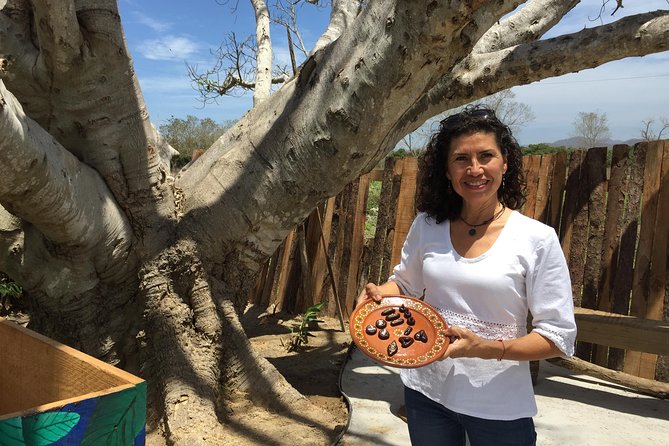
Planeta Cacao is in San Vicente, in the El Tondoroque area of Bahía de Banderas, Nayarit. It is close enough for a straightforward outing from Puerto Vallarta, yet far enough from the resort zone to feel rural and local.
That setting matters. You are not walking through a polished factory with a line of machines behind glass. You are visiting a small garden built to explain cacao on Mexico’s Pacific coast. The trees are planted at different stages of growth, so the visit gives you a basic look at the plant rather than a grand plantation tour.
I would plan on around 90 minutes for the advertised experience. Some versions of the workshop have lasted closer to two hours, especially when the group takes its time with the chocolate-making process. That extra time can be a benefit, but it also means you should avoid scheduling something immediately afterward.
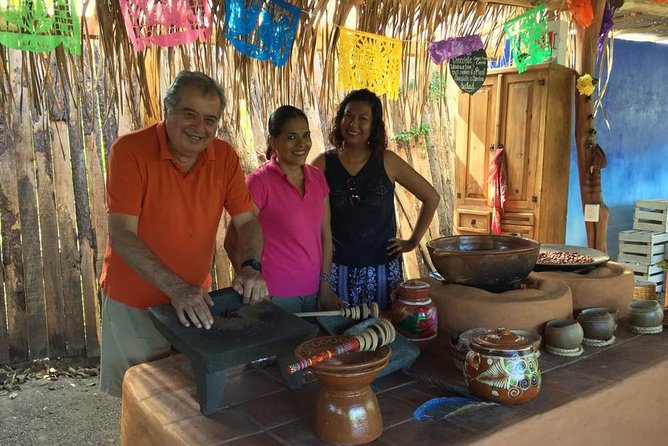
The garden includes an exhibition area with old utensils, a traditional mud kitchen, cacao drinks, and a shop selling homemade chocolate products. It is a compact visit, so the appeal comes from the personal instruction and hands-on work rather than the size of the property.
A few more Puerto Vallarta runs worth comparing
- Finca 18 Puerto Vallarta Tequila Tour + Chocolate Pairing
★ 5.0 · 393 reviews - Bean to Bar Chocolate Workshop in Puerto Vallarta
★ 5.0 · 381 reviews - Chocolate and truffles workshop
★ 5.0 · 157 reviews
Start with cacao, culture, and the tree itself
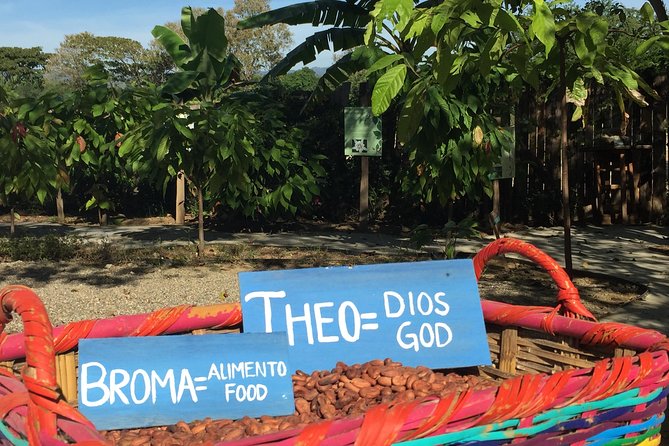
The first part of the visit focuses on cacao’s place in the world. You learn how cacao was cultivated, used, and valued over the ages, along with how it traveled from Mesoamerica into the modern chocolate trade.
The local story is especially interesting. Cacao has been cultivated in Nayarit for more than a thousand years, and the experience connects the plant to the Bay of Banderas. That gives the tour more substance than a general lesson about chocolate production. You are learning about a crop with a long connection to this part of Mexico.
Your guide explains the tree, its flower, its pod, and the seeds inside. The pollination process is also covered, along with cultural uses and the nutritional qualities associated with cacao. Guides have included Adrián, Rosa, Aldo, and Millie, and the personal guide-led approach is one of the strongest parts of the experience.
If you are curious, ask questions. The private setup gives you room to pause and ask about the plant, the old tools, or the way cacao was prepared in earlier times. With children and teenagers, this section works best when the guide keeps it connected to the physical tree and pod rather than treating it as a classroom lecture.
Pick a pod and see the raw cacao seed
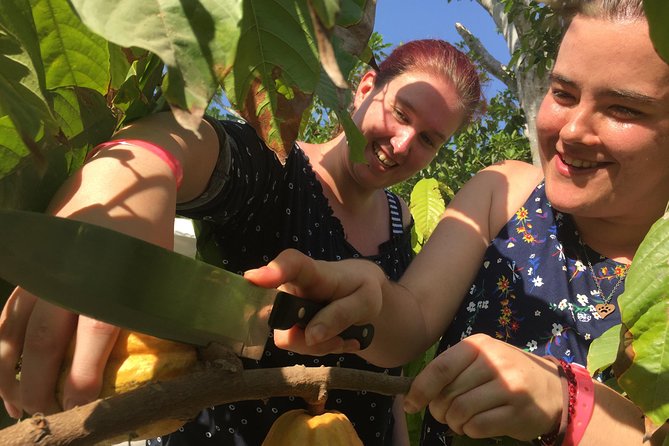
One of the most memorable steps is seeing cacao in its natural state. You may select a pod from a tree, cut it down, and open it by hand. Inside are the cacao seeds surrounded by white pulp.
The raw seeds do not look or taste like the chocolate most people know. Sampling them helps explain how much work comes between the fruit and the finished bar. The pod is fresh, slightly surprising, and much more useful than a photograph in a museum display.
This is also where the scale of the garden becomes clear. Planeta Cacao is a small lot, not a huge agricultural estate. You will see cacao trees at different stages of growth and take a short path through the garden. If you expect acres of trees, the setting may feel modest. If you want to understand the plant up close, the smaller size works well.
Harvest conditions can vary. At times, fresh cacao is available to cut from the tree. At other times, the workshop uses prepared seeds for the next steps. That is practical because fermentation takes time and cannot be completed during a short tour.
The seven-step process, from seed to chocolate
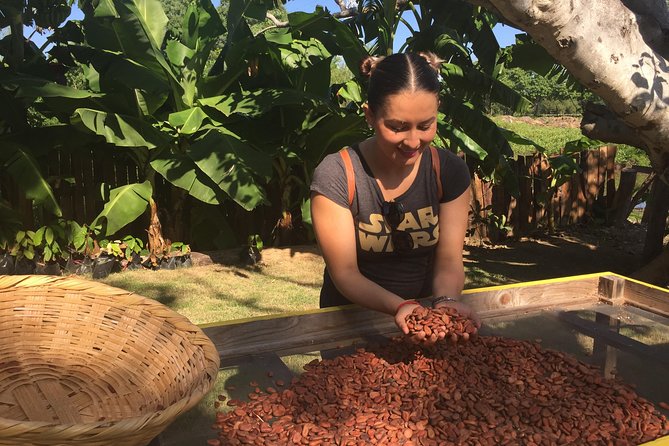
The most useful part of the workshop is the sequence that turns cacao into something you can eat. You do not simply watch a demonstration. You take part in several steps.
Same base, a different sort of day:
- Puerto Vallarta Best Zipline Canopy + Tequila and Speed Boat Ride
★ 5.0 · 3,786 reviews - Winner 2025 Downtown Vallarta Food Tour with Vallarta Food Tours
★ 5.0 · 3,738 reviews - Extreme Adventure, Wildest Bridge, ATV & Ziplines
★ 5.0 · 3,179 reviews - Mega Yacht ALL INCLUSIVE Yelapa Waterfall & Snorkeling Adventure
★ 5.0 · 2,515 reviews
Fermentation and drying
The full cacao process includes harvesting, fermentation, drying, roasting, grinding, and mixing. Fermentation and drying take place over a longer period, so the workshop uses prepared, pre-fermented seeds for the active portion of the visit.
This is an important detail. You experience the full process in context, but you will not wait around for fermentation to happen. That keeps the tour practical while still showing why cacao production is a careful, extended process.
Roasting the beans
The prepared cacao seeds are roasted in front of you. The heat changes the aroma and prepares the beans for the next step.
This is the point when the seeds begin to feel more like a food ingredient. You can watch and smell the transformation, then handle the roasted beans yourself. The process is basic and traditional, which makes it easy to understand.
Shelling the roasted seeds
After roasting, you remove the outer shells by hand. This is a small job, but it shows how much preparation is needed before grinding.
The shelling stage also keeps the workshop active. You are not standing at a counter waiting for a finished sample. You are handling the ingredients and seeing the texture change from one stage to the next.
Grinding by hand
The shelled cacao goes into a hand grinder. You grind the beans until they become a thick cacao paste.
This is one of the best learning moments because it connects the old tools in the exhibition area with the food in front of you. The process is physical and slower than a modern factory method. That helps you appreciate the labor behind a simple chocolate bar.
Adding sugar, cinnamon, and other ingredients
Once the cacao is ground, you decide how much sugar and cinnamon to add. You may also mix in chopped nuts or other seeds.
This choice gives the activity a personal touch. The result is not a fixed tasting portion prepared for everyone. You help set the flavor and texture. If you prefer darker, less sweet chocolate, you can make a different choice from someone in your group.
Shaping and decorating
The chocolate is shaped into pieces or bars and decorated with available additions. You can wrap your handmade chocolate to take home.
The finished portion is not the point of the visit by itself. The value is in understanding how the bean changes at every stage. Still, taking home your own batch gives the experience a useful souvenir, and it is more personal than buying a standard bar in a shop.
Cacao drinks, cookies, and the tasting table
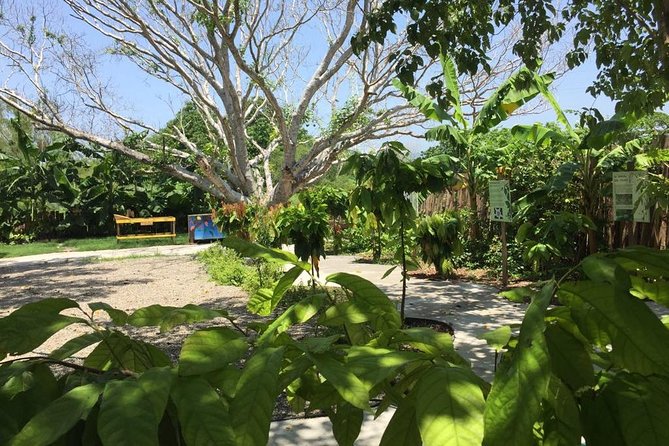
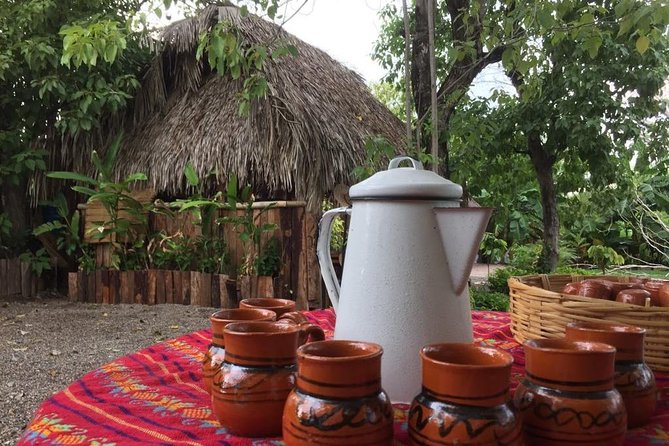
The included tasting begins with a cacao and corn drink inspired by Mesoamerican traditions. This is not simply hot chocolate in a different cup. It introduces cacao as an ingredient used in drinks and food long before modern candy became its most familiar form.
You also receive chocolate and Mexican cacao cookies. The tastings help connect the historical lesson to everyday flavor. Cacao can be earthy, bitter, spiced, sweet, or creamy depending on how it is prepared.
The homemade chocolate shop offers more products if you want to take something back to your hotel or home. Purchases are optional, so you can enjoy the included samples without feeling required to buy anything. The selection is small rather than department-store broad, but that fits the garden’s local, handmade character.
Why the private format is worth considering
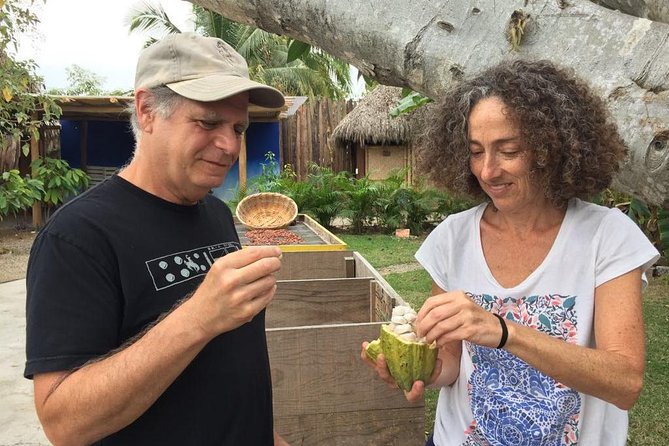
This is a private activity, meaning only your group takes part. That is a major advantage for families, couples, and small groups with different interests.
A child can ask basic questions without feeling rushed. An adult who wants more detail about cultivation or cultural uses can keep the conversation going. A group of eight, including ages from six to 83, has found the format workable, which suggests the activity can suit a wide age range.
The private setup also helps the workshop feel more like a shared cooking session than a staged show. Guides have been praised for being warm, patient, and attentive with children and teenagers. Adrián, in particular, has been singled out for his enthusiasm and ability to handle many questions.
The tradeoff is that private tours can feel more dependent on the individual guide and the size of your group. If your party is quiet, the guide may do more of the talking. If you enjoy conversation, the experience can stretch beyond the basic 90-minute schedule.
Getting there from Puerto Vallarta
Transportation is the one area where you need to plan carefully. Private transportation is not included, and the meeting point is Planeta Cacao, San Vicente 120, 63735 Tondoroque, Nayarit.
From Puerto Vallarta, the ride is described as about 15 minutes, while Nuevo Vallarta and Bucerías are about 5 minutes away. Actual travel time and cost can vary by starting point and traffic. One visitor staying at Vidanta reported an Uber ride of about $8 each way, while another party traveling from Puerto Vallarta reported paying about $20 each way.
That difference makes the $39 tour price look different depending on where you stay. From Nuevo Vallarta or Bucerías, the total outing can be quite reasonable. From central Puerto Vallarta, the ride may add a meaningful amount to the cost, especially for a small group.
Uber has worked for some visitors, and Wi-Fi is available at the garden. Still, I would confirm the destination carefully before leaving. The rural address is outside the main hotel strip, and the return ride is your responsibility.
The experience begins and ends at the garden. It is not a walking tour from the Malecón or an Old Town activity. If you are staying in central Puerto Vallarta, allow time for both rides and do not assume you can easily combine this with a nearby downtown attraction.
Comparing the $39 price with the experience
At $39 per person, Planeta Cacao is priced above a simple chocolate tasting but below many longer guided excursions. You are paying for a private guide, a garden visit, historical interpretation, included drinks and snacks, and a hands-on workshop.
The strongest value comes from participation. You roast, shell, grind, mix, shape, and take home your own chocolate. If you only want to sample finished sweets, a chocolate shop or shorter tasting may cost less and take less time.
The price also includes something hard to duplicate on your own: access to the cacao tree and a guide who can explain the entire path from fruit to food. I think that makes the fee fair for couples and families who want a focused cultural activity.
One price detail deserves attention. A recent comment reported that booking directly with Planeta Cacao could cost $30, compared with $39 through the booking channel used for this experience. Direct pricing can change, so check the current rate before deciding. The lower price may be worth the extra effort, but a third-party booking can offer a simpler reservation process and free cancellation up to 24 hours before the start time.
Who will enjoy this most
I would recommend the tour to:
- Families with children or teenagers who enjoy making things
- Couples looking for a short activity beyond the beach and resort zone
- Chocolate fans who want to understand the ingredient before tasting it
- Visitors interested in Mesoamerican food traditions and local agriculture
- Small groups that prefer a private guide and flexible conversation
- Anyone who likes taking home a handmade souvenir
The activity is less suitable if you want a large plantation, a polished factory tour, or a full-day excursion. The garden is small, the walking portion is short, and the visit centers on explanation and workshop time.
It also may not suit a schedule packed with other activities. The listed duration is about 90 minutes, but some sessions have lasted two hours. Add the drive in both directions, and this is best treated as a relaxed half-day plan rather than a quick stop between reservations.
Practical details that improve the visit
Confirmation is provided at booking, and the tour is offered in English. Mobile tickets are accepted, and service animals are allowed. The garden is near public transportation, though your own ride still needs to be arranged.
Wear something comfortable for a rural outdoor setting and for hands-on food preparation. The supplied details do not specify a dress code or weather plan, so I would check conditions before you leave and avoid bringing anything you do not want exposed to cacao, sugar, or grinding work.
If you need to cancel, you can receive a full refund when you cancel at least 24 hours before the local start time. Changes or cancellations inside that window are not accepted for a refund.
Should you book Planeta Cacao?
Book it if you want a personal, hands-on look at cacao and you are willing to travel outside the resort center. The private format, local setting, included tasting, and make-your-own chocolate workshop give the $39 price real value.
Skip it if transportation costs make the outing too expensive, or if your main goal is a large-scale plantation or factory tour. For most families, couples, and curious food lovers, though, Planeta Cacao offers a pleasant change from Puerto Vallarta’s usual beach routine. You leave with a better sense of where chocolate begins, a handmade treat, and a story connected to Nayarit rather than just another box of sweets.
FAQ
Where is the Chocolate Tour in Vallarta held?
The experience takes place at Planeta Cacao, San Vicente 120, 63735 Tondoroque, Nayarit, Mexico. It is in a rural area of El Tondoroque, about 15 minutes from Puerto Vallarta and about 5 minutes from Nuevo Vallarta or Bucerías.
How long does the chocolate experience last?
The advertised duration is approximately 1 hour and 30 minutes. Some workshop sessions have lasted about two hours, depending on the pace and activities included.
Is transportation included?
No. Private transportation is not included, so you must arrange your own ride to and from the meeting point.
What food and drinks are included?
The included items are a cacao and corn drink, chocolate, and Mexican cacao cookies. The shop also sells homemade chocolate products.
Is this a private tour?
Yes. Only your group participates in the activity. The tour is offered in English.
Can I cancel for a full refund?
Yes, if you cancel at least 24 hours before the experience start time. Cancellations or changes made less than 24 hours before the start are not refundable.
Newly listed around Puerto Vallarta
- Vallarta: Mexology Tacos & Tequila Tour★ 5.0 · 110 reviews
- Scuba Diving Marietas Islands★ 4.5 · 107 reviews
- Sayulita Taco Tour★ 5.0 · 149 reviews
- Sayulita ATV Jungle & Beach Adventure, Tequila Tasting★ 4.5 · 94 reviews
- Sayulita Tacos and Tequila Food Tour★ 5.0 · 101 reviews
- EcoHike to private beach, Jungle Walk to see plants & animals★ 5.0 · 113 reviews
- Hike and Yoga Jungle Experience in Mexico★ 5.0 · 163 reviews
- Canopy Tour Experience in Sayulita, Nuevo Nayarit.★ 5.0 · 31 reviews
Dessert Tours, compared.
Finca 18 Puerto Vallarta Tequila Tour + Chocolate Pairing
Read our review →
Bean to Bar Chocolate Workshop in Puerto Vallarta
Read our review →

San Jose del Cabo Art Walk, Beer Tasting &Chocolate Demonstration
Read our review →
Tour to Uxmal Kabah and Chocolate Museum from Mérida
Read our review →
Browse the lists this tour appears in