
Reviewed · PUERTO VALLARTA TOURS
Desembocada and Ameca River Bird Paradise (Wetland and Tropical birds in PV)
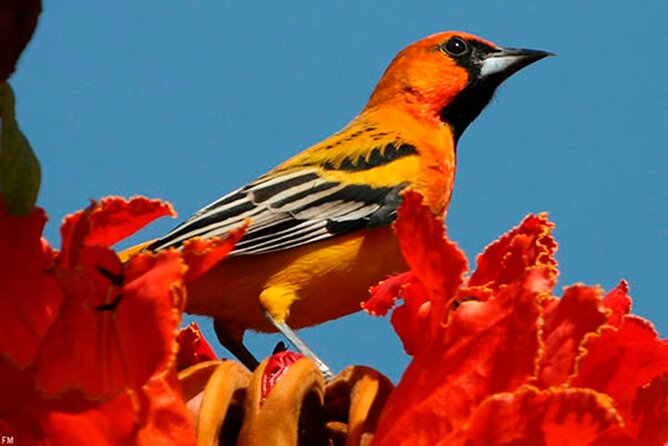
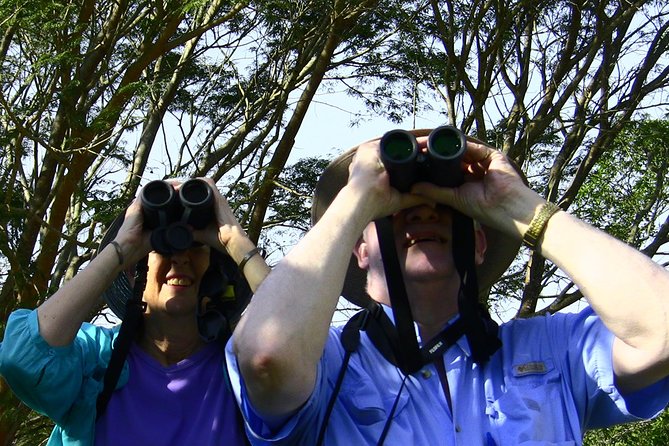
Birds reward an early start. This seven-hour Puerto Vallarta outing takes you beyond the resort zone to Desembocada, the Ameca River, mangrove habitat, and coastal areas where nearly 350 bird species may be found. I like the small group of up to eight people and the chance to bird with a professional biologist rather than simply ride around with a checklist. I also like that the guide brings a spotting scope and helps identify birds by both sight and sound.
The main drawback is that this is an early, active day with plenty of time in a vehicle. You meet at Marina Vallarta at 6:45 am, and the route may involve walking on uneven ground. If you have knee problems, this probably is not the right outing. Also, the tour requires a minimum number of bookings, so confirm that it is operating before you count on it as your only birding plan.
In This Review
- Key points to know before you book
- Why Puerto Vallarta is a fine base for birding
- A 6:45 am start at Marina Vallarta
- Playa Boca de Tomates and the coastal setting
- Desembocada, farms, and productive wetland habitat
- The Ameca River and mangrove birding
- What the biologist guide adds
- Food, drinks, and the practical rhythm of the day
- Is the seven-hour format good value?
- Who should book this Puerto Vallarta birding tour?
- Should you book it?
- FAQ
- How long does the birding tour last?
- What time does the tour start?
- Where does the tour end?
- What areas does the tour visit?
- Is lunch included?
- What should I bring?
- Can children join the tour?
Key points to know before you book
- Early start at 6:45 am: The morning timing gives you the best chance of finding active birds before the heat builds.
- Up to eight people: A small group makes it easier to hear the guide, share the scope, and stop without the delays of a large bus.
- Professional bird expertise: Guides such as Michael and Cynthia have identified birds by call, song, behavior, and markings, not just by color.
- More than one habitat: Desembocada, the Ameca River, mangroves, marsh areas, and Playa Boca de Tomates offer different types of birdlife.
- A serious birding day: Bring walking shoes and your birding log. Past outings have produced more than 50 species, with some groups recording 70 or 80.
- Useful inclusions: Air-conditioned transport, water, coffee or tea, snacks, a driver-guide, and a biologist guide are included. Lunch is not.
Why Puerto Vallarta is a fine base for birding
Puerto Vallarta is best known for beaches, boat trips, and nightlife, but its position between tropical forest, river corridors, wetlands, farms, and the coast gives it a surprisingly broad bird list. The appeal of this outing is the change of setting. You are not confined to a single garden or lookout point.
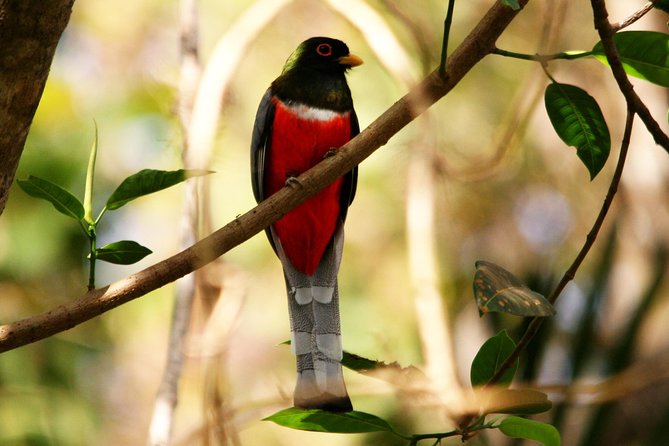
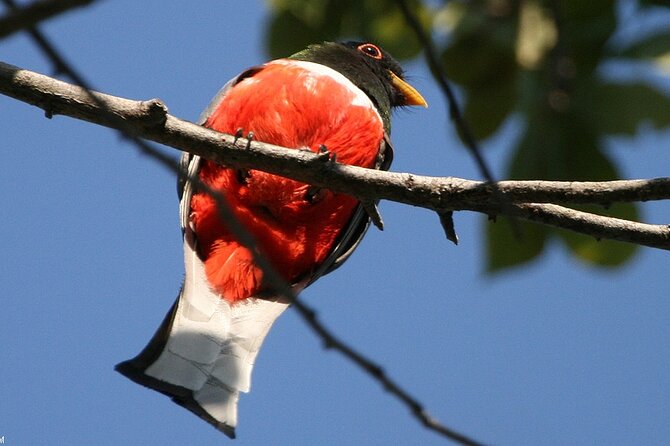
The Desembocada and Ameca River areas support several habitats close to town. Mangroves and marshes can attract waterbirds, while fields, trees, and river edges offer chances for parrots, owls, trogons, buntings, tanagers, and raptors. The tour description lists nearly 350 possible species across the region, though no responsible guide can promise a particular bird on a particular morning.
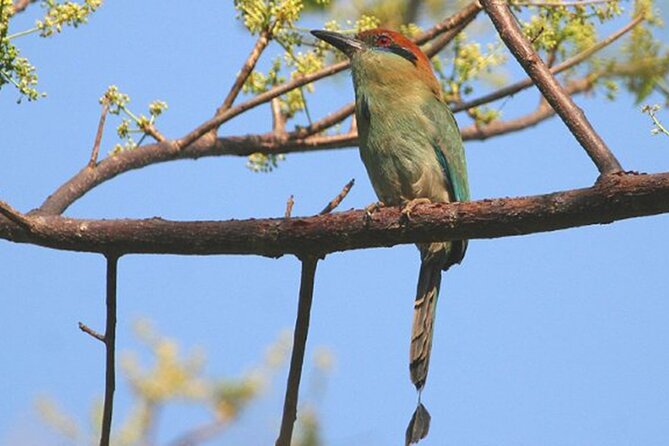
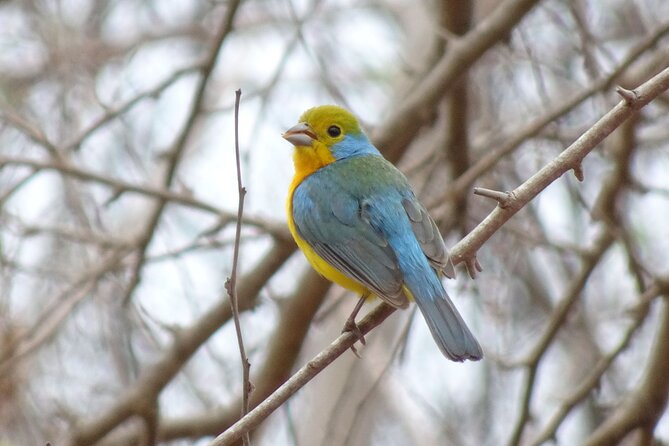
That uncertainty is part of birding. You may hope for a military macaw, painted bunting, motmot, or American Crocodile, but weather, season, noise, and animal behavior all matter. The guide’s skill is valuable because a trained eye can notice movement or a call that you would miss completely.
A few more Puerto Vallarta runs worth comparing
- Puerto Vallarta Best Zipline Canopy + Tequila and Speed Boat Ride
★ 5.0 · 3,786 reviews - Winner 2025 Downtown Vallarta Food Tour with Vallarta Food Tours
★ 5.0 · 3,738 reviews - Extreme Adventure, Wildest Bridge, ATV & Ziplines
★ 5.0 · 3,179 reviews
A 6:45 am start at Marina Vallarta
The meeting point is Ecotours Vallarta at Dive ShopProa 20 in Marina Vallarta. The day begins at 6:45 am, so plan to arrive with enough time to find the shop and settle in. The tour ends back at this same meeting point.
The included air-conditioned van is more than a small convenience. Puerto Vallarta can become hot, and a day spent moving between habitats is easier when you have a cool place to rest. The group limit of eight also helps keep the vehicle from feeling like a crowded transfer bus, although one account found an SUV cramped with four birders and a guide. Vehicle size may vary, so do not assume a roomy minibus.
Transport to the marina is not listed as included. This matters if you are staying far from Marina Vallarta. One person staying at the Conrad reported spending about USD 100 getting to the meeting point and having trouble locating the agency. Check your route before booking, especially if you are staying well south of the marina or in an area with limited taxi and rideshare service.
Playa Boca de Tomates and the coastal setting
The named stop is Playa Boca de Tomates, a coastal area near the mouth of the Ameca River. It gives the day a useful change of pace, especially after time around inland vegetation and marshland.
The beach and river-mouth setting can offer shorebirds and other water-associated species. Still, you should set your expectations carefully. Some people wanted more shorebird time or an additional marine-bird stop, and this outing does not promise a dedicated boat trip or full coastal survey.
That does not make Boca de Tomates a weak stop. It simply means the emphasis is broader than beach birding. You may see birds along the shore, river edge, or nearby vegetation, but the exact mix will depend on the day. A past outing even included humpback whales visible offshore, though this should be treated as a lucky extra, not a scheduled feature.
The coastal stop also appears to be a pleasant place to pause near the end of the day. One outing finished at a casual beach restaurant for snacks and a drink, while the group reviewed its bird list. Lunch is not included, so ask the guide how the day’s meal break will work and bring money for food.
Desembocada, farms, and productive wetland habitat
Desembocada is where the tour feels most connected to local life. The area includes farming communities as well as wetland and river habitat, so you are not looking at nature in isolation. You may see how fields, waterways, palms, and human activity sit side by side.
Past outings in this area included a ranch with feeders and a marsh that produced a good range of birds. Feeders can improve the odds of close views, while the marsh adds a different set of possibilities. The combination also helps explain why this day can produce a long species list without feeling like one repeated stop.
The tradeoff is time on the road. The route covers several sites, and some accounts describe a lot of driving. For a dedicated birder, that movement is part of the value because each habitat adds new possibilities. If you want a slow walk in one quiet reserve, this may feel too mobile.
Your guide should help make the driving worthwhile. Michael has been praised for spotting birds before anyone else and recognizing calls before the bird appears. Cynthia has also been described as patient and careful about giving each person a chance to see a desired species. That kind of help matters more than a fast list. A bird seen clearly through the scope is worth more than three names called out while the van is moving.
Same base, a different sort of day:
- Mega Yacht ALL INCLUSIVE Yelapa Waterfall & Snorkeling Adventure
★ 5.0 · 2,515 reviews - Food & Mixology Tour:Tequila,Tacos, Mezcal and Agave Cocktails
★ 5.0 · 1,884 reviews - Outdoor Ziplining, Waterfalls & Speed boat in Puerto Vallarta
★ 5.0 · 1,796 reviews - Rhythms of the night, Sunset Cruise, Candlelit Dinner & Alma Show
★ 4.5 · 1,667 reviews
The Ameca River and mangrove birding
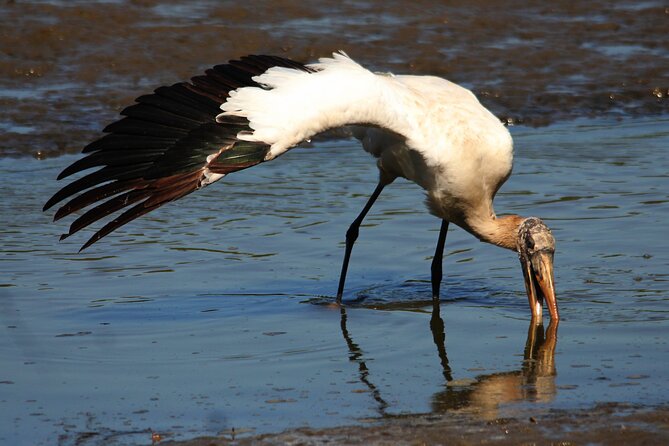
The Ameca River is the central natural feature of the outing. River edges create feeding and resting areas, while mangroves provide shelter for birds and other wildlife. The tour specifically includes mangrove birds and the chance to look for the American Crocodile.
Do not expect a guaranteed crocodile sighting. The animal is elusive, and the guide can only take you to suitable habitat and help you search safely. That uncertainty adds a little excitement, but it also means the bird list remains the main purpose of the day.
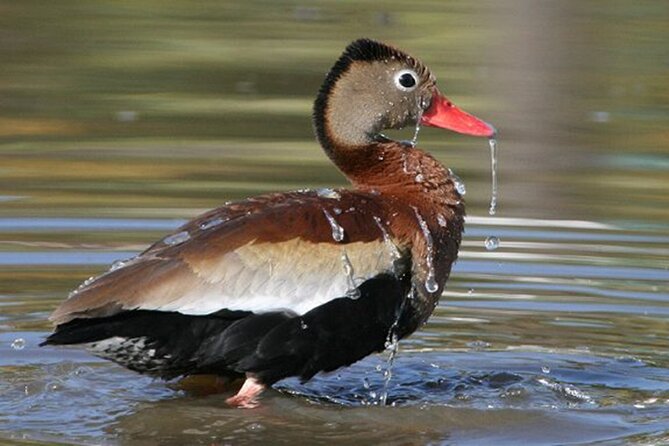
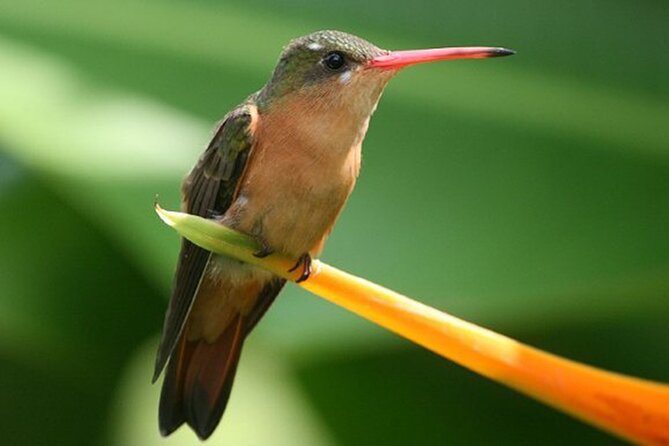
The river sites have produced some of the strongest results reported from this experience. Past groups counted more than 50 species, while others reached 63, 70, or more than 80. Recorded highlights included painted buntings, military macaws, stilts, crested caracaras, motmots, ferruginous pygmy-owls, citreoline trogons, whistling ducks, crane hawks, parrotlets, and tanagers.
Those names show the range of the area, but they are not a promise. You may see common birds in excellent conditions, or you may get a shorter list with one unforgettable sighting. Bring your logbook if you keep a life list, and ask the guide to help record the birds accurately.
What the biologist guide adds
The guide is the heart of this experience. A standard sightseeing driver might point out a large heron or parrot. A biologist guide can listen for a call, read a bird’s behavior, and know where to look before you have any idea that something is nearby.
Michael and Cynthia are the two guide names associated with especially strong experiences. Michael has been praised for friendly instruction, call recognition, and his habit of helping each person find the species they most wanted. Cynthia has been praised for her calm pace, enthusiasm, and ability to find birds in several different habitats.
A spotting scope is also important. Small birds can be hard to see through binoculars, and a scope lets the group share a steadier, closer view. The guides have used scopes and binoculars to help people examine markings that would otherwise blur into leaves and branches.
You will get more from the day if you ask questions. Learn to notice the difference between a bird’s call and its alarm note. Ask what behavior gave away its location. The guide’s explanations can turn a long list into a better understanding of how birds use wetlands, river edges, farms, and coastal scrub.
Food, drinks, and the practical rhythm of the day
Water, snacks, and coffee or tea are included. Past outings also included fruit, cold drinks, and a late snack stop. That is helpful because the start is early and lunch is not part of the package.
You should still bring personal food if you need a full meal at a set time. The day lasts about seven hours, and birding can make you forget the clock until you suddenly realize you are hungry. Ask about the meal stop at the beginning so you know whether to buy lunch at the end or pack something.
Wear walking shoes, not sandals meant only for the beach. The tour is not recommended for people with knee problems, and the mix of walking, vehicle steps, and uneven ground can make the day tiring. Light clothing, sun protection, and a hat are sensible, though only the listed inclusions are guaranteed.
Because this is an outdoor activity, poor weather can cancel the outing. If that happens, you are offered another date or a full refund. You can also cancel for a full refund if you do so at least 24 hours before the start time. A late cancellation is not refundable.
Is the seven-hour format good value?
No price is provided here, so I cannot judge the exact cost against competing tours. I can judge what you receive: about seven hours, a small group, a professional biologist, air-conditioned transport during the tour, drinks, snacks, and access to several birding areas.
For a serious birder, that package can be good value because the guide’s local skill saves you from spending a day searching at random. The scope, species identification, and transport between habitats add real value. A long list of birds is not guaranteed, but the structure gives you a much better chance than exploring alone.
For a casual nature lover, the value depends on patience. You may spend quiet stretches waiting, listening, or riding between sites. This is not a rapid sightseeing circuit with a new attraction every few minutes. It is a field outing, and the best moments may be a brief flash of color, a call from dense cover, or a crocodile barely visible near the water.
The free cancellation window is useful, but the minimum-group rule is worth taking seriously. One booking was canceled because too few people had signed up, with notice arriving only after the customer followed up. That is a serious planning concern. Confirm the departure shortly before your date, and keep a backup plan if the birding day is central to your holiday.
Who should book this Puerto Vallarta birding tour?
I would choose this tour if you keep a bird list, enjoy natural history, or want a full morning and afternoon away from resort streets. Families can join if children are at least eight years old and accompanied by an adult, but young children need to be comfortable with quiet observation and an early start.
It also suits couples and solo birders who like meeting a small group with similar interests. The relaxed pace and shared scope can make the day social without turning it into a noisy group excursion.
I would hesitate if you dislike early mornings, long vehicle rides, uneven walking, or uncertain wildlife sightings. I would also compare the meeting point with your hotel before paying. A cheap tour can lose its value if reaching Marina Vallarta is difficult or expensive.
Should you book it?
Book it if birds are a real priority and you want local guidance rather than a casual nature drive. The strongest reasons are the small group, the biologist guide, the scope, and the range of habitats around Desembocada and the Ameca River.
Go in with realistic expectations. You may see 50 species, 80 species, or fewer, and an American Crocodile or military macaw is never guaranteed. Confirm that the tour is running, arrange your own way to Marina Vallarta, bring walking shoes and a birding log, and carry money for lunch. With those details handled, this is one of Puerto Vallarta’s better choices for a serious day outdoors.
FAQ
How long does the birding tour last?
The experience lasts approximately seven hours.
What time does the tour start?
The meeting time is 6:45 am at Ecotours Vallarta, Dive ShopProa 20, in Marina Vallarta.
Where does the tour end?
It ends back at the same meeting point in Marina Vallarta.
What areas does the tour visit?
The experience focuses on Desembocada and the Ameca River region, with Playa Boca de Tomates listed as a stop. It also includes wetland, mangrove, and coastal habitats.
Is lunch included?
No. Bottled water, snacks, coffee or tea, and other listed services are included, but lunch is not.
What should I bring?
Wear walking shoes and bring your birding log. You should also plan for an early start and outdoor conditions.
Can children join the tour?
Children must be at least eight years old and accompanied by an adult.
Newly listed around Puerto Vallarta
- Vallarta: Mexology Tacos & Tequila Tour★ 5.0 · 110 reviews
- Scuba Diving Marietas Islands★ 4.5 · 107 reviews
- Sayulita ATV Jungle & Beach Adventure, Tequila Tasting★ 4.5 · 94 reviews
- Sayulita Tacos and Tequila Food Tour★ 5.0 · 101 reviews
- Sayulita Taco Tour★ 5.0 · 149 reviews
- EcoHike to private beach, Jungle Walk to see plants & animals★ 5.0 · 113 reviews
- Hike and Yoga Jungle Experience in Mexico★ 5.0 · 163 reviews
- Canopy Tour Experience in Sayulita, Nuevo Nayarit.★ 5.0 · 31 reviews
Puerto Vallarta Tours, compared.
Puerto Vallarta Best Zipline Canopy + Tequila and Speed Boat Ride
Read our review →
Winner 2025 Downtown Vallarta Food Tour with Vallarta Food Tours
Read our review →
Extreme Adventure, Wildest Bridge, ATV & Ziplines
Read our review →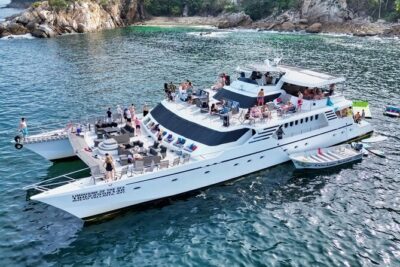
Mega Yacht ALL INCLUSIVE Yelapa Waterfall & Snorkeling Adventure
Read our review →
Food & Mixology Tour:Tequila,Tacos, Mezcal and Agave Cocktails
Read our review →
Outdoor Ziplining, Waterfalls & Speed boat in Puerto Vallarta
Read our review →
Rhythms of the night, Sunset Cruise, Candlelit Dinner & Alma Show
Read our review →
Boat and Snorkel Tour to 5 Islands of Los Arcos
Read our review →Browse the lists this tour appears in