
Reviewed · WHALE WATCHING
Dolphin & Whale Watching with Marine Biologists
The ocean puts on the show. Oceanico’s Huatulco whale and dolphin trip combines expert guidance with a small boat, a hydrophone, and access to offshore areas where the crew regularly finds marine life. I especially like the small maximum group of 14 and the chance to hear whales singing and dolphins communicating underwater. The main drawback is that the boat has limited shade, and the sea can be rough.
This is more than a quick ride past the marina. Marine biologists explain the animals you see, share current research, and answer questions as the search unfolds. Humpback whales appear on about 90 percent of trips from December through March, but wildlife remains wildlife, and no whale sighting is guaranteed.
The tour starts at 8:00 a.m. from Chahué Marina and lasts about two and a half hours. The $59.74 price is fair for a small-group excursion led by marine specialists, though you should bring sun protection and budget an extra 75 pesos in cash for the national park and marina fees.
In This Review
- Key things to know before you book
- Leaving Chahué Marina at 8:00 a.m.
- Huatulco National Park and the open-water search
- Humpback whales, dolphins, and the luck factor
- Sea turtles, rays, and the extra surprises
- What the marine biologists add
- The boat, the sea, and what to pack
- Is $59.74 a fair price?
- Who should book this Huatulco tour?
- Final verdict: a strong choice for wildlife-minded visitors
- FAQ
- Where does the tour start and end?
- What time does the tour start?
- How long does the experience last?
- How much does the tour cost?
- Are whales guaranteed?
- What ages can join the tour?
- What happens if bad weather cancels the tour?
Key things to know before you book
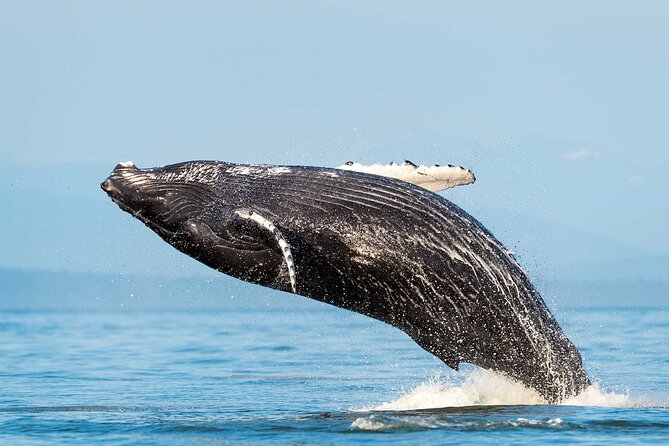
- Humpback season runs from December through March: The operator reports humpbacks on 90 percent of tours during these months, making this the strongest period for whale sightings.
- You may hear the ocean as well as see it: A hydrophone lets you listen to whale songs and dolphin communication.
- The boat carries no more than 14 people: That gives you more room to move and a better chance of finding a clear viewing spot.
- Sea turtles are a major part of the experience: Olive Ridley turtles appear often, along with green turtles and other marine species.
- The open boat needs serious sun preparation: A canvas roof covers the boat, but you still need a hat, sunglasses, and reef-friendly sunscreen.
- Expect a nature search, not a guaranteed performance: One trip may bring whales, dolphins, turtles, rays, and sea snakes. Another may bring only some of them.
Leaving Chahué Marina at 8:00 a.m.
Your morning begins at Oceanico Huatulco in Sector P at Chahué Marina. The meeting point is easy to reach from the marina area, and public transportation is nearby. Since the tour starts early, you get onto the water before the hottest part of the day.
The crew begins with a short briefing about Huatulco’s whales, dolphins, and sea turtles. This opening matters. You are not simply handed a life jacket and pointed toward the horizon. You get basic context before the search begins, which helps you understand what the crew is looking for and why the boat changes direction.
The tour is offered in English. The crew has also been described as able to communicate in several languages, though English is the advertised language for this activity. Guides have included Scarlett and Tony, while Tito has served as captain. Other trips have been led by Peter, who shared the search with Tony. The exact crew can vary, but the pattern is clear: marine biology is central to the experience, not an afterthought.
Life jackets are available for children from age 3 and for adults up to 130 kilograms. Anyone over 130 kilograms is not eligible, so check this restriction before paying. Most people can take part, but you should be comfortable sitting on a small boat in open water.
More Whale Watching Trips in Huatulco:
- Luxury Catamaran Whale Watching Cabo San Lucas
★ 5.0 · 2,107 reviews - Whale Watching Cabo-Women crew-Sightings Guaranteed & Free Photos
★ 5.0 · 1,743 reviews - SMALL GROUP Whale Watch | Cabo San Lucas | Biologist | FREE Pics
★ 5.0 · 1,106 reviews
Huatulco National Park and the open-water search
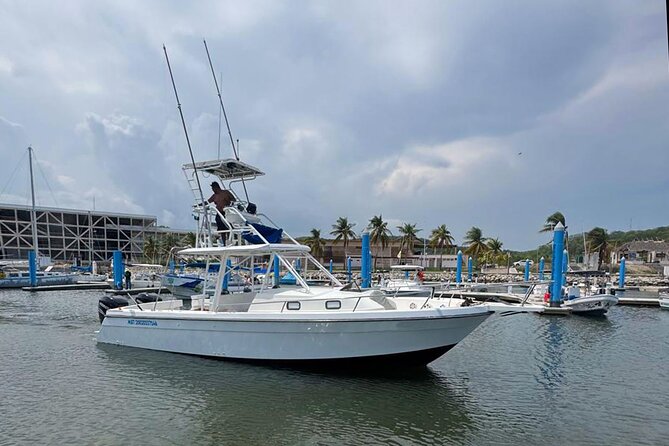
The listed stop is Huatulco National Park, but this is not a land-based park visit. The main experience takes place on the water within the park and beyond the immediate marina area. Oceanico says it travels farther to zones known by its crew and its network of spotters, which is important in whale watching. A boat that stays close to shore may offer a pleasant ride, but it has fewer options when animals are spread across a wide area.
Once you leave the marina, the crew begins scanning the water. This can feel active and exciting when dolphins appear quickly, but it can also mean periods of patient searching. You may spend time watching for a blow from a whale, a dorsal fin, a splash, or the rounded back of a turtle.
The small group helps here. With a maximum of 14 people, you are less likely to be packed shoulder to shoulder. One person described having plenty of room to move around even when the sea was rolling. That extra space also makes it easier to shift from one side of the boat to the other when the captain changes course.
The boat is small, which brings both benefits and limits. You feel close to the water and can get a clear view from the front. At the same time, there is not much protection from the sun. A canvas roof covers the boat, but it does not replace a hat, sunglasses, water, and sunscreen. The operator provides bottled water, but bringing your own extra supply is sensible, especially in warm weather.
Humpback whales, dolphins, and the luck factor
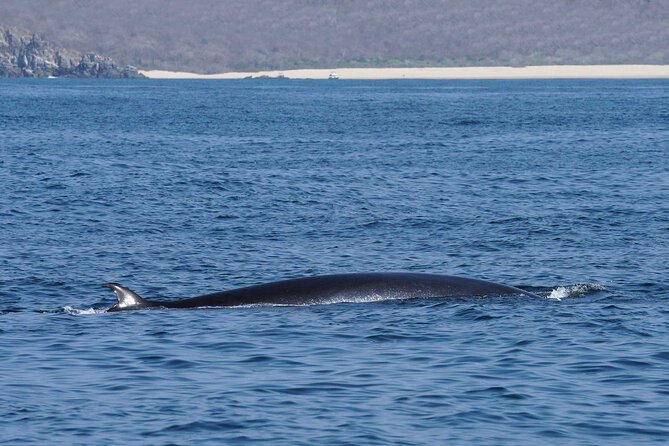
Humpback whales are the headline attraction, particularly from December through March. The reported 90 percent sighting rate in that season is encouraging, but it should not be read as a promise for your specific departure. A responsible wildlife tour leaves room for uncertainty.
When whales are found, the crew explains their behavior while maintaining the national park’s regulations and respectful viewing practices. That can mean following a mother and calf for a while, watching an escort whale nearby, or waiting as the animals surface and disappear again.
The most memorable scenes can be surprisingly varied. One trip included a mother and calf, while another saw a group of three humpbacks. A separate outing brought sightings of three grey whales. The experience depends on the day, the season, and where the animals happen to be feeding or traveling.
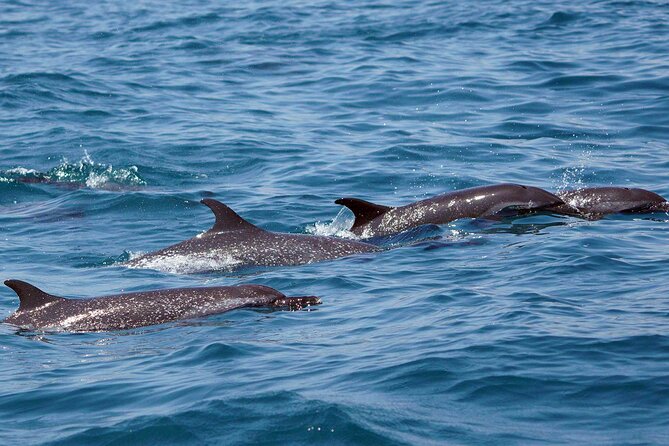
Dolphins can provide the fastest action. The boat has encountered spotted and bottlenose dolphins, including a pod estimated at around 300 animals. Watching a large pod move across the surface can be more dramatic than a distant whale, especially when the dolphins travel close together and change direction as one group.
The hydrophone adds another layer. You may hear whales singing or dolphins communicating underwater, turning a quiet stretch of sea into part of the lesson. This is one of the best reasons to choose a marine biologist led trip. Even when an animal stays just out of sight, you are still learning what is happening below the boat.
Sea turtles, rays, and the extra surprises
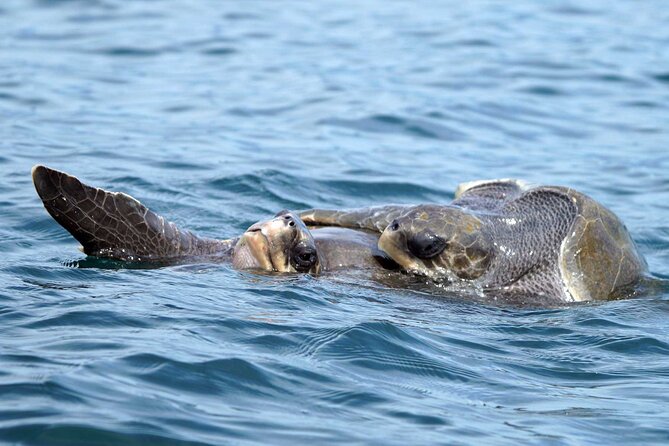
Huatulco’s sea turtles deserve equal billing. Olive Ridley turtles are frequently seen, and the region’s connection to nearby Playa Escobilla helps explain why. Playa Escobilla is described as one of only three places in the world with mass Olive Ridley nesting events. On some trips, the crew sees 20 or more turtles.
You may also see green turtles. One outing produced many green turtles along with spotted dolphins and three grey whales. Another included Ridley turtles, yellow-bellied sea snakes, a leaping sailfish, and two different dolphin pods.
Manta and mobula rays add sudden flashes of movement. One particularly strong outing included a group of about 12 mobula rays, with some jumping clear of the water. Other trips saw manta rays flipping at the surface. These encounters are not guaranteed, but they show why the tour works best when you approach it as a survey of Huatulco’s marine life rather than a single-purpose whale chase.
Sea snakes and sailfish are also possible sightings based on the animals encountered on past departures. I would treat these as lucky extras, not items to expect. The crew’s role is to help you recognize what appears, whether it is a famous whale or a less familiar species.
A few more Huatulco runs worth comparing
- Tour to Copalitilla Magical Waterfalls from Huatulco with admission included
★ 5.0 · 359 reviews - Full Day Tour of the Bays of Huatulco
★ 4.5 · 217 reviews - Kayak Huatulco Sunrise
★ 5.0 · 166 reviews - Ocean Eco Adventure with Marine Biologist Guides
★ 5.0 · 149 reviews
What the marine biologists add
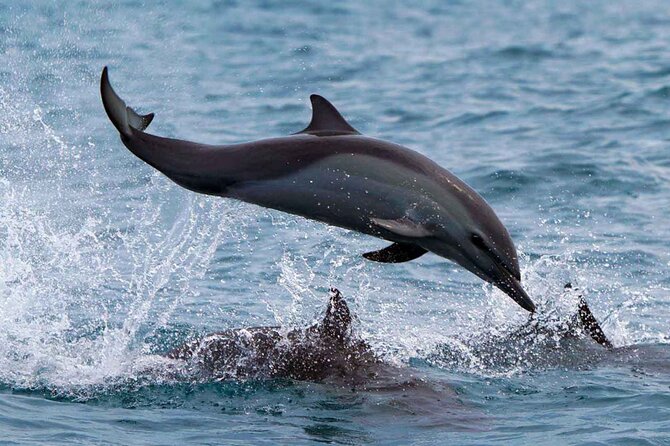
The guides explain animal behavior, current research, and conservation issues during the ride. You are encouraged to ask questions, and that invitation is worth taking seriously. This is a good setting for anyone who wants more than photographs.
A marine biologist can explain why a whale surfaces in a certain pattern, how dolphins communicate, or why a turtle may spend time at the surface. The information also gives you a better sense of distance and respect. You learn to watch without treating wild animals like performers.
The science is especially useful for photographers and nature lovers. One conservation photographer found the trip added to an already strong base of knowledge. You do not need specialist training to benefit, though. Families and first-time whale watchers can ask simple questions and still come away with a clearer picture of the animals.
The crew’s tone also appears to matter. Guides such as Scarlett, Tony, Peter, and Tito have been praised for being friendly, clear, and attentive. The captain’s skill becomes important when swells rise. One outing took place in large swells, yet the pilot handled the boat well and kept the search going.
The boat, the sea, and what to pack
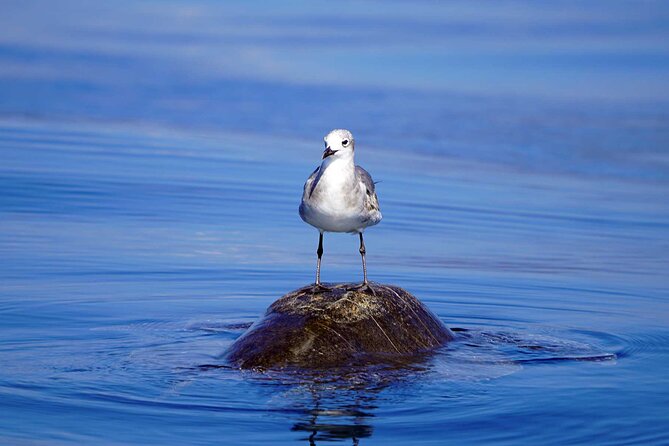
This is not a large sightseeing catamaran with rows of padded seats. The small boat brings you close to the water, but it also exposes you to movement, heat, and spray. If you get seasick easily, good preparation matters, although the tour information does not specify whether medication is available onboard.
Wear light clothing that can handle spray. Bring a hat, sunglasses, and reef-friendly sunscreen. The canvas roof helps, but one person found the boat could still feel hot without proper clothing and sun protection. If you like watching from the front, you may get the best view there, but you will also receive more direct sun and movement.
Bottled water is included. The tour lasts about two and a half hours, so that is enough time for a proper wildlife search rather than a quick loop around the bay. Still, an extra bottle may be useful if you need more fluids in hot weather.
The water can be calm or rough. Swells may make it harder to take photographs, stand, or move around. Follow the crew’s instructions, keep your hands and equipment secure, and avoid expecting a perfectly smooth ride.
Is $59.74 a fair price?
At $59.74 per person, I consider this good value for a small-group marine excursion. You are paying for about two and a half hours on the water, a capped group size of 14, bottled water, and a crew with marine biology training. The hydrophone is another useful feature that many basic sightseeing rides do not offer.
The price becomes even more reasonable if you are interested in several kinds of marine life. A whale-only trip can feel disappointing if whales remain distant, but this outing also looks for dolphins, turtles, rays, snakes, and sailfish. Your chance of seeing something memorable is not tied to one species.
There are two extra cash charges. Huatulco National Park costs 65 pesos per person, and the Chahué Marina fee is 10 pesos per person. Together, that adds 75 pesos in cash, so do not arrive with only a card. These fees are small, but they should be part of your real budget.
The trip is non-refundable and cannot be changed for personal reasons after booking. If poor weather cancels the tour, you are offered another date or a full refund. The same applies if the minimum number of people is not reached. That protection is useful, but you should choose your date carefully.
Who should book this Huatulco tour?
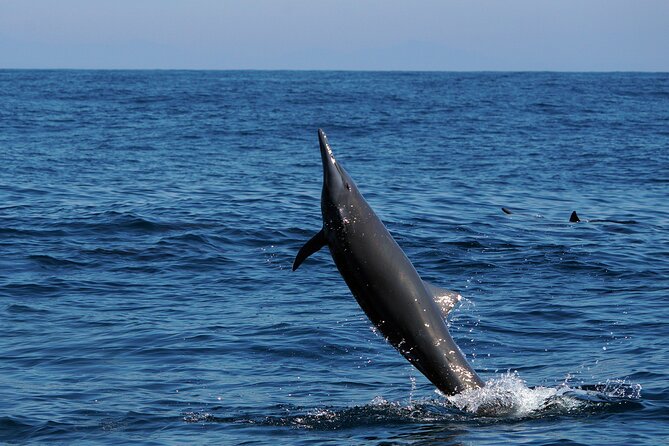
I would choose this tour if you care about the animals as much as the photographs. The biology briefing, hydrophone, and careful viewing rules give the outing more substance than a simple boat ride.
It suits families with children age 3 or older, couples, photographers, and anyone who likes asking questions. The small group is also a strong fit if you dislike crowded boats. A repeat visit can make sense during whale season, since conditions and sightings change from one morning to the next.
I would think twice if you need guaranteed whale sightings, a large stable boat, full shade, or a luxury setup. The operator reports excellent humpback odds from December through March, but no wildlife trip can control the animals. You also need to accept sun, swells, and the possibility that dolphins or turtles become the main event.
Final verdict: a strong choice for wildlife-minded visitors
I recommend Oceanico’s Dolphin and Whale Watching with Marine Biologists if you want a small, educational trip with a real chance of seeing a wide range of Huatulco wildlife. The strongest features are the marine biology staff, the hydrophone, the limited group size, and the crew’s access to productive search areas.
Book between December and March if humpbacks are your priority. Arrive ready for sun and movement, carry 75 pesos in cash for park and marina fees, and judge success by the quality of the encounter rather than a checklist. You may see a mother and calf, hear dolphins underwater, watch mobula rays leap, or simply spend a thoughtful morning learning how much life moves beneath the surface.
FAQ
Where does the tour start and end?
The tour starts at Oceanico Huatulco in Sector P at Chahué Marina, Bahias de Huatulco. It ends back at the same meeting point.
What time does the tour start?
The scheduled start time is 8:00 a.m.
How long does the experience last?
The tour lasts approximately two hours and 30 minutes.
How much does the tour cost?
The listed price is $59.74 per person. You also need 65 pesos cash for the Huatulco National Park fee and 10 pesos cash for the Chahué Marina fee.
Are whales guaranteed?
No. Humpback whales are seen on about 90 percent of tours from December through March, but sightings are not guaranteed.
What ages can join the tour?
The minimum age is 3 years old. Life jackets are available for children from age 3 and adults up to 130 kilograms.
What happens if bad weather cancels the tour?
You will be offered a different date or a full refund if poor weather causes the cancellation. The same options apply if the minimum number of participants is not reached.
Newly listed around Huatulco
- Waterfall Experience★ 5.0 · 70 reviews
- Huatulco: Private Transfer Airport – Hotels★ 4.5 · 93 reviews
- Turtle Release Escobilla Sanctuary and crocs in Ventanilla.★ 4.5 · 45 reviews
- Seafood Cooking Class★ 5.0 · 38 reviews
- Traditional Mexican Cooking Class★ 5.0 · 90 reviews
- Private One-Way or Roundtrip Transportation to Huatulco Hotels★ 4.5 · 32 reviews
- Huatulco Airport: Shared Transfer to/from Huatulco Hotels★ 4.5 · 60 reviews
- Tour in Huatulco and Playa La Entrega★ 5.0 · 30 reviews
Whale Watching, compared.
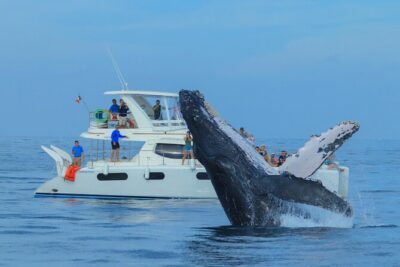
Luxury Catamaran Whale Watching Cabo San Lucas
Read our review →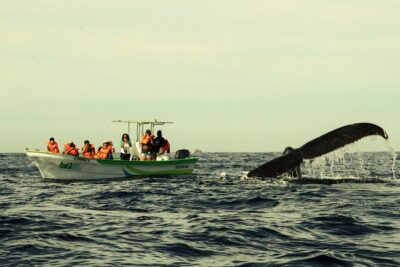
Whale Watching Cabo-Women crew-Sightings Guaranteed & Free Photos
Read our review →
SMALL GROUP Whale Watch | Cabo San Lucas | Biologist | FREE Pics
Read our review →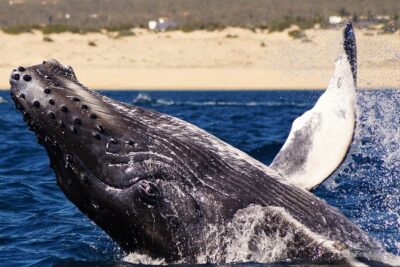
Whale Watching, The Famous Arch and Fast Boat Tour in Los Cabos
Read our review →
Whale Watching Cruise In Puerto Vallarta & Nuevo Vallarta
Read our review →
ZODIAC Whale Watch Tour | Cabo San Lucas | Biologist | FREE Pics
Read our review →
Los Cabos Whale Watching (Transportation and Pictures Included)
Read our review →Browse the lists this tour appears in