
Reviewed · SAN CRISTOBAL DE LAS CASAS TOURS
From San Cristóbal: Chamula and Zinacantán Guided Tour
Chamula changes what you think a church can be. This five-hour trip from San Cristóbal de las Casas pairs the unusual rituals of San Juan Chamula with the Tzotzil Maya weaving traditions of Zinacantán. I like the clear cultural contrast between the two towns, and I like that the tour includes transport, a guide, and entrance fees for $32. The main consideration is that the Zinacantán cooperative can feel sales-focused, and the weaving demonstration may be brief.
A strong guide makes this outing work. Guides such as Miguel and Alonso have been praised for explaining customs in clear English and Spanish, while some people found the second stop less fully explained than Chamula. You should also prepare for strict rules inside Chamula’s church: no cameras or video recording, and respectful observation matters.
In This Review
- Key points to know before you go
- Why Chamula and Zinacantán belong together
- Leaving San Cristóbal in an air-conditioned van
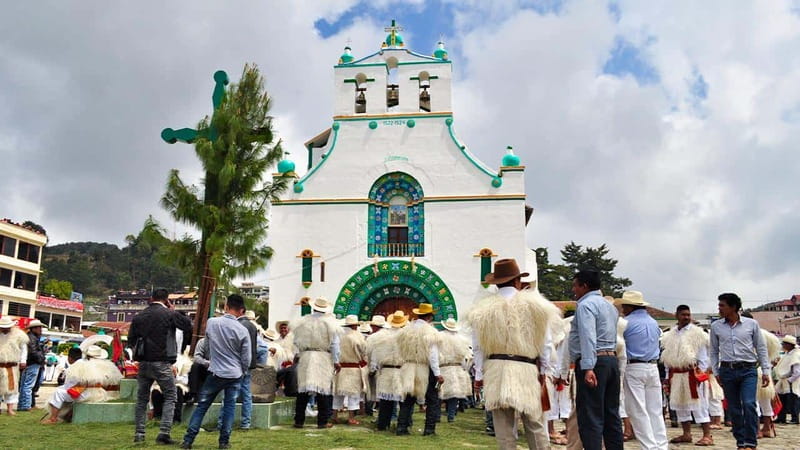
- San Juan Chamula and its powerful church
- Zinacantán’s textile cooperative and family welcome
- Food, pox, coffee, and the small details
- What the guides add to the experience
- The real value of a $32 half-day tour
- Who will enjoy this trip most
- Practical ways to make the day better
- Should you book the Chamula and Zinacantán tour?
- FAQ
- How long does the tour last?
- Where does the tour meet?
- How long is the drive to San Juan Chamula?
- How much time do you spend in San Juan Chamula?
- How much time do you spend in Zinacantán?
- Is photography allowed inside the church?
- What languages are available?
- Is food included in the tour price?
Key points to know before you go
- Chamula’s church is the emotional center: Pine needles, candles, and local rituals create an experience unlike a standard church visit.
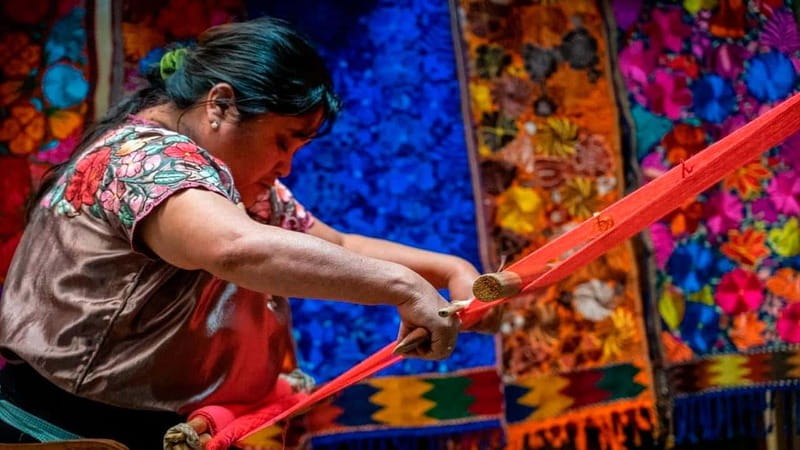
- Zinacantán combines culture and shopping: You can see women use pre-Columbian waist looms, taste local food and drinks, and buy textiles.
- The tour runs about five hours: Allow roughly 25 minutes to Chamula, 15 minutes between towns, and 25 minutes back to San Cristóbal.
- Guiding quality matters: Miguel and Alonso received especially warm praise for clear English, humor, patience, and cultural respect.
- Expect a demonstration with a commercial side: The cooperative supports local artisans, but textile prices may be two or three times higher than in town.
- Dress for mountain weather: Wear comfortable clothes and shoes, and bring a passport or identification card.
Why Chamula and Zinacantán belong together
San Cristóbal de las Casas is a useful base for seeing Chiapas, but the nearby Tzotzil Maya towns show you a different side of the region. Chamula and Zinacantán are close enough for a half-day trip, yet each presents its traditions in a different way.
Chamula is best understood through its church and religious customs. Zinacantán gives you a closer look at household crafts, food, clothing, and cooperative work. Put together, the stops help you see that Indigenous culture is not a museum display. It is part of daily life, worship, family work, and local business.
I like this pairing because the tour does not spend the entire day on the road. You get two substantial visits, each scheduled for about an hour and a half, with short van rides between them. Five hours is enough to add the trip to a busy San Cristóbal schedule without giving up an entire day.
The tour costs $32 per person. For that price, you receive air-conditioned minivan transport, a live guide in English or Spanish, and entrance fees. Food, drinks, and personal purchases cost extra, but the included transportation alone makes this a practical choice if you do not have your own vehicle.
A few more Mexico runs worth comparing
- San Cristóbal: Canyon, Viewpoints & Chiapa de Corzo Tour
★ 4.7 · 231 reviews - San Cristóbal: Agua Azul, Misol Ha & Palenque Experience
★ 4.3 · 186 reviews - Sumidero Canyon and Chiapa de Corzo Tour Compartido
★ 4.6 · 131 reviews
Leaving San Cristóbal in an air-conditioned van
The meeting point is Al Grano Café at Portal Oriente 9 in Colonia Centro, San Cristóbal de las Casas. The first drive takes about 25 minutes, though traffic can change the timing.
The air-conditioned minivan is useful in two ways. First, it saves you from arranging separate transport to both towns. Second, it lets the guide begin explaining the area and the communities before you arrive. The exact amount of commentary depends on the guide, but strong guides have been praised for answering questions instead of simply dropping people off and waiting.
You should wear shoes suitable for walking and clothes that work in changing weather. The trip runs in all weather conditions, so do not treat it as a fair-weather outing. Bring a passport or identification card, as requested in the tour information.
The start time is not fixed here, so check availability when booking. The experience offers free cancellation up to 24 hours before departure and a reserve-now, pay-later option, which is useful if your San Cristóbal plans are still shifting.
San Juan Chamula and its powerful church
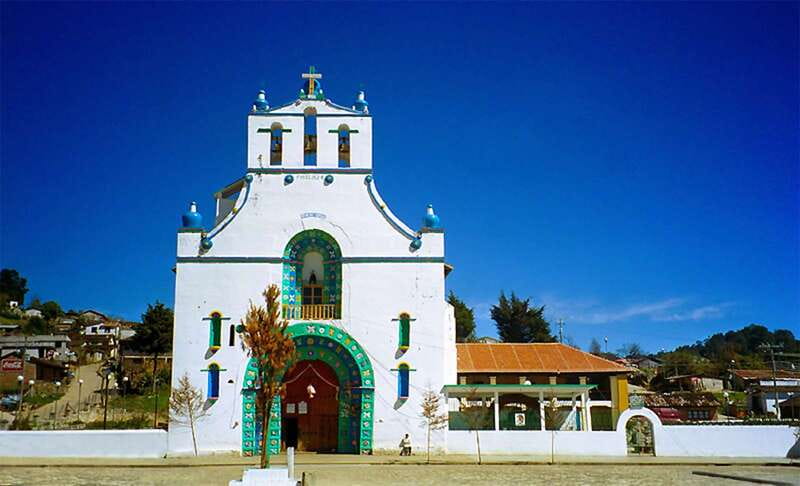
The first major stop is San Juan Chamula, reached after the short drive from San Cristóbal. You spend about 90 minutes here with the guide.
The church is the reason this stop feels so different. It is not presented as a conventional Catholic interior with rows of pews and a quiet altar. Instead, the space reflects a blend of Catholic symbols and Tzotzil Maya spiritual practice. Pine needles on the floor, candles, and the smell of resinous greenery create a calm but intense setting.
You may see people carrying out personal rituals and prayers. This is not a staged show, and that distinction matters. The most worthwhile part of the visit is learning what you are seeing while remembering that people are worshipping around you.
That is also the main ethical challenge. One person described the experience as feeling slightly like trespassing, even though the customs were fascinating. I think that is a useful warning. Go in quietly, listen closely, follow the guide’s instructions, and avoid treating the church like a photo opportunity.
Cameras and video recording are not allowed. Take this rule seriously. You will need to rely on your eyes and memory, which is appropriate in a working place of worship.
The guide’s role here is especially important. Several people praised guides for explaining the church in detail, including Miguel, who was noted for speaking excellent English and making the rituals easier to understand. Alonso was also praised for moving comfortably between English and Spanish and for speaking about local culture with empathy.
Some guides focus heavily on Chamula’s background, and that can make the first stop feel especially strong. If you enjoy history, religion, and cultural interpretation, this is likely to be the most memorable section of the tour.
Zinacantán’s textile cooperative and family welcome
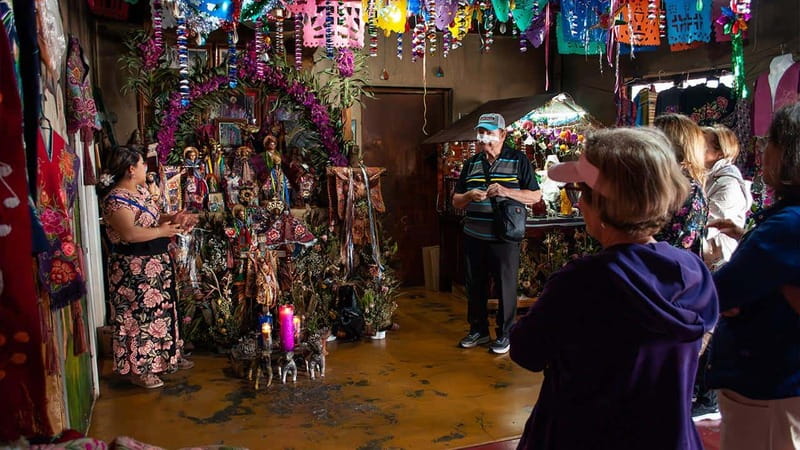
After Chamula, the van ride to Zinacantán takes about 15 minutes. The town is largely Tzotzil Maya, and the visit shifts from public worship to domestic craft and food.
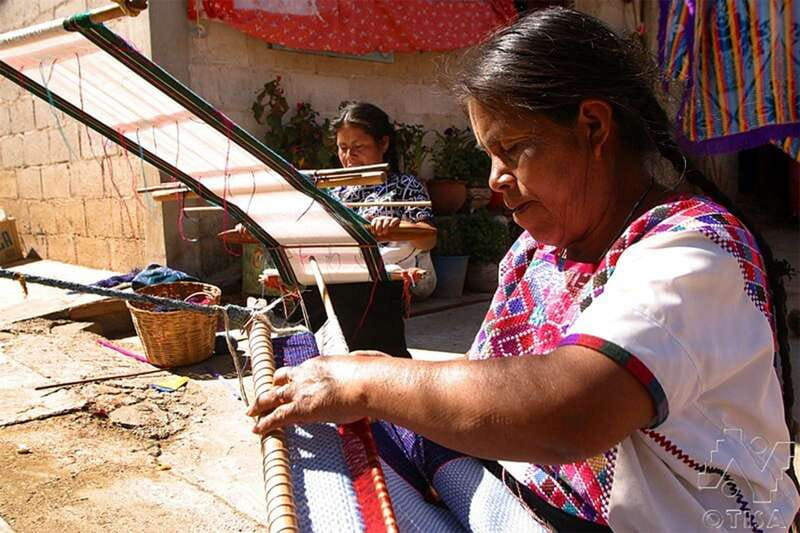
The group visits a church and a family cooperative. At the cooperative, you are welcomed with a regional drink and can watch women work on pre-Columbian waist looms. These looms are compact but highly skilled tools, and the demonstration offers a useful glimpse into how textile work remains tied to family and community life.
The visit also includes time in a kitchen, where you can taste handmade tortillas. Depending on the tour’s exact arrangements, food tastings mentioned by past participants have included cheese and bean tacos, local coffee, and a sample of pox, the regional liquor. Food and drinks are officially not included in the tour price, so confirm what is offered and what requires payment on the day.
This stop can be warm and personal. You may see the women working, sample local food, and look at clothing and textiles made for sale. The direct connection between the craft and the people producing it gives the shopping a more human context than a regular market stall.
Still, you should keep your expectations in check. One person found the weaving demonstration too quick and wanted more explanation. Another felt the cooperative visit became a sales pitch, with pressure to understand why its products were better than those made elsewhere.
Textile prices may also be two or three times higher than prices in town. That does not automatically make the purchase a bad deal. Buying directly from an artisan cooperative can support the makers, and the work may justify a higher price. But you should compare prices if cost matters to you, and never assume that a demonstration means you must buy something.
I like the chance to purchase a locally made textile here, especially if you want a useful object with a clear connection to the place. I would simply decide your budget before entering the shop. That keeps the experience pleasant and helps you judge the work on its own terms.
Same base, a different sort of day:
- Chichen Itza, Cenote, and Valladolid Tour
★ 5.0 · 24,293 reviews - Chichen Itza, Cenote & Valladolid Tour with Tequila and Lunch
★ 4.5 · 15,789 reviews - Teotihuacan, Guadalupe Shrine & Tlatelolco Day Tour with Lunch
★ 5.0 · 11,603 reviews - Cabo Beach Camel Ride, Mexican Buffet and Tequila Tasting
★ 5.0 · 8,815 reviews
Food, pox, coffee, and the small details
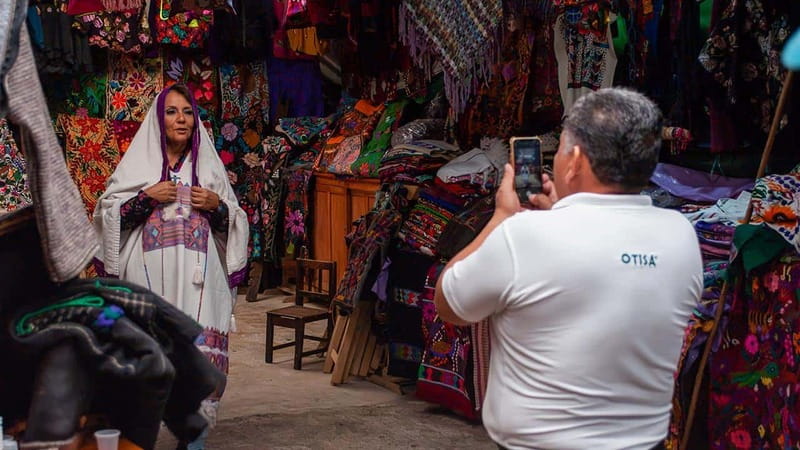
The Zinacantán visit adds flavors that make the cultural explanation easier to remember. Handmade tortillas, beans, cheese, tacos, coffee, and pox have all been part of the experience described by people who took the trip.
Pox is a local alcoholic drink, so ask the guide about the serving before accepting a sample. It is a tasting, not a full meal, and the official details do not promise lunch. If you need a substantial meal, plan to eat before or after the tour.
The tortilla visit is one of the nicest details because it connects the tour to ordinary home life. Seeing a loom is interesting, but tasting a tortilla made in the same setting gives you a stronger sense of how work, food, and family routines fit together.
The coffee and tacos have received particularly warm praise. I would treat those items as welcome extras rather than the main reason to book. The strongest value remains the guide-led access to the two communities and the explanation of what you are seeing.
What the guides add to the experience
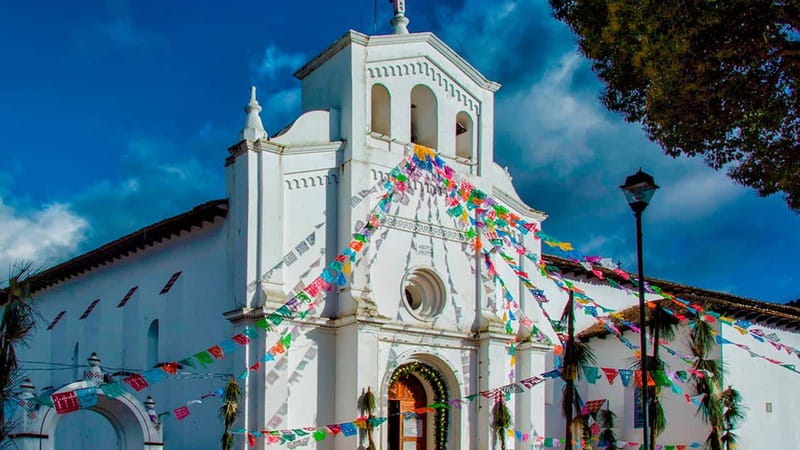
This tour depends more on guiding than on transport. The towns are worth visiting on their own, but the church customs and Indigenous traditions are easy to misunderstand without context.
Miguel has been singled out for clear English, detailed explanations, and a calm manner. Alonso was praised for humor, approachability, and switching between English and Spanish. Another guide, Alfonzo, received praise for his sense of humor and ability to move between languages.
That does not mean every part of the day receives equal attention. Some people found Chamula better explained than Zinacantán. The weaving section, in particular, can be short on interpretation. If you want a long technical lesson about loom construction or textile symbolism, this may not satisfy you.
Still, the strongest guiding feedback is consistent: the best guides take you through the sites, answer questions, and explain customs in a respectful way. That is much better than a tour that gives you a few dates and then leaves you alone.
If you speak Spanish, you may find the bilingual format easy to follow. If you need English, request or confirm an English-speaking guide when booking. The tour is offered in English and Spanish, but the quality of translation can vary by section and by guide.
The real value of a $32 half-day tour
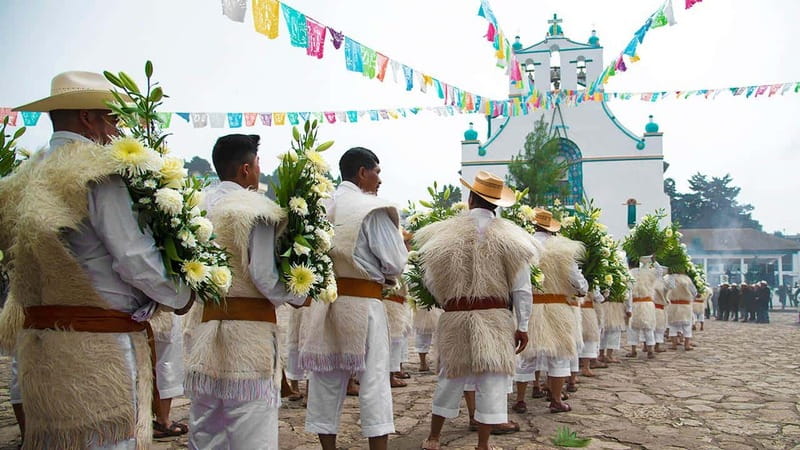
At $32, this is a good-value outing if you want both towns without arranging a taxi, rental car, or separate entrance payments. The air-conditioned minivan and guide make the price easy to justify, especially for a first visit to the area.
The value is not just the number of stops. You are paying for interpretation in a place where respectful behavior and cultural context matter. Without a guide, you could see the church and textiles but miss why they matter.
The price becomes less attractive if your main goal is bargain shopping. The cooperative may charge more than shops in town, and food or drinks are not included. You may also find the weaving demonstration too short for the amount of time spent around the sales area.
For most people, I would view purchases as optional. Book the tour for Chamula, Zinacantán, the church, and the local context. Buy a textile only if you genuinely like it and are comfortable with the price.
Who will enjoy this trip most
I recommend this tour if you want a focused introduction to Indigenous Chiapas and prefer a guide to explain what you see. It suits people interested in religion, local customs, textiles, food, and the daily lives of Tzotzil Maya communities.
It is also a good fit if you have limited time in San Cristóbal. The five-hour schedule leaves room for other plans, while the short van transfers keep the day moving.
Families can join, but children must be accompanied by an adult, and unaccompanied minors are not permitted. The church visit may require more patience from young children because quiet, respectful observation is essential.
You may want to skip it if photography is central to your sightseeing. No cameras or video recording are allowed, particularly in the church, and the trip offers no substitute photo stop. You may also prefer independent visits if you dislike organized shopping or want to spend longer examining textiles.
Practical ways to make the day better
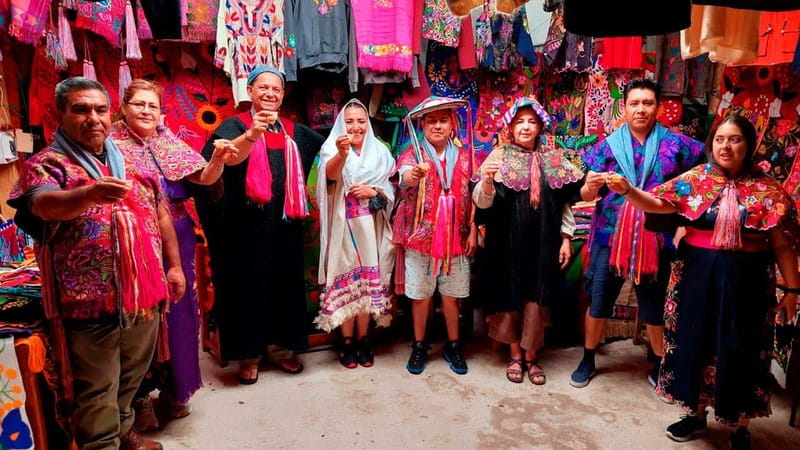
Arrive at Al Grano Café with comfortable shoes and clothes. Bring identification, and dress for changing conditions because the trip operates in all weather.
Listen carefully before entering the Chamula church. The guide can help you understand what is permitted, where to stand, and how to observe without interrupting worship. Do not take photos or record video.
At the cooperative, ask questions about the loom, the textile, and the price. If the demonstration feels brief, use the opportunity to request more explanation rather than assuming the guide will cover every detail.
Carry some spending money for food, drinks, pox, coffee, tacos, or textiles. These extras are not included in the listed price. You do not need to buy anything, so keep your choices separate from the guide’s presentation.
The van transfers are approximate and depend on traffic and time of day. Keep that in mind if you schedule another activity immediately afterward.
Should you book the Chamula and Zinacantán tour?
I would book it if you want a well-priced, guided introduction to two distinctive Tzotzil Maya communities near San Cristóbal. Chamula’s church is the clear highlight, while Zinacantán adds textiles, food, and the chance to support local artisans directly.
Go with realistic expectations. The church is a place of worship, not a performance. The weaving demonstration may be short, and the cooperative can feel commercial. But with a strong guide, the day gives you context, access, and a respectful way to see customs that would be easy to misread on your own.
For $32 and five hours, this is a sensible choice for first-time visitors to Chiapas. If you value photography above all else or dislike shopping stops, think twice. Otherwise, bring curiosity, patience, and a willingness to observe quietly.
FAQ
How long does the tour last?
The tour lasts about five hours, including transportation between San Cristóbal de las Casas, San Juan Chamula, and Zinacantán.
Where does the tour meet?
The meeting point is Al Grano Café at Portal Oriente 9, Colonia Centro, San Cristóbal de las Casas.
How long is the drive to San Juan Chamula?
The drive from the meeting point to San Juan Chamula takes about 25 minutes, although traffic can affect the timing.
How much time do you spend in San Juan Chamula?
The guided visit in San Juan Chamula lasts about one and a half hours.
How much time do you spend in Zinacantán?
The guided visit in Zinacantán lasts about one and a half hours.
Is photography allowed inside the church?
No. Cameras and video recording are not allowed as part of this experience.
What languages are available?
The live guide service is available in English and Spanish.
Is food included in the tour price?
Food and drinks are not included in the listed price. The tour may include opportunities to taste items such as tortillas, coffee, tacos, or pox, but you should be prepared for additional personal expenses.
Newly listed around Mexico
- Ticket to Frida Kahlo Museum on CDMX★ 4.5 · 44 reviews
- Epic Centro Histórico Walking Tour★ 5.0 · 77 reviews
- Eat Like A Local By The Taco Mensch★ 5.0 · 55 reviews
- Eat and Explore Local Markets in Mexico City★ 5.0 · 83 reviews
- Ticket for the Frida Kahlo Museum★ 3.5 · 67 reviews
- Authentic Lucha Libre Tour : Wrestling School, Tacos & Mezcal★ 5.0 · 162 reviews
- Express Tour to Teotihuacan Pyramids. Be the first to arrive!★ 4.5 · 62 reviews
- Small Group: The Magical Colonial Towns of Taxco and Cuernavaca★ 4.5 · 46 reviews
San Cristobal de las Casas Tours, compared.

San Cristóbal: Canyon, Viewpoints & Chiapa de Corzo Tour
Read our review →
San Cristóbal: Agua Azul, Misol Ha & Palenque Experience
Read our review →
Sumidero Canyon and Chiapa de Corzo Tour Compartido
Read our review →
From San Cristobal: Sumidero Canyon & Chiapa de Corzo Tour
Read our review →
From San Cristóbal: Agua Azul and Palenque Day Trip
Read our review →
Montebello Lakes and Chiflon Day Tour from San Cristobal
Read our review →
Sumidero National Park Full-Day Trip from San Cristobal
Read our review →
San Cristobal: Sumidero Canyon, Chiapa de Corzo, & Miradores
Read our review →Browse the lists this tour appears in