Reviewed · CANCUN TOURS
Isla Mujeres: Snorkel Tour at Musa and Manchones Reef
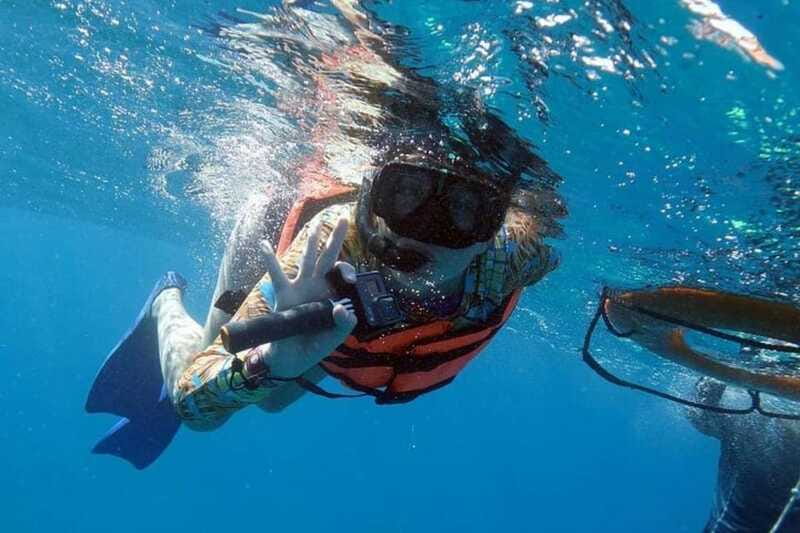
Underwater statues make this reef trip memorable. I like the chance to swim through MUSA’s sculpture gallery and then see real coral and marine life at Manchones Reef. I also like how guides such as Lalo, Kelo, Salvador, Lidia, and Bruno have helped nervous beginners feel at ease. The main catch is the sea: wind and waves can make the museum harder to see, and the required life vest limits how freely you can move.
This four-hour outing with Pocna Dive Center costs $50 per person, plus $15 in cash for national park and dock fees. That makes the real cost $65, still a fair price for equipment, two snorkel areas, a boat trip, and fruit, cookies, and water. Just remember that conditions matter more than the brochure suggests.
In This Review
- Key points to know before you book
- What the four-hour outing is really like
- MUSA: an underwater gallery with a Caribbean twist
- Manchones Reef brings the wildlife
- Clear water, but not always calm water
- How Pocna’s guides shape the experience
- Life vests and snorkeling comfort
- Snacks, equipment, and the $65 real cost
- Who should book this Isla Mujeres snorkel trip?
- Practical advice for a better morning
- Should you book it?
- FAQ
- How long is the Isla Mujeres snorkel tour?
- What languages do the guides speak?
- Is snorkel equipment included?
- Are food and drinks provided?
- How much are the national park and dock fees?
- Can I cancel for a full refund?
Key points to know before you book
- MUSA is best for unusual views: The underwater museum places large sculptures on the seabed, creating a man-made gallery among the fish.
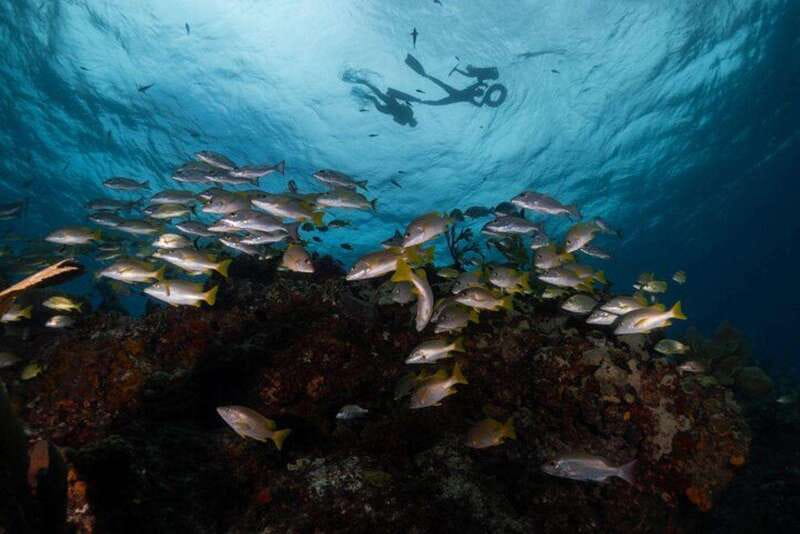
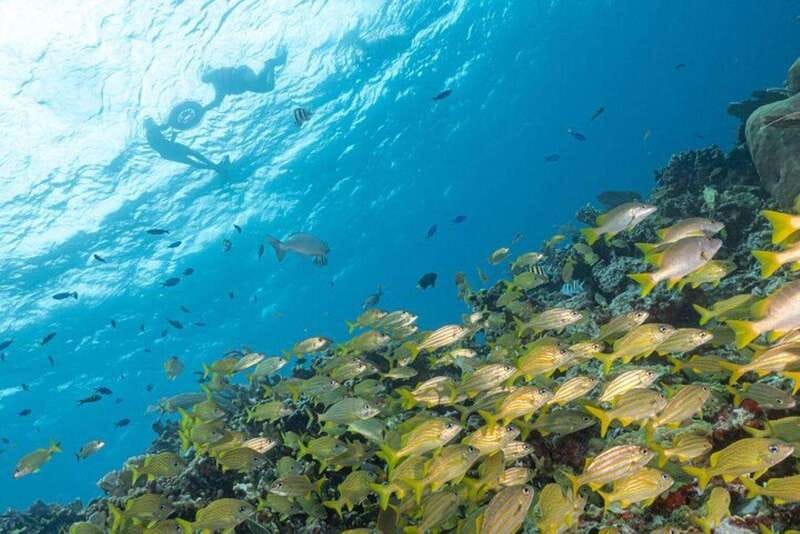
- Manchones adds the natural side: You can see coral, schools of fish, turtles, stingrays, barracudas, parrotfish, and triggerfish when conditions cooperate.
- Beginners receive strong support: Guides have used float rings, stayed close, and let first-timers set their own pace.
- The water is usually clear: The listed maximum depth is 8.5 meters, with minimal currents in favorable conditions.
- Weather can change the experience: Rough water may make snorkeling uncomfortable or reduce visibility at the museum.
- Bring cash: You need $15 on-site for national park and dock fees, in addition to the tour price.
What the four-hour outing is really like
This is a half-day water trip built around two different underwater experiences. The first is MUSA, the Museo Subacuático de Arte, where sculptures rest below the surface. The second is Manchones Reef, where the focus shifts from art to fish, coral, and the wider marine setting.
The order and exact timing can depend on sea conditions. Pocna Dive Center provides the snorkel equipment, and the guides speak Spanish and English. You should expect a practical, active outing rather than a leisurely boat cruise. Much of the time is spent in the water, with a short refreshment break between or around the snorkel stops.
The stated depth reaches 8.5 meters, or roughly 28 feet. That is manageable for a supervised snorkel, but it is deeper than some first-timers expect. You may see the sculptures clearly from above, though you should not assume every detail will be easy to make out.
A few more Cancun runs worth comparing
- Chichen Itza, Cenote, and Valladolid Tour
★ 5.0 · 24,293 reviews - Chichen Itza, Cenote & Valladolid Tour with Tequila and Lunch
★ 4.5 · 15,789 reviews - Cancun: Chichen Itza, Cenote & Valladolid Tour with Lunch
★ 4.6 · 6,722 reviews
MUSA: an underwater gallery with a Caribbean twist
MUSA is the tour’s most distinctive stop. Instead of looking at statues in a museum room, you float above a series of human figures and scenes placed on the seafloor. Every few meters can bring a different sculpture, so the experience has a sense of discovery even though the route is compact.
The statues are not simply decorations. They are arranged underwater as part of an artificial reef setting, with marine life moving around them. Fish can pass through or beside the sculptures, while coral growth adds a softer, changing layer to the hard concrete forms.
I would set your expectations carefully. The museum is unusual and photogenic, but it is not always easy to inspect closely from the surface. One person found the statues difficult to see because they sit around 30 feet down, while another noted that life vests make it harder to swim downward. The vest requirement comes from local authorities, not Pocna Dive Center.
That means MUSA works best as a broad underwater scene rather than a museum where you study every face and detail. On a calm, clear day, the effect can be excellent. In choppy water, you may spend more time keeping your mask clear and your position steady than admiring the sculptures.
Your guide makes a real difference here. Lalo has been praised for swimming down to point out statues and sea life. Other guides have also taken time to show the group what is below rather than simply leading everyone from one location to the next. If you are new to snorkeling, stay near the guide so you do not miss the smaller details.
Manchones Reef brings the wildlife
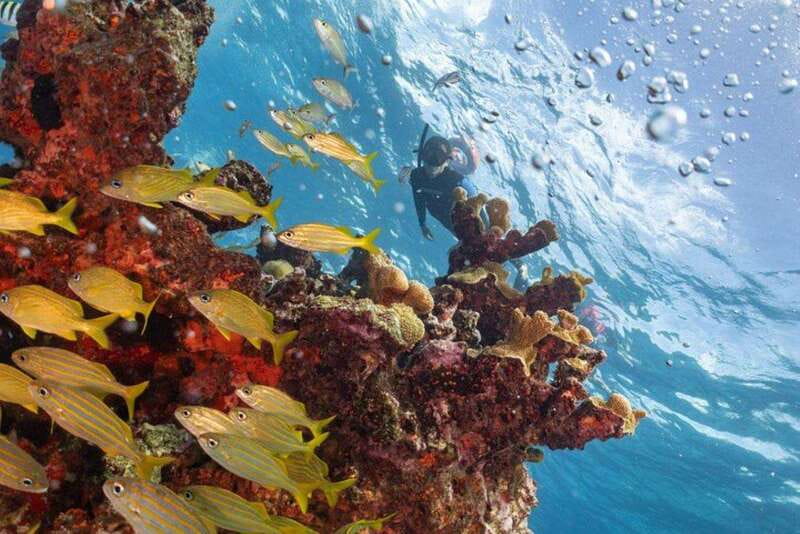
Manchones is the more natural part of the trip. Here, you are looking across coral formations and open water rather than a planned collection of sculptures. The setting can feel more alive because fish move through the reef in every direction.
The marine life reported on this route is impressive for a four-hour snorkel. You might see colorful reef fish, parrotfish, triggerfish, barracudas, stingrays, and sea turtles. One outing included a shark, several rays, three turtles, and large groups of fish. These sightings are never guaranteed, but the range gives you a good idea of what can appear in the area.
The reef also rewards patience. I would not treat this as a race from one sighting to the next. Let your eyes adjust, follow the guide’s signals, and look around the coral rather than only straight ahead. A guide who knows the area can point out fish that you might swim past on your own.
Several guides have earned praise for doing exactly that. Navi was especially good at identifying marine life, while Lalo was described as attentive and careful about keeping the group together. That matters in open water, where it is easy to drift away while watching a turtle or a ray.
Manchones may be the stronger stop if your main goal is wildlife. MUSA supplies the unusual setting, but the reef supplies the natural drama. If the museum is hard to see because of wind, the reef can still provide a satisfying snorkel.
Clear water, but not always calm water
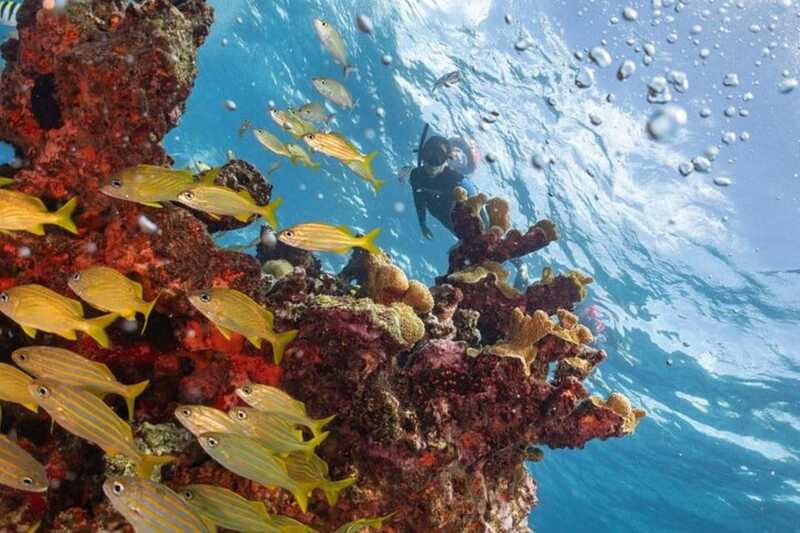
The tour description highlights clear turquoise water, limited currents, and good visibility. Those are valuable conditions for a beginner because you can see where you are going and keep track of the group more easily.
Still, clear does not mean flat. One person found the water too wavy for a partner to snorkel comfortably. Another outing was affected by strong wind and rough seas. Weather can also make MUSA less rewarding, since moving water makes it harder to hold your position and look down at the statues.
I would choose a calm day if you have flexibility. The activity is possible for beginners, but you should be honest about how comfortable you are in open water. If you are prone to seasickness, rough waves may be the biggest issue, not the snorkeling itself.
The guides appear to handle this with care. Lalo provided a life ring when a participant became uncomfortable in strong waves, and Danny, the captain, helped someone in and out of the water when conditions were rough. Kelo and Salvador offered a float option for a nervous first-timer, allowing her to build confidence before swimming independently.
That kind of support is especially useful because you do not need to be an experienced snorkeler for this tour. You do need to tell the crew what you need. Stay close, use the float if offered, and do not feel pressured to keep up with the strongest swimmers.
Same base, a different sort of day:
- Early morning Chichen Itza Tour: Cenote and Tequila Tasting
★ 5.0 · 6,657 reviews - Private Roundtrip Transportation from Cancun Airport to Cancun Hotel Zone
★ 5.0 · 5,086 reviews - Cancun ATV Jungle Adventure, Ziplines, Cenote and Tequila Tasting
★ 4.5 · 4,873 reviews - Viator Exclusive: Tulum Ruins, Reef Snorkeling, Cenote and Caves
★ 5.0 · 4,242 reviews
How Pocna’s guides shape the experience
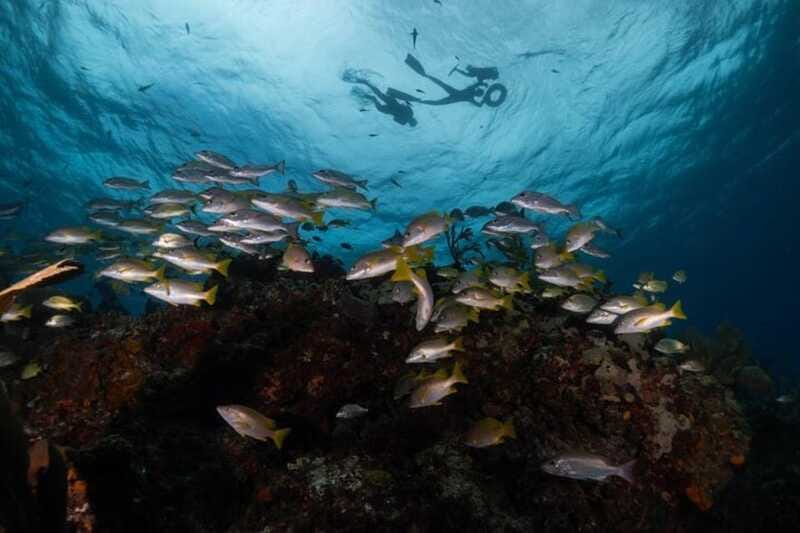
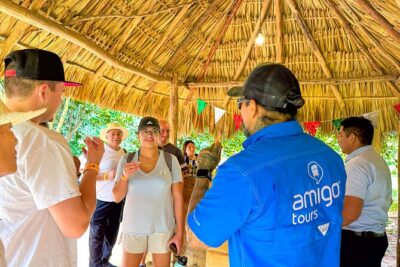
The clearest strength of this outing is the crew. The names that come up repeatedly include Lalo, Kelo, Salvador, Lidia, Bruno, Navi, David, and Tito. The specific guide you meet will vary, but the pattern is consistent: friendly supervision, clear explanations, and attention to different skill levels.
For a first snorkel, that can turn a worrying morning into a good memory. Lidia was praised for patience and clear instructions. Kelo and Salvador reassured a nervous participant before entering the water and allowed her to progress slowly. David and Tito helped a first-time snorkeler spot plenty of wildlife.
The best guides do more than point toward fish. They watch the group, signal when something interesting appears, and check that everyone remains comfortable. That practical attention is more important than a long speech about the reef.
The bilingual service also helps. Spanish and English are both offered, so you can ask questions and receive safety instructions in one of the two listed languages. If you need help with your mask, flotation, or pace, speak up before the boat reaches the first site.
Life vests and snorkeling comfort
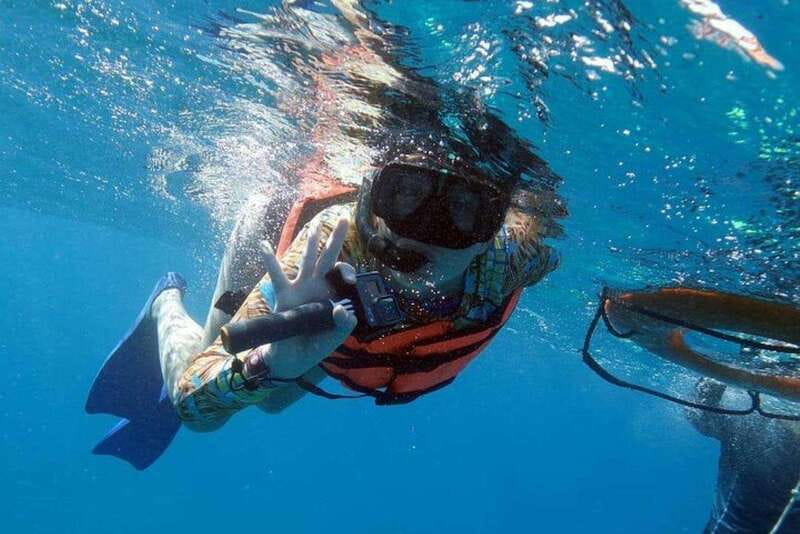
You should expect to wear a life vest. This is required by the government, according to the tour information, and it affects how you move in the water. You may not be able to swim down for a closer look at a statue, even if you are comfortable holding your breath.
For beginners, the vest is a benefit. It keeps you buoyant and can reduce anxiety when you are far from shore. For experienced snorkelers, it may feel restrictive, especially at MUSA where the sculptures are below you.
This is one of the few clear limits of the experience. If your priority is unrestricted underwater movement, this is not the right format. If your priority is a supervised look at the museum and reef, the vest is a reasonable trade-off.
The tour is not suitable for people with mobility impairments. Getting into and out of the boat and managing the water entry require physical ability, and the operator does not list an adapted option.
Snacks, equipment, and the $65 real cost
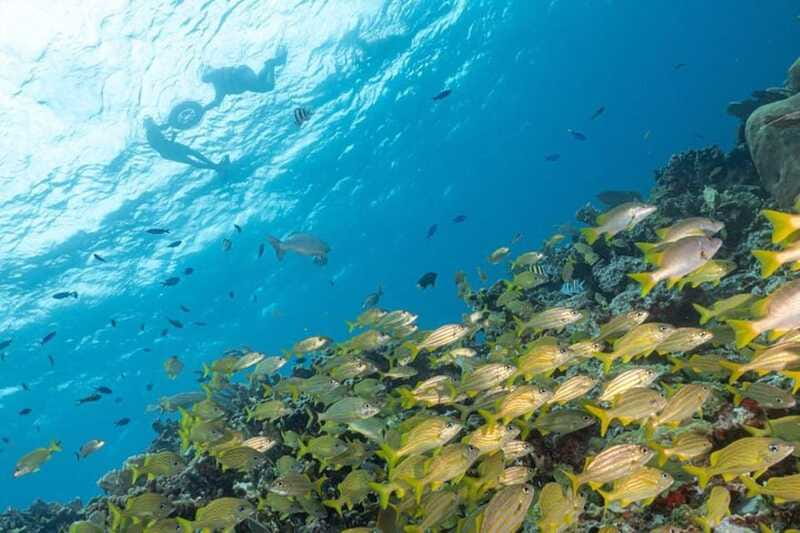
The advertised price is $50 per person, but you should budget $15 more for national park and dock fees. Those fees are paid on-site in cash and support marine protection and reef care. Bring cash before you arrive, since this is the one extra charge clearly required by the operator.
At a total of $65, the value is solid if you want both MUSA and Manchones in one half-day. Snorkel equipment is included, so you do not need to purchase or rent a mask and fins separately. Cookies, fruit, and water are also provided during the break.
The refreshments are simple, not a full meal. Think of them as a useful pause after time in the water. Watermelon, cookies, fruit, and drinking water can make a difference when you have been swimming under the sun, but eat breakfast first.
The strongest part of the value is the guidance. You are paying for access to two sites, but also for a crew that can locate sea life, monitor the group, and adjust the plan if conditions affect visibility. That is more useful than having equipment alone.
Who should book this Isla Mujeres snorkel trip?
I would recommend it to first-time snorkelers who want structure and reassurance. The float support, bilingual guides, and close supervision make the outing less intimidating than heading out on your own.
It also suits confident snorkelers who want to combine an unusual attraction with a natural reef. MUSA gives you something different to photograph and discuss, while Manchones is the better place to focus on fish and coral.
Families and mixed-ability groups may appreciate the flexible pace, though the physical demands and life vest requirement still matter. The tour is not a good fit if you dislike open water, need fully accessible facilities, or want to spend the day snorkeling in perfectly calm conditions.
It may also disappoint you if you expect to inspect every sculpture up close. The museum is deeper than many people imagine, and wind can reduce the quality of the view. Think of it as floating over an underwater art installation, not walking through a dry gallery.
Practical advice for a better morning
Check the weather before you commit mentally to the museum. The tour can still run in less-than-perfect conditions, but rough water may affect comfort and visibility.
Bring cash for the $15 park and dock fees. You should also arrive ready for several hours around the water, with any personal items you need, since the listed inclusions are limited to snorkel equipment, cookies, fruit, and water.
If you are a beginner, tell the guide immediately. Guides such as Kelo, Salvador, Lidia, and Lalo have shown that they can offer patient help, but they need to know if you are nervous or struggling.
Stay close to the guide at both sites. This improves safety and gives you a better chance of seeing animals and statues that are easy to miss. When a guide points down, look carefully before moving on.
Finally, keep your expectations flexible. The reef is a living place, not an aquarium. You may see turtles, rays, or barracudas, but no operator can promise a particular animal. The clearest reward is the chance to see a mixture of sculptures, coral, and wild marine life in one outing.
Should you book it?
Book this tour if you want a friendly, well-supported introduction to snorkeling near Isla Mujeres, especially if MUSA’s underwater sculptures appeal to you. The guides receive the strongest praise, the equipment is included, and Manchones can deliver excellent wildlife sightings.
Skip it if you need calm water, dislike wearing a life vest, or have mobility limitations. For the best chance of enjoying the museum, choose a day with light wind and remember that the extra $15 fee makes the true price $65. At that cost, Pocna Dive Center offers good value, provided you accept that nature controls the schedule.
FAQ
How long is the Isla Mujeres snorkel tour?
The tour lasts four hours. Check availability for the specific starting time offered on your chosen date.
What languages do the guides speak?
Live guides are available in Spanish and English.
Is snorkel equipment included?
Yes. Snorkeling equipment is included in the tour price.
Are food and drinks provided?
Yes. The tour includes cookies, fruit, and water. These are served as refreshments during the outing, not as a full meal.
How much are the national park and dock fees?
The fees total $15 per person. You must pay them on-site in cash, and they are not included in the $50 tour price.
Can I cancel for a full refund?
Yes. You can cancel up to 24 hours in advance for a full refund. The booking option also allows you to reserve now and pay later.
Newly listed around Cancun
- Tour Isla Mujeres excursion in Collective Transparent Boat★ 5.0 · 61 reviews
- Whale Shark & Manta Ray Snorkel -(May-Sept) Only 10pp per Boat★ 4.5 · 34 reviews
- Isla Mujeres Snorkeling Adventure at the Underwater Museum★ 4.5 · 219 reviews
- Snorkeling in Isla Mujeres and Underwater Museum★ 4.5 · 69 reviews
- Scuba Diving Adventure WITHOUT CERTIFICATION! Try it today!★ 5.0 · 57 reviews
- Snorkel Tour at Musa and Manchones Reef★ 4.5 · 38 reviews
- SPECIAL! Snorkel at MUSA – The Underwater Museum Reservation★ 4.5 · 34 reviews
- PADI Discover Scuba Diving for divers without certification★ 5.0 · 77 reviews
Cancun Tours, compared.
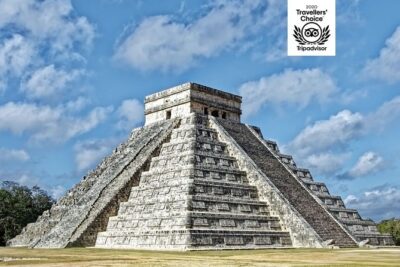
Chichen Itza, Cenote & Valladolid Tour with Tequila and Lunch
Read our review →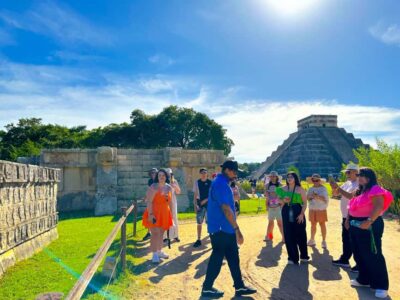
Chichen Itza, Cenote & Valladolid Tour with Lunch
Read our review →
Early morning Chichen Itza Tour: Cenote and Tequila Tasting
Read our review →
Private Roundtrip Transportation from Cancun Airport to Cancun Hotel Zone
Read our review →
Cancun ATV Jungle Adventure, Ziplines, Cenote and Tequila Tasting
Read our review →
Viator Exclusive: Tulum Ruins, Reef Snorkeling, Cenote and Caves
Read our review →