
Reviewed · COOKING CLASSES
Mexico City: Authentic Mexican Cooking Class & Market Tour
Fresh markets, bold sauces, happy cooking. This experience links Mercado de Medellín with a hands-on Mexican meal in a small Roma Norte studio. I like the thoughtful tasting route, from native-corn quesadillas to cacao and unusual insects. I also like that the class keeps everyone involved instead of turning you into a silent audience member.
The main consideration is the price: $204 per person is a serious spend for four and a half hours. Still, the market tastings, full lunch, drinks, recipes, ingredients, and small group make it easier to judge as a full cultural outing rather than just a cooking lesson. Nut allergies, mobility limits, and children under 12 also rule this one out.
In This Review
- Key details before you book
- Starting in a Roma Norte cooking studio
- Walking through Mercado de Medellín
- Turning market lessons into a four-course lunch
- Why the small group makes a difference
- The drink pairing and final meal
- Who will enjoy this most
- Practical planning for your Mexico City day
- Should you book Aura Cocina Mexicana?
- FAQ
- Where does the cooking class meet?
- How long does the experience last?
- Is hotel pickup included?
- How many people can join the class?
- Which languages are available?
- What food is included?
- Are drinks included?
- Who should not book this activity?
Key details before you book
- Mercado de Medellín sets the tone: Walk through Roma Norte’s colorful neighborhood market while learning about native corn, chilis, cacao, fruit, ice cream, and insect foods.
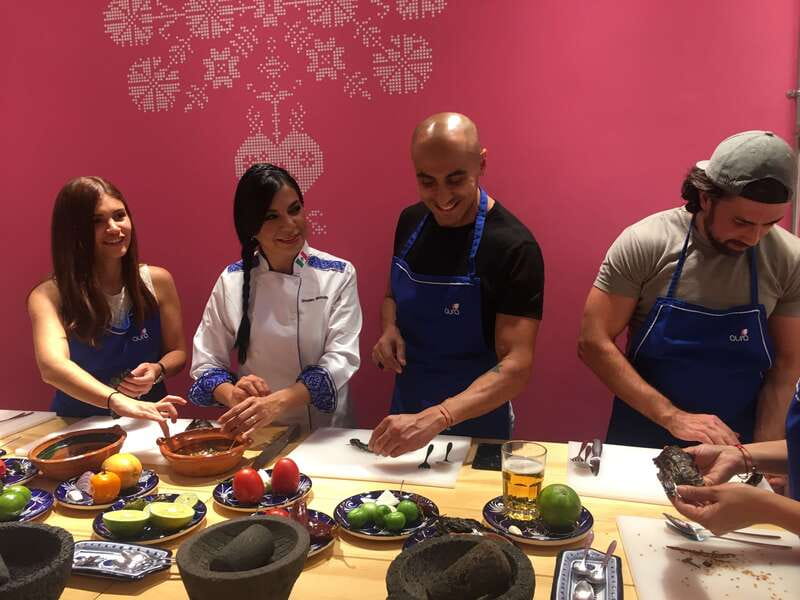
- The group is limited to seven: A small class gives you a real chance to chop, mix, shape, taste, and ask questions.
- The menu reaches beyond tacos: You prepare sopes, Mexican salsas, vegetable mextlapiques, white mole, and pastel de elote.
- Drinks are part of the meal: Expect agua fresca, Mexican craft beer, Oaxacan mezcal, and premium wine from Valle de Parras.
- The teaching is warm and lively: Pame, Mariana, Lorena, and other instructors are praised for their energy, patience, and ability to explain both food and culture.
- Plan your route carefully: There is no hotel pickup, and Medellín’s street numbers are not in order. The studio is at Medellín 191a, between Chiapas and Tapachula streets.
Starting in a Roma Norte cooking studio
Your meeting point is a Mexican contemporary cooking studio in Roma Norte, one of Mexico City’s most appealing areas for wandering, eating, and people-watching. The address is Medellín 191a, but do not rely on the street numbers alone. Medellín’s numbering is irregular, so use the more useful clue: the studio sits between Chiapas and Tapachula streets.
The experience begins indoors with an agua fresca, coffee made from selected Mexican beans, or a special infusion. This is a good pause before the market walk. You get a little time to settle in, meet the group, and hear about the history of Mexican cuisine before ingredients start flying.
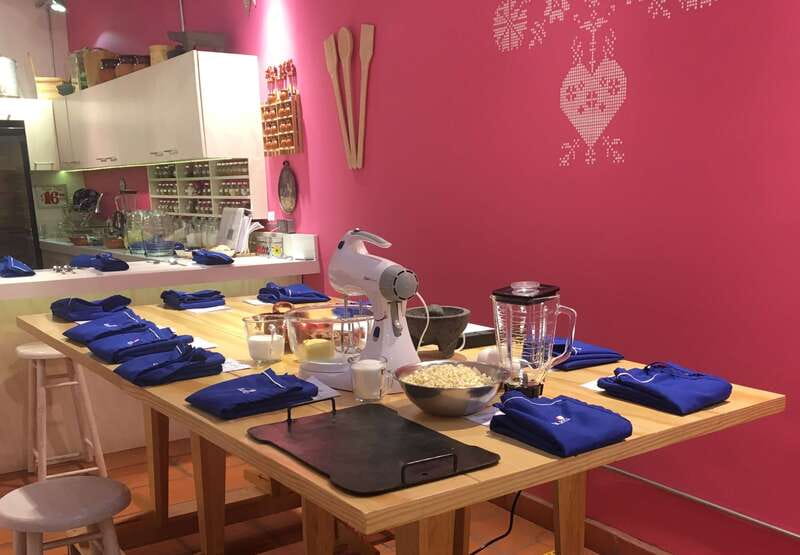
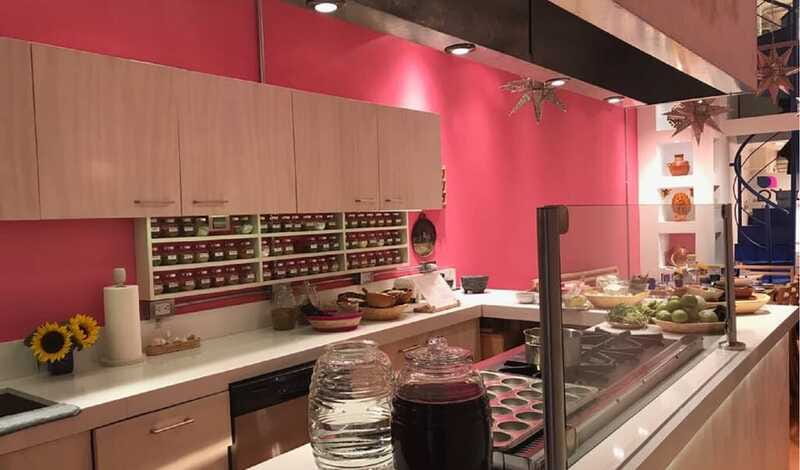
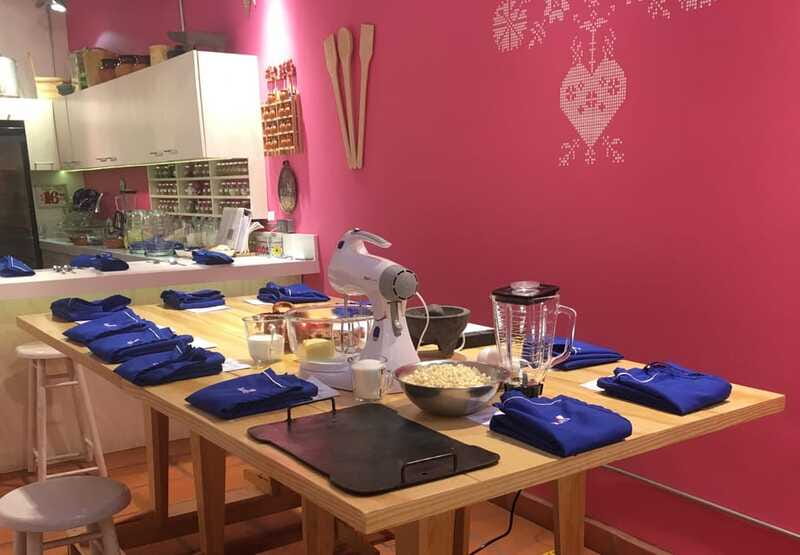
The studio itself is part of the appeal. It is described as intimate and carefully designed, with a polished look that feels more like a pleasant private kitchen than a large culinary classroom. That matters because the group can stay connected. With no more than seven participants, the chef can give each person a task and keep an eye on the cooking.
Several instructors have earned especially warm praise. Pame is described as funny, welcoming, and full of positive energy. Mariana is praised for her easy manner and strong command of the subject, while Lorena is noted for being both a capable chef and an effective teacher. The exact instructor may vary, but the teaching style appears to be a major part of the experience.
More Cooking Classes in Mexico City
- Mexican Cooking Class with Food Market Visit in Mexico City
★ 5.0 · 506 reviews - Essence of Mexico: Authentic Mexican Cooking Class & Market Tour
★ 5.0 · 289 reviews - Mexican Cooking Class & Cocktails in Mexico City
★ 5.0 · 134 reviews
Walking through Mercado de Medellín
The market visit is not a quick stop to buy a souvenir snack. It gives you a working introduction to the ingredients used in Mexican homes and restaurants. You walk from the studio to Mercado de Medellín, one of Roma Norte’s main markets, and learn how its halls are organized, what they sell, and how the neighborhood uses the space.
The best part is the tasting route. At an organic tortillería, you try quesadillas made with native corn while seeing the traditional nixtamalization process. Nixtamalization is the treatment of corn with an alkaline solution, a method that changes its texture and flavor and makes the grain suitable for tortillas and other foods. It is a small technical lesson with a large payoff: you begin to understand why corn is not just a side ingredient in Mexican cooking.
At a chili stand, you learn how different varieties affect a dish. This is especially useful later, when you work with salsa and see how one ingredient can create very different levels of heat and flavor. The class is not simply about surviving spicy food. It helps you notice the difference between heat, fruitiness, smoke, bitterness, and sweetness.
The cacao stop adds another layer. You taste raw cacao and handmade chocolate from Oaxaca. That contrast helps you understand that chocolate in Mexico is not limited to a sweet bar. Its flavor can be earthy, sharp, bitter, or lightly sweet, depending on how it is prepared.
Then comes the more adventurous part: insects. You may taste crickets, chicatana flying ants, and chinicuil worms. The experience does not force you to pretend that every bite is familiar. Instead, it lets you try foods that have long been part of Mexican food traditions and decide what you think. If insects are outside your comfort zone, this is a useful point to know before booking.
The market tastings continue with seasonal native fruits such as mamey, chicozapote, and tuna, followed by handmade ice cream. These stops keep the tour from becoming a lesson in only corn and chilis. You get sweet, sour, creamy, bitter, crunchy, and savory flavors before the cooking even begins.
The market walk is within walking distance, but the experience is not designed for people with mobility impairments. There is no hotel transfer, so you need to make your own way to Roma Norte and arrive at the correct street location.
Turning market lessons into a four-course lunch
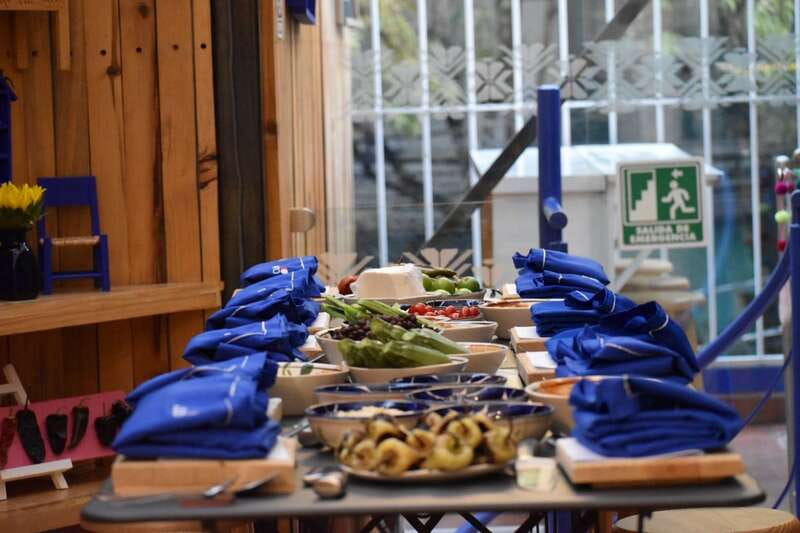
After the market, you return to the studio for the cooking portion. The menu is traditional but not basic. You are not simply assembling guacamole and rolling tortillas. Each course introduces a different cooking method, ingredient group, or regional idea.
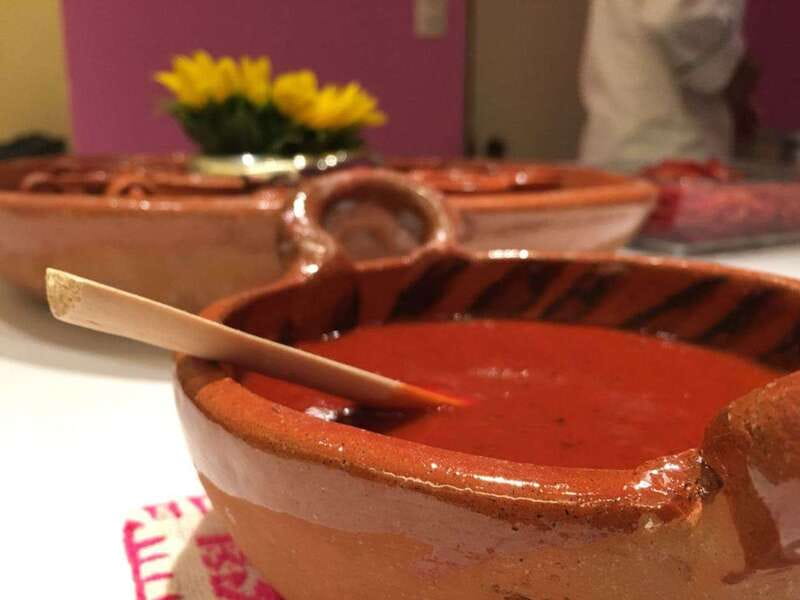
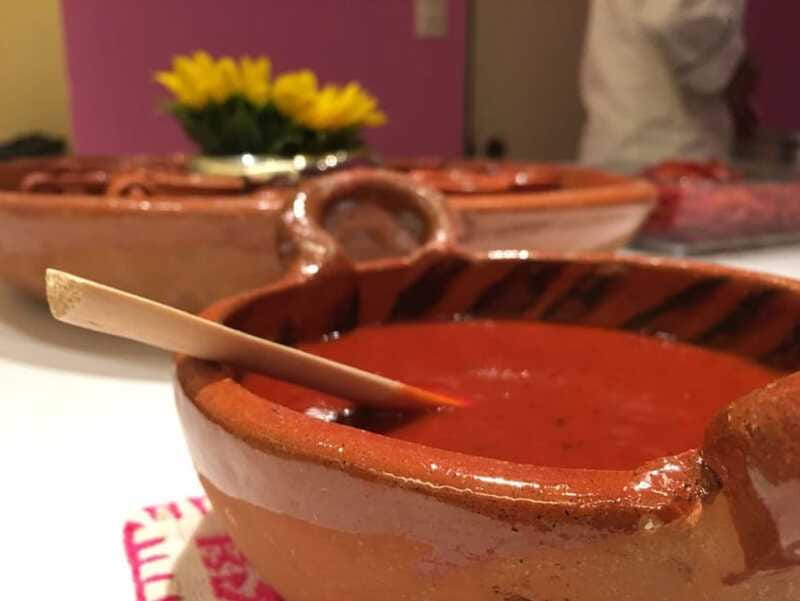
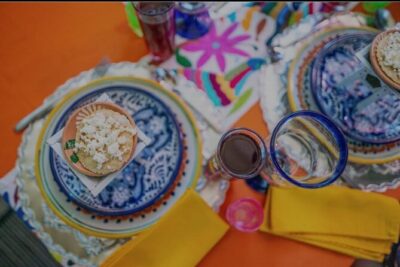
The first course focuses on Mexican antojitos, the small snacks and street foods that form the backbone of casual eating. You prepare sopes and serve them with two salsas: a red molcajete sauce and a green sauce.
This is a smart opening course because it gives you quick, practical wins. You learn how toppings, corn, and salsa work together, and you can compare the two sauces directly. The separate salsa styles also connect back to the chili lesson at the market. You can pay attention to how the same family of ingredients creates different results.
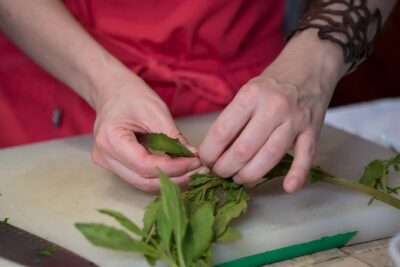
The second course is a vegetable mextlapique, a dish with pre-Hispanic origins. It is similar to a tamal in spirit but does not use masa. Instead, the vegetable filling is wrapped and served with a hierbabuena sauce.
This dish received particularly strong praise for being simple yet full of flavor. That is useful if you want recipes you can actually remember and adapt at home. It also adds variety to the meal. The menu is not built entirely around meat, and the vegetable version lets you focus on herbs, texture, and the wrapper rather than relying on a heavy filling.
The third course is white mole, a traditional dish from central Mexico that is often served at celebrations. Its pale color comes from ingredients such as white pine nuts, almonds, peanuts, blonde raisins, and chile guero. It can be served with chicken, mushrooms, or panela cheese.
White mole is one of the more unusual choices in the class. Many people know mole as a dark, complex sauce, so this lighter version can reset your expectations. You learn how nuts, dried fruit, and chilis can build a sauce without the deep color associated with better-known mole styles.
There is an important practical warning here. The sauce includes several nuts, and the experience is not suitable for people with nut allergies. This is not a minor detail to overlook, since nuts are part of the planned dish.
Dessert is pastel de elote, a Mexican cornbread, paired with water-based chocolate. One participant who normally dislikes cake praised the cornbread as the best part of the meal, which tells you something about its texture and flavor. It is a fitting finish after the morning’s focus on native corn, and it gives the menu a clear thread from market to table.
Why the small group makes a difference
Cooking classes can vary greatly depending on how many people are packed around the counter. Here, the cap is seven participants. That does not guarantee equal time with every pan, but it gives the chef room to divide jobs and include each person.
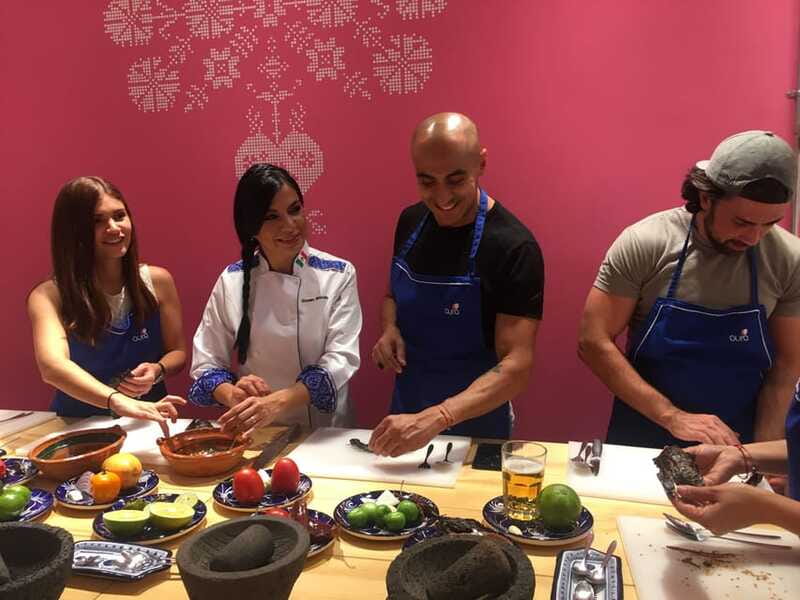
One useful feature is that participants can handle different tasks across the four courses. You might work on a salsa for one course, help with the mextlapique for another, then take part in the mole or dessert. The result is more satisfying than watching a chef perform everything while you stir one bowl.
Several people praised the instructors for making sure no one was left out. That matters if you are not a confident cook. You can ask for help, try something new, and recover from a mistake without feeling as if you are slowing down a large class.
The class also mixes technique with cultural context. You hear about regional differences, older food traditions, the Valley of Mexico, and the history of the Roma neighborhood. One particularly memorable teaching style came from Pame, who connected the dishes to the area’s Colombian heritage and to Mexico’s ancient and modern cultures.
You should still expect an active session. This is not a restaurant meal with a short demonstration attached. You will be involved in preparing the food, and the total experience can run beyond the advertised four and a half hours. If you have a tight afternoon appointment, leave extra room.
Same base, a different sort of day:
- Teotihuacan, Guadalupe Shrine & Tlatelolco Day Tour with Lunch
★ 5.0 · 11,603 reviews - Xochimilco, Coyoacan and Frida Kahlo with Optional Lunch
★ 4.5 · 7,320 reviews - Balloon flight + Breakfast in cave + Pyramids + Pick up CDMX.
★ 5.0 · 6,335 reviews - Teotihuacan pyramids morning or afternoon without tourist traps
★ 5.0 · 6,186 reviews
The drink pairing and final meal
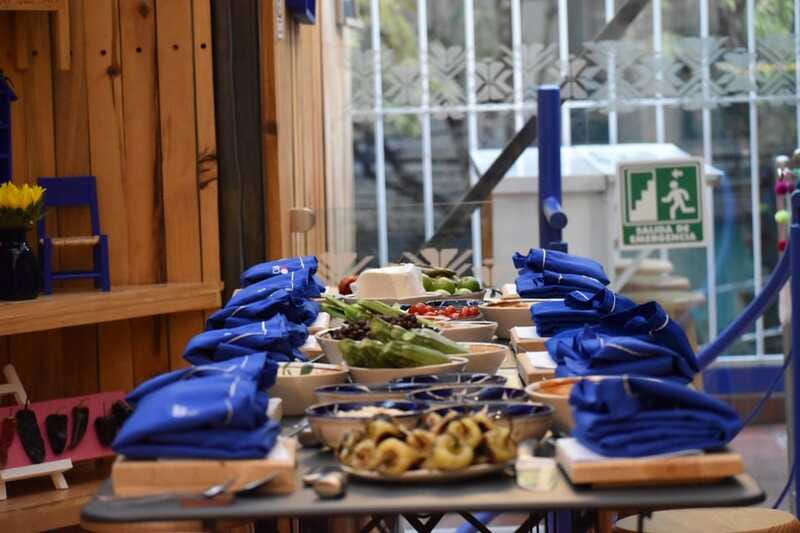
Once the dishes are ready, you sit down to eat the food prepared by the group. The drink pairing begins with agua fresca and can include Mexican craft beer, mezcal from Oaxaca, and premium red or white wine from Valle de Parras.
This selection is generous for a cooking class. The beer can suit the antojitos and salsa, while mezcal gives you a chance to connect Oaxaca’s agave tradition with the wider meal. The Valle de Parras wine adds a less expected Mexican pairing, especially for visitors who associate Mexican drinks only with tequila, beer, or margaritas.
Alcohol is included, but that does not mean you must treat the class as a drinking event. The food remains the center of the experience. If you prefer nonalcoholic drinks, agua fresca is part of the offering, though the available alternatives should be confirmed when booking.
The four-course format also makes the $204 price easier to assess. You are paying for the guide, market tour, tastings, ingredients, printed recipes, lunch, and alcoholic beverages, all within a small group. Compared with a basic market walk or a short demonstration class, this gives you substantially more time and food.
It is still an expensive activity. If your goal is only to learn one salsa recipe, you can find cheaper options. If you want an entire half-day built around Mexican ingredients, food traditions, market culture, and a sit-down meal, the package offers stronger value.
Who will enjoy this most
I would choose this for an adult or older teenager who likes to eat with curiosity and wants more context than a standard food tour provides. The mix of market tasting and cooking works well for someone who wants to understand where ingredients come from before using them.
It also suits nervous cooks. The instructors are praised for being friendly, patient, and encouraging, and the small group helps you gain confidence. You do not need to arrive as an experienced home cook. The point is to take part, taste, and learn.
Food-focused visitors will get the most from the class, especially those curious about native corn, unusual chilis, moles, cacao, seasonal fruit, and pre-Hispanic dishes. It is also a good choice for people who enjoy meeting other participants over a shared meal.
I would skip it if you dislike hands-on activities, have a nut allergy, need step-free access, or are traveling with a child under 12. You should also avoid booking it on a day when you cannot spare more than four and a half hours.
Practical planning for your Mexico City day
There is no hotel pickup or drop-off, so plan your route to Roma Norte before the class. Use the address Medellín 191a together with the cross streets, Chiapas and Tapachula. The street numbers are not sequential, and that detail can save you an unnecessary hunt.
English and Spanish instruction is available. The printed recipes are included, which adds real value if you want to recreate the dishes at home rather than leave with only photographs and a full stomach.
An apron is provided during the class. You still want comfortable clothing suitable for cooking and walking to the market, though no special equipment is required.
The experience is available with reserve now and pay later, and free cancellation is offered up to 24 hours in advance for a full refund. Check the starting time when selecting your date, since the available schedule can vary.
Should you book Aura Cocina Mexicana?
Book this class if you want a complete food experience, not merely a cooking demonstration. The strongest reasons are the well-planned market tastings, the rare chance to make white mole and mextlapiques, the small group, and the warm teaching style associated with instructors such as Pame, Mariana, and Lorena.
At $204, it belongs in the special-occasion part of your Mexico City budget. I think the cost is justified for people who value a full lunch, drinks, recipes, and several hours of personal instruction. I would pass if you want a quick, inexpensive taste of Mexican cooking or if nuts, mobility, alcohol, or younger children are concerns.
For the right person, this is a lively and useful way to connect a neighborhood market with the food on your plate. You leave with recipes, new ingredients to look for, and a better sense of why Mexican cooking is built on much more than a familiar list of tacos and salsa.
FAQ
Where does the cooking class meet?
The meeting point is Medellín 191a in Roma Norte, Mexico City. It is between Chiapas and Tapachula streets. Medellín street numbers are not in sequence, so use the cross streets to help locate the studio.
How long does the experience last?
The stated duration is 4.5 hours. One description of the experience notes that the activity may run beyond five hours, so leave some flexibility afterward.
Is hotel pickup included?
No. Hotel pickup and drop-off are not included. You must make your own way to the cooking studio.
How many people can join the class?
The class is limited to seven participants, making it a small-group experience.
Which languages are available?
The instructor can teach in English or Spanish.
What food is included?
The experience includes market tastings, a four-course lunch, and all ingredients used in the class. The menu includes sopes with two salsas, vegetable mextlapiques, white mole, and pastel de elote.
Are drinks included?
Yes. The included drinks are agua fresca, Mexican craft beer, mezcal from Oaxaca, and premium white or red wine from Valle de Parras.
Who should not book this activity?
The experience is not suitable for children under 12, people with nut allergies, or people with mobility impairments. An apron is provided for use during the class.
More Markets in Mexico City
- Puerto Vallarta Cooking Class Experience with Market Tour
★ 5.0 · 698 reviews - Flavors of Oaxaca: Cooking Class with No Set Menu and Local Market Tour
★ 4.5 · 333 reviews - Taste of the Yucatan: Merida Cooking Class and Market Visit
★ 5.0 · 291 reviews - Mexican Cooking Class with fresh Local Market ingredients selection and transpor
★ 4.5 · 238 reviews
More Shopping Tours in Mexico City
- Teotihuacan without obligatory stops. No shops or restaurants.
★ 5.0 · 527 reviews - Ticket Museum Frida Kahlo and tasting in Coyoacan Market
★ 5.0 · 40 reviews - Cancun Taco Tour, Local Beer and Night Market with Transportation
★ 5.0 · 816 reviews - Cancun Street Food Tour with Food Stalls, Local Market and Murals
★ 5.0 · 723 reviews
Newly listed around Mexico City
- Ticket to Frida Kahlo Museum on CDMX★ 4.5 · 44 reviews
- Epic Centro Histórico Walking Tour★ 5.0 · 77 reviews
- Eat Like A Local By The Taco Mensch★ 5.0 · 55 reviews
- Eat and Explore Local Markets in Mexico City★ 5.0 · 83 reviews
- Ticket for the Frida Kahlo Museum★ 3.5 · 67 reviews
- Authentic Lucha Libre Tour : Wrestling School, Tacos & Mezcal★ 5.0 · 162 reviews
- Express Tour to Teotihuacan Pyramids. Be the first to arrive!★ 4.5 · 62 reviews
- Small Group: Discover Puebla and Cholula from Mexico City★ 4.0 · 38 reviews
Cooking Classes, compared.
Cabo San Lucas Mexican Cooking Class Experience and Local Markets
Read our review →
Puerto Vallarta Cooking Class Experience with Market Tour
Read our review →
Mexican Cooking Class with Food Market Visit in Mexico City
Read our review →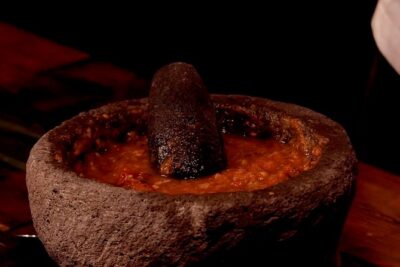
Flavors of Oaxaca: Cooking Class with No Set Menu and Local Market Tour
Read our review →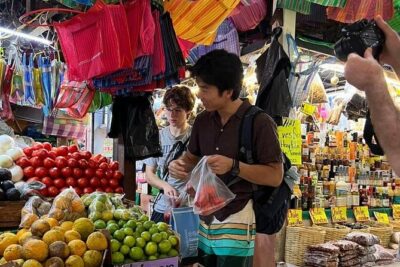
Taste of the Yucatan: Merida Cooking Class and Market Visit
Read our review →
Essence of Mexico: Authentic Mexican Cooking Class & Market Tour
Read our review →Browse the lists this tour appears in