
Reviewed · MEXICO CITY TOURS
Nevado De Toluca: Reach the Summit with Professionals
This is no gentle volcano stroll. Nevado de Toluca gives you serious altitude, broad views, and the chance to climb Mexico’s fourth-highest volcano with guides who pay close attention to safety. I like the small groups, capped at 12, and I like that helmets, poles, lunch, transport, insurance, and mountain fees are included. The catch is clear: the summit route is demanding, with steep rock sections, loose ground, and thin air that can challenge even fit hikers.
You meet at Mercado Michoacán in Mexico City, then spend much of the day moving from city streets to high mountain terrain. Guides such as Alan, Carlos, Sergio, Santiago, Giovanni, and César have earned repeated praise for patience and careful pacing, but you still need proper preparation. This is best for active hikers already adjusted to Mexico City’s altitude, not for a casual day outside town.
In This Review
- Key points to know before booking
- Why Nevado de Toluca feels different from a normal day hike
- From Mercado Michoacán to the mountain road
- The first climb begins at an already high elevation
- Paso del Quetzal brings the real challenge
- The summit and crater lakes reward the effort
- The descent is often harder than expected
- What is included for $162
- Why the small group matters
- Fitness, acclimatization, and health
- Clothing and packing advice that actually matters
- Who should book this climb?
- Is the Nevado de Toluca tour worth booking?
- FAQ
- How high is the summit of Nevado de Toluca?
- How long does the full tour take?
- What equipment is included?
- Is lunch included?
- What should I bring?
- Who should not take this tour?
Key points to know before booking
- The summit reaches 4,680 meters: Altitude, not just fitness, is the main test.
- Paso del Quetzal is the route: Expect rocky ground, steep sections, scrambling, and a slippery descent.
- Small groups improve safety: A maximum of 12 lets guides monitor pace, breathing, and weather.
- The package covers the costly basics: Transport, guide, fees, technical gear, lunch, food, insurance, and a backpack are included.
- Plan for a very long day: The full outing can take about 10 hours, with roughly 2.5 hours of driving each way.
- Weather changes fast: Cold, wind, rain, hail, dust, and strong sun are all possible in one outing.
Why Nevado de Toluca feels different from a normal day hike
Nevado de Toluca is not simply a walk through a forest. The mountain rises to about 4,680 meters, and the tour begins high enough that you are already dealing with reduced oxygen before the serious climbing starts.
That altitude changes the whole day. A slope that would feel easy near sea level can leave you breathing hard here. You may move slowly, take frequent breaks, and find that your usual hiking pace no longer tells you much.
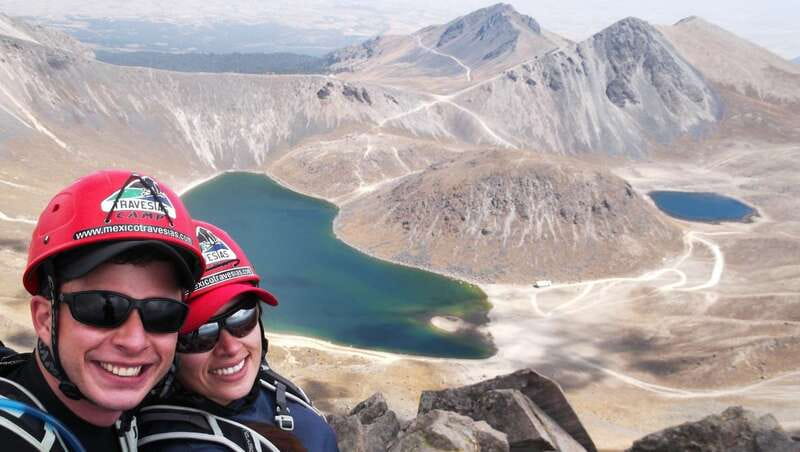
The reward is dramatic scenery. From the high route, you can look across wooded slopes and broad valleys, then see the crater lakes below. The combination of dark volcanic rock, open mountain views, and water inside the crater gives the outing a strong sense of place.
I especially like that the experience is active rather than just scenic. You are not being driven to a viewpoint, taking a photo, and leaving. You have to work for the view, and the mountain gives you plenty of time to feel its scale.
A few more Mexico City runs worth comparing
- Teotihuacan, Guadalupe Shrine & Tlatelolco Day Tour with Lunch
★ 5.0 · 11,603 reviews - Xochimilco, Coyoacan and Frida Kahlo with Optional Lunch
★ 4.5 · 7,320 reviews - Balloon flight + Breakfast in cave + Pyramids + Pick up CDMX.
★ 5.0 · 6,335 reviews
From Mercado Michoacán to the mountain road
The meeting point is at Mercado Michoacán, on the corner of Vicente Suarez and Michoacan, at the benches in front of the market. Read that carefully before leaving your accommodation. The meeting location is specific, and one participant had trouble with the address, although the group waited.
From there, expect a long transfer in a passenger van. The drive to the mountain can take about 2 to 2.5 hours, depending on conditions. The final approach includes winding gravel mountain roads, and the ride can be tight when the van is full.
If you get carsick easily, this is worth considering before you book. The rougher road is part of reaching the trailhead, but it is not the most comfortable part of the day.
The change in scenery is one of the pleasures of the transfer. Mexico City gradually gives way to forest and mountain roads. You will want layers within easy reach, since the temperature at the meeting point and the temperature on the mountain can feel worlds apart.
The first climb begins at an already high elevation
The vehicle takes you to a high parking area, reported by one participant at around 3,800 meters. From there, another shuttle may take you toward the trail start, around 4,100 meters.
That means this is not a hike that begins gently at the foot of a mountain. You are already above the elevation of many major European and North American peaks before you set off on foot.
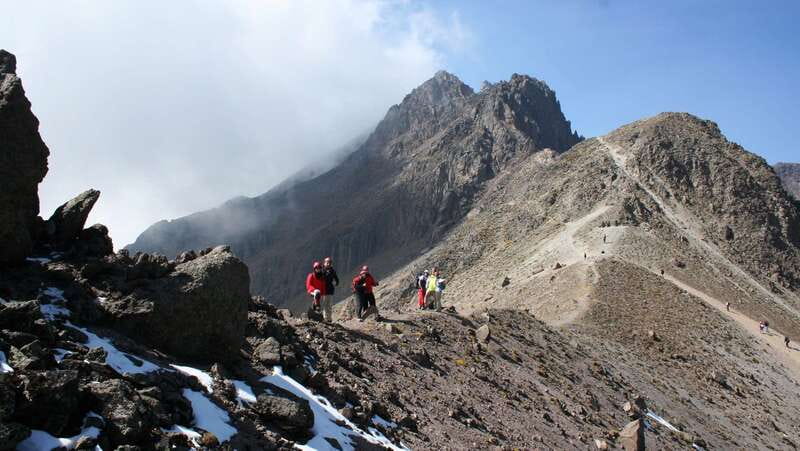
The early walking section follows the sides of the mountain toward the Paso del Quetzal route. You will cross rocky and dusty ground, with open views replacing the shelter of the woods. The pace should be controlled from the beginning. Going too hard early can leave you struggling later.
Guides provide the main safety net here. They check how people are feeling, adjust the pace, and may divide the group if some hikers want to continue and others need a lower route. That flexibility matters. A good mountain day is not only about reaching the highest point. It is also about returning safely.
Paso del Quetzal brings the real challenge
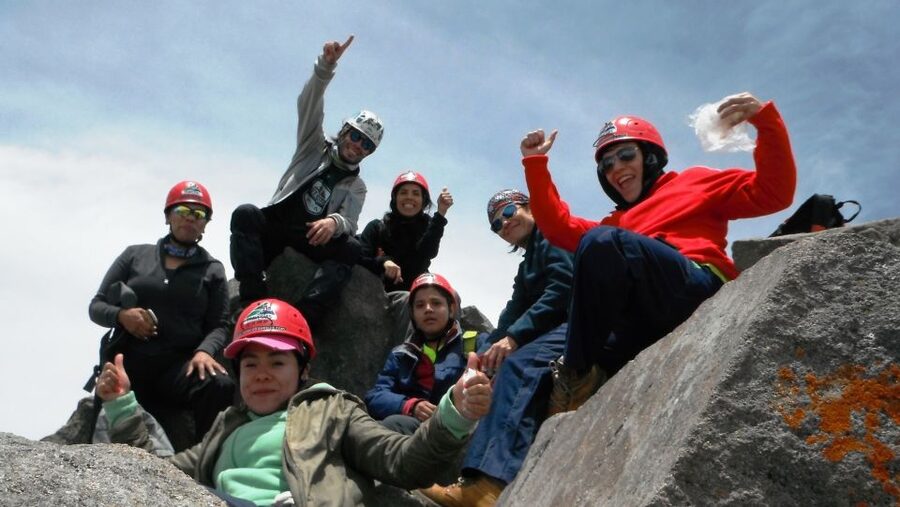
The route to the summit is not just a steady uphill walk. Several accounts describe steep rock sections, scrambling, and a final portion that can feel close to a vertical climb. One detailed account described roughly 200 meters of very steep rock climbing near the peak.
That detail deserves more attention in the tour description. If you are comfortable with hands-on scrambling and exposed-feeling terrain, it can be an exciting finish. If you dislike heights or have no experience on rocky climbs, the final section may feel much harder than the phrase physically fit suggests.
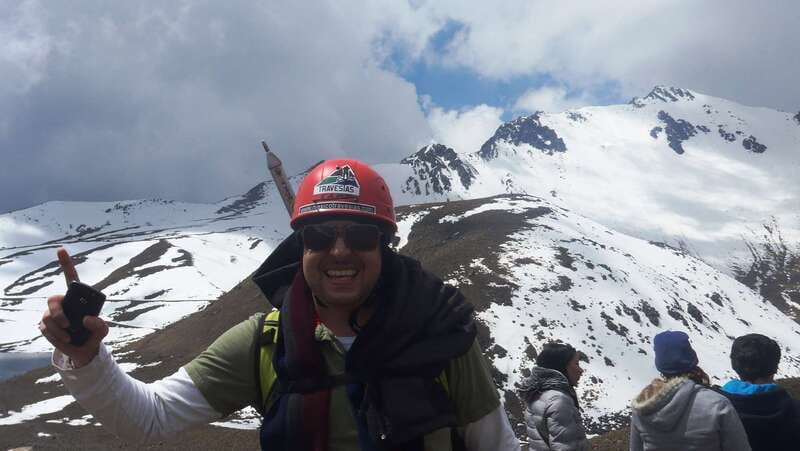
Helmets are provided, and walking poles are part of the technical equipment. Guides help you choose a safe line over the rocks and stay close during the difficult sections. Sergio, Santiago, Ivan, Giovanni, and other guide teams have been praised for focusing on comfort and safety rather than simply pushing everyone upward.
Still, equipment does not remove the physical demands. Bring proper hiking shoes with good grip. Sneakers may be possible for some parts, but loose rocks, dust, and steep descents make them a poor choice for the full route.
Same base, a different sort of day:
- Teotihuacan pyramids morning or afternoon without tourist traps
★ 5.0 · 6,186 reviews - Teotihuacan Early Access Guided Tour with optional Lunch
★ 4.5 · 6,138 reviews - Balloon flight + pick up in CDMX + Breakfast in Cave + Pyramids
★ 5.0 · 5,651 reviews - Balloon Flight + Cave Breakfast + Pick Up from CDMX or We Fly
★ 5.0 · 4,410 reviews
The summit and crater lakes reward the effort
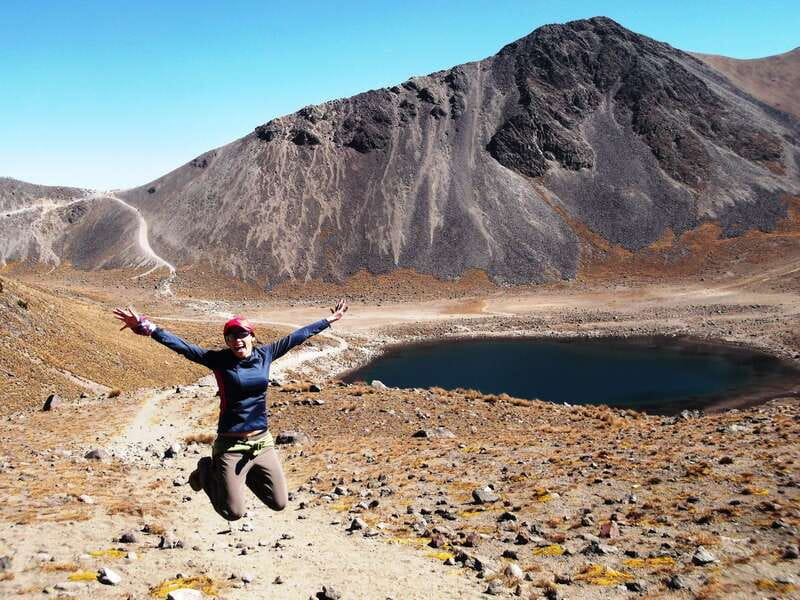
At the top, the views open across the surrounding woods and valleys. The crater lakes are the star of the setting, adding a striking contrast to the high volcanic terrain.
This is the moment when the slow pace and hard breathing make sense. You have climbed through thin air and rough ground to reach a place that feels far removed from Mexico City, even though the capital is where your day began.
Summit access may depend on the group’s pace, weather, and guide judgment. One participant described a firm summit cutoff around 1 p.m., allowing enough time for the descent. Another group turned back when a storm arrived, and the decision was praised as the right call.
That is an important part of the experience. You should not treat the summit as guaranteed at any cost. The guides may offer an alternative route, remain with people who cannot continue, or stop the climb when conditions become unsafe. You may still reach the crater lakes or another high point and have a worthwhile day.
The descent is often harder than expected
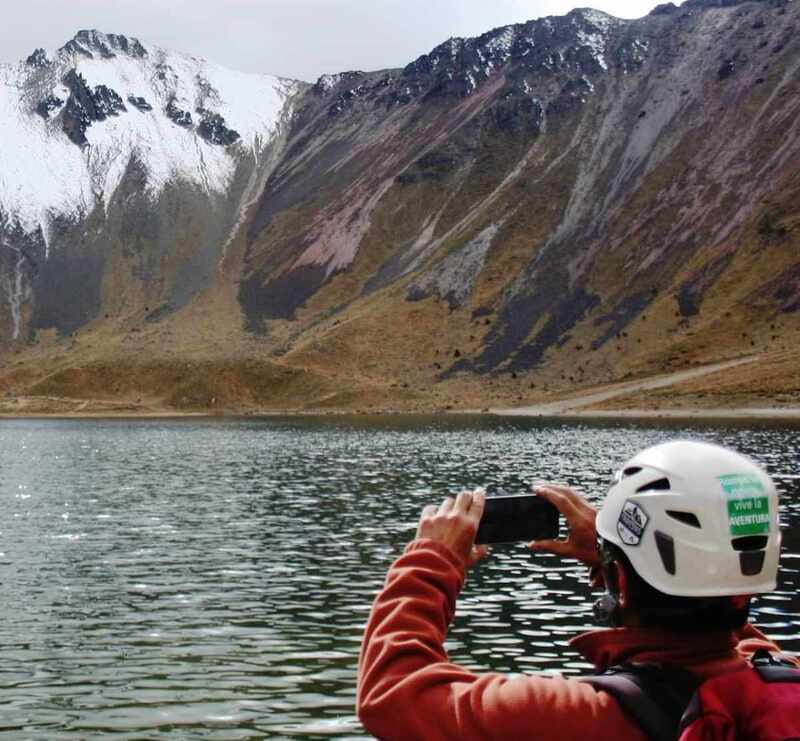
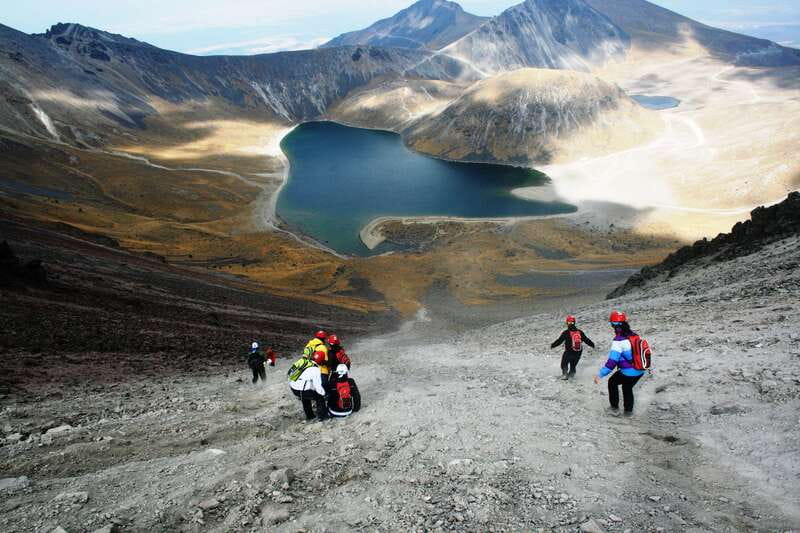
Going down is not a simple cooldown. Loose dust and sand can make the trail slippery, and rocks can roll under your feet. Several people specifically described the descent as difficult, especially without proper boots or poles.
Take your time. Keep your weight controlled and use the poles if they are available. A mask or buff can help with dust on the way down, particularly when several people are moving along the same dry section.
The guides’ role is especially valuable here. They can point out safer footing, help with awkward rock steps, and notice when someone is becoming too tired to continue. The strongest praise for this tour goes to the guides’ patience. Alan is repeatedly described as encouraging, while Carlos, Giovanni, Bernardo, César, and others are praised for staying attentive to individual ability.
You should expect the hike to take several hours. Reported distances range from a little over 5 miles to roughly 7 to 11 kilometers, depending on the route and group pace. The exact distance is less important than the terrain and altitude, which make the outing feel longer than the numbers suggest.
What is included for $162
At $162 per person, this is not the cheapest way to see a mountain. But the price covers more than a guide walking beside you.
The package includes:
- Transportation
- Professional guide
- Mountain fees
- Technical equipment
- Lunch and food
- Insurance
- Use of a backpack
The included equipment generally covers items such as helmets and walking poles. A backpack with water, a sports drink, sandwiches, chocolate, and other snacks has been provided on some outings. Because one participant found that poles were limited or only minimally available, I would confirm the exact equipment setup before departure and still bring your own water capacity if possible.
The value comes from logistics. You do not need to arrange transport to a remote mountain, pay park or mountain fees separately, hire a guide at the trailhead, or figure out the route on your own. You also have a professional team making decisions in changing weather and at high altitude.
Lunch and food are included, but alcoholic drinks are not. Some groups have enjoyed a taco or dinner stop on the return journey, but you should not count on an evening meal unless the operator confirms it for your date.
Free cancellation up to 24 hours before departure and a reserve-now, pay-later option add useful flexibility. Those policies do not make the climb easier, but they reduce the risk of committing too early when your schedule or weather plans are uncertain.
Why the small group matters
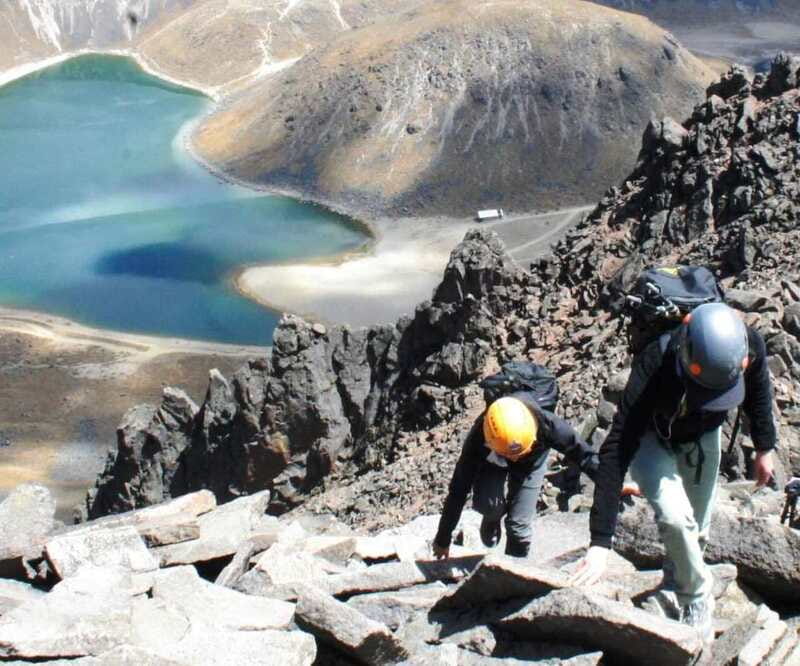
The group limit is 12 people, though some departures have been smaller. That is a good size for a mountain outing.
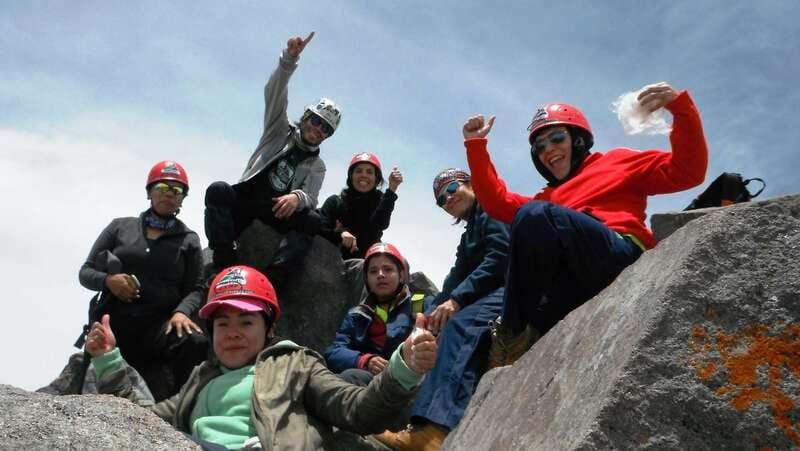
A large group can spread across the trail and make it hard for one guide to track everyone. With fewer people, guides can monitor breathing, energy, pace, and confidence on the rocky sections. If someone cannot summit, the group can be managed more safely instead of leaving that person to struggle alone.
The guide teams also seem to divide responsibilities well. One guide may accompany hikers continuing toward the summit while another stays with those descending or taking an alternate route. That arrangement lets you make a sensible decision without feeling that you are abandoning the group.
Do not assume a small group means a private experience. You may still share the van and trail with people from several countries, and the group’s pace can affect your day. If one person needs more time, the summit schedule may change.
Fitness, acclimatization, and health
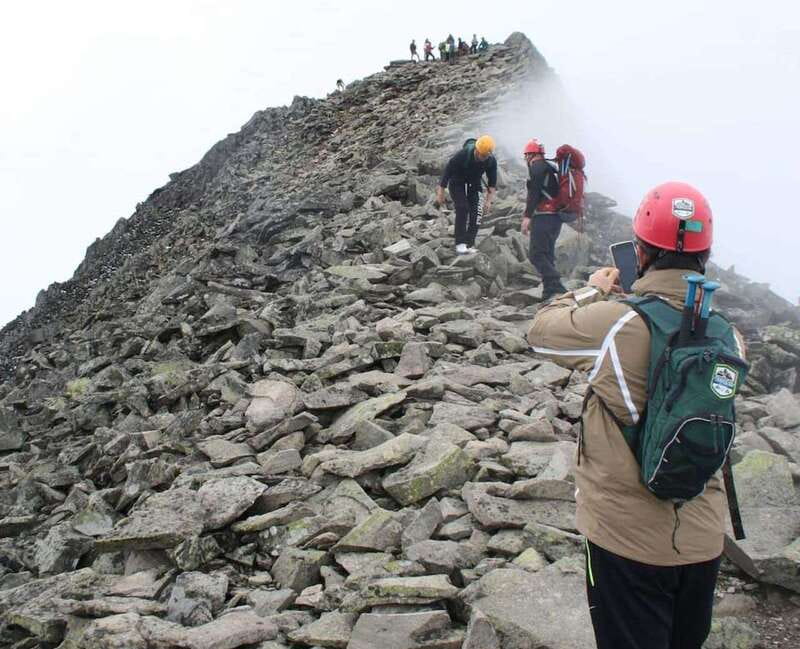
You should exercise regularly before booking. The experience is specifically recommended for people who work out, and the altitude makes this a demanding outing even for healthy hikers.
Acclimatization is just as important as fitness. Several participants arrived in Mexico City from much lower elevations and found that one night was not enough. Headaches, shortness of breath, exhaustion, and altitude sickness can appear even when you are strong on ordinary trails.
Spend time at Mexico City’s elevation before attempting the climb. Mexico City sits at roughly 2,240 meters, while the summit reaches 4,680 meters. That is a major increase in a single day.
Do not hide symptoms to reach the top. Tell your guide if you have a headache, unusual shortness of breath, dizziness, or a sudden drop in energy. The guides have shown good judgment in turning groups around when storms or altitude problems made the summit unsafe.
The outing is not suitable for pregnant women or people with back problems, mobility impairments, respiratory issues, epilepsy, or haemophilia. If you have another medical concern, get professional medical advice before booking.
Clothing and packing advice that actually matters
The mountain can be cold, windy, wet, dusty, and bright. Conditions may change quickly, so pack for several types of weather rather than trusting the forecast in Mexico City.
Bring:
- Hiking shoes or boots with solid grip
- Sunglasses
- Gloves
- Warm, weather-appropriate layers
- Rain gear
- Comfortable clothing
- A change of clothes
- A towel
- Extra water capacity
- A small amount of cash for the trailhead bathroom
A water bladder can be more convenient than repeatedly reaching for a bottle. Bring more water than you think you need if the operator allows it, especially because altitude and exertion increase your need to drink.
Gloves are not optional luxury items for the rocky summit section. They protect your hands while scrambling and help in cold wind. A change of clothes is useful after a long day in dust, rain, or hail.
The trailhead bathroom costs 10 pesos, so carry small cash. It is a tiny detail, but remote mountain stops are exactly where a few pesos matter.
Who should book this climb?
I would recommend Nevado de Toluca to active hikers who want a demanding day in nature without arranging a full mountaineering trip. It is a strong choice if you are staying in Mexico City and want something far more memorable than another city excursion.
You will probably enjoy it if you:
- Exercise regularly
- Have hiking experience
- Are comfortable with steep, rocky ground
- Have adjusted to Mexico City’s elevation
- Can handle a long day with an early start
- Do not mind a bumpy mountain drive
- Want professional support and included equipment
I would not choose it if you want an easy scenic walk, dislike winding roads, feel uneasy scrambling over rocks, or are arriving from sea level immediately before the tour.
Families need to judge carefully. One guide helped a six-year-old attempt the summit, but the terrain and altitude remain serious. The tour is not presented as a family-friendly outing, and the listed health restrictions should be taken seriously.
Is the Nevado de Toluca tour worth booking?
For the right person, yes. The $162 price is reasonable because it combines transport, mountain access, guides, gear, food, insurance, and a small group. The professional support is the main reason to book this rather than attempting the route alone.
Book it if you want a real physical challenge and are prepared for 4,680 meters, steep rock, loose dust, sudden weather, and a possible change of plan. Give yourself time to adjust to Mexico City first, bring proper footwear and warm layers, and accept that the guide may turn you around.
The best feature is not only the view from the top. It is having guides who can help you decide how far you should go. That makes this a safer and more practical way to experience Nevado de Toluca, provided you respect the mountain.
FAQ
How high is the summit of Nevado de Toluca?
The summit reaches 4,680 meters above sea level. The altitude makes this a demanding climb, even for people who exercise regularly.
How long does the full tour take?
It is a one-day experience. The full outing can last about 10 hours from pickup to drop-off, including roughly 2 to 2.5 hours of driving each way and several hours of hiking.
What equipment is included?
Technical equipment is included, along with the loan of a backpack. Helmets and walking poles have been provided on departures, but you should confirm availability and bring suitable hiking shoes.
Is lunch included?
Yes. Lunch and food are included in the package. Alcoholic drinks are not included.
What should I bring?
Bring sunglasses, hiking shoes, comfortable clothes, gloves, rain gear, weather-appropriate layers, a towel, and a change of clothes. Extra water capacity is also a sensible choice.
Who should not take this tour?
The tour is not suitable for pregnant women or people with back problems, mobility impairments, respiratory issues, epilepsy, or haemophilia. It is also not recommended for people who are unprepared for strenuous exercise at high altitude.
Newly listed around Mexico City
- Ticket to Frida Kahlo Museum on CDMX★ 4.5 · 44 reviews
- Epic Centro Histórico Walking Tour★ 5.0 · 77 reviews
- Eat Like A Local By The Taco Mensch★ 5.0 · 55 reviews
- Eat and Explore Local Markets in Mexico City★ 5.0 · 83 reviews
- Ticket for the Frida Kahlo Museum★ 3.5 · 67 reviews
- Authentic Lucha Libre Tour : Wrestling School, Tacos & Mezcal★ 5.0 · 162 reviews
- Express Tour to Teotihuacan Pyramids. Be the first to arrive!★ 4.5 · 62 reviews
- Small Group: The Magical Colonial Towns of Taxco and Cuernavaca★ 4.5 · 46 reviews
Mexico City Tours, compared.
Teotihuacan, Guadalupe Shrine & Tlatelolco Day Tour with Lunch
Read our review →
Xochimilco, Coyoacan and Frida Kahlo with Optional Lunch
Read our review →
Balloon flight + Breakfast in cave + Pyramids + Pick up CDMX.
Read our review →
Teotihuacan pyramids morning or afternoon without tourist traps
Read our review →
Teotihuacan Early Access Guided Tour with optional Lunch
Read our review →
Balloon flight + pick up in CDMX + Breakfast in Cave + Pyramids
Read our review →
Balloon Flight + Cave Breakfast + Pick Up from CDMX or We Fly
Read our review →
Teotihuacan, Tlatelolco & Guadalupe Shrine Tour
Read our review →Browse the lists this tour appears in