
Reviewed · COZUMEL TOURS
Open Water Course Cozumel
Underwater skills start with calm, patient teaching. Be Diving Scuba Academy offers a PADI Open Water course in the Cozumel and Playa del Carmen area, with theory, pool practice, and open-water training spread across two or three days. You learn the basics of scuba equipment, buoyancy, safety, and marine care before completing training in the Caribbean.
I like the choice between online study and classroom theory, which makes it easier to fit the course into a holiday. I also like the strong focus on comfort and good technique, with instructors such as Jon and Mariana giving beginners time to practice rather than rushing them. The main consideration is the $600 price, which is a serious part of a Mexico trip budget, and the exact schedule may vary between two and three days.
In This Review
- Key points to know before booking
- What the $600 course is really buying you
- Day one: theory, equipment, and the small pool
- Day two: confined water and Casa Cenote
- Day three: Cozumel and the Mesoamerican reef
- The instructors and teaching style
- How the two-day and three-day options differ
- Meeting points and practical planning
- Who should choose this course
- Should you book the Open Water Course Cozumel?
- FAQ
- How long does the Open Water course take?
- What are the three main parts of the course?
- Can I complete the theory online?
- Where does the course begin and end?
- Is the course private?
- What happens if bad weather cancels the course?
Key points to know before booking
- Pool training comes first: You learn equipment handling and core skills in confined water before heading into the sea.
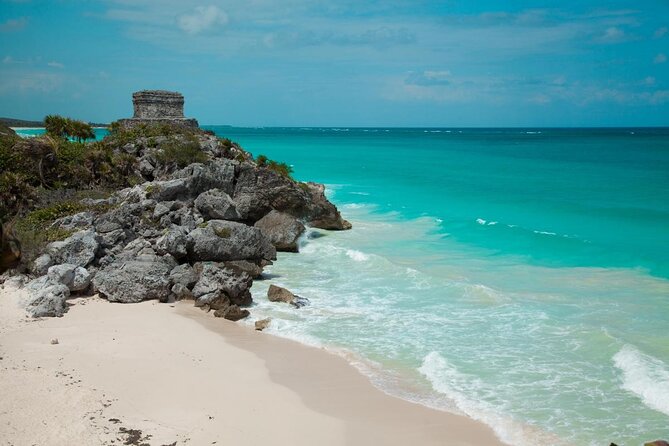
- The course may include Casa Cenote and Cozumel: Some schedules use a cenote near Tulum for early training, followed by reef sessions around Cozumel.
- Jon and Mariana receive especially strong praise: Their patience, clear communication, and calm instruction are central to the course’s appeal.
- The emphasis is on independent, responsible scuba: You are taught buoyancy, trim, kicking technique, and marine conservation from the start.
- It is a private activity: Only your own group participates, which can make it easier to learn at your own pace.
- Plan on two or three days: The course has three parts, theory, confined-water skills, and open-water training.
What the $600 course is really buying you
At $600 per person, this is not a casual introductory swim. It is a full PADI Open Water Diver course designed to qualify you for scuba excursions after you complete the required training.
The value comes from the structure. You are not simply taken offshore, shown a few fish, and sent home with a certificate. You work through theory, equipment use, basic underwater skills, and open-water sessions with an instructor checking your progress.
That matters for a first-time scuba student. The first few minutes underwater can feel strange, even for a confident swimmer. Breathing through a regulator, clearing a mask, controlling your position, and managing your air supply all require attention. Good teaching is worth paying for here because comfort and judgment are more important than speed.
The course also places clear value on responsible behavior around coral and marine life. You learn to control your body position and fin movement so you are less likely to stir up sand or touch delicate reef. That is useful for the health of the Mesoamerican reef, but it also makes you a better scuba partner on future trips.
The price should still be checked carefully before you commit. The provided details do not list every inclusion or extra cost, so ask what equipment, transportation, meals, certification fees, and course materials are covered. One reported three-day schedule included transport and lunch during the outdoor portion, but you should confirm that arrangement for your own booking.
A few more Cozumel runs worth comparing
- Mr. Sanchos Beach Club All-Inclusive Day Pass
★ 4.5 · 6,744 reviews - Cozumel: Paradise Beach Club All-Inclusive Day Pass
★ 4.5 · 3,311 reviews - ATV 4×4+Snorkeling+Beach Club+ Lunch+Sabores de Cozumel
★ 5.0 · 1,468 reviews
Day one: theory, equipment, and the small pool
Your course begins with knowledge development. You can complete the theory independently online or study in a classroom, depending on the schedule and your preference.
Online study can save holiday time. You arrive ready for practical work instead of spending much of the first day indoors. Classroom instruction may suit you better if you prefer to ask questions as concepts come up, especially when learning about pressure, buoyancy, equipment, and basic safety procedures.
The theory stage is not busywork. It explains why scuba requires planning and why small habits matter underwater. You learn how the equipment works, how to respond to common problems, and how to monitor your own condition.
The practical work introduces the main kit: mask, snorkel, fins, regulator, buoyancy control device, and tank. The names may sound familiar, but using the equipment together is a different matter. Your instructor checks that you understand what each piece does and how to handle it.
A small on-site pool is one of the most useful features described for this course. A pool gives beginners a controlled place to get comfortable without waves, boat traffic, or the distraction of a large reef. It is especially helpful for practicing buoyancy, which is the skill that lets you move gently and avoid bumping the bottom.
Jon has been praised for teaching trim, buoyancy, and efficient kicking from the beginning. Those are not just advanced techniques for experienced scuba users. They are the foundation of calm, low-impact movement, and learning them early can save you from developing awkward habits.
The instructor’s pace is important here. You may need extra time to clear a mask, remove and replace a regulator, or become comfortable breathing underwater. The course is best suited to someone who wants careful instruction rather than a quick badge for the next day’s excursion.
Day two: confined water and Casa Cenote
The second stage takes your skills into open water, but the route can include a gradual transition. Some course schedules use Casa Cenote near Tulum for the first two outdoor sessions.
Casa Cenote offers a different setting from the open Caribbean. It is a freshwater cenote with fish and clear water, and it provides a memorable place to apply skills after pool practice. The setting can feel less exposed than the sea while still giving you the sense of exploring a natural underwater environment.
This part of the course combines training with discovery. Before each session, the instructor explains the goal and the skills you need to focus on. That briefing is valuable because beginners can otherwise become distracted by the scenery and forget the technique they are meant to practice.
The cenote also gives your group a chance to build confidence. You may still be thinking about your breathing, position, and hand signals, but the instructor can watch closely and offer corrections. If you need reassurance, an attentive guide makes a major difference.
One of the clearest strengths of this course is communication. Jon has been praised for giving students enough time to practice and for communicating patiently underwater. Mariana has also received high marks for making first-time students feel comfortable and supported.
The precise order of the skills can vary, but your sessions are meant to show that you can use the equipment safely and respond to basic situations. Your instructor checks your progress rather than assuming that one successful attempt means you have mastered a skill.
If you are prone to motion sickness or dislike long activity days, ask how the cenote day is arranged. The complete program can be finished in two or three days, and the outdoor portion may involve transport between locations. It is worth leaving room in your holiday schedule instead of placing the course immediately before a flight or a packed excursion.
Day three: Cozumel and the Mesoamerican reef
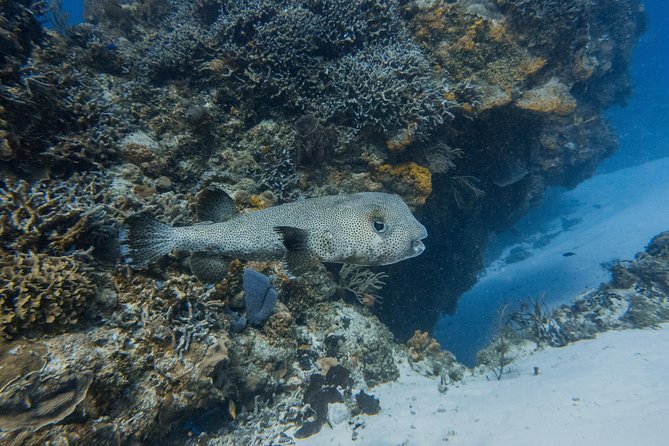
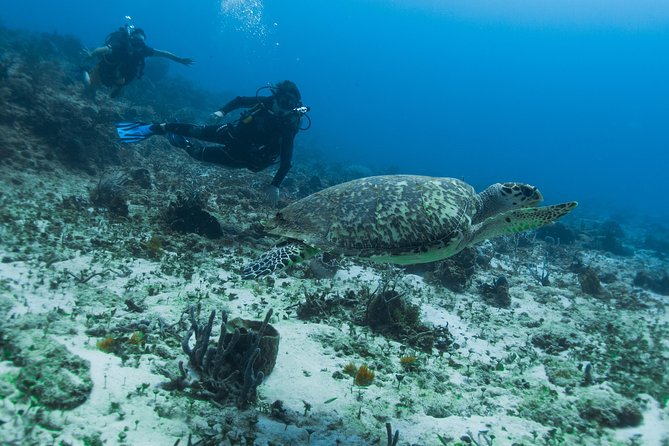
The final open-water sessions can take place around Cozumel, reached by ferry from Playa del Carmen. Cozumel is the natural setting for the course’s reef work, and the island’s position along the Mesoamerican reef gives you a memorable first look at Caribbean marine life.
This is the part many beginners anticipate most, but it is also where the training matters most. You are no longer working only on a simple pool exercise. You are using your skills in the sea, managing your buoyancy, staying with your group, and paying attention to your instructor’s signals.
The crossing adds time and coordination to the day. You should expect the Cozumel portion to feel more like a full excursion than a short lesson. The benefit is that your certification work takes place in a genuine reef environment rather than in an artificial setting.
The course is described as a private activity, so only your group participates. That can be a major advantage on a certification course. A small group lets the instructor give individual help, and it is easier to adjust the pace if one person needs more practice.
The reef sessions also put the conservation message into practice. You learn to keep your fins and hands away from coral, maintain good trim, and avoid stirring up sand. These habits protect the site and help you see more clearly, since poor buoyancy can create a cloud of sediment around you.
You may also have the option to purchase underwater video afterward. That can be a nice souvenir, but I would treat it as optional. Your first priority should be listening to the instructor and practicing the skills, not posing for a camera. If you want photos, ask about the cost before the session.
Same base, a different sort of day:
- Cozumel Snorkeling Tour: Palancar, Columbia and El Cielo Reefs
★ 4.5 · 1,462 reviews - From Cozumel: 3 Reefs Boat Tour with Drinks and Snorkeling
★ 4.3 · 1,080 reviews - The Cozumel Turtle Sanctuary Snorkel Tour
★ 4.5 · 1,041 reviews - Submarine Atlantis Cozumel Adventure by Day & Sunset
★ 4.5 · 770 reviews
The instructors and teaching style
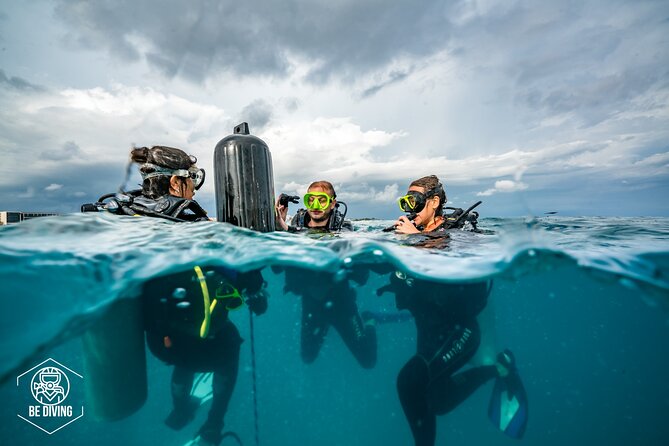
The strongest part of this course is the teaching approach. Jon is repeatedly praised for patience, clear explanations, and an emphasis on self-sufficiency. That last point is particularly important: the aim is not to make you cling to the guide forever, but to help you understand how to manage yourself underwater.
A technical diver who helped his girlfriend train described the instruction as unusually strong in trim, buoyancy, and kicking technique. That is a meaningful compliment because experienced scuba users often notice habits that beginners do not. Learning efficient movement from the start can make later trips calmer and more enjoyable.
Mariana is also praised for her calm manner and ability to help students feel safe. For a first scuba course, this is not a minor detail. Anxiety can make you breathe faster, use air quickly, and struggle to focus. An instructor who lets you move at your own pace can turn an intimidating lesson into a manageable one.
The team’s environmental message is consistent as well. You are encouraged to care for the reef while learning the practical skills needed to visit it. That combination gives the course more purpose than simply completing a checklist.
Still, no instructor can remove every challenge. You need a moderate level of physical fitness, and you must be ready to study, listen carefully, and repeat skills until they are secure. If you dislike structured instruction or want only a quick resort-style introduction, this may feel more demanding than expected.
How the two-day and three-day options differ
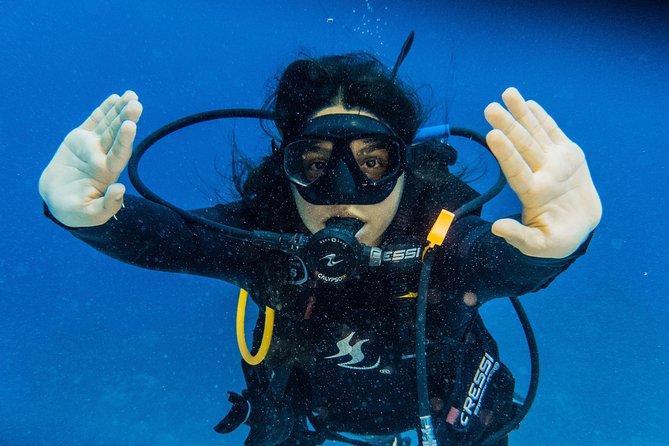
The course can be completed in two or three days, according to your availability. The shorter option may suit you if you have limited time, but it will likely make each day more concentrated.
A three-day schedule gives the course more breathing room. It can separate theory and pool work from the outdoor sessions, allowing you to process what you have learned before moving on. That is especially helpful if you are nervous, have never used scuba equipment, or want more time to practice buoyancy.
The exact sequence should be confirmed before booking. The available details describe theory, confined-water training, and open-water work, while a reported schedule used a pool on the first day, Casa Cenote on the second, and Cozumel on the third. Your actual plan may be different.
Book early if your dates are fixed. The course is booked an average of 24 days ahead, suggesting that you should not assume a last-minute place during a busy holiday period.
Meeting points and practical planning
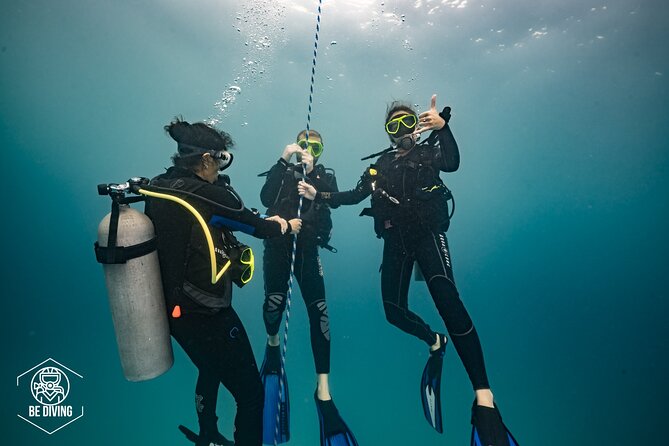
The activity starts in San Miguel de Cozumel and ends back at the meeting point. A separate ticket redemption point is listed at 10 Avenida Nte. 173-5, Gonzalo Guerrero, Playa del Carmen.
Those two locations can be confusing, especially because the course may involve both Playa del Carmen and Cozumel. Confirm exactly where your first meeting takes place, how the ferry connection is handled, and where you return at the end of each day.
The area is near public transportation, which is useful if you are staying in Playa del Carmen or nearby. The course is offered in English, and confirmation is provided when you book.
Because weather can affect the schedule, keep some flexibility in your plans. If poor weather cancels the activity, you are offered another date or a full refund. The same applies if the minimum number of participants is not reached.
Cancellation is free if you cancel at least 24 hours before the local start time. Cancellations or changes made inside that window are not refunded or accepted, so check your plans carefully.
Who should choose this course
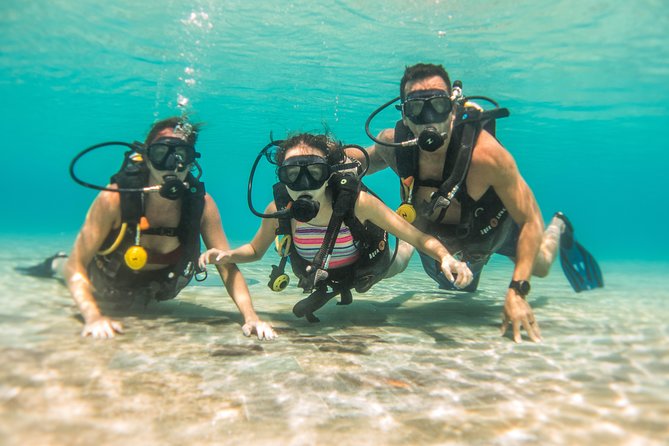
I would recommend it most strongly to a first-time scuba student who wants patient instruction and a real certification, not just a brief underwater outing.
It is also a good fit for friends or couples with different comfort levels. The private format and individual attention may make it easier for one person to receive extra help without holding up a large class.
You should be prepared for moderate physical activity, several long training days, and a serious theory component. The course is not presented as a lazy beach add-on.
It may also suit an environmentally minded beginner. The instruction places real emphasis on buoyancy, controlled movement, and protecting coral. Those habits will help you enjoy future reef trips with less impact.
Should you book the Open Water Course Cozumel?
Book it if you want a carefully taught PADI certification with pool practice, natural-water training, and reef sessions around Cozumel. The instructors’ patience, the small pool, the private format, and the repeated focus on safe, responsible technique give this course a strong foundation.
The $600 cost is reasonable if it includes the equipment, instruction, certification, and the transport or meals connected with your schedule. Confirm those details first, since the available information does not spell out every inclusion.
Choose the three-day format if you want a calmer learning pace. Choose the two-day version only if your schedule is tight and you are comfortable with concentrated training. Either way, this is a good starting point for a new scuba user who wants to leave Mexico with skills that will remain useful long after the reef photos are stored away.
FAQ
How long does the Open Water course take?
The course can be completed in two or three days, depending on your availability and the schedule arranged for your group.
What are the three main parts of the course?
The course includes knowledge development through online or classroom study, confined-water sessions for basic skills, and open-water sessions where you use those skills in natural surroundings.
Can I complete the theory online?
Yes. You can choose independent online study or classroom instruction for the theory section.
Where does the course begin and end?
The listed start point is San Miguel de Cozumel, Quintana Roo. The activity ends back at the meeting point.
Is the course private?
Yes. It is a private activity, so only your own group participates.
What happens if bad weather cancels the course?
You can choose another date or receive a full refund if poor weather causes the activity to be canceled.
Newly listed around Cozumel
- Private Shuttle from Inside Cozumel Airport to hotels in Cozumel★ 4.5 · 182 reviews
- VIP Private Glass Bottom Boat and Snorkeling, 3 Reefs in Cozumel★ 4.5 · 43 reviews
- Off Road ATV Tour with Caverns, Cedral & Beach Time with Transfer★ 4.5 · 39 reviews
- Traditional Family Kitchen in Cozumel★ 5.0 · 165 reviews
- Half-Day Island Tour with Mayan Experience & Beach Break★ 4.5 · 101 reviews
- ATV and Clear Boat Ride Full Experience in Cozumel★ 4.5 · 111 reviews
- Ticket to Wrestling Show without lining up★ 5.0 · 110 reviews
- Cielito Cozumel: Mexican Caribbean Snorkeling Tour★ 4.5 · 83 reviews
Cozumel Tours, compared.
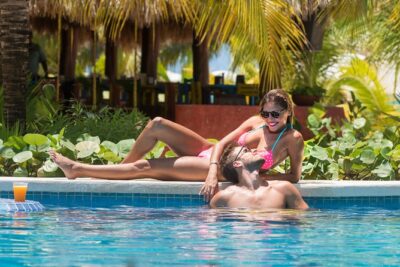
Mr. Sanchos Beach Club All-Inclusive Day Pass
Read our review →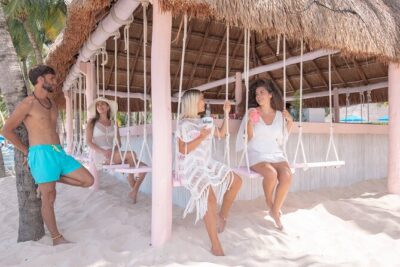
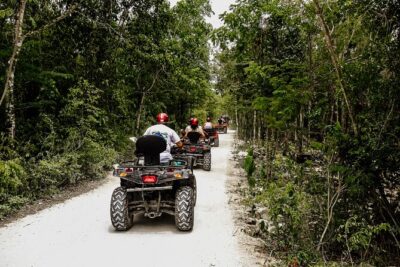
ATV 4×4+Snorkeling+Beach Club+ Lunch+Sabores de Cozumel
Read our review →
Cozumel Snorkeling Tour: Palancar, Columbia and El Cielo Reefs
Read our review →
Submarine Atlantis Cozumel Adventure by Day & Sunset
Read our review →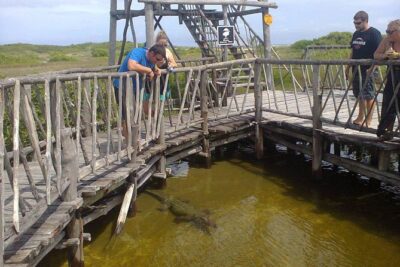
Private Jeep Excursion in Cozumel with Lunch and Snorkeling
Read our review →Browse the lists this tour appears in