
Reviewed · DRINKING TOURS
Puerto Vallarta: Bean to Bar Chocolate Workshop
Chocolate tells a better story than a souvenir. This two-hour workshop takes you from cacao history to finished sweets, with hands-on roasting, grinding, drink-making, and chocolate molding. I especially like the small-group format and the chance to take home chocolate you make yourself. The main drawback is that the workshop costs $62 and does not include transportation or a full meal.
I also like that this is more than a tasting session. You learn about chocolate’s place in Mexican culture, try three traditional drinks, and choose between dark or milk chocolate with toppings for your own creations. The experience is not suitable for wheelchair users, and you should arrive at the meeting point on time.
In This Review
- What makes this workshop worth your time
- Starting with cacao at the Puerto Vallarta museum
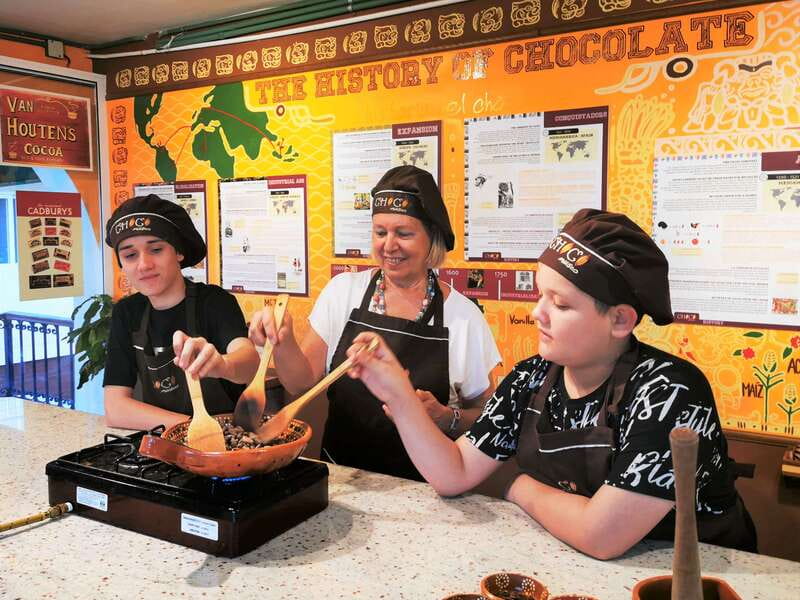
- Roasting and grinding the beans
- Three traditional chocolate drinks
- Making your own molded chocolates
- The guides make the difference
- How much value do you get for $62?
- Who will enjoy this two-hour activity?
- Practical details before you book
- My verdict on the chocolate workshop
- FAQ
- How long does the Puerto Vallarta chocolate workshop last?
- How much does the workshop cost?
- What language is the workshop offered in?
- What will I make during the workshop?
- Can I take the chocolate I make home?
- Are dietary options available?
- Is the workshop suitable for wheelchair users?
What makes this workshop worth your time
- You roast and grind cacao beans: This gives you a clear look at the work behind the finished bar.
- You prepare three traditional drinks: Chocolate tea is one of the memorable options, while the masa-based drink may take some getting used to.
- You make chocolate to take home: Choose dark or milk chocolate, then add toppings and fillings to make a personal batch.
- You visit a chocolate museum: The guided tour places Mexican cacao traditions in a wider cultural setting.
- You learn in English with a small group: The group is limited to eight participants, making it easier to ask questions and get help.
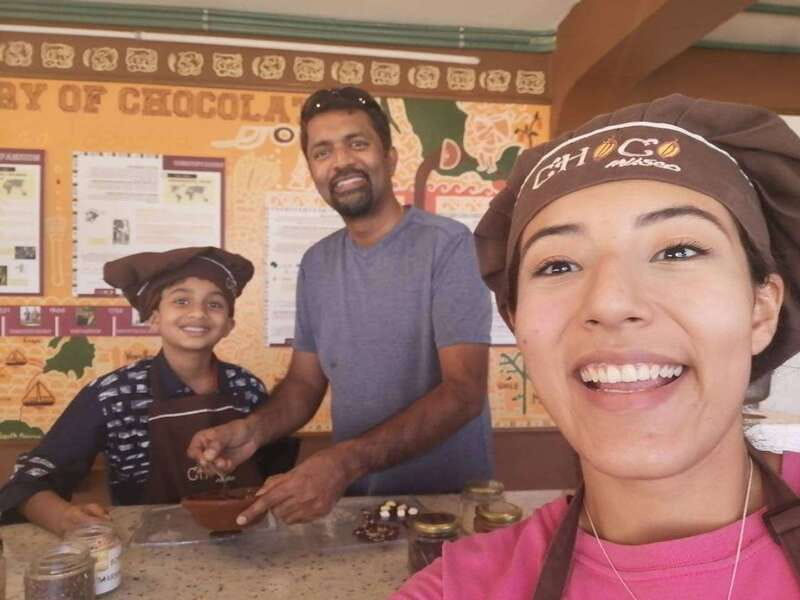
- It works for mixed ages: Guides such as Rodrigo, Zoar, Rod, and Martin have been praised for keeping both children and adults involved.
Starting with cacao at the Puerto Vallarta museum
The workshop begins with a guided visit through the chocolate museum at ChocoMuseo Puerto Vallarta. This first portion matters because it gives the practical work some context. Instead of simply stirring melted chocolate, you learn how cacao developed into one of Mexico’s best-known foods and how beans change as they move toward the finished product.
I like this approach for families and first-time chocolate makers. A child may care most about eating the final product, while an adult may be more interested in the connection between cacao, ancient civilizations, and Mexican food traditions. The workshop gives both something to follow.
The museum visit is conducted in English. The guide is not just there to keep the schedule moving. The strongest comments about the experience focus on the instructors’ energy, humor, and ability to involve the whole group. Rodrigo is praised for being interactive, while Zoar did well with a group ranging in age from 10 to 73. That is useful information if you are booking for a family or a mixed-age party.
The museum section is not a long independent visit where you wander at your own pace. It is part of a guided two-hour activity, so expect the guide to lead the flow and explain the process as you go.
A few more Puerto Vallarta runs worth comparing
- Finca 18 Puerto Vallarta Tequila Tour + Chocolate Pairing
★ 5.0 · 393 reviews - Bean to Bar Chocolate Workshop in Puerto Vallarta
★ 5.0 · 381 reviews - Chocolate & Margarita Workshop
★ 5.0 · 207 reviews
Roasting and grinding the beans
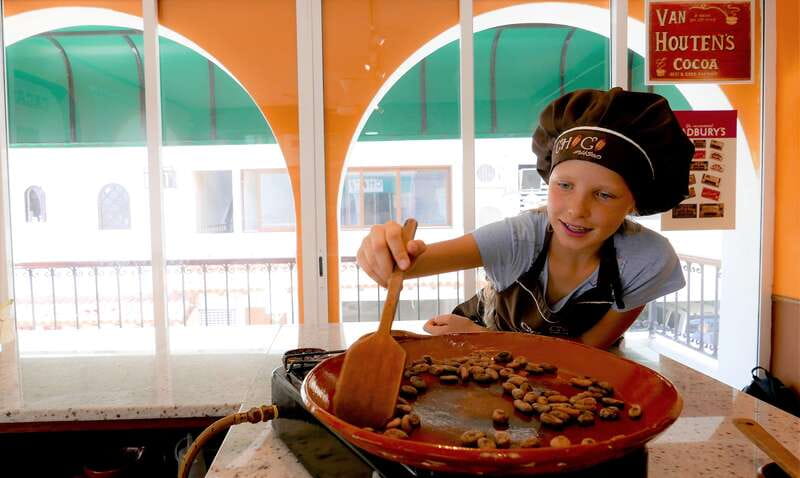
The hands-on work begins when you roast and grind cocoa beans. This is the part that turns a general museum lesson into a real workshop. You see that chocolate does not begin as a smooth, sweet bar. It starts with beans that need to be treated and processed before they can become something familiar.
I like this stage because it connects the history lesson to your senses. You are not only hearing about cacao. You are handling it and taking part in the early steps of production. The process also helps explain why handmade chocolate can taste and feel different from a standard packaged bar.
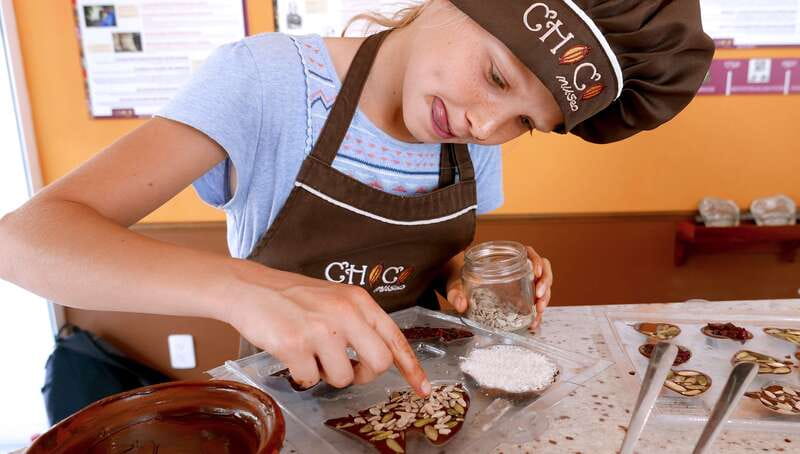
The activity uses ingredients and materials supplied by the workshop. You receive an apron and hat for the session, which adds a bit of fun and keeps the practical work tidy. Wear comfortable clothes and shoes. Chocolate-making is not a good time to show off your finest holiday outfit.
The workshop is designed for participation, but you still need to follow instructions. That point matters for younger children. The activity has worked well for children who are old enough to listen and follow directions, but it is not a completely free-form play session.
Three traditional chocolate drinks
One of the best parts of the workshop is preparing three traditional drinks. This expands the experience beyond the familiar idea of hot cocoa and gives you a chance to taste chocolate in forms that may be new to you.
Chocolate tea has received special praise for its flavor. It is a useful reminder that cacao can be aromatic and lightly flavored, not only sweet and creamy. You may also try a drink made with masa. One participant found the taste delicious but the texture unusual, so keep an open mind if you are used to smooth chocolate drinks.
This section has real cultural value. Drinks often show how an ingredient fits into daily life more clearly than a packaged souvenir does. You get to prepare and taste recipes connected to Mexican traditions rather than simply sampling another commercial candy.
The drinks also give the workshop some variety. Roasting and grinding involve physical work, while the drink section slows things down and lets you compare flavors. If you do not enjoy every drink, that is part of the point. Traditional recipes do not need to taste like modern dessert drinks.
The activity can accommodate vegan, vegetarian, gluten-free, and lactose-free needs. Still, if you have a serious allergy or strict dietary requirement, confirm the details when booking or before the workshop begins. The supplied information confirms these dietary options but does not provide a full ingredient list.
Making your own molded chocolates
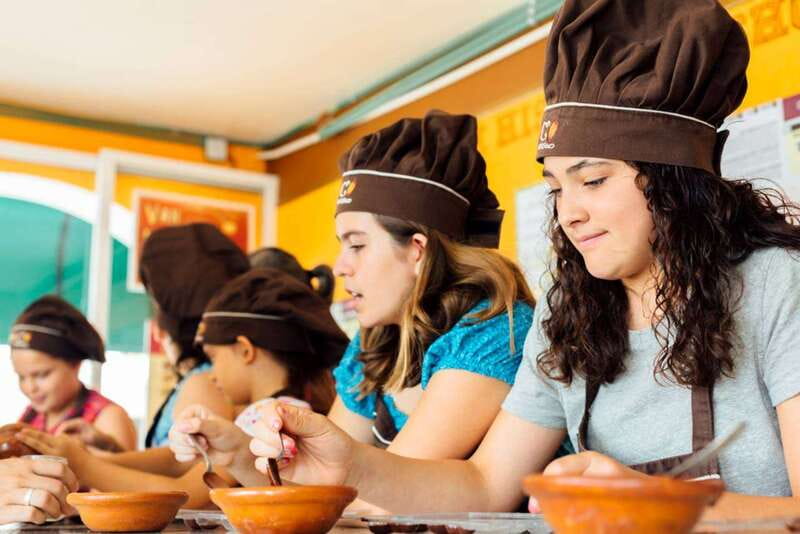
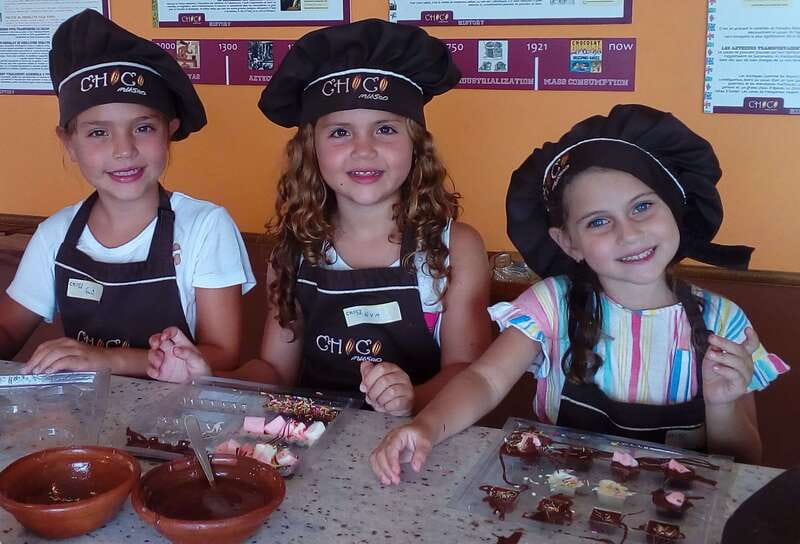
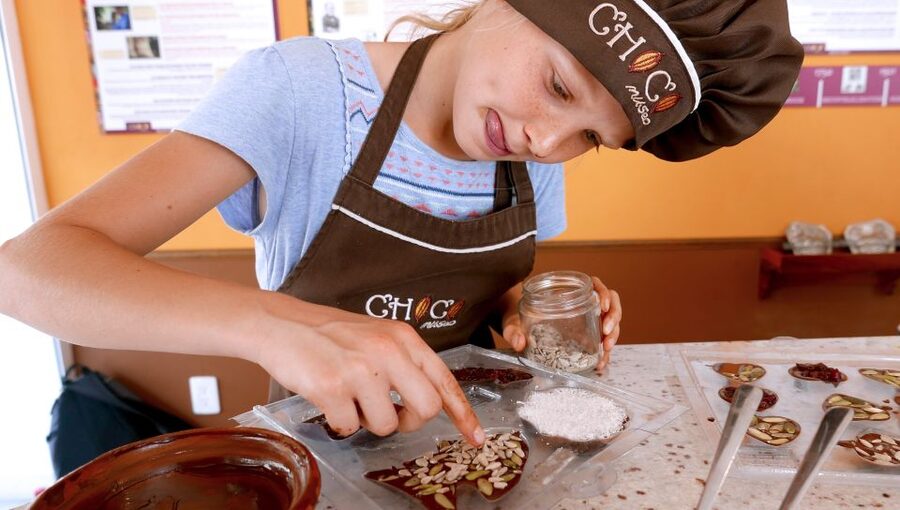
The payoff comes when you make chocolate to take with you. You can choose dark or milk chocolate, then add ingredients and toppings to create your own molded pieces. This gives you more control than a standard tasting, where you simply accept whatever the business has prepared.
I like the personal element here. You can keep your chocolate simple, or add several extras for a more playful batch. The workshop supplies the chocolate, ingredients, materials, and toppings, so you do not need to bring anything beyond comfortable clothes and shoes.
The amount you take home appears generous enough to feel like a real result rather than a single token sample. One account described making a good supply of molded chocolates, and the hands-on portion has been praised as both fun and easy to understand.
There is also a useful choice between dark and milk chocolate. That makes the activity more approachable for a group with different tastes. If one person likes stronger cocoa flavors and another prefers something sweeter, both can make a version they are more likely to enjoy.
Remember that your creations are made during a timed workshop. You should expect a guided activity rather than unlimited time to decorate every piece. The fun comes from making choices, adding toppings, and seeing the finished chocolates, not from producing professional pastry-shop work.
Same base, a different sort of day:
- Puerto Vallarta Best Zipline Canopy + Tequila and Speed Boat Ride
★ 5.0 · 3,786 reviews - Winner 2025 Downtown Vallarta Food Tour with Vallarta Food Tours
★ 5.0 · 3,738 reviews - Extreme Adventure, Wildest Bridge, ATV & Ziplines
★ 5.0 · 3,179 reviews - Mega Yacht ALL INCLUSIVE Yelapa Waterfall & Snorkeling Adventure
★ 5.0 · 2,515 reviews
The guides make the difference
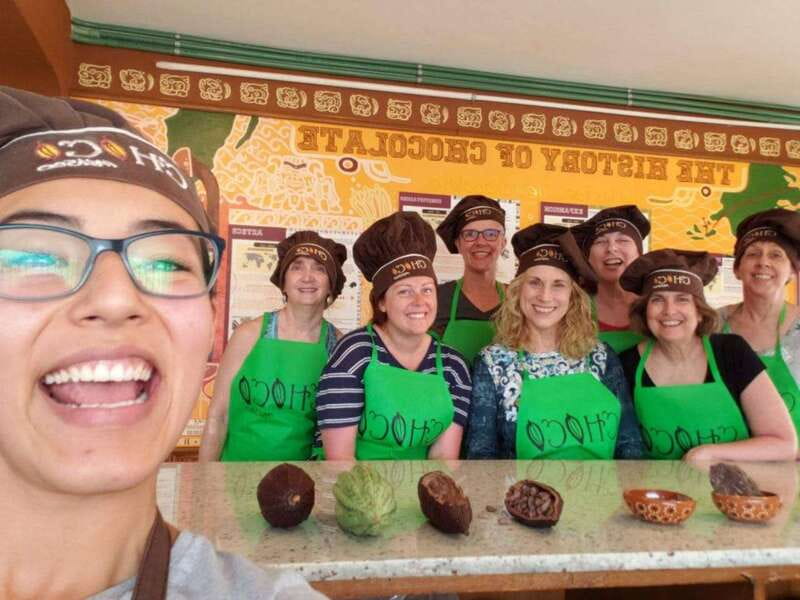
A chocolate workshop can be informative but dull if the guide reads facts from a wall. Here, the instructors seem to be one of the experience’s strongest points. Rodrigo is described as enthusiastic and interactive. Martin is praised for mixing laughs with explanations about how cacao evolved. Zoar kept a wide age range entertained, and Rod was credited with making the history, drinks, and chocolate-making enjoyable.
I would pay attention to this if you are deciding between a quiet tasting and a structured class. The workshop depends on the guide to connect the museum, the cultural material, and the practical steps. The best fit is someone who enjoys questions, conversation, and a little group participation.
The small-group setup helps. The advertised limit is eight participants, which should make it easier to hear the English instruction and receive help while working. One account referred to a group of 10, so group size may vary in practice, but the stated format is limited to eight.
The guide-led style may not suit you if you want to work alone or skip the background information. This is not simply a kitchen where you arrive, make a bar, and leave. The cultural explanation is a central part of the two-hour schedule.
How much value do you get for $62?
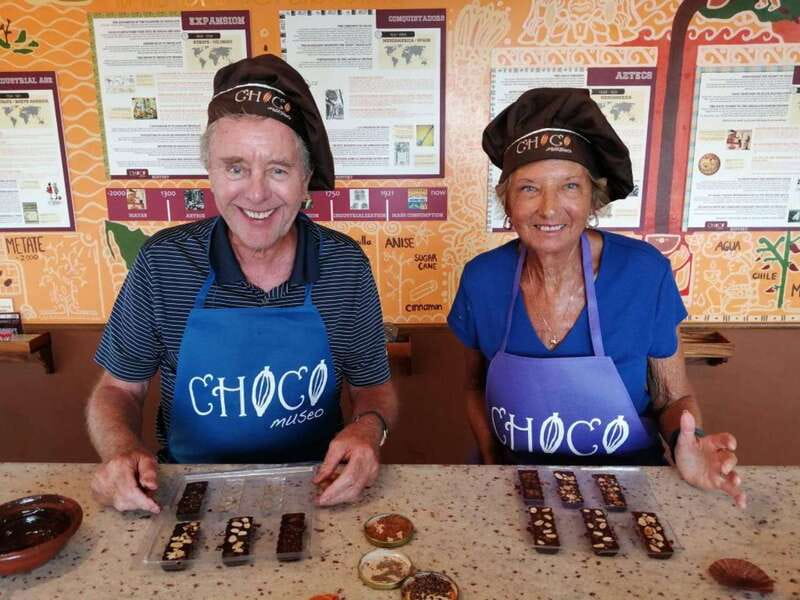
At $62 per person, this is not the cheapest chocolate purchase in Puerto Vallarta. You are paying for a guided museum visit, instruction from a cacao and chocolate specialist, three traditional drinks, equipment, ingredients, toppings, an apron and hat, and the chocolate you make.
I think the price is reasonable if you value an activity rather than just a product. A box of chocolate may cost less, but it will not give you the process, the museum context, or the chance to prepare drinks and shape your own pieces. The workshop also fills two hours with a clear sequence of activities, which can be useful on a hot afternoon or during a day when you want a break from sightseeing.
The value is weaker if you only want to eat chocolate. You do not receive transportation, and food or additional drinks are not included beyond the three traditional drinks prepared as part of the activity. You should also allow for the possibility of buying extra chocolate products at the museum shop, since the store offers additional items such as chocolate-covered orange peels.
For me, the strongest value comes from the combination of learning and take-home results. You get a story to remember, new flavors to discuss, and something physical to bring back with you. That makes the $62 easier to justify for couples, families, and anyone who prefers a hands-on cultural activity.
Who will enjoy this two-hour activity?
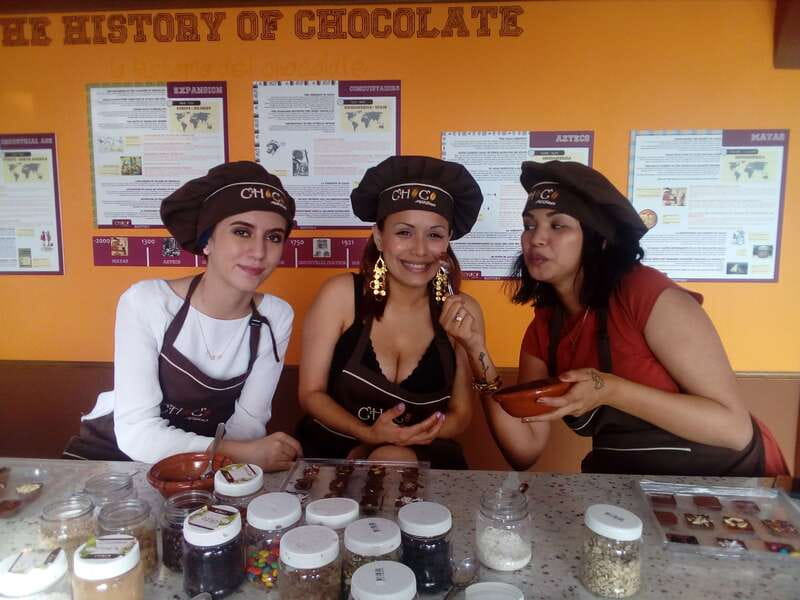
This workshop suits families with children old enough to follow directions. The age range handled well by the guides is unusually broad, and the activity gives children something to do with their hands while adults hear about cacao traditions and ancient civilizations.
It also suits couples and small groups looking for an indoor cultural experience. You do not need to be a serious cook or chocolate expert. The instructor leads each stage, and the ingredients and equipment are provided.
Food-focused visitors will get the most from it. If you enjoy learning how a local ingredient is made, comparing unfamiliar drinks, and customizing a finished product, the schedule offers plenty to hold your attention.
I would be more cautious if you have limited mobility. The activity is not suitable for wheelchair users. It also may not be the right choice if you dislike guided instruction, cannot arrive on time, or want a relaxed meal rather than a workshop.
The dietary flexibility is a plus. Vegan, vegetarian, gluten-free, and lactose-free versions are possible, though you should confirm your needs in advance so the staff can guide you correctly.
Practical details before you book
The activity lasts two hours and is offered at different starting times, depending on availability. Check the current time before you reserve, then arrive on time at the stated meeting point.
Transportation is not included. You will need to make your own way to the workshop and back. That is simple enough to plan, but it matters if you are staying outside Puerto Vallarta or trying to fit this between other timed activities.
English is the listed language. The group format is small, with space for up to eight people. Bring comfortable shoes and comfortable clothing, especially since you will be handling cacao and making chocolate rather than sitting through a talk.
You can cancel up to 24 hours before the activity for a full refund. The reserve-now, pay-later option also lets you hold a place without paying immediately, which is useful when your Puerto Vallarta plans are still shifting.
My verdict on the chocolate workshop
I would book this workshop if I wanted an activity with more substance than a quick tasting. The combination of cacao history, museum displays, roasting, grinding, three traditional drinks, and handmade chocolate gives you a satisfying two-hour program.
The best reason to go is the human side of the class. Guides including Rodrigo, Zoar, Rod, and Martin have made the activity lively, clear, and comfortable for different ages. The chocolate you take home is a nice bonus, but the real reward is understanding how a cacao bean becomes part of Mexican food culture.
Skip it if $62 feels high for a short activity, if you need wheelchair access, or if you only want a quiet dessert stop. For everyone else, especially families and food-minded visitors, this is a tasty and worthwhile way to spend an afternoon in Puerto Vallarta.
FAQ
How long does the Puerto Vallarta chocolate workshop last?
The workshop lasts two hours.
How much does the workshop cost?
The price is $62 per person.
What language is the workshop offered in?
The instructor-led activity is offered in English.
What will I make during the workshop?
You will roast and grind cocoa beans, prepare three traditional chocolate drinks, and make molded chocolate using your choice of chocolate and supplied toppings.
Can I take the chocolate I make home?
Yes. The chocolate you make during the workshop is included for you to take with you.
Are dietary options available?
The activity can be adapted for vegan, vegetarian, gluten-free, and lactose-free participants.
Is the workshop suitable for wheelchair users?
No. The activity is not suitable for wheelchair users.
Newly listed around Puerto Vallarta
- Jungle Single ATV Tour “El Mirador”★ 5.0 · 59 reviews
- Bucerias Bike and Food Tour★ 5.0 · 173 reviews
- Sayulita: ATV Adventure Tour★ 5.0 · 44 reviews
- Sayulita/Punta Mita: Zip Lines with Ocean View★ 4.8 · 34 reviews
- Sayulita: Canopy Tours & Zip-line Adventure★ 4.8 · 89 reviews
- Sayulita: Horseback Riding Tour★ 5.0 · 37 reviews
- Puerto Vallarta: Baby Turtle Release in Conservation Area★ 4.8 · 110 reviews
- Puerto Vallarta Rhythms of the night, Show & Buffet dinner★ 4.7 · 219 reviews
Drinking Tours, compared.
Catamaran with Open Bar, Snorkeling and Lunch
Read our review →
Isla Mujeres Cruise with Beach Club, Snorkel, Lunch and Open Bar
Read our review →
Los Cabos Luxury Sunset Sail with Light Appetizers and Open Bar
Read our review →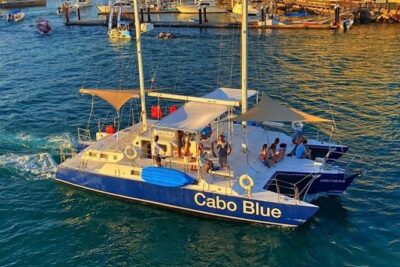
Cabo San Lucas Sunset Cruise with Open Bar and Snacks
Read our review →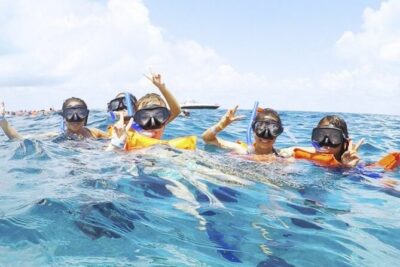
Isla Mujeres Catamaran Tour with Snorkel, Open bar and Transport
Read our review →
Xochimilco Barco Fiesta Tentacion 18+ with Open Bar and Tacos
Read our review →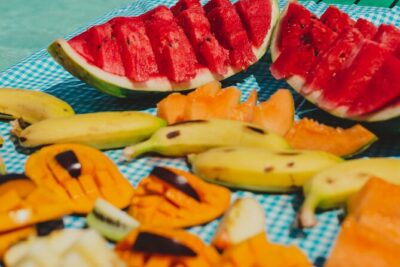
Bacalar Lagoon Sightseeing Boat Tour with Open Bar and Snacks
Read our review →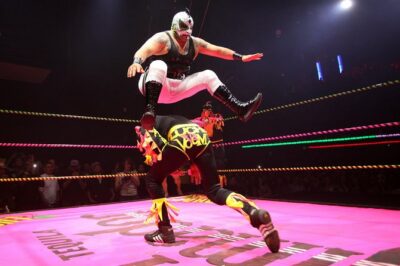
Lucha Libre Tickets & Tacos & Beer & Mezcal – BEST NIGHT EVER!
Read our review →Browse the lists this tour appears in