
Reviewed · DOLPHIN WATCHING
Watch and Swim with Dolphins in the Wild
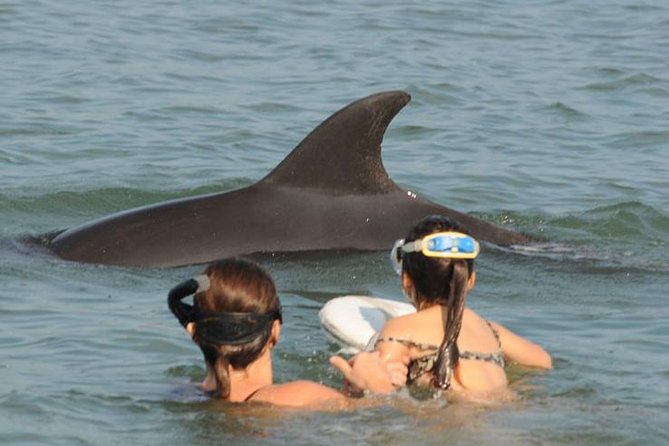
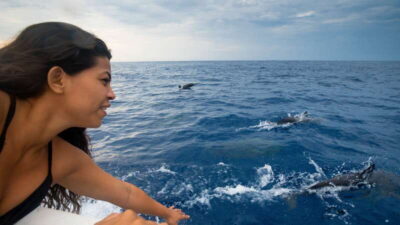
Wild dolphins set their own schedule. That is the heart of this Puerto Vallarta outing: you search for free-ranging bottlenose dolphins with a biologist guide, then enter the sea only if the animals show interest. I like the wildlife-first approach, and I like the use of a hydrophone, which lets you listen for dolphins instead of simply racing around hoping to spot them. The trade-off is simple: seeing dolphins is covered by the tour’s guarantee, but swimming with them depends entirely on animal behavior and sea conditions.
The tour leaves Marina Vallarta at 9:00 a.m. and lasts about three and a half hours. Guides such as Camilla, Gema, Gemma, Maru, and Pilar have been praised for their warm teaching and care for the animals, though the guide assigned to your boat can vary. You should arrive ready to swim, comfortable with a moving boat, and prepared for the possibility of a wonderful close encounter or a morning spent watching dolphins from the deck.
In This Review
- Key points to know before you book
- Why this dolphin trip feels different
- Starting at Marina Vallarta at 9:00 a.m.
- Finding dolphins with sound, not bait
- Entering the water with a wild pod
- Whales, turtles, rays, and the ride between sightings
- The guides and the value of the science
- What is included, and what you should bring
- Families, older adults, and swimming ability
- Setting the right expectation
- Should you book the Puerto Vallarta dolphin swim?
- FAQ
- Where does the dolphin tour start?
- What time does the tour begin?
- Is swimming with dolphins guaranteed?
- What equipment and drinks are included?
- How many people can join the boat tour?
- Can I cancel for a refund?
Key points to know before you book
- Wild dolphins, not trained performers: The bottlenose dolphins choose how close they come and if they want to swim with you.
- A hydrophone guides the search: You listen for dolphin sounds while cruising through the Bay of Banderas and nearby waters.
- Small groups enter the water: Swimming is organized in groups of about three or four, helping everyone get a turn.
- Whales may join the morning: Humpback mothers and calves have been spotted during the boat ride, along with turtles and rays.
- The biologist matters: The pre-trip lesson explains marine behavior, safety, and why wild animals should not be fed or coaxed.
- Plan for a basic boat setup: Boats are 27 or 33 feet long, with certified capacity for 12 to 20 people, and seating may be on coolers rather than regular seats.
Why this dolphin trip feels different
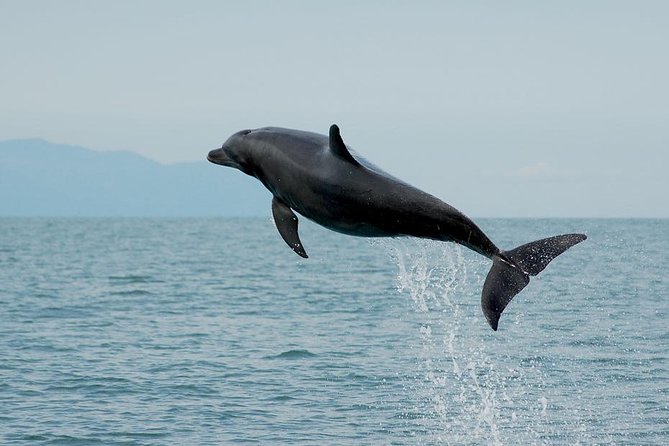
Puerto Vallarta offers several ways to see dolphins, but this one is built around wild-animal behavior. You do not visit an enclosure, watch a scheduled performance, or expect a dolphin to repeat a trained trick. The animals remain in their own habitat, and the guide’s job is to read their behavior and make a respectful opportunity for contact.
That distinction gives the experience more meaning. If a dolphin swims toward the boat, circles swimmers, or passes within arm’s length, the moment feels earned. If a pod keeps its distance, that is part of the honest bargain. You are seeing animals that can leave at any time.
The tour also supports marine ecology research. The biologist does more than point at fins on the horizon. You receive an educational talk about whales, dolphins, safety, and behavior before boarding, then continue learning on the water. Guides have explained how mothers with calves may stay cautious, how feeding behavior can make dolphins less interested in people, and how the animals signal that they have had enough.
That educational layer is one of the strongest reasons to choose this trip. I would arrive early enough to hear the full presentation. It helps you understand what you are seeing and keeps your expectations realistic.
A few more Puerto Vallarta runs worth comparing
- Puerto Vallarta Best Zipline Canopy + Tequila and Speed Boat Ride
★ 5.0 · 3,786 reviews - Winner 2025 Downtown Vallarta Food Tour with Vallarta Food Tours
★ 5.0 · 3,738 reviews - Extreme Adventure, Wildest Bridge, ATV & Ziplines
★ 5.0 · 3,179 reviews
Starting at Marina Vallarta at 9:00 a.m.
Your meeting point is Opequimar Centro Marino at Av. Paseo de la Marina Sur 214 in Marina Vallarta. The activity ends at the same place, so you do not need to arrange a second pickup point after the boat ride.
The morning begins with the briefing and introduction to the crew. You then board a boat with the biologist guide and captain. The boats used for the activity are described as 27 or 33 feet long, with certified capacity for 12 or 20 people, depending on the vessel. The total tour limit is 20 people.
This is not a large sightseeing cruiser with rows of padded seats. One critical practical detail comes from the boat setup: seating can be on coolers, and the ride is active. You may shift position while searching, watching the water, preparing to enter, and returning to the boat. If you want a polished, highly comfortable vessel, this may feel basic.
On the other hand, the smaller boat helps the guide keep the group together and watch the water closely. The captain can respond when dolphins appear, while the biologist directs attention to the animals and explains what is happening.
Finding dolphins with sound, not bait
The hydrophone is a special feature. This underwater listening device helps the crew locate dolphins by their distinct sounds. You are not simply waiting for a lucky fin to break the surface. The guide combines sound, visual searching, local knowledge, and careful reading of animal behavior.
The crew does not use food or sound devices to lure dolphins. That may disappoint someone expecting guaranteed interaction, but it is exactly the point of the wildlife-focused format. Feeding or artificially attracting wild animals would change their behavior and weaken the ethical basis of the experience.
The search itself takes time. You may see dolphins traveling quickly, surfacing briefly, playing near the boat, or staying below while they feed. The group may follow a pod until the guide can judge if the animals are curious and relaxed enough for anyone to enter the water.
This is where patience pays off. One morning can bring several pods, young dolphins, and extended swimming. Another can produce excellent sightings but no swim. The operator offers a money-back guarantee on encountering animals, not a promise that every group will swim with them.
Entering the water with a wild pod
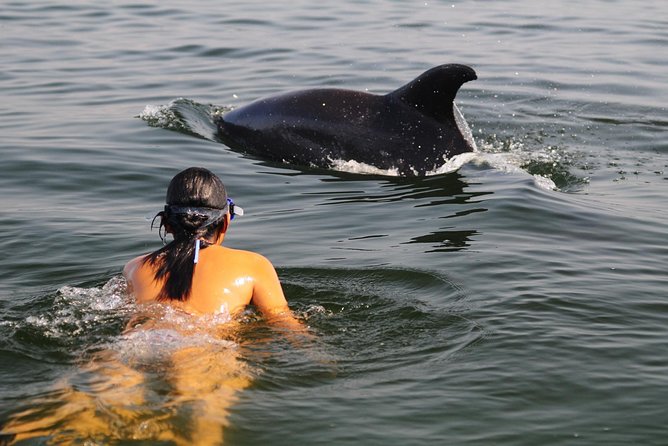
When the dolphins show interest, the crew gets people into the water in small groups. Several accounts describe three or four people entering with the biologist, then rotating so everyone has a chance. This arrangement is important because it avoids putting the entire group in the water at once and gives the guide a better view of both people and dolphins.
The encounters can be brief. A dolphin may pass close, circle once, then vanish. It may swim among the group for several minutes before moving on. Some pods have allowed repeated swims, with people spending close to an hour in the water across several turns. You cannot order that kind of interaction, and no ethical guide should try.
You are also told not to touch the animals. That is worth accepting before you book. The reward is watching a dolphin choose to pass beside you, sometimes just inches away, without being handled or directed. One especially striking possibility is seeing a dolphin below your feet or looking through a mask as it turns toward you.
The water experience suits a confident swimmer best, especially if you are used to open water. The tour is described as suitable for most fitness levels, and children as young as six have enjoyed entering the sea, but the boat crew cannot make a wild dolphin cooperate for a nervous swimmer. If you are unsure, you can remain aboard and still watch the animals from the boat.
Bring a swimsuit and be ready to enter at short notice. Several people found that the dolphins appeared suddenly, so changing from dry clothes after the opportunity arrives may mean missing part of the action.
Same base, a different sort of day:
- Mega Yacht ALL INCLUSIVE Yelapa Waterfall & Snorkeling Adventure
★ 5.0 · 2,515 reviews - Food & Mixology Tour:Tequila,Tacos, Mezcal and Agave Cocktails
★ 5.0 · 1,884 reviews - Outdoor Ziplining, Waterfalls & Speed boat in Puerto Vallarta
★ 5.0 · 1,796 reviews - Rhythms of the night, Sunset Cruise, Candlelit Dinner & Alma Show
★ 4.5 · 1,667 reviews
Whales, turtles, rays, and the ride between sightings
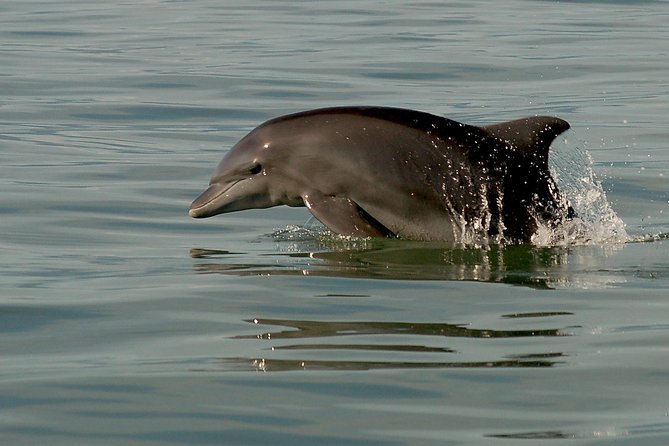
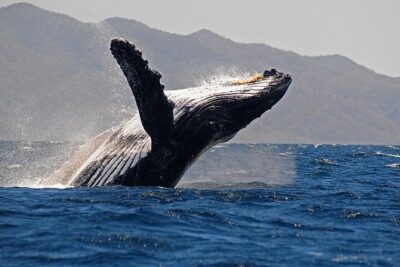
Dolphins are the main reason to book, but the Bay of Banderas can provide a broader marine-life morning. Humpback whales, including mothers with calves, have been seen from the boat. Some groups also heard a whale singing nearby, while others watched a mother and baby playing at the surface.
The boat may also pass sea turtles and rays. These sightings are not guaranteed, and they should be treated as welcome additions rather than substitutes for dolphins. Still, they make the search feel less empty when the main pod is moving fast or staying underwater.
The trip is not a straight ride to one fixed swimming spot. You cruise, stop, watch, listen, and move again. That can feel exciting when the crew is tracking animals, but frustrating if you want a short, predictable excursion. Plan on the boat portion taking up much of the experience.
The payoff is that the wildlife remains real. You might see dolphins jumping behind the boat, pods traveling together, or mothers with very young calves. You might also spend long stretches scanning the surface. The ocean decides the pace.
The guides and the value of the science
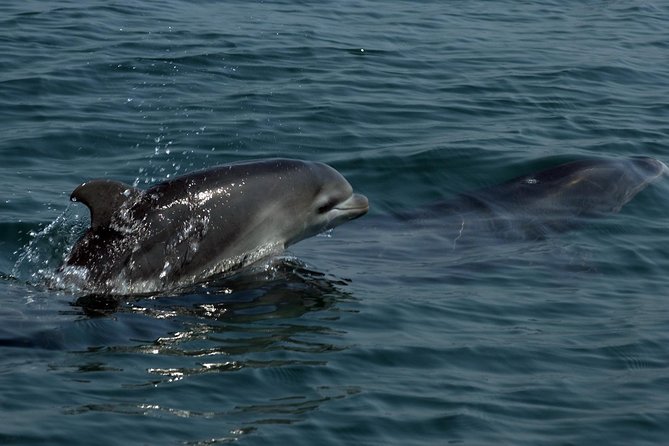
The guides receive some of the strongest praise attached to this activity. Camilla has been described as energetic and passionate during the briefing and in the water. Gema and Gemma have helped swimmers spot dolphins, explained behavior, and made sure each person received a turn. Captains Caesar and Jorge have also been praised for boat handling and for stopping at the right moments to watch whales.
Names and crew assignments can change, so you should not book expecting one particular guide. What you can reasonably expect is a biologist-led experience with a strong focus on marine mammals and safety.
I value the guide’s role here more than I would on a standard boat trip. The expert helps you understand why a pod stays away, why mothers with babies may be cautious, and why a feeding group may ignore swimmers. Without that context, you might mistake natural behavior for a failed tour.
The research connection adds another layer. The experience is tied to ongoing marine ecology work, and the operator has been studying local dolphins for many years. Your fee helps support an approach that treats the animals as wild subjects, not attractions that must perform.
At $105 per person, that makes the price easier to justify. You are paying for a small-boat marine outing, specialized equipment, a biologist guide, a captain, snorkeling gear, and a research-minded operation. It is not cheap if all you want is a quick look at dolphins from shore. It is fair value if the ethical setting, education, and possibility of swimming matter to you.
What is included, and what you should bring
Snorkeling equipment is provided, along with bottled water and soda. Alcohol is not included. A small snack or granola bar is not part of the package, so bring something light if you need food during the morning.
I would pack:
- Swimsuit and a dry change of clothes
- Towel
- Sunscreen
- Waterproof phone protection
- A small snack
- Extra phone battery if you want photographs and video
Phone cameras can capture surface views and close passes, but wildlife photography is unpredictable. Dolphins move quickly, and the best moment may happen when your phone is still in your pocket. Watch first, photograph second.
The boat may be wet and exposed to sun. Keep valuables limited and secure anything you bring. The exact seating arrangement depends on the boat, but you should not assume lounge-style comfort.
Families, older adults, and swimming ability
This excursion can work well for families with children who are comfortable around open water. A six-year-old has successfully entered the water, and an 11-year-old enjoyed the educational side as much as the wildlife. A three-year-old found the outing less engaging, which is understandable given the waiting, boat movement, and lack of guaranteed action.
Older adults can take part, too. One guide was praised for encouraging everyone from seniors to toddlers, and the small-group turns allow some people to remain on board while others swim. Still, you should be honest about your comfort with a boat and open water.
Service animals are allowed, and the tour is near public transportation. People more than seven months pregnant are advised not to take part. The experience requires good weather, and poor conditions can lead to a new date or a full refund.
The best match is an active, curious person who enjoys nature without needing control over the outcome. If your main goal is a posed photograph with a dolphin, this is the wrong format. If you want to see wild animals behaving on their own terms, it is a strong choice.
Setting the right expectation
The title promises both watching and swimming, and the distinction matters. Watching is the reliable part when dolphins are found. Swimming is an opportunity, not a scheduled feature that happens on command.
Some mornings have produced pods with babies, close passes, repeated water entries, and whale sightings. Other mornings have involved dolphins feeding or traveling away from the boat. Even when swimming does not happen, the sighting can still be worthwhile, but only if you accept that wild animals are not entertainers.
I would also avoid thinking of the boat ride as wasted time. The search is the tour. Listening through the hydrophone, following movement, and waiting for the guide to read the pod are all part of the experience. That said, the boat is basic enough that anyone needing cushioned seating or a very calm ride should think carefully before booking.
Should you book the Puerto Vallarta dolphin swim?
Book it if you want a wildlife-first encounter, can handle an active small boat, and will be satisfied with watching even if the dolphins decline to swim. The guides, research focus, small water-entry groups, and chance of seeing whales make this more thoughtful than a captive-dolphin program.
Skip it if you need guaranteed swimming, dislike waiting on the water, or expect a luxury boat with regular seats. At $105, the value depends on your priorities. For an ethical and educational chance to meet free-ranging dolphins, I think it is a worthwhile Puerto Vallarta outing. Just arrive ready for nature to make the final decision.
Cancellation is free up to 24 hours before the 9:00 a.m. start. Cancellations or changes within 24 hours are not refunded, and weather or minimum-group cancellations qualify for a different date or a full refund.
FAQ
Where does the dolphin tour start?
It starts at Opequimar Centro Marino, Av. Paseo de la Marina Sur 214, in Marina Vallarta, Puerto Vallarta.
What time does the tour begin?
The scheduled start time is 9:00 a.m. The experience lasts approximately three hours and 30 minutes.
Is swimming with dolphins guaranteed?
No. The dolphins are wild, so swimming depends on their behavior and the conditions that day. The tour offers a money-back guarantee on encountering animals, not on swimming with them.
What equipment and drinks are included?
Snorkeling equipment, bottled water, and soda are included. Alcoholic drinks are not provided.
How many people can join the boat tour?
The activity has a maximum of 20 people. The boats used are 27 or 33 feet long, with certified capacity for 12 or 20 people depending on the boat.
Can I cancel for a refund?
Yes, if you cancel at least 24 hours before the local start time. Cancellations or changes made less than 24 hours before departure are not refunded.
Newly listed around Puerto Vallarta
- Jungle Single ATV Tour “El Mirador”★ 5.0 · 59 reviews
- Bucerias Bike and Food Tour★ 5.0 · 173 reviews
- Sayulita: ATV Adventure Tour★ 5.0 · 44 reviews
- Sayulita/Punta Mita: Zip Lines with Ocean View★ 4.8 · 34 reviews
- Sayulita: Canopy Tours & Zip-line Adventure★ 4.8 · 89 reviews
- Sayulita: Horseback Riding Tour★ 5.0 · 37 reviews
- Puerto Vallarta: Baby Turtle Release in Conservation Area★ 4.8 · 110 reviews
- Puerto Vallarta: Mega Yacht Whale Watching Sunset Cruise★ 4.7 · 94 reviews
Dolphin Watching, compared.
Whale and Dolphin Watching with a Biologist in Puerto Vallarta
Read our review →
Puerto Escondido: Boat Tour to see Dolphins and Marine Life
Read our review →
Ocean Safari: Sea Lions, Mobula Rays, Dolphins, Orcas & Whales
Read our review →
Puerto Escondido: Boat Tour among Dolphins and Turtles
Read our review →Browse the lists this tour appears in