
Reviewed · FOOD & DRINK
Xkopek, Mayan Bees Tour and Honey Tasting in Valladolid
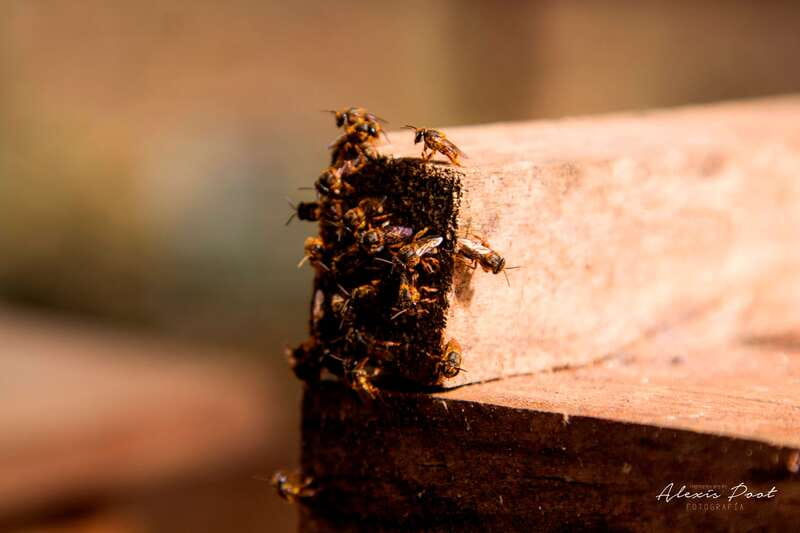
Bees, cenotes, and honey make an unusual Valladolid outing. This 90-minute visit combines a short nature walk, a dry cenote, a close look at stingless Mayan bees, and a generous tasting of honey and hive products. I like the unusual setting and the chance to see bees in their natural state, not just in a display box. I also like the small group limit of 10, which should make it easier to hear the guide and watch the hive work.
The main consideration is that this is a walking tour on uneven ground. You will use stairs, pass through stony areas, and walk jungle paths, so it is not a good fit for children under five or anyone looking for a fully level visit. Bring closed shoes, comfortable clothes, and only organic insect repellent.
In This Review
- Key points at a glance
- Why this Valladolid experience is different
- Starting with plants and a dry cenote
- Following the honey plants through the jungle path
- Opening the hive at the meliponario
- The honey tasting is more than a final sample
- What the $18 price really covers
- Planning the visit in Valladolid
- Who will enjoy Xkopek most
- My practical verdict on this bee tour
- FAQ
- How long does the Xkopek Mayan Bees Tour last?
- Where does the tour meet?
- Is transportation included?
- Are the bees dangerous?
- Is the tour offered in English?
- Can young children join?
Key points at a glance
- A dry cenote becomes the first bee habitat: Descend by stairway into a cenote vault where local stingless bees live in the wild.
- Mayan bee traditions take center stage: Learn about local bee varieties, honey production, and the plants that support it.
- You may see a hive opened: The guide can show you the bees’ unusual internal architecture at close range.
- The tasting is a real part of the tour: Sample several honeys and other products made by the hive, then try a honey-sweetened drink.
- The setting feels close to nature: The visit moves from plant-filled paths to the cenote and then to the meliponario, or bee house.
- It is easy to add to a Valladolid day: Xkopek Parque Apícola is in town, with access by taxi or private vehicle.
Why this Valladolid experience is different
Valladolid is well known for colonial streets, Yucatecan food, and cenotes filled with water. Xkopek offers a quieter variation on that formula. Here, the cenote is dry, and its importance comes from the plants, stone, and wild bees living inside it.
The star of the visit is the Mayan stingless bee, a local variety with no stinger. That makes it possible to watch the bees at close range without the same concern you would have around ordinary honeybees. You still need to listen to the guide and behave calmly, but the experience feels accessible rather than nerve-racking.
I find the subject especially worthwhile because it links nature with local food and traditional knowledge. Honey is not presented as a jar on a shop shelf. You see where the bees live, learn which plants help produce it, and then taste the finished products.
The tour also gives you a better sense of how small-scale honey production works. You hear about the honey itself, along with other products from the hive and their well-known health uses. The focus is practical, with plenty to see along the way.
More Food Tours in Merida
- Merida Walking Food Tour. Authentic & Local Cuisine
★ 5.0 · 451 reviews - Merida Street Food Walking Tour
★ 5.0 · 417 reviews - Chichen Itza, Private Cenote/Food Experience & the magic Izamal
★ 5.0 · 385 reviews
Starting with plants and a dry cenote
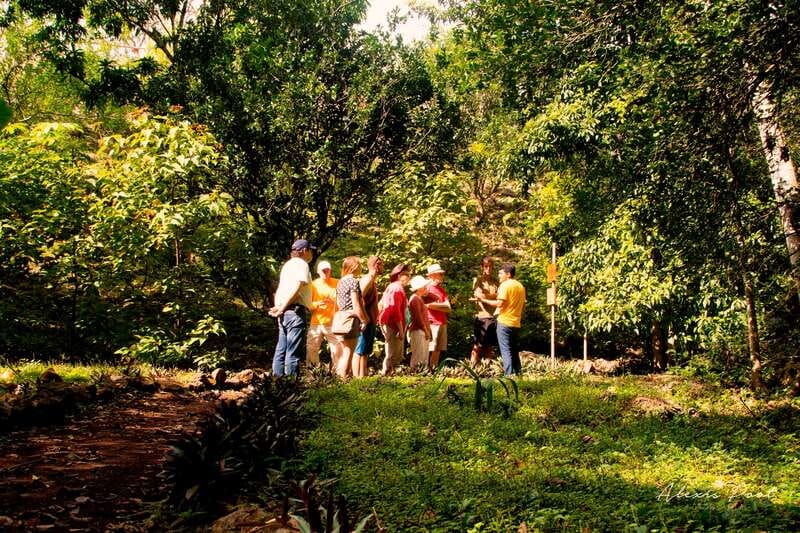
The visit begins with a walking tour through the grounds. Before reaching the bees, you learn about local plants and how people use them. This part gives the rest of the experience some context, since the plants are not simply background scenery. They are tied to food, medicine, and honey production.
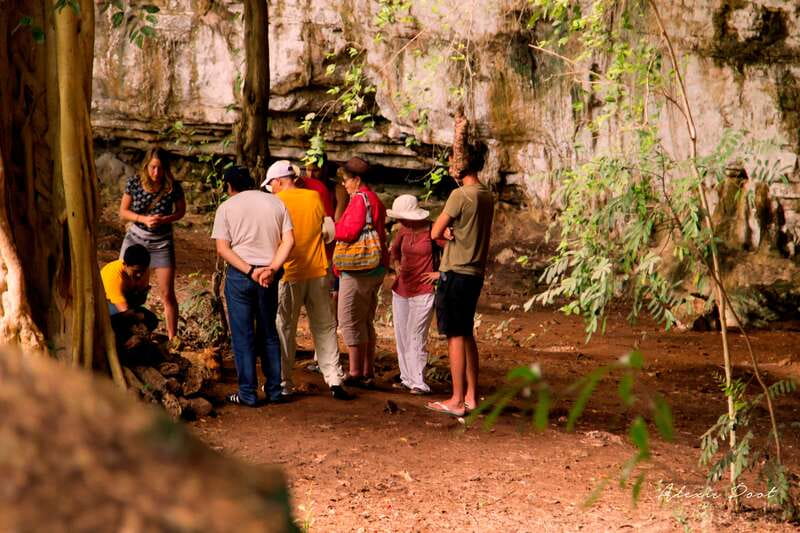
You then reach a stairway leading down into a dry cenote. This is not a swimming stop, so do not arrive expecting cool water or a place to change clothes. Instead, the cenote offers a natural stone chamber where you can see local plant life and wild stingless bees.
The descent is one reason to wear proper shoes. The route includes stairs and stony sections, and the paths are designed for walking through a natural setting rather than rolling luggage or beach sandals. Take your time on the way down and keep your hands free if possible.
Inside the cenote vault, the guide points out bees living in their natural state. Seeing them in this setting is more interesting than simply hearing a talk about them. You can observe how they use the space while learning why the cenote provides a suitable home.
The stingless species are a major comfort for anyone uneasy around bees. They do not have stings, but you should still follow instructions and avoid sudden movements. The point is to watch the colony at work, not to handle it casually.
Following the honey plants through the jungle path
After the cenote, the walk continues along a path through the trees. The guide helps you identify the main plants used in honey production, which turns an ordinary stroll into a lesson in how the local ecosystem supports the hives.
This is a useful part of the tour because it answers a question many honey shoppers never consider: why do different honeys taste and look different? The flowers and plants available to the bees play a major role. By seeing some of those plants in place, you can connect the flavor in the tasting with the living source.
The walk also breaks up the indoor and observation portions of the experience. You are not sitting through a long lecture. Instead, the information arrives in short stages, with something physical to look at as you move from one area to the next.
Still, the route is not fully smooth. If you have trouble with stairs or uneven paths, this is the part to consider carefully. The activity is short, but the 90-minute schedule includes walking rather than a simple seated presentation.
Opening the hive at the meliponario
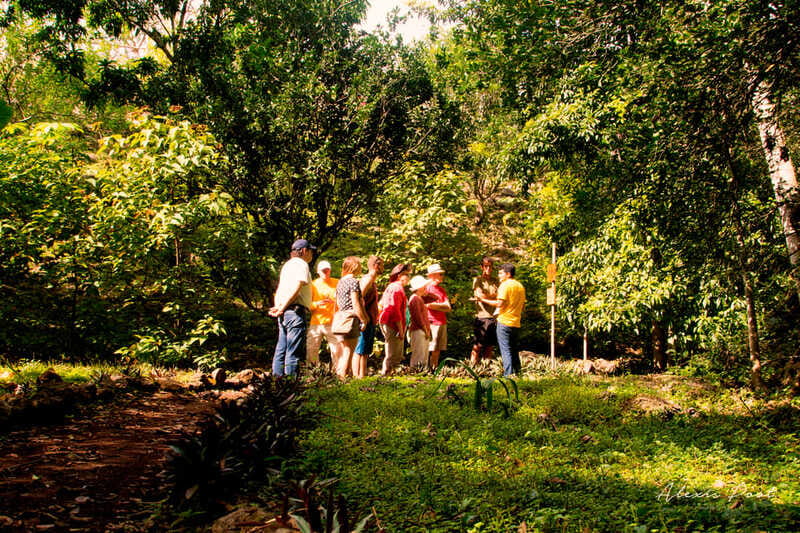
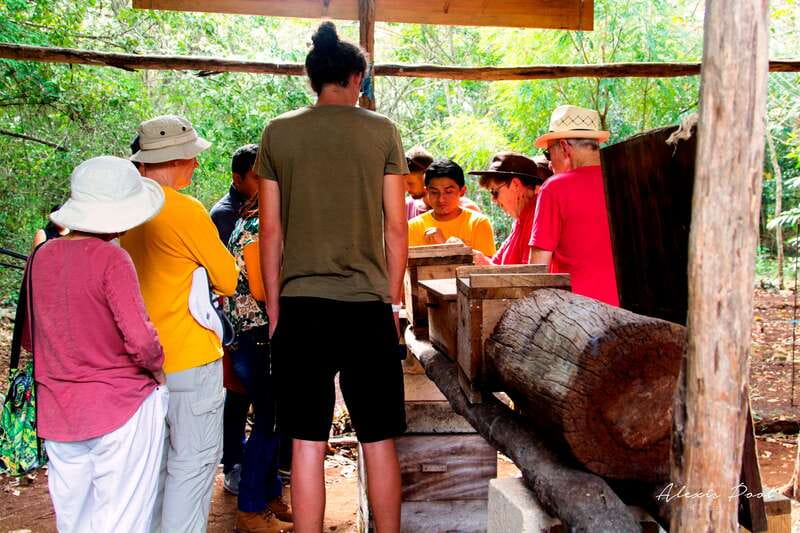
The next stop is the meliponario, the area devoted to keeping and explaining the bees. Here, the guide discusses how honey is made and introduces other products from the hive.
The most memorable demonstration may be opening a beehive so you can see its internal design. Bee architecture is easy to appreciate when you can look at the structures directly instead of viewing a photograph. The guide explains what you are seeing and how the colony organizes its home.
This close look works best in a small group. With no more than 10 people, you have a better chance of standing near the hive and hearing the explanation. The bilingual format, in English and Spanish, also makes the activity practical for mixed-language parties.
Guide quality matters here. Eduardo has been singled out for giving clear, interesting explanations and for answering questions well. Guides can vary by departure, but the experience is built around live instruction rather than an audio track or a self-guided sign walk.
I like this part because it avoids turning the bees into a simple photo opportunity. You see the work behind the honey, including the structures the bees create and the care involved in keeping the colony.
A few more Merida runs worth comparing
- From Cancún: Rio Lagartos & Las Coloradas Day Trip & Lunch
★ 4.6 · 451 reviews - Chichen Itza, Cenote Swim & Izamal Magic Town with Buffet Lunch
★ 4.5 · 317 reviews - Taste of the Yucatan: Merida Cooking Class and Market Visit
★ 5.0 · 291 reviews - Mérida: 3-Hour Walking Food Tour
★ 4.9 · 287 reviews
The honey tasting is more than a final sample
The tasting comes after the walk and the hive demonstration. You can try several types of honey along with other products from the hive. A honey-sweetened drink is also included, giving you a refreshing pause after the walking portions.
This is where the earlier plant lesson starts to make sense. Tasting different honeys side by side lets you notice that honey is not one single flavor. The exact selection is not specified, so you should not expect a fixed menu of named varieties, but the tasting includes multiple products.
I consider the tasting a strong part of the value. At $18 per person, you are not paying only for a short talk and a look at a bee house. You receive admission, a bilingual guide, fresh water, a drink sweetened with honey, and samples of honey and hive products. A small gift is included as well.
The tasting also gives you a chance to decide what you actually like before buying anything. Some people will want to take home honey or a product connected to the visit. Others may simply enjoy the samples and leave with a better sense of how local honey differs from ordinary supermarket varieties.
Food beyond the tasting is not included. If you want a full meal, plan that separately. One useful nearby option is a small cafe, which makes it possible to pair the tour with a snack or meal in the area.
What the $18 price really covers
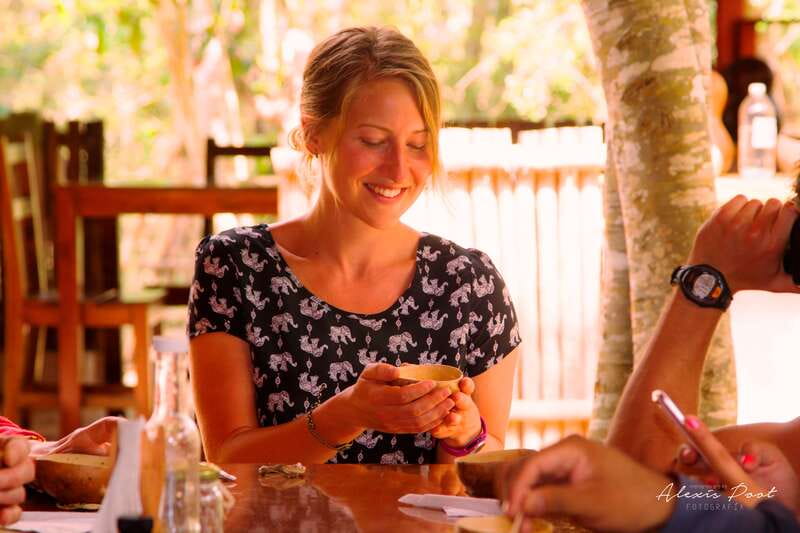
At $18, this is a reasonably priced half-day alternative that takes only 90 minutes. The value comes from the combination of access, explanation, nature, and tasting. You get several distinct parts in one compact visit: plants, cenote, wild bees, managed hives, and food products.
The price is especially fair if you enjoy learning how local products are made. You are not just buying a drink or a jar of honey. You are paying for the setting and the guide’s interpretation, then getting the chance to sample the result.
It is less compelling if your main goal is swimming in a cenote or spending hours in a large nature park. The cenote here is dry, and the tour is focused tightly on bees and honey. That focus is a strength for the right person, but it will not replace a swimming cenote excursion.
The included gift adds a small extra value, though the details of the gift are not specified. The small shop at the end gives you time to browse honey and souvenirs, but buying something is optional.
Planning the visit in Valladolid
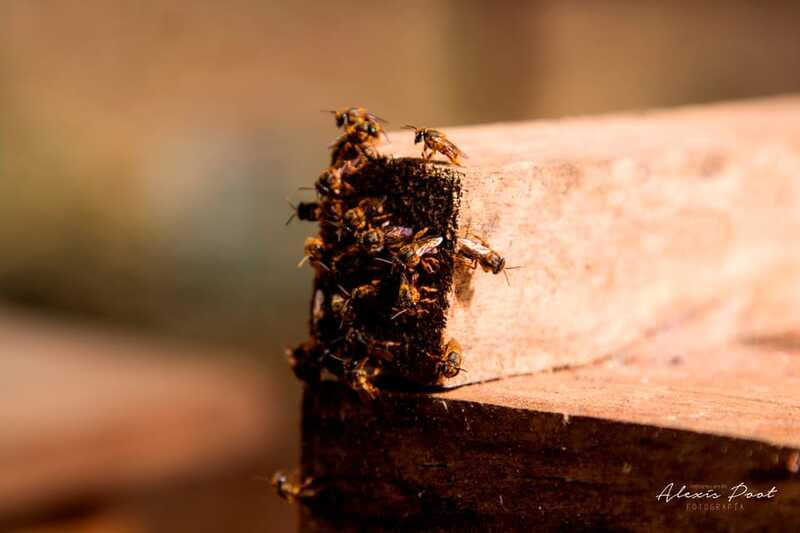
Xkopek Parque Apícola is located at Calle 57 x 38, Colonia San Juan, beside the Los Frailes taxi union near Villas del Sol. You can take a taxi to the address or drive using Google Maps. Transportation to the site is not included, so allow for that extra cost when planning your budget.
The 90-minute length makes this easy to fit between other Valladolid activities. You can schedule it during a morning or afternoon without giving up a full day. Check the available starting times when booking, since departure times can vary.
The group is limited to 10 participants. That limit matters at the cenote and hive, where a large crowd would make it harder to see and hear. It also gives you a better chance to ask questions in English or Spanish.
Wear closed shoes and clothes suitable for walking. The trails include stairs and stony ground. Only organic repellent is allowed, so do not apply a conventional insect spray before arriving. Fresh water is included, but you should still dress for a warm outdoor visit.
The activity is not suitable for children under five. For older children, the deciding factor is less about the bees and more about the walking conditions and ability to listen quietly near the hive.
You can cancel up to 24 hours in advance for a full refund, and the reserve-now, pay-later option keeps your plans flexible. Those terms are useful if you are arranging a Yucatan itinerary with several moving parts.
Who will enjoy Xkopek most
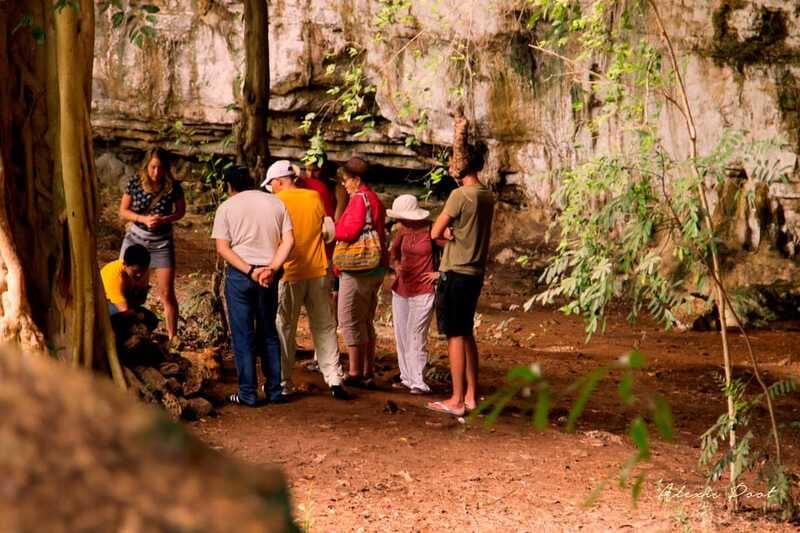
I would choose this tour if you like food experiences with a real connection to place. The honey tasting has more meaning after you have seen the plants and the bees that produce it.
It also suits anyone curious about Mayan bee traditions and local ecology. You do not need specialist knowledge. The guide explains the subject in an approachable way, and the stingless bees make the close observation less intimidating.
Families with children over five may enjoy it, especially if the children like animals and nature. Adults who dislike insects should think carefully, even though these bees do not sting. You will still spend time near active colonies.
This is also a good choice for a short Valladolid stay. Because it lasts only 90 minutes and sits within the city, it is easier to fit into your schedule than a distant countryside excursion. A taxi ride is required unless you have your own vehicle, but there is no need to arrange a full-day transfer.
I would skip it if you want a swimming stop, a long hike, or a broad wildlife tour. The experience stays tightly focused on bees, plants, honey, and the dry cenote.
My practical verdict on this bee tour
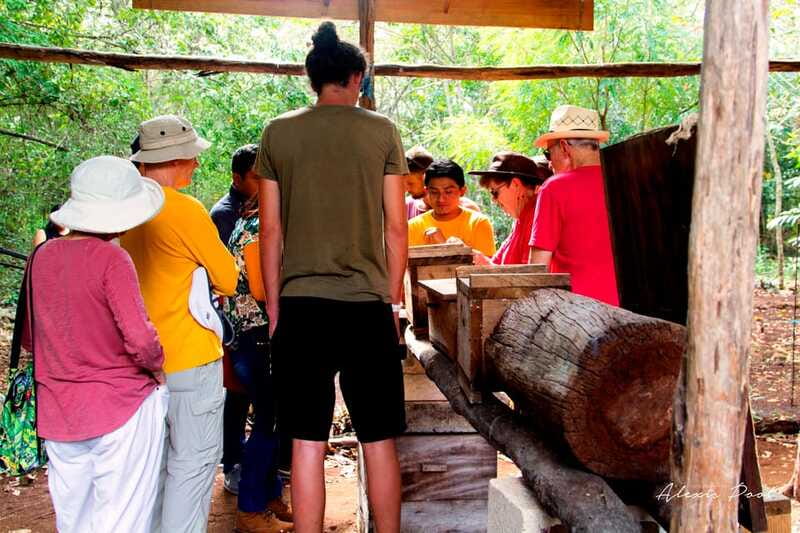
Xkopek gives you an unusual look at Valladolid’s natural side without requiring a full day or a large budget. I especially like the progression from local plants, to wild bees in a dry cenote, to a managed hive, and finally to honey tasting. Each stage helps explain the next.
The strongest praise centers on the guide’s explanations, the beauty of the setting, the close view of the bees, and the generous tasting. Eduardo is one guide who has made a strong impression with clear answers and useful information. The small group size should help preserve that personal feel.
Book it if you want an easy, thoughtful activity that connects Yucatecan nature with something you can taste. Just wear sturdy closed shoes, use organic repellent only, and arrive ready for stairs and rough paths. At $18, it is a good buy for curious visitors who would rather learn where honey comes from than simply purchase a jar.
FAQ
How long does the Xkopek Mayan Bees Tour last?
The tour lasts 90 minutes, including the walking sections, cenote visit, hive demonstration, and honey tasting.
Where does the tour meet?
It meets at Xkopek Parque Apícola on Calle 57 x 38 in Colonia San Juan, beside the Los Frailes taxi union near Villas del Sol in Valladolid.
Is transportation included?
No. You need to take a taxi or drive yourself to the meeting point using Google Maps.
Are the bees dangerous?
The local bees seen in the dry cenote are stingless varieties, so they do not have stings. You should still follow the guide’s instructions while observing them.
Is the tour offered in English?
Yes. Live guides are available in English and Spanish.
Can young children join?
Children under five are not permitted on this activity. The trails also include stairs and stony areas, so all participants should be comfortable walking on uneven ground.
Newly listed around Merida
- Uxmal and Kabah Ruins Tour with Chocolate History★ 4.5 · 54 reviews
- Tour to Uxmal Kabah and Chocolate Museum from Mérida★ 4.5 · 102 reviews
- Merida Food Tour with local Yucatecan Chef★ 5.0 · 30 reviews
- Mike&Duck Walking Tour Merida★ 5.0 · 80 reviews
- Tour Valladolid, Cenote Suytun and Cenote Oxman from Mérida★ 5.0 · 41 reviews
- Taste of the Yucatan: Merida Cooking Class and Market Visit★ 5.0 · 291 reviews
- Shared Transportation Airport Merida to Hotels in Merida★ 4.5 · 45 reviews
- 4 Cenotes Tour in Homún all inclusive from Merida★ 5.0 · 96 reviews
Food & Drink, compared.

Cabo Beach Camel Ride, Mexican Buffet and Tequila Tasting
Read our review →
Early morning Chichen Itza Tour: Cenote and Tequila Tasting
Read our review →
4×4 ATV Adventure with Tequila Tasting and Mexican Buffet Lunch
Read our review →
Cancun ATV Jungle Adventure, Ziplines, Cenote and Tequila Tasting
Read our review →
Winner 2025 Downtown Vallarta Food Tour with Vallarta Food Tours
Read our review →
ATV Tour, Camel Ride, Tequila Tasting and Mexican Buffet Lunch
Read our review →
Cabo Migrino Beach and Desert ATV Tour plus Tequila Tasting
Read our review →
Food & Mixology Tour:Tequila,Tacos, Mezcal and Agave Cocktails
Read our review →Browse the lists this tour appears in