
Reviewed · SAN CRISTOBAL DE LAS CASAS TOURS
Customs of indigenous villages of Chiapas
Chiapas keeps its oldest beliefs in plain sight. This small-group tour from San Cristóbal de las Casas takes you into Chamula and nearby Zinacantán, where Catholic churches hold Tzotzil and Mayan rituals, cemeteries reflect local beliefs, and family workshops keep textile traditions alive. I like the maximum group size of four, and I like that the experience goes beyond a quick church visit with local art, breakfast, and a textile demonstration.
The guide, Rudy, receives especially strong praise for his English, clear explanations, and easy manner. He covers religion, government, marriage customs, funerals, and daily life without turning the visit into a dry lecture. The main drawback is value: at $77.07 per person, the price is fair for a private-feeling half-day, but breakfast costs extra and some stops are brief.
In This Review
- Key points before you book
- Why these villages matter near San Cristóbal
- Inside Iglesia de San Juan Bautista in Chamula
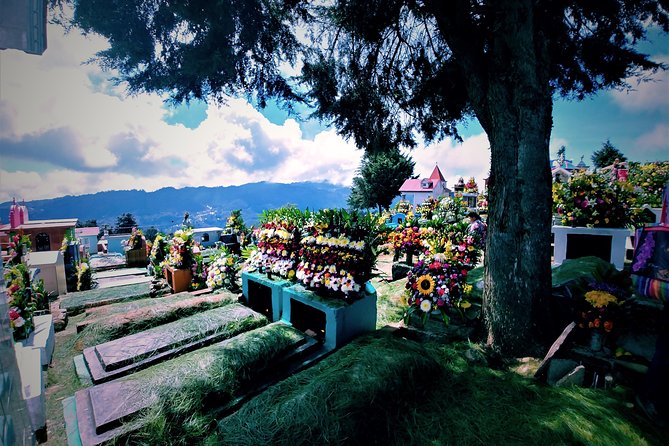
- San Juan Chamula cemetery and Day of the Dead traditions
- Art, breakfast, and highland views at Art Tex
- Iglesia de San Lorenzo in Zinacantán
- Traditional clothing at a local artisan family
- What the $77.07 price delivers
- Timing, pickup, and group size
- Who will enjoy this experience most
- Should you book Customs of Indigenous Villages of Chiapas?
- FAQ
- Where does the tour begin?
- Where does the tour end?
- How long does the experience last?
- How much does the tour cost?
- Is pickup available?
- Is the tour conducted in English?
- How large is the group?
- Is breakfast included?
- What happens if the tour is canceled because of weather or low enrollment?
Key points before you book
- Chamula’s church is the emotional center: Iglesia de San Juan Bautista offers a rare look at Tzotzil religious practice and Catholic-indigenous symbolism.
- A four-person limit changes the experience: You get more room to ask questions than on a large coach tour.
- Rudy is a major strength: His fluent English and background in Chiapas help explain customs that can be difficult to understand at first glance.
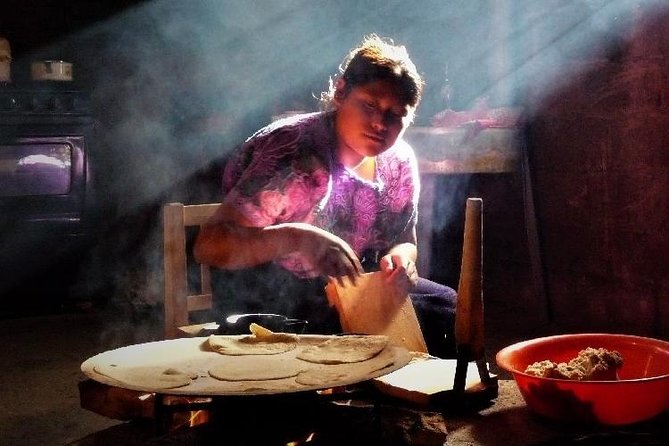
- Textiles are shown at family level: You visit local artisans, try on traditional clothing, and learn how the garments are made.
- Breakfast comes with a view, but costs extra: The meal stop is not included in the tour price.
- The tour lasts five to six hours: Pickup is offered, with the listed meeting point at Arco del Carmen and the end at Plaza de la Paz.
Why these villages matter near San Cristóbal
San Cristóbal de las Casas is a useful base for seeing the highland villages around it, but the two communities on this tour are not simply scenic side trips. They offer a look at living Indigenous traditions, especially among Tzotzil communities.
The focus is on how pre-Hispanic beliefs and Catholic practices exist together. That mixture is easiest to understand inside the churches, where the religious setting is not arranged like a standard colonial church visit. Your guide explains what you are seeing and why certain rituals matter.
I value that approach because a quick visit can leave you with a few striking images but little meaning. Here, the guide connects the churches with customs surrounding death, clothing, art, and community life. You are not left to guess why the villages follow traditions that may look unfamiliar.
This is also a personal tour rather than a large group outing. With no more than four people, you can ask for clarification, slow down for a question, or spend a little more time on a subject that interests you. The experience is offered in English, and Rudy is praised for speaking fluently and explaining complex cultural subjects in a clear way.
A few more San Cristobal de las Casas runs worth comparing
- San Cristóbal: Canyon, Viewpoints & Chiapa de Corzo Tour
★ 4.7 · 231 reviews - From San Cristóbal: Chamula and Zinacantán Guided Tour
★ 4.4 · 203 reviews - San Cristóbal: Agua Azul, Misol Ha & Palenque Experience
★ 4.3 · 186 reviews
Inside Iglesia de San Juan Bautista in Chamula
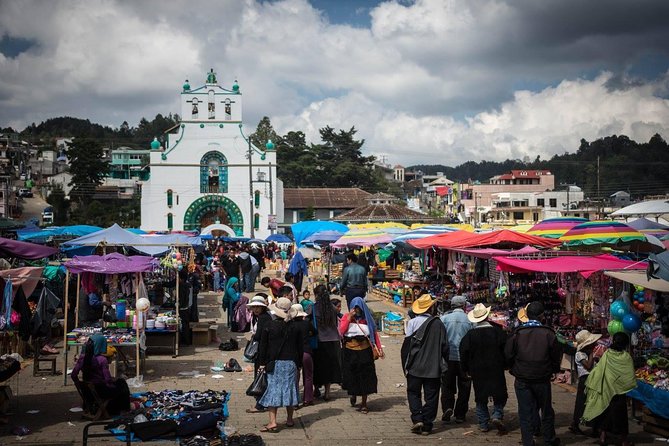
The first major stop is Iglesia de San Juan Bautista, the church in San Juan Chamula. It receives about 45 minutes, and admission is included.
The church is the main reason many people make the trip to Chamula. Your guide introduces the rituals practiced inside and explains their symbols and meaning. The visit is less about admiring architecture and more about trying to understand a sacred place shaped by Indigenous belief.
The experience can feel powerful because the church represents a fusion of pre-Hispanic religion and Catholic practice. That combination is not presented as a simple replacement of one faith by another. Instead, the tour explains how elements from different traditions appear together in the religious life of the community.
This is the point where a guide matters most. Without explanation, you might notice unusual ritual details but miss their connection to Tzotzil and Mayan belief. Rudy’s strength is his ability to provide context while keeping the visit personal and understandable.
You should approach this stop with respect. It is an active place of worship, not a performance arranged for sightseeing. The tour description emphasizes the sacred nature of the rituals, so listen carefully to your guide and follow any local instructions during the visit.
The 45-minute time slot is long enough for an introduction and questions, though it is not an extended study session. If religious traditions interest you, this will likely be the most important part of the morning. If you prefer architecture alone, you may find the cultural explanation more valuable than the building itself.
San Juan Chamula cemetery and Day of the Dead traditions
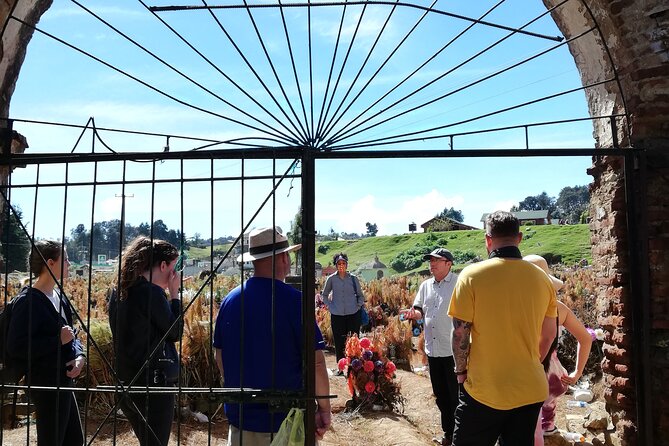
The next stop is the Cementerio de San Juan Chamula, with about 30 minutes and no extra admission charge.
Here, the subject shifts from worship to death and remembrance. Your guide explains Day of the Dead customs among the Tzotzil people of Chamula and connects them with Mayan origins. That gives you a wider view of local belief, showing that religious practice is not confined to the church.
The cemetery visit also helps explain how local ideas about family, death, and remembrance fit into the wider culture of Mexico. The guide’s role is important again because the meaning of a cemetery can be easy to misunderstand if you compare it too quickly with traditions at home.
Thirty minutes is a sensible amount of time for this stop. It lets you hear the explanation and look around without making the visit feel rushed or overly long. As with the church, you should treat the site as a place of significance rather than a photo stop.
I like the way this part links directly to the church. You first learn about religious practice, then see how related beliefs appear in customs surrounding the dead. The two stops work better together than they would as isolated visits.
Art, breakfast, and highland views at Art Tex
Back in San Juan Chamula, the tour visits Art Tex Independent Art Gallery, run by local painter Tex Lopez. You spend about an hour here, with no admission fee.
The gallery presents paintings by local artists inspired by everyday life and community festivities. That makes it a useful counterpoint to the religious stops. Instead of only hearing about culture through a guide, you see how local artists interpret their own surroundings.
The stop is also a chance to pause. Breakfast is served at a location with a beautiful view of the surrounding highland, but the meal is not included in the $77.07 tour price. Plan for that extra cost rather than treating breakfast as part of the package.
This is one of the tour’s more appealing features because it combines art, food, and scenery without taking you away from the main subject. The view gives you a sense of the setting around the villages, while the gallery connects daily life and festivities with local creative work.
Still, the exact breakfast menu and price are not specified, so you should not book this tour expecting a particular dish or a full meal included in the fare. I would see it as a convenient local stop and a chance to try something fresh, not as a major value included in the ticket.
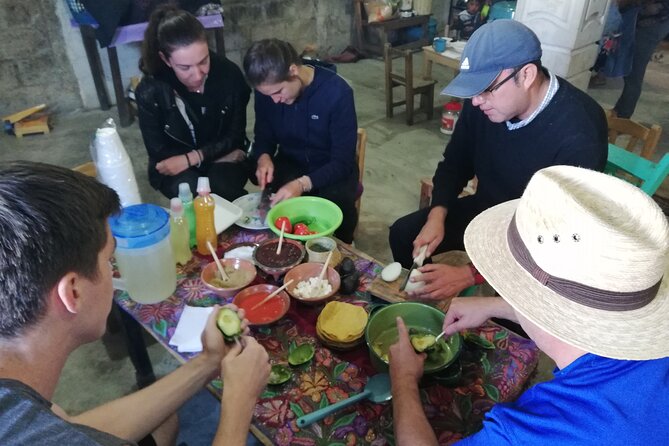
One account of the tour describes a delicious fresh breakfast at an authentic house, along with an explanation of textile production. The listed itinerary places breakfast at the Art Tex stop and the textile visit at a separate artisan family stop. Either way, the food component appears to be tied to local homes or small-scale settings rather than a standard restaurant package.
Same base, a different sort of day:
- Sumidero Canyon and Chiapa de Corzo Tour Compartido
★ 4.6 · 131 reviews - From San Cristobal: Sumidero Canyon & Chiapa de Corzo Tour
★ 4.6 · 102 reviews - From San Cristóbal: Agua Azul and Palenque Day Trip
★ 4.2 · 75 reviews - Sumidero Canyon, Chiapa de Corzo Magical Town from San Cristóbal de las Casas
★ 4.0 · 70 reviews
Iglesia de San Lorenzo in Zinacantán
The tour then moves to Iglesia de San Lorenzo, allowing about 30 minutes with admission included.
This church adds another layer to the cultural picture. Your guide explains the meeting of pre-Hispanic religion and Catholicism, along with symbolism connected to this Indigenous culture, described in the tour material as having Aztec origins.
The stop is shorter than the visit to San Juan Bautista, but it provides a useful comparison. Seeing two churches in different communities helps you notice that Indigenous Catholic practice is not identical from village to village. The experience is not just one church repeated twice.
The tour also highlights the legend of a jaguar. That detail gives the visit a memorable story and shows how local symbolism can connect animals, identity, and belief. Ask Rudy to explain the legend fully if it interests you, since this is the sort of detail that can pass quickly during a timed visit.
Because the stop lasts only half an hour, you will not have unlimited time to explore. The value comes from the guide’s interpretation, not from lingering on your own. I would pay close attention here, especially if you want to compare the religious traditions of Chamula and Zinacantán.
Traditional clothing at a local artisan family
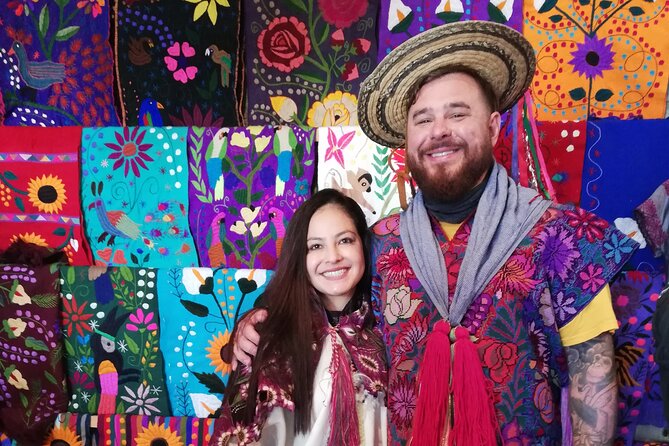
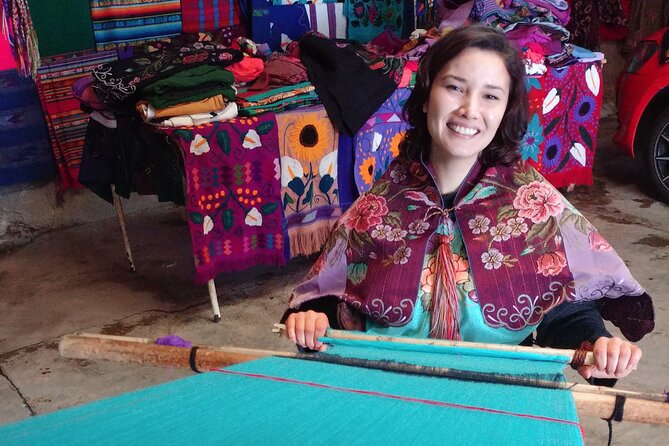
The final listed stop is at the Former Temple of San Lorenzo, where you visit a local family of artisans. The visit lasts about 30 minutes and has no separate admission fee.
You can try on traditional clothing and learn about textile production. This is a practical finish to the tour because it moves from explanation to direct participation. You see how clothing relates to community identity, then get a chance to handle and wear the garments yourself.
A family workshop also offers a more personal setting than a large commercial showroom. The tour description does not provide details about specific products, prices, or whether purchases are expected, so I would treat the visit as a cultural demonstration first.
Textiles are one of the clearest ways to connect everyday life with tradition. The clothing is not just decoration for a photograph. It can express local identity and community customs, and the guide can explain those connections as you see the production process.
Thirty minutes is enough for an introduction, but it may feel short if you want a detailed lesson on every stage of weaving or embroidery. The time works best as part of the larger tour, where the clothing visit reinforces what you have already learned about the villages.
What the $77.07 price delivers
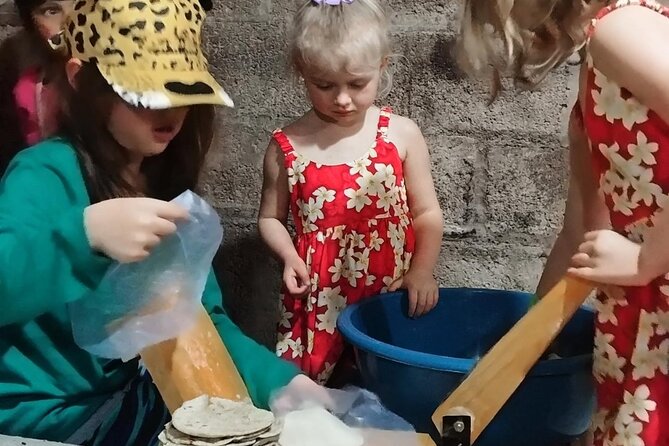
At $77.07 per person, this is not the cheapest way to see the villages. The fare makes more sense when you consider the small group of no more than four people, pickup availability, an English-speaking guide, included admission at the two churches, and the amount of cultural explanation built into the day.
You are paying for interpretation as much as transport and sightseeing. The churches and villages can be visited without this particular tour, but understanding the rituals, symbolism, Mayan connections, and textile traditions is harder without someone who can explain them well.
The value is strongest for solo visitors, couples, and small groups who prefer questions and conversation over a large bus. It is also useful if you have limited time in San Cristóbal and want several related experiences arranged in one half-day.
The price feels less attractive if you mainly want transportation or independent wandering. Breakfast is not included, and some stops last only 30 minutes. Someone looking for a slow, open-ended village visit may feel the schedule is too structured.
The 97 percent recommendation rate and 4.9 rating from 76 reviews point to a consistently strong experience, especially for the guide and the personal scale. One assessment considered the trip worthwhile but slightly overpriced. I think that is a fair warning: the tour is good value for cultural interpretation, not necessarily for the number of hours alone.
Timing, pickup, and group size
The advertised duration is approximately five to six hours. Pickup is offered, and the listed start point is Arco del Carmen on Miguel Hidalgo in central San Cristóbal de las Casas. The tour ends at Plaza de la Paz in the city center.
That start and end arrangement matters if you are planning other activities. You finish in a central area rather than at a distant attraction, but you should still allow room in your day because the overall time is approximate.
The tour is offered in English. Rudy is praised for clear communication, and the language option makes the cultural explanations easier to follow if English is your preferred language.
The small group limit is one of the best practical features. A group of four allows the guide to respond to individual interests and creates a quieter setting inside sensitive cultural sites. It also means availability may be limited, so planning ahead is sensible. The average booking point is 25 days before the visit.
Confirmation normally arrives when you book. If you reserve within five days of the tour, confirmation may take up to 48 hours and depends on availability. The experience requires good weather and a minimum number of participants. If poor weather or low enrollment cancels the trip, you are offered another date or experience, or a full refund.
You can cancel for a full refund up to 24 hours before the start time. Changes or cancellations made less than 24 hours ahead are not accepted for a refund.
Who will enjoy this experience most
I would choose this tour if you want cultural context and a personal guide more than free time. It suits you especially well if you are curious about religion, Indigenous identity, death traditions, local art, or textiles.
It is also a good fit for first-time visitors to San Cristóbal who want an organized introduction to nearby villages. The stops cover several subjects in one morning: sacred practice, cemeteries, painting, food, clothing, and textile work.
Families and small private parties may appreciate the four-person cap, though the tour data does not provide a child age policy. Most participants can take part, and service animals are allowed. The meeting area is near public transportation, which adds flexibility if you are not using pickup.
You may want to skip it if you dislike guided cultural visits, prefer to set your own pace, or are mainly interested in markets and shopping. The tour is centered on explanation and local customs, not on a long list of purchases or free exploration.
Should you book Customs of Indigenous Villages of Chiapas?
Yes, if you want to understand what you are seeing rather than simply pass through the villages. The church in Chamula is the central reason to go, but the cemetery, art gallery, breakfast stop, second church, and artisan family make the half-day feel rounded.
I would book it for the small group and for Rudy’s clear English explanations. I would also budget extra for breakfast and accept that $77.07 is a premium price for a five to six-hour outing.
If your schedule allows only one organized cultural trip from San Cristóbal, this is a strong choice. Book early if you want the best chance of securing a place, and choose it with respect for the sacred nature of the churches and cemeteries. The reward is a closer look at traditions that remain part of daily life, not a staged cultural display.
FAQ
Where does the tour begin?
The listed starting point is Arco del Carmen, Miguel Hidalgo S/N, Centro, San Cristóbal de las Casas, Chiapas.
Where does the tour end?
The tour ends at Plaza de la Paz in the Zona Centro of San Cristóbal de las Casas.
How long does the experience last?
The tour lasts approximately five to six hours.
How much does the tour cost?
The listed price is $77.07 per person.
Is pickup available?
Yes. Pickup is offered.
Is the tour conducted in English?
Yes. The experience is offered in English.
How large is the group?
The tour has a maximum of four participants.
Is breakfast included?
No. The tour includes a breakfast stop, but the meal is not included in the price.
What happens if the tour is canceled because of weather or low enrollment?
You will be offered a different date or experience, or a full refund.
Newly listed around San Cristobal de las Casas
- Sumidero Canyon & Chiapa de Corzo from Tuxtla & San Cristobal★ 4.0 · 32 reviews
- Sumidero Canyon, Chiapa de Corzo Magical Town from San Cristóbal de las Casas★ 4.0 · 70 reviews
- Sumidero Canyon, Miradores del Cañón and Pueblo Chiapa de Corzo.★ 4.0 · 70 reviews
- Cañon Del Sumidero, miradores From San Cristobal de Las Casas★ 4.5 · 67 reviews
- San Cris – Canyon of the Sump Miradores Chiapa – San Cris in Spanish★ 4.5 · 36 reviews
- Day Trip to Agua Azul Waterfalls and Palenque from San Cristobal★ 3.5 · 46 reviews
- Sumidero National Park Full-Day Trip from San Cristobal★ 4.4 · 66 reviews
- San Cristobal: Sumidero Canyon, Chiapa de Corzo, & Miradores★ 4.4 · 63 reviews
San Cristobal de las Casas Tours, compared.
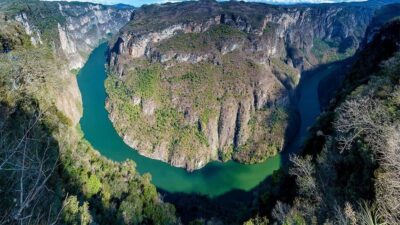
San Cristóbal: Canyon, Viewpoints & Chiapa de Corzo Tour
Read our review →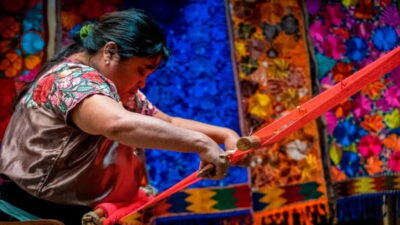
From San Cristóbal: Chamula and Zinacantán Guided Tour
Read our review →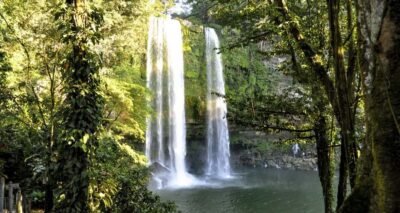
San Cristóbal: Agua Azul, Misol Ha & Palenque Experience
Read our review →
Sumidero Canyon and Chiapa de Corzo Tour Compartido
Read our review →
From San Cristobal: Sumidero Canyon & Chiapa de Corzo Tour
Read our review →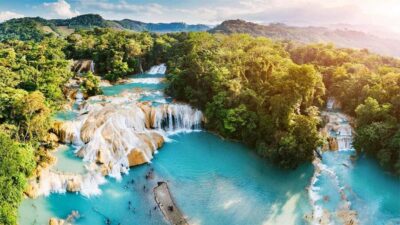
From San Cristóbal: Agua Azul and Palenque Day Trip
Read our review →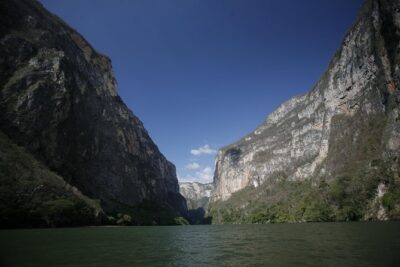
Sumidero Canyon, Chiapa de Corzo Magical Town from San Cristóbal de las Casas
Read our review →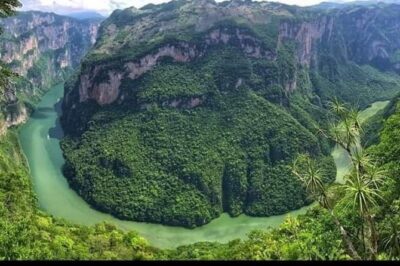
Sumidero Canyon, Miradores del Cañón and Pueblo Chiapa de Corzo.
Read our review →Browse the lists this tour appears in