
Reviewed · COOKING CLASSES
Mexican Cooking Class in Zihuatanejo de Azueta
The market is your first cooking lesson. This four-hour experience pairs a guided visit to Zihuatanejo’s central market with hands-on Mexican cooking in a welcoming home or garden setting. I like the personal touch from Carlos and Elsa, and I like that you eat the meal you prepare rather than simply watching a demonstration. The only point to weigh is the early 8:30 a.m. start and the sometimes-flexible setting, which may take place at a private home, garden, or boutique hotel courtyard.
The class is especially appealing if you want more than a resort activity. Carlos handles transportation and the market visit, while Elsa leads the cooking. You may prepare tamales, enchiladas, chiles rellenos, sopes, taquitos, guacamole, salsas, hibiscus tea, and dessert, depending on the group and its interests. Since the menu can be personalized, the exact dishes may vary.
In This Review
- Key Points At a Glance
- Starting at 8:30 a.m. With Carlos
- Zihuatanejo Central Market: A Practical Food Lesson
- Cooking With Elsa in a Home or Garden
- What You May Cook During the Four Hours
- Chiles Rellenos
- Tamales
- Enchiladas and Handmade Sauce
- Sopes, Taquitos, Guacamole, and Salsas
- Drinks and Dessert
- Why the Personal Setting Matters
- Timing, Transportation, and Value
- Who Will Enjoy This Most
- Booking and Cancellation Details
- Should You Book the Zihuatanejo Cooking Class?
- FAQ
- Where does the Mexican cooking class take place?
- What time does the experience start?
- Is transportation included?
- How many people can join the class?
- What dishes are included?
- Can I cancel for a full refund?
Key Points At a Glance
- Market visit before cooking: Carlos takes you through the Zihuatanejo market and helps select fresh ingredients for the meal.
- Small groups of up to 10: The limited size keeps the class more personal and gives you room to work.
- Cooking in a local home setting: Elsa teaches in a home or pleasant outdoor courtyard, creating a relaxed, family-style mood.
- Several classic Mexican dishes: Chiles rellenos, tamales, enchiladas, sopes, taquitos, guacamole, and handmade sauces may all appear.
- You eat what you prepare: The class finishes with a full shared meal, drinks, and a chance to enjoy your work.
- Recipes and photos afterward: The hosts have sent recipes and class photos to participants, a useful bonus for recreating the dishes at home.
Starting at 8:30 a.m. With Carlos
Your morning begins with pickup from your hotel or hosting place at about 8:30 a.m. Transportation is provided in both directions, which matters in Ixtapa and Zihuatanejo because the cooking location is not simply a meeting point in the middle of a resort district.
Carlos is the host you are likely to meet first. His role is not just driving. He introduces you to daily food shopping in Zihuatanejo and explains the produce, chilies, herbs, spices, corn products, coffee, kitchen tools, and other goods sold at the market.
I like this arrangement because it gives the cooking class a useful beginning. Instead of meeting pre-measured ingredients on a counter, you see where those ingredients come from and how local shopping works. If you plan to visit the market again during your stay, this first tour can help you get your bearings and recognize foods you might otherwise pass by.
Some groups have also stopped at a local bakery or taken a short drive through downtown before heading to the class. Those details are not guaranteed, but they show how the morning can feel more like a local outing than a fixed demonstration.
More Cooking Classes in Mexico:
- Cabo San Lucas Mexican Cooking Class Experience and Local Markets
★ 5.0 · 915 reviews - Puerto Vallarta Cooking Class Experience with Market Tour
★ 5.0 · 698 reviews - Authentic Mexican Legacy Cooking Class in Cabo San Lucas
★ 5.0 · 530 reviews
Zihuatanejo Central Market: A Practical Food Lesson
The market is a major part of the experience, not a quick stop added to the schedule. You may see produce, spices, chilies, flours, tortillas and other corn products, coffee, cookware, dishware, and everyday household goods all in one place.
For a visitor used to supermarkets, the market can feel like a lot to take in. The stalls may include items you would not normally buy, and some sights and smells may be unfamiliar. That is part of its value. Carlos can explain what you are seeing and help choose the ingredients needed for the cooking session.
The shopping also gives you a better sense of Mexican cooking as a process. A sauce is not just a red topping from a jar. It begins with specific chilies, tomatoes, herbs, and seasonings. A tamal is not simply a wrapped snack. It depends on corn dough, filling, preparation, and the right wrapping method.
The market portion may also be useful for shoppers who want to take something home. One participant received help buying a molcajete, the traditional stone tool used for grinding ingredients. That kind of assistance can turn a confusing purchase into a memorable souvenir, though any extra shopping is separate from the cooking lesson.
Cooking With Elsa in a Home or Garden
After the market, Elsa leads the cooking portion. The class has taken place in the couple’s home, a shaded garden, or the courtyard of a boutique hotel in La Ropa. The exact venue can vary, so you should think of this as a personal cooking session rather than a formal culinary school with a fixed classroom.
That informal setting is one of the best reasons to book. Elsa teaches in a warm, conversational way, and the class feels more like preparing food with family than sitting through a staged presentation. You are expected to participate. You may chop, mix, fill, fold, shape, roast, and assemble the dishes yourself.
Aprons are provided, which is helpful because Mexican cooking can involve sauces, dough, roasted peppers, and plenty of hands-on preparation. You should still wear comfortable clothing that you do not mind getting a little messy.
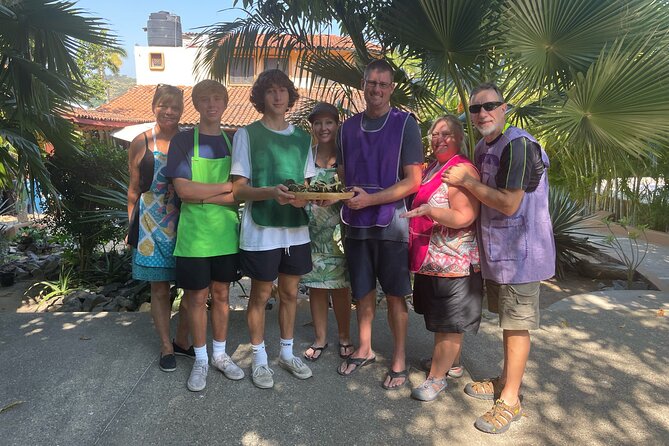
Elsa’s daughter has also helped with some classes. The family’s hospitality is a major part of the mood. You are welcomed into a personal setting, and the hosts have taken photographs while participants worked, allowing people to keep their hands on the food instead of constantly reaching for a phone.
What You May Cook During the Four Hours
The stated focus includes three classic dishes: tamales, enchiladas, and chiles rellenos. In practice, the menu may expand to include several smaller dishes and accompaniments.
A few more Mexico runs worth comparing
- Private Ixtapa and Zihuatanejo City Tour
★ 5.0 · 137 reviews - Ixtapa Island Tour
★ 4.5 · 134 reviews - Xihuacan Culture and Archaeology Tour
★ 5.0 · 116 reviews - Baby Sea Turtle Releasing Sightseeing Tour with Luis de la Maza
★ 5.0 · 111 reviews
Chiles Rellenos
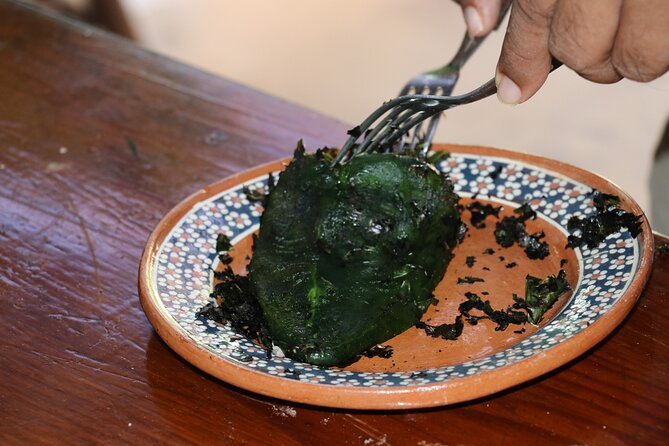
Chiles rellenos are the featured main dish. A poblano pepper is traditionally stuffed with cheese or meat and covered with tomato sauce. The preparation teaches several important Mexican cooking techniques, including handling roasted peppers and building a sauce from basic ingredients.
The peppers can be a good choice for cooks who want a dish that feels special but uses ingredients that may be available outside Mexico. One participant particularly enjoyed making enchilada sauce from scratch, and that is likely to be one of the most useful lessons to repeat at home.
Tamales
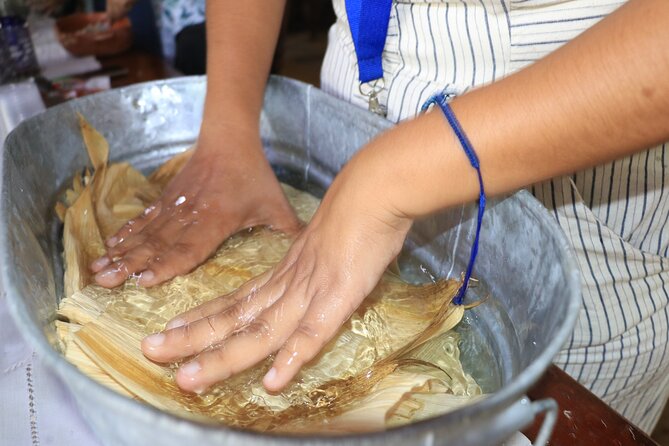
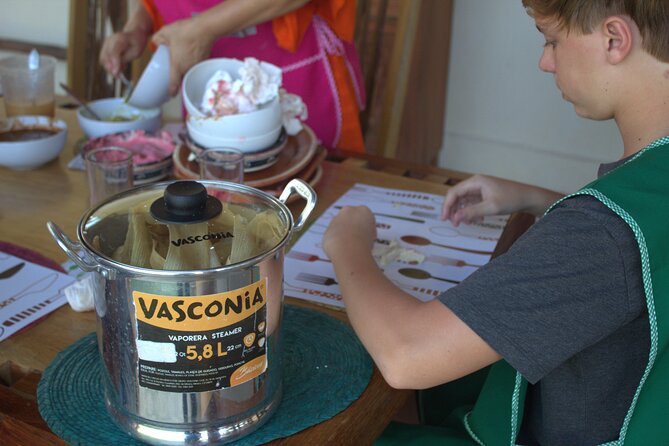
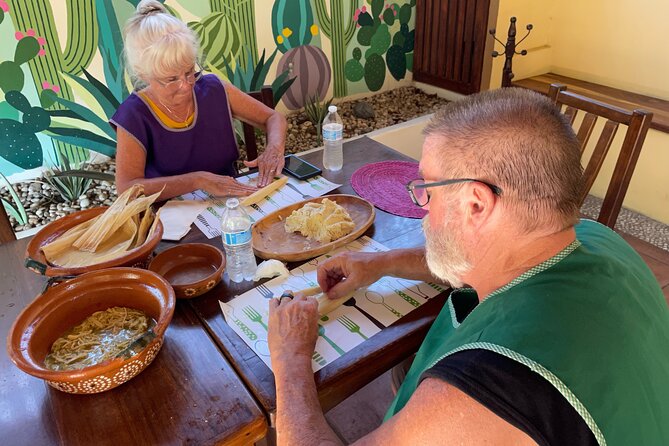
Tamales require more steps than many quick Mexican dishes. You work with corn dough, filling, and corn husks, then learn how the tamal is assembled and wrapped. The process is slower and more tactile, which makes it a good fit for a class where the point is learning, not rushing through lunch.
Tamales can also be one of the more rewarding dishes to bring back into your own kitchen. The class gives you a chance to see the method in person, which is far easier than trying to understand the folding and wrapping from a recipe alone.
Enchiladas and Handmade Sauce
Enchiladas are another central dish, and the sauce is where much of the flavor comes from. Elsa may show you how to make it from scratch rather than relying on a prepared product.
This is the kind of detail I value in a cooking class. You learn not only what to put into a dish, but how the seasoning changes the final result. The experience focuses on the flavors associated with Zihuatanejo, so the class is not simply a generic version of Mexican food adapted for tourists.
Sopes, Taquitos, Guacamole, and Salsas
Depending on the group’s interests, you may also prepare sopes, taquitos, guacamole, and several salsas. These additions create a broader meal and give you techniques you can use for snacks, parties, or a casual dinner at home.
The menu has been adjusted for dietary needs. One participant reported that Elsa prepared alternatives for a cow’s milk allergy. You should still explain any allergy or restriction when booking and confirm what can be accommodated, since the available menu is not fully specified in advance.
Drinks and Dessert
The food is accompanied by drinks, and past classes have included hibiscus tea, wine, mezcal, and other beverages. Coconut candy has been served for dessert. A mezcal toast before the meal was a memorable touch for one group, though the exact drinks are not promised.
The meal is not an afterthought. Once the cooking is finished, you sit down and eat what you made. That shared table time gives you a chance to talk with Carlos and Elsa about Zihuatanejo, their lives, and other places they have lived.
Why the Personal Setting Matters
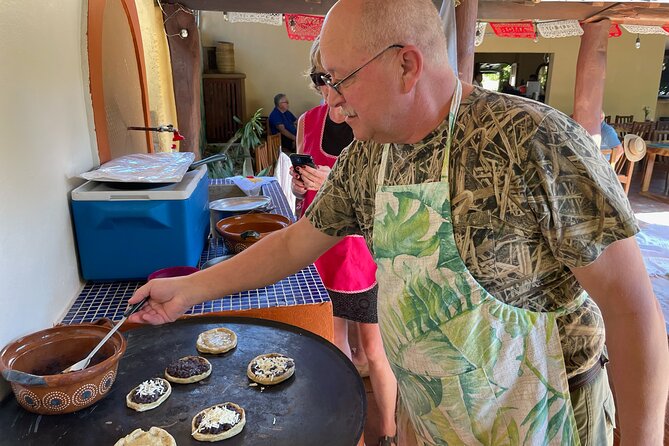
A cooking class can be useful without being personal. This one gets much of its appeal from the hosts themselves. Carlos and Elsa welcome you into their home or a similarly intimate setting, and the atmosphere is relaxed rather than commercial.
I like that the experience connects several parts of local life: the market, the ingredients, the cooking, and the family table. You are not just collecting a recipe. You are seeing how food moves from a market stall to a prepared meal.
The small-group limit of 10 is important. A class with six people has been described as especially comfortable, and a group of that size gives you more time to ask questions and handle the ingredients. With the maximum of 10, the experience should still remain manageable, but it will be less quiet and less individualized than a private lesson.
The personal style also means that the experience may not be perfectly uniform. The setting, dishes, and pace can depend on the group, the location, and dietary interests. If you want a polished classroom, printed schedule, and identical menu every time, this may feel loose. If you prefer a flexible lesson with real people, it is a strong match.
Timing, Transportation, and Value
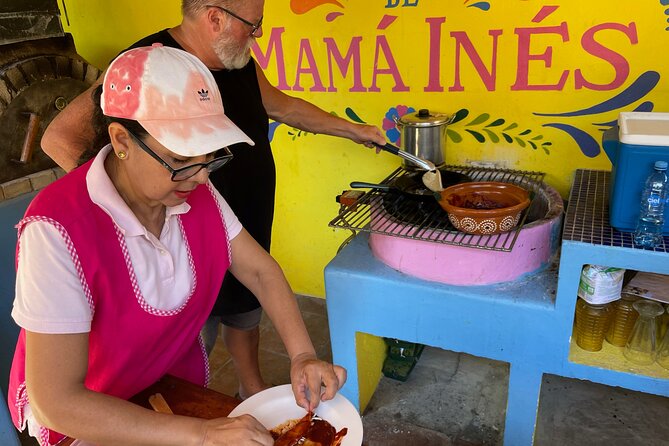
The tour lasts about four hours, beginning at 8:30 a.m. That is enough time for the market, transportation, preparation, cooking, and a full meal, but it is not an all-day food expedition.
Pickup and return transportation add real value. You do not need to arrange a taxi to an unfamiliar neighborhood or worry about getting back after a leisurely meal. Ask the provider about your exact pickup location if you are staying outside the usual hotel areas, since the information specifically advises confirming unusual locations.
No tour price is provided here, so I cannot judge the exact cost. I would measure the value against what is included: transportation in both directions, the market orientation, instruction, ingredients, food, drinks, and the time spent with Carlos and Elsa. You are getting more than a meal and more than a short cooking demonstration.
Recipes and photos may also be sent afterward. That gives the experience value beyond the morning itself, especially if you want to recreate the sauces, tamales, or chiles rellenos at home.
Who Will Enjoy This Most
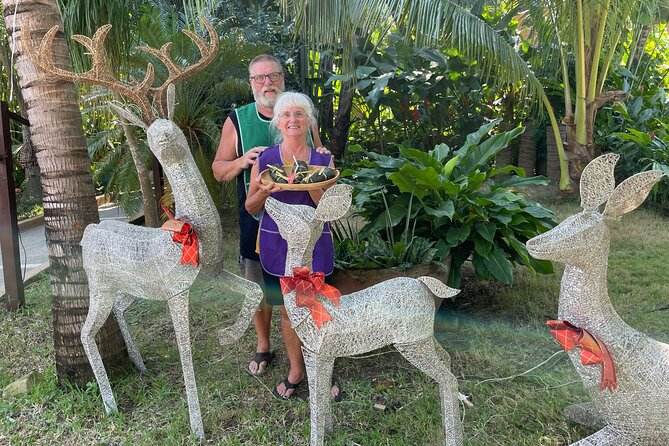
I would recommend this class to several types of visitors:
- Food-focused visitors who want to understand Mexican ingredients and preparation.
- Families looking for a shared activity where adults and older children can take part.
- Couples and friends who enjoy eating as much as cooking.
- Repeat visitors to Ixtapa or Zihuatanejo who want to see the area through local food.
- Home cooks who want recipes that can be attempted with ingredients commonly available in the United States.
- People who prefer small, personal experiences over a large group demonstration.
It is less suitable if you dislike market settings, do not want hands-on work, or need a tightly fixed menu. The class involves participation, and the meal is built during the session. You should also be comfortable with the possibility of working in a private home or outdoor space rather than a purpose-built cooking studio.
Booking and Cancellation Details
The experience is offered in English, includes a mobile ticket, and confirms your booking at the time of reservation. The maximum group size is 10 people.
Free cancellation is available if you cancel at least 24 hours before the 8:30 a.m. start time. Changes or cancellations made less than 24 hours ahead are not accepted for a refund. Poor weather or failure to reach the minimum group size can result in a different date or a full refund.
One practical note: a complaint about the booking platform did not concern the cooking experience itself. If you have a way to contact carelsytours directly, compare that option with third-party booking before paying. The provider is identified as carelsytours, and Carlos and Elsa can also be found through the Zihua Cooking Class name on Facebook.
Should You Book the Zihuatanejo Cooking Class?
I would book this experience if you want a personal food day rather than a standard resort excursion. The strongest reasons are the market visit with Carlos, Elsa’s patient hands-on instruction, the chance to cook several dishes, and the generous meal afterward.
The class works best when you arrive ready to participate and accept a little flexibility. Confirm pickup, mention dietary needs early, and understand that the menu and venue may change. If that sounds comfortable, this is one of the better ways to connect with Zihuatanejo through food, family hospitality, and everyday shopping.
FAQ
Where does the Mexican cooking class take place?
The cooking portion has taken place in Carlos and Elsa’s home, in a shaded garden, or in the courtyard of a boutique hotel in La Ropa. Confirm the exact venue when booking.
What time does the experience start?
Pickup begins at approximately 8:30 a.m.
Is transportation included?
Yes. Transportation is provided to and from your hotel or hosting place. You should ask about your location if it is outside the usual pickup area.
How many people can join the class?
The maximum group size is 10 travelers.
What dishes are included?
The planned menu includes chiles rellenos, tamales, and enchiladas. Depending on the group, you may also prepare sopes, taquitos, guacamole, salsas, hibiscus tea, and coconut candy dessert.
Can I cancel for a full refund?
Yes, if you cancel at least 24 hours before the experience’s start time. Cancellations or changes made less than 24 hours in advance are not accepted for a refund.
Newly listed around Mexico
- Ticket to Frida Kahlo Museum on CDMX★ 4.5 · 44 reviews
- Epic Centro Histórico Walking Tour★ 5.0 · 77 reviews
- Eat Like A Local By The Taco Mensch★ 5.0 · 55 reviews
- Eat and Explore Local Markets in Mexico City★ 5.0 · 83 reviews
- Ticket for the Frida Kahlo Museum★ 3.5 · 67 reviews
- Authentic Lucha Libre Tour : Wrestling School, Tacos & Mezcal★ 5.0 · 162 reviews
- Express Tour to Teotihuacan Pyramids. Be the first to arrive!★ 4.5 · 62 reviews
- Small Group: The Magical Colonial Towns of Taxco and Cuernavaca★ 4.5 · 46 reviews
Cooking Classes, compared.
Cabo San Lucas Mexican Cooking Class Experience and Local Markets
Read our review →
Puerto Vallarta Cooking Class Experience with Market Tour
Read our review →
Mexican Cooking Class with Food Market Visit in Mexico City
Read our review →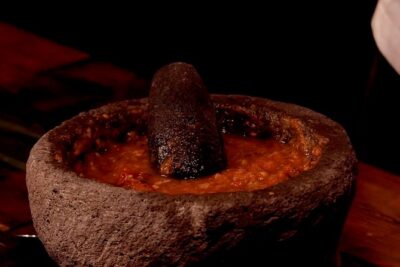
Flavors of Oaxaca: Cooking Class with No Set Menu and Local Market Tour
Read our review →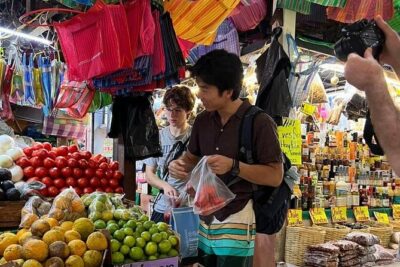
Taste of the Yucatan: Merida Cooking Class and Market Visit
Read our review →
Essence of Mexico: Authentic Mexican Cooking Class & Market Tour
Read our review →Browse the lists this tour appears in