
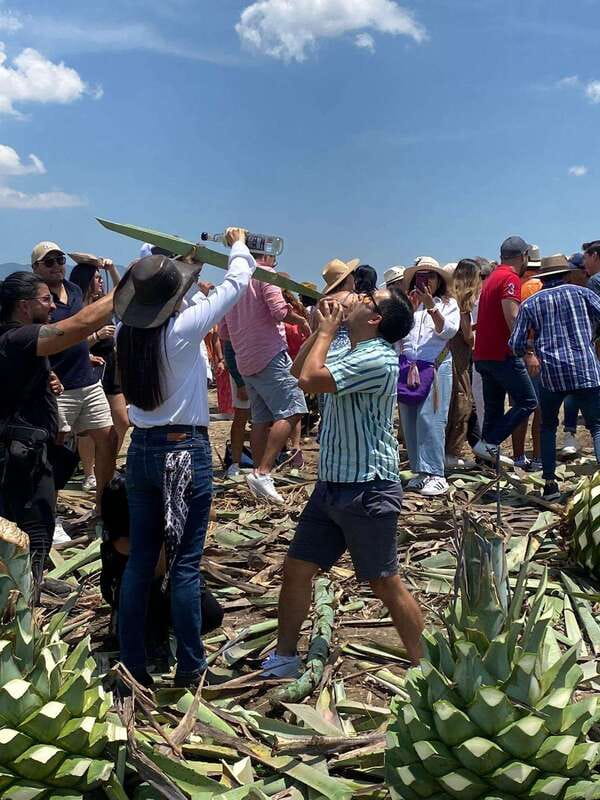
Reviewed · TEQUILA & MEZCAL TASTINGS
Mezcal Tour Oaxaca
Mezcal makes sense in the countryside. This five-hour outing from Oaxaca City takes you to working distilleries near Santiago Matatlán and Tlacolula de Matamoros, where you can see agave fields, production rooms, fermentation vats, and stills in action. I especially like the agave plantation walk and the chance to taste up to 13 mezcals, including pechuga styles and unusual blends.
I also like the strong personal touch from guides such as Antonio and Remy, who explain the drink as a trade, a family tradition, and part of Oaxacan culture. The main drawback is simple: food is not included, and several hours of tasting can feel like a lot if you prefer a gentle introduction rather than a serious mezcal lesson.
In This Review
- Key points to know before booking
- Why this Oaxaca mezcal tour feels different
- Meeting at Reforma 403 and heading into the valley
- Walking through the agave plantation
- Seeing a traditional palenque at work
- Learning from a mezcal maestro
- Tasting up to 13 different mezcals
- Adding pulque to the mezcal lesson
- Is $102 a fair price?
- Who should book this experience?
- Final decision: book it if you want the full mezcal story
- FAQ
- Where does the mezcal tour begin?
- What time does the tour start?
- How long does the experience last?
- Is transportation included?
- Is food included?
- How many mezcals can I taste?
- Is the tour offered in English?
- Can children join the tour?
Key points to know before booking
- Five hours from Reforma 403: Meet at 9:30 a.m. for round-trip transportation from Oaxaca City.
- Agave in the ground: Walk through a plantation and learn how the plant grows, reproduces, and becomes mezcal.
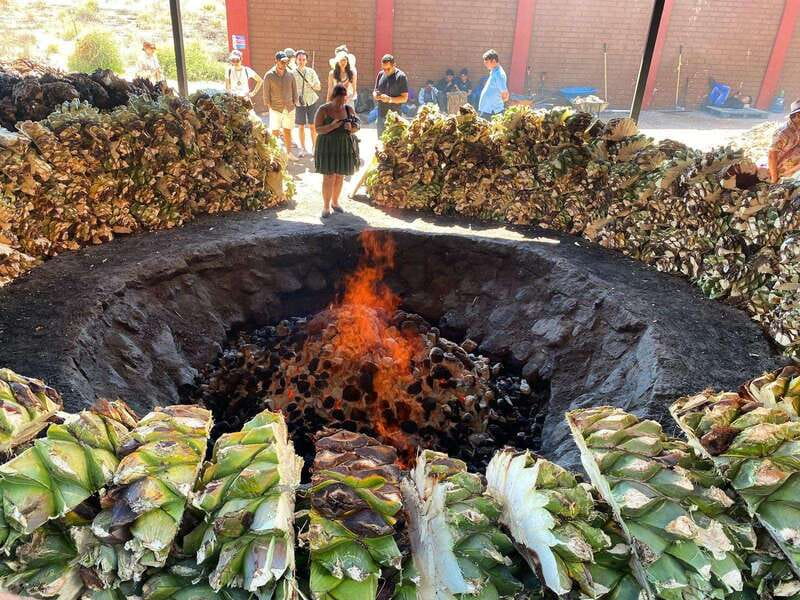
- Working production sites: See traditional roasting, fermentation, and distillation methods near two major mezcal towns.
- Up to 13 tastings: Try a broad range of mezcals, including pechuga and inventive flavored versions.
- Pulque adds a local twist: Sample drinks at a pulqueria, including varieties traditionally used as folk remedies.
- Come prepared: Eat a good breakfast, wear closed shoes, and bring an extra layer for a cooler afternoon or sunset visit.
Why this Oaxaca mezcal tour feels different
Many alcohol tastings begin and end at a bar. This one gives you the full chain, from agave plant to bottle and glass. That makes the $102 price easier to understand, especially since transportation, instruction, and tastings are included.
You are not simply handed a flight of spirits and asked to pick a favorite. You first learn where mezcal begins, then see how local producers turn a large, slow-growing plant into a drink with very different aromas and textures.
The setting matters. Santiago Matatlán is widely associated with mezcal production, while Tlacolula de Matamoros is another important stop in Oaxaca’s mezcal region. The tour connects these places with the drink itself, so the countryside is not just scenery between tastings.
At five hours, the schedule is long enough to cover the subject properly but short enough to leave time for lunch and other plans in Oaxaca City. You should still treat it as a full half-day, particularly if the group spends extra time talking with the distillers.
More Tequila Tastings in Oaxaca
- Hierve el Agua, Tule Tree, Mitla and Mezcal Distillery Tour
★ 4.5 · 1,094 reviews - Explore Hierve el Agua, Mitla, Tule, Textile and Mezcal for a day
★ 5.0 · 1,043 reviews - From Oaxaca de Juarez: Hierve el Agua and Mezcal Distillery
★ 4.9 · 615 reviews
Meeting at Reforma 403 and heading into the valley
The tour begins at 9:30 a.m. at Reforma 403. This address is a meeting point, not a shop or office where you need to knock. The guide is expected to arrive on time, so arrive ready and keep your phone available in case you need to coordinate.
Round-trip transportation is included, which is a real advantage. The mezcal towns lie outside Oaxaca City, and arranging separate transport would add both cost and effort. You can focus on the day rather than on finding a driver for each stop.
Eat a substantial breakfast first. Food is not included, and the tasting can involve as many as 13 mezcals. You may have the option to buy food or bottles directly from a distiller, but that should not be treated as a guaranteed meal stop.
The departure time also gives the tour a useful rhythm. You begin with enough daylight for the plantation walk and production visit, while some outings have reached the fields near sunset. If you are visiting during a cooler season, bring a light jacket. One guide, Ricardo, even lent a jacket to a guest who had forgotten one, but your own layer is the safer plan.
Walking through the agave plantation
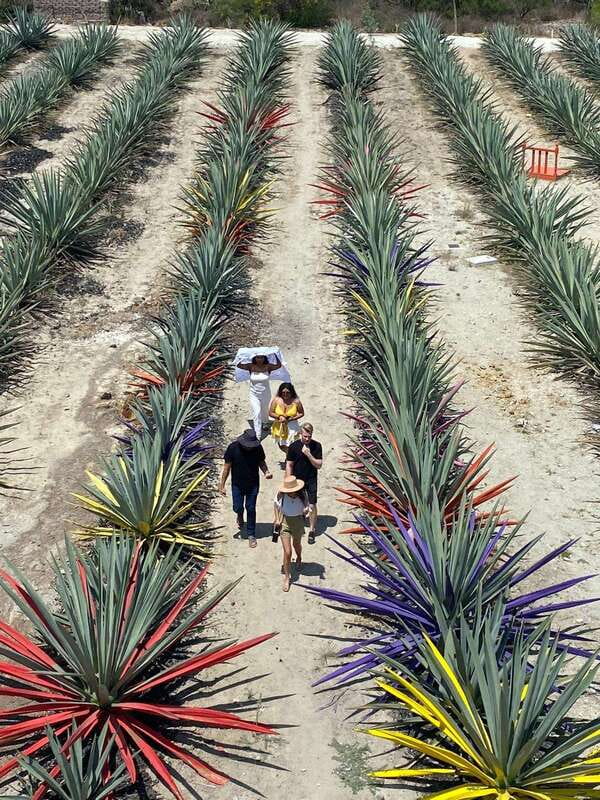
The agave field is one of the most valuable parts of the experience because it explains the raw material before anyone talks about distillation. You learn about the plant’s life cycle, its reproduction, and the different agave types used in mezcal.
That basic lesson changes the way you taste. Agave is not a generic crop with one standard flavor. Different varieties and production choices can lead to very different spirits, and the field visit gives you a reason to pay attention to those differences later.
The walk also shows why mezcal is tied to time and place. The plant must reach the right stage before harvest, and the work does not begin at the still. You see that the drink starts as agriculture, not as a factory product.
Wear closed shoes. The advice is practical for an outdoor plantation, where the ground may be uneven. The activity does not involve climbing, diving, bikes, or bare feet, but comfortable footwear will make the walking easier.
If the field visit happens late in the day, the light can make the stop especially pleasant. Still, the point is not just a photo opportunity. Ask questions about agave varieties and reproduction, since those details help you make sense of the tasting that follows.
Seeing a traditional palenque at work
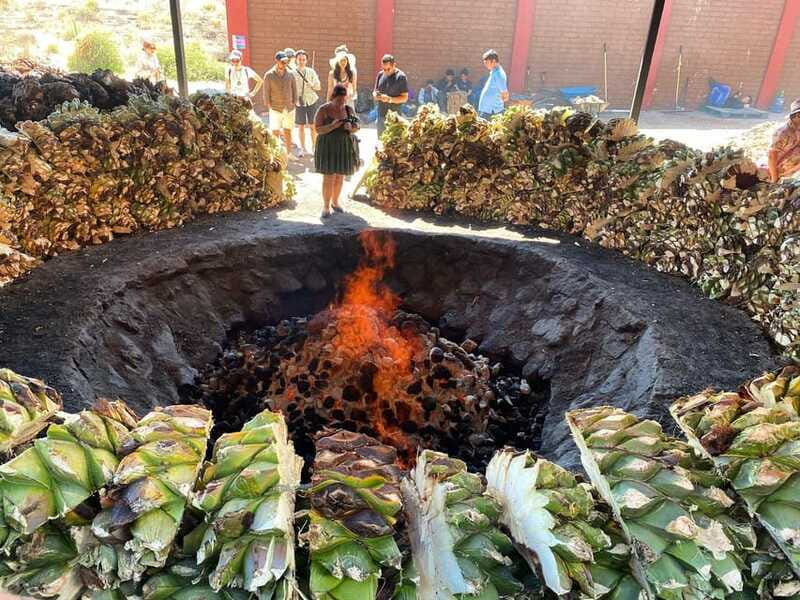
The distillery visit takes you into the production side of mezcal. At artisanal palenques near Santiago Matatlán and Tlacolula de Matamoros, old methods remain part of the process. You can follow the basic stages, including preparation, fermentation, and distillation.
The exact equipment and methods may vary between sites, which is part of the value. A master class from a mezcal maestro with five generations of family experience gives you the background needed to understand those choices.
Fermentation is especially useful to learn about because it helps explain why mezcal is not just another distilled spirit. The ingredients, time, and method all influence the final drink. Distillation then concentrates and shapes those flavors.
The experience is strongest when you treat the production visit as a working lesson rather than a polished show. You may see staff carrying out real tasks, and the pace may not feel as tidy as a museum display. That is a benefit for anyone who wants to see traditional production in a real setting, though it may feel less comfortable to visitors expecting a highly staged attraction.
Antonio receives particular praise for explaining the entire process, answering questions, and connecting production to the wider Oaxacan economy and culture. Remy has also guided the experience in both English and Spanish, with a patient approach that helped a late-arriving group get settled.
Same base, a different sort of day:
- Monte Alban Guided Half Day Tour
★ 5.0 · 880 reviews - Oaxaca de Juarez: Monte Alban Half-Day Tour
★ 4.7 · 492 reviews - AUTHENTIC OAXACA CULTURAL FOOD TOUR, eat like a local.
★ 5.0 · 462 reviews - Oaxaca: Tule, Mitla & Hierve el Agua, & Mezcal Tour
★ 4.7 · 456 reviews
Learning from a mezcal maestro
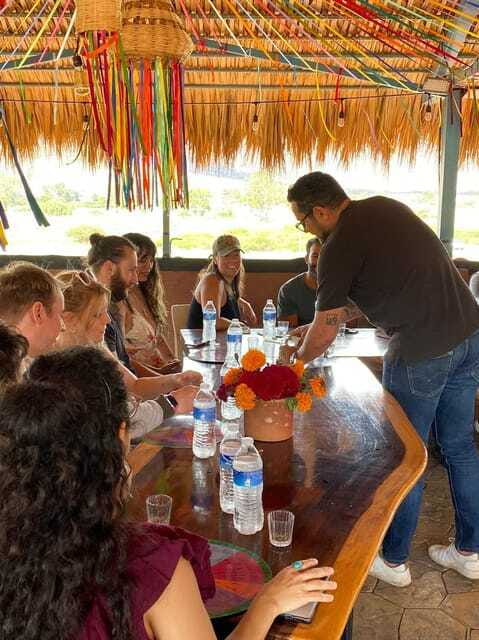
The master class is where the scattered pieces come together. Instead of hearing only a list of technical steps, you learn how production methods passed through generations continue to shape the drink today.
Expect discussion of agave types, fermentation techniques, and distillation methods. You also get cultural stories, legends, and different ideas about mezcal’s origins and importance. Some details may be presented as local theories rather than settled fact, so listen for the distinction between history, tradition, and folklore.
That cultural context is important. Mezcal is more than a beverage served before dinner. It has a place in Oaxacan family life, local work, celebrations, and regional identity. The tour helps you understand why a bottle can represent much more than its alcohol content.
The guides are a major part of the experience. Antonio is described as both a driver and a mezcal specialist, with a personal connection to the spirit and a talent for answering questions. If you want a relaxed tasting with almost no explanation, his level of detail may be more than you need. If you enjoy learning how things are made, it is a strong reason to choose this outing.
Tasting up to 13 different mezcals
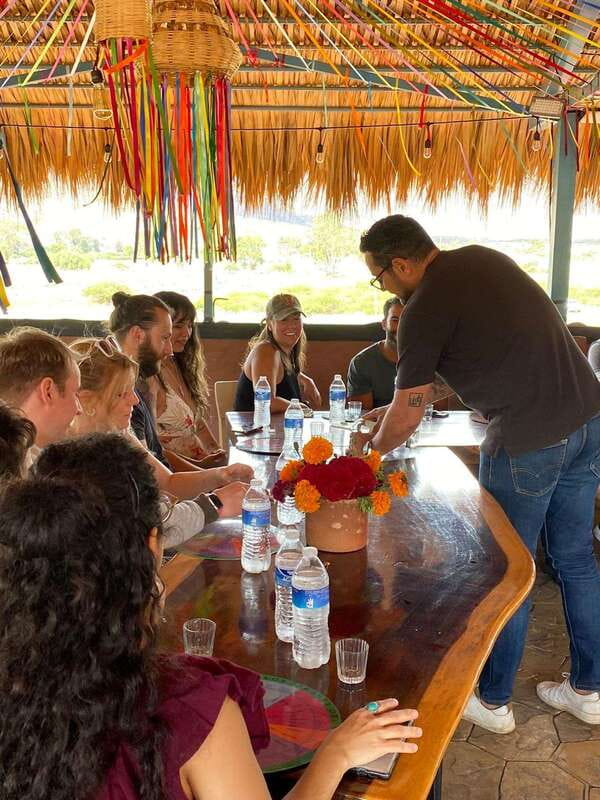
The tasting is generous. You may sample up to 13 mezcals, including pechuga varieties and special blends made with the maestro’s own techniques. The exact selection can vary, but the range is intended to show how much variety exists within the category.
Pechuga mezcal is often associated with a special distillation in which additional ingredients are used to create a distinctive style. Here, it appears alongside more unusual options, including an activated cannabis mezcal. That makes the tasting adventurous, though you should ask what is in each sample before drinking.
A large tasting flight rewards attention. Rather than rushing from glass to glass, try to notice the differences in aroma, sweetness, smoke, fruit, spice, and texture. The guides can help you identify flavors and explain how the production method affects what you taste.
You should also pace yourself. Thirteen samples can add up, even when each pour is small. Eat first, drink water when possible, and remember that you do not need to finish every sample to appreciate the lesson.
The best part is that the tasting follows the field and distillery visits. You have just learned about agave and production, so the samples have a clear purpose. This is far more useful than tasting a row of bottles with no idea how they differ.
Adding pulque to the mezcal lesson
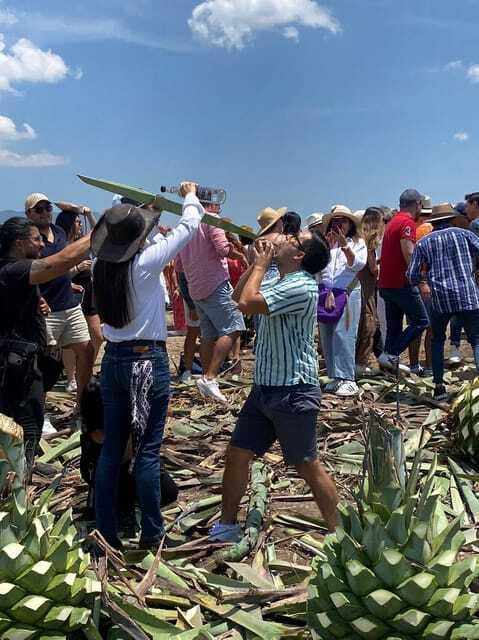
The pulqueria visit is an appealing extra because it broadens the subject beyond mezcal. Pulque is a traditional agave drink, and the stop gives you a chance to try different preparations that local people have used as folk medicine.
This is not simply another alcohol tasting. It shows how agave has supported different drinks and customs in Mexico. Mezcal may be the star of the day, but pulque helps place it in a larger food and drink tradition.
The stop is also likely to feel different from the distillery. A pulqueria is tied to everyday local drinking culture, while the palenque focuses on production. That contrast keeps the half-day from becoming one long explanation of stills and barrels.
If you are mainly interested in premium mezcal, you may consider the pulque stop secondary. I would still keep it in the plan, since it adds cultural variety and gives you another way to think about agave.
Is $102 a fair price?
At $102 per person, the cost is reasonable if you want a full educational outing rather than a simple tasting. The price includes round-trip transportation, detailed explanations, the field visit, distillery access, and tastings. Those pieces would be harder to arrange separately, especially if you do not speak Spanish.
The value depends on your interests. A person who already knows mezcal and wants only a short tasting might find the price high. Someone who wants to understand the crop, the production process, and the culture behind the drink gets much more for the money.
Buying bottles directly from the distiller may be possible, but those purchases are extra. The tour does not include food, so set aside money for a meal elsewhere or for anything available for purchase at the distillery.
The guide’s role also adds value. Antonio has been praised for his ability to explain the spirit in detail, while Remy’s English and Spanish skills help make the information clear. Good teaching is especially important during a tasting this large, since the experience could otherwise become a blur of similar smoky pours.
Who should book this experience?
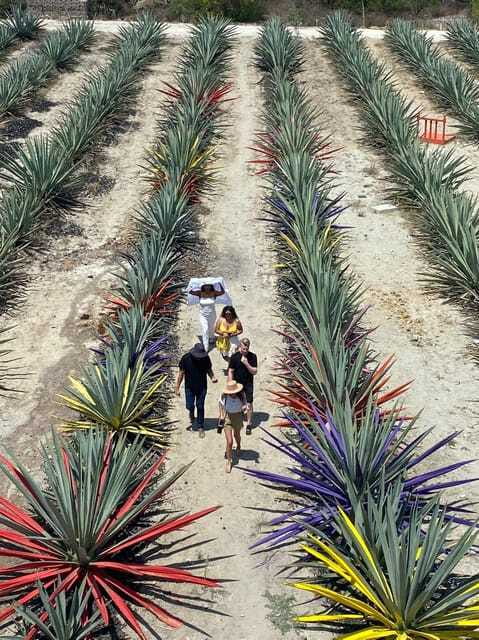
I would recommend it to adults who enjoy food and drink culture, traditional crafts, and hands-on explanations. It is particularly well suited to first-time mezcal drinkers who want a solid foundation before ordering more bottles in Oaxaca.
It also works for people already interested in spirits. The production lesson, agave varieties, pechuga styles, and unusual blends offer enough detail to keep a serious enthusiast busy.
You should be comfortable spending several hours around alcohol. The tour is not suitable for children under 18, and the combination of a full breakfast, outdoor walking, and many samples requires sensible pacing.
I would hesitate to recommend it if you want a quiet sightseeing morning, a food-focused excursion, or a quick introduction with only two or three samples. The schedule centers on mezcal, and the guides take the educational side seriously.
Free cancellation up to 24 hours before the start gives you some planning flexibility, and you can reserve now and pay later. Check the available start time when booking, since the published meeting time is 9:30 a.m. and availability can vary.
Final decision: book it if you want the full mezcal story
Book this tour if you want to understand mezcal from agave field to finished pour. The strongest reasons are the plantation walk, the working distillery visit, the five-generation production knowledge, and the unusually wide tasting.
The pulqueria stop adds a welcome local note, while guides such as Antonio, Remy, and Ricardo bring warmth and personality to the day. Just eat first, wear closed shoes, bring a jacket if the weather is cool, and plan to pace yourself.
Skip it only if you want a brief tasting or if alcohol is not central to your Oaxaca plans. For curious adults who want the real process and not just a fashionable bottle, this is a well-priced half-day outside the city.
FAQ
Where does the mezcal tour begin?
The meeting point is Reforma 403 in Oaxaca City. You do not need to knock on the door because it is only a meeting point.
What time does the tour start?
The stated start time is 9:30 a.m. Check availability when booking because starting times can vary.
How long does the experience last?
The tour lasts five hours.
Is transportation included?
Yes. Round-trip transportation is included.
Is food included?
No. Eat a good-sized breakfast before the tour because food is not included.
How many mezcals can I taste?
You may taste up to 13 different mezcals, including pechuga styles and special blends such as activated cannabis mezcal.
Is the tour offered in English?
Yes. The instructor language is English. Remy has also guided in both English and Spanish.
Can children join the tour?
No. The experience is not suitable for children under 18.
Newly listed around Oaxaca
- The Mezcal Journey★ 4.9 · 78 reviews
- Sunset by Horse on the Beach★ 4.6 · 34 reviews
- Street Art with an artist★ 4.9 · 32 reviews
- Puerto Escondido: Bioluminescence Night Spectacle★ 3.9 · 45 reviews
- Oaxaca: Traditional Oaxacan Cooking Class with Market Visit★ 4.9 · 80 reviews
- Oaxaca: San Martín Tilcajete, Jalieza & Ocotlán Crafts Route★ 4.6 · 48 reviews
- Oaxaca: Mount Albán & Cuilapam de Guerrero Full-Day Tour★ 4.7 · 110 reviews
- Oaxaca: Monte Alban and the Art of Oaxaca★ 4.2 · 99 reviews
Tequila & Mezcal Tastings, compared.
Chichen Itza, Cenote & Valladolid Tour with Tequila and Lunch
Read our review →
Cabo Beach Camel Ride, Mexican Buffet and Tequila Tasting
Read our review →
Early morning Chichen Itza Tour: Cenote and Tequila Tasting
Read our review →
4×4 ATV Adventure with Tequila Tasting and Mexican Buffet Lunch
Read our review →
Cancun ATV Jungle Adventure, Ziplines, Cenote and Tequila Tasting
Read our review →
Puerto Vallarta Best Zipline Canopy + Tequila and Speed Boat Ride
Read our review →
ATV Tour, Camel Ride, Tequila Tasting and Mexican Buffet Lunch
Read our review →
Cabo Migrino Beach and Desert ATV Tour plus Tequila Tasting
Read our review →Browse the lists this tour appears in