

Reviewed · OAXACA TOURS
Oaxaca: San Martín Tilcajete, Jalieza & Ocotlán Crafts Route
Craft towns reveal Oaxaca’s soul. This eight-hour route links San Martín Tilcajete, Santo Tomás Jalieza, Ocotlán de Morelos, Villa de Zaachila, and San Bartolo Coyotepec, giving you a close look at the people and techniques behind the state’s best-known crafts. I like the mix of hands-on workshop visits and local market time, and I especially like that the route covers three very different traditions: carved wood, woven cloth, and black pottery. The main consideration is the schedule. Market visits depend heavily on the day, and some stops may feel more like gallery visits than open-ended village exploration.
At $46 per person, the trip offers solid value if you want transportation between scattered towns and help understanding what you are seeing. The guide and driver can make a big difference, since the day includes several short van rides, a bilingual explanation at each workshop, and drop-off at your hotel or Airbnb. Bring breakfast, water, and comfortable shoes, because lunch is not included and the day moves at a steady pace.
In This Review
- Key points to know before you go
- Why this route is worth your day
- San Martín Tilcajete and the world of alebrijes
- Santo Tomás Jalieza and the patience of the loom
- Ocotlán de Morelos, a town market with changing energy
- Villa de Zaachila and the best chance for a local lunch
- San Bartolo Coyotepec and the shine of black clay
- The van rides and the pace of the day
- Guide service and language
- Price, food, and what to bring
- Who should choose this Oaxaca craft tour?
- Should you book it?
- FAQ
- How long does the Oaxaca crafts route last?
- Which towns are visited?
- What crafts will I see?
- Is lunch included?
- What languages does the guide speak?
- Where does the tour start and end?
Key points to know before you go
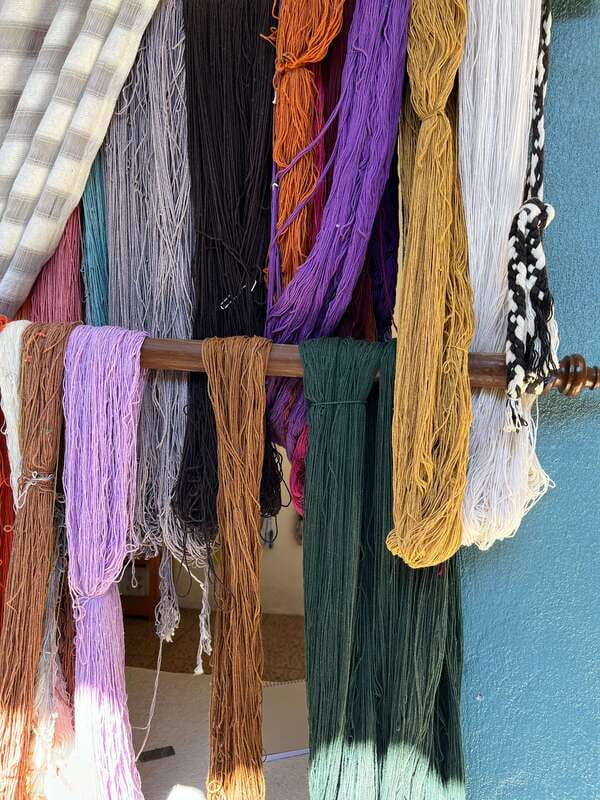
- Alebrijes in San Martín Tilcajete: Watch copal wood become brightly painted animals and imaginary creatures, with the carving and painting process explained at a family workshop.
- Backstrap weaving in Jalieza: See Zapotec textile traditions made on a traditional loom, with geometric designs built thread by thread.
- Black clay in San Bartolo Coyotepec: Learn how artisans shape, polish, and fire pottery to create its famous dark color and natural shine.
- Market timing matters: Villa de Zaachila is visited on Thursdays, while Ocotlán de Morelos is especially active on Fridays. Your tour date affects what you see.
- Short rides, several stops: The route uses a comfortable van, with most connections taking 10 minutes to 30 minutes after the first one-hour ride.
- A practical price: The cost includes a certified bilingual guide, transportation, and hotel or Airbnb drop-off, but not food, drinks, or purchases.
Why this route is worth your day
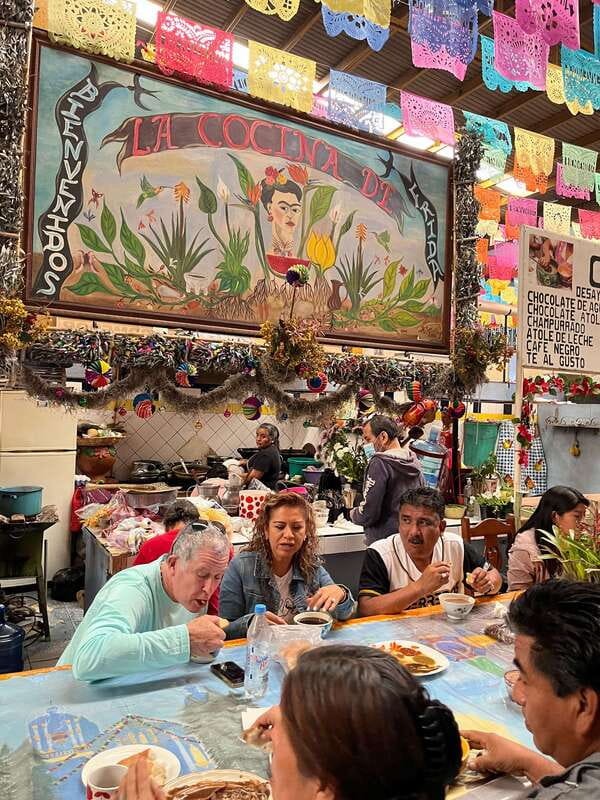
Oaxaca’s crafts are not just souvenirs lined up on a shelf. They are working traditions tied to particular towns, families, materials, and methods. This route helps you connect each object to its place of origin.
I like the way the day moves between workshops and public markets. At the workshops, you can ask how a piece is made and see tools, raw materials, and finishing methods. At the markets, you get a look at daily commerce, food, clothing, and household goods beyond the tourist shopping scene.
The tour is also useful for anyone who feels unsure about buying crafts. You can compare the work in different towns and gain a better sense of the time involved. At the same time, you should understand the format: the workshops generally include a demonstration followed by a gallery or sales area. Buying is optional, and the available information indicates that visitors did not feel pressured, but shopping is clearly part of the experience.
The day lasts about eight hours, beginning and ending at 5 de Mayo 300. Ask for the El Convento DMC travel agency and wait for a staff member to identify you. The schedule has enough structure to cover the route, though a small group may allow the guide to adjust the timing.
A few more Oaxaca runs worth comparing
- Hierve el Agua, Tule Tree, Mitla and Mezcal Distillery Tour
★ 4.5 · 1,094 reviews - Explore Hierve el Agua, Mitla, Tule, Textile and Mezcal for a day
★ 5.0 · 1,043 reviews - Monte Alban Guided Half Day Tour
★ 5.0 · 880 reviews
San Martín Tilcajete and the world of alebrijes
The first major stop is San Martín Tilcajete, about an hour from the meeting point. This town is known for alebrijes, the fanciful carved figures associated with Oaxaca.
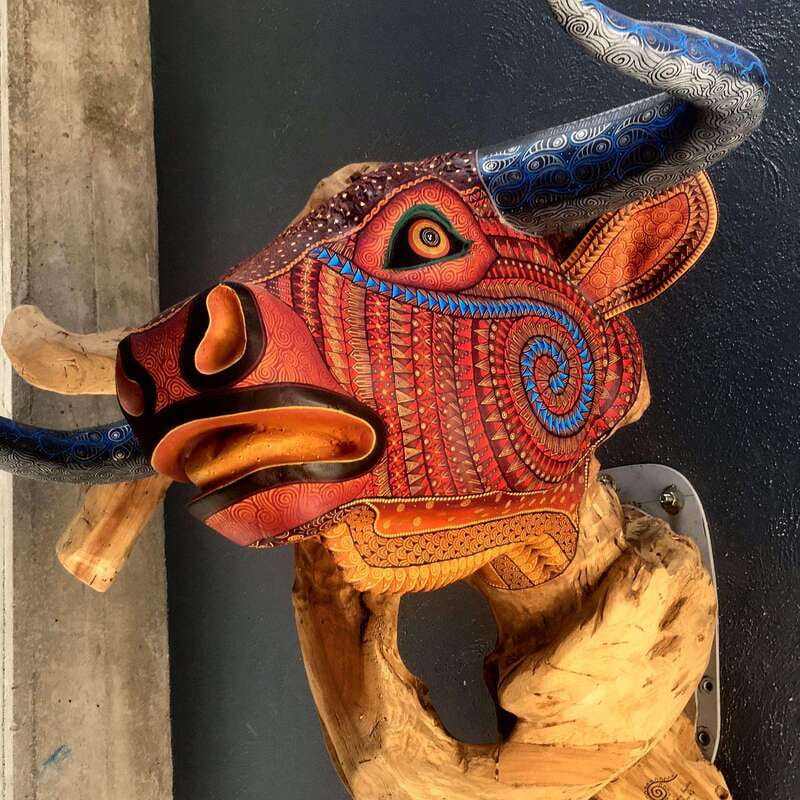
At the workshop, you can watch artisans transform copal wood into animals and imaginary creatures. The work happens in stages: carving the form, smoothing the surface, applying color, and adding small painted details. The most interesting part is seeing how a plain piece of wood gains its personality through shape and pattern.
The figures often include symbolism and exaggerated features. A bird, feline, insect, or mixed creature can carry a particular character, and the painting may include repeated lines, dots, and carefully placed color. You are not simply looking at a finished ornament. You are seeing a long process that depends on patience and a trained eye.
This is one of the strongest stops for many people because the demonstration makes the final price easier to understand. A small figure may look simple from a distance, but close inspection reveals the labor in the carving and paintwork.
A visit to an alebrije workshop also gives you time to decide what sort of piece you prefer. Some are bold and playful, while others are covered with fine patterns. If you plan to buy, check the size and packing needs before committing. The tour provides transportation, but you are responsible for any extra purchases.
Santo Tomás Jalieza and the patience of the loom
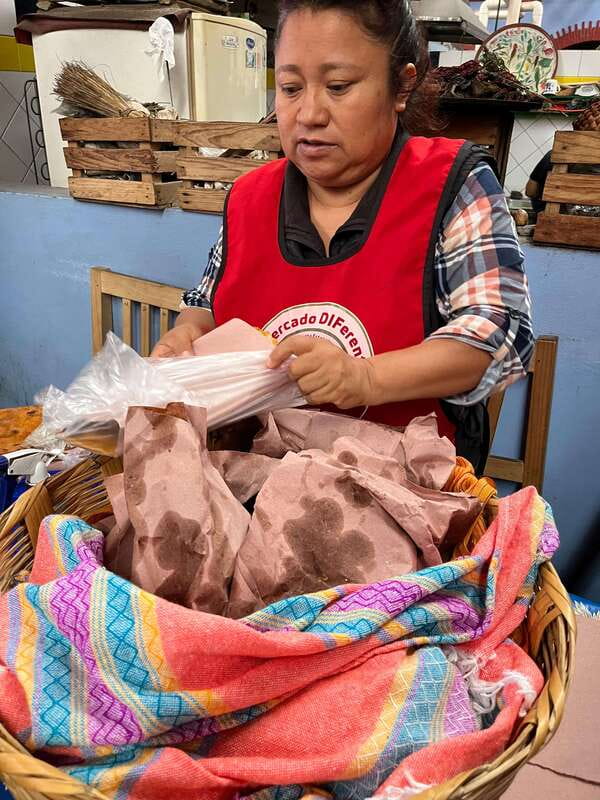
Only about 10 minutes after San Martín Tilcajete, the van reaches Santo Tomás Jalieza. Here the focus shifts from wood to cloth and from carving knives to a backstrap loom.
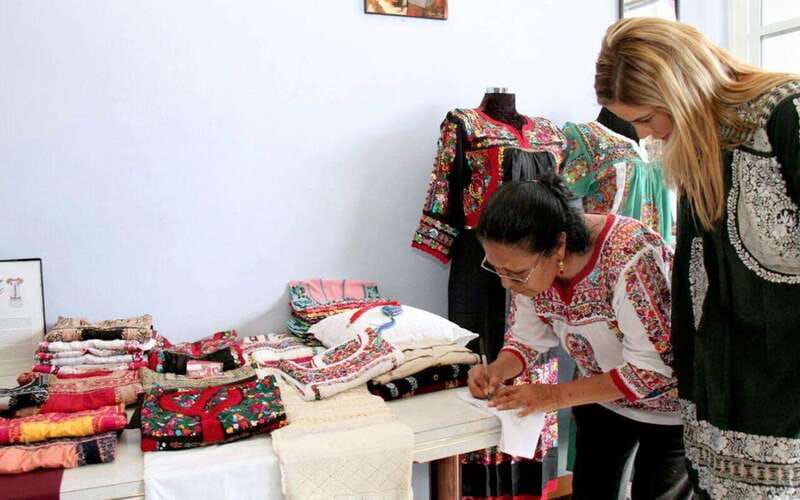
Backstrap weaving is an ancestral technique passed through generations. The weaver controls tension with the body and loom, building fabric in a slow, precise sequence. You can watch geometric patterns appear as the threads are arranged and worked together.
This stop is valuable because textiles are easy to underestimate. A finished belt, runner, bag, or garment can look crisp and simple, yet the design requires planning and careful repetition. The patterns reflect Zapotec heritage and local pride, not just a decorative style chosen for visitors.
The workshop setting gives you a chance to see the process rather than only the result. Ask the guide or artisan about the designs, materials, and time needed for a piece. The tour information does not promise a hands-on weaving lesson, so expect a demonstration and explanation rather than a class.
The close distance between the first two towns helps the morning feel efficient. You spend roughly an hour at each workshop, then make a short transfer instead of losing large blocks of time on the road.
Ocotlán de Morelos, a town market with changing energy

Ocotlán de Morelos comes next, with about 10 minutes of driving from Jalieza. The town is known for its market, local crafts, fresh goods, and strong artistic traditions.
Ocotlán is especially lively on Fridays. If your visit falls on that day, the market can add a useful slice of ordinary town life to the craft-focused morning. You might find produce, handmade goods, regional specialties, and other items used by local families.
The market is not the same kind of stop as a workshop. There may be less formal explanation, and you will need to pay attention to the time. One visitor found an Ocotlán market visit especially worthwhile, while another felt that a brief afternoon stop was rushed. That difference points to the main issue: the quality of this part depends on how much time the group has and how the guide handles the visit.
The town also has an artistic side, including murals and local craft traditions. If the schedule allows, ask whether there is time to see more than the market aisles. If the tour is running late, you may get only a short look before moving on.
Same base, a different sort of day:
- From Oaxaca de Juarez: Hierve el Agua and Mezcal Distillery
★ 4.9 · 615 reviews - Oaxaca de Juarez: Monte Alban Half-Day Tour
★ 4.7 · 492 reviews - AUTHENTIC OAXACA CULTURAL FOOD TOUR, eat like a local.
★ 5.0 · 462 reviews - Oaxaca: Tule, Mitla & Hierve el Agua, & Mezcal Tour
★ 4.7 · 456 reviews
Villa de Zaachila and the best chance for a local lunch
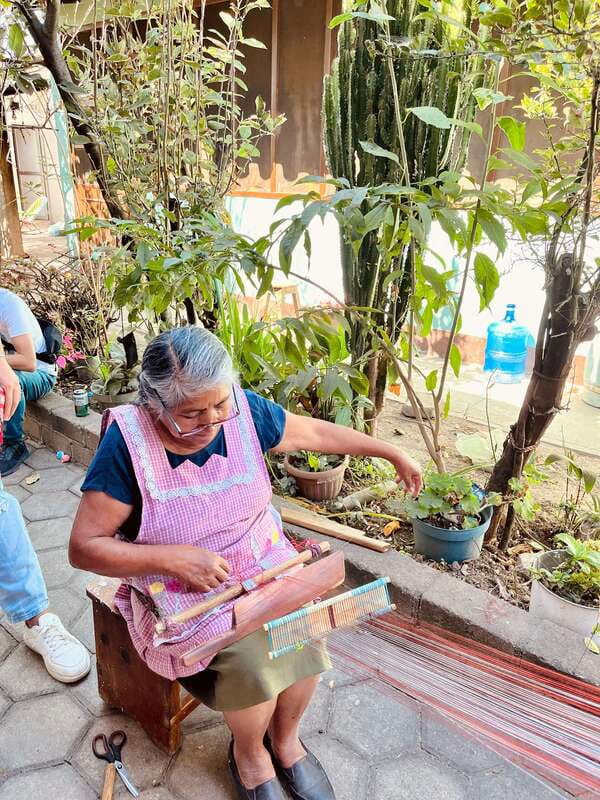
The route then continues about 10 minutes to Villa de Zaachila. The visit includes lunch time, but food and drinks are not included in the $46 price.
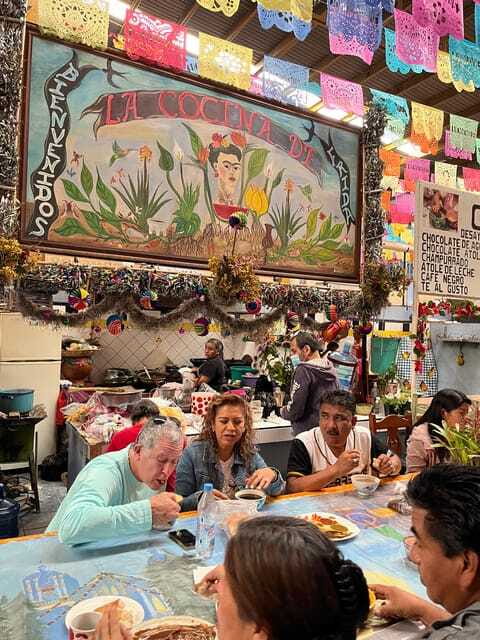
Zaachila’s traditional market operates on Thursdays. This is an important scheduling detail. On the right day, you can expect a market where local residents shop for produce, tortillas, cheeses, flowers, spices, textiles, and prepared regional dishes. It is a more everyday setting than a craft showroom.
The market offers one of the clearest contrasts with the workshop visits. Instead of focusing on one technique, you see how food, trade, clothing, and handmade goods fit into local life. I would plan to buy lunch here if you are comfortable choosing from the available stalls, though the tour information does not specify a particular restaurant or meal.
Breakfast is recommended before departure. That advice matters because lunch happens partway through a full day, and your choices may depend on the market schedule. Bring water as well, since drinks are not provided.
Keep in mind that the days do not line up perfectly. Zaachila is specifically listed for Thursdays, while Ocotlán is especially active on Fridays. If markets are a major reason for booking, check the departure day before paying. On another day, you may still visit the town, but you should not expect the same market activity.
San Bartolo Coyotepec and the shine of black clay
The final workshop stop is San Bartolo Coyotepec, about 30 minutes from Zaachila. This town is famous for black clay pottery, and it is one of the highlights of the route.
Artisans shape the clay using Zapotec techniques, then polish it to create the deep black color and natural shine. The finish is distinctive, but it is the process that makes the visit memorable. You can see how ordinary clay becomes a carefully formed vessel or decorative piece through shaping, smoothing, and polishing.
The black pottery workshop received especially strong praise from visitors who appreciated the family-run setting and the local explanation. I can see why. Pottery gives you a clear view of the connection between material and method. The color is not simply painted on as a final decoration. The treatment of the clay creates the effect.
This stop is also a good place to compare decorative and practical pieces. Some black clay objects are made to be displayed, while others may have a more useful form. Ask how fragile a piece is and how it should be transported before buying.
The workshop is scheduled for about an hour. That is enough time for a demonstration and shopping, but not enough for a leisurely search through every shelf. If pottery is your main interest, tell the guide early so you can use the stop well.
The van rides and the pace of the day
The route includes one long ride at the start, about an hour, followed by several short connections and two 30-minute rides later in the day. The short transfers are a real advantage. You spend more of the day seeing crafts and markets instead of sitting in traffic.
Road conditions can be rough and winding in places. One person experienced serious motion sickness and had to cut the trip short, while another praised the transportation and the short distances between stops. If you are sensitive to movement, sit near the front of the van, keep water handy, and consider bringing whatever remedy you normally use.
Driver quality can shape the whole day. Most of the feedback about the guide and driver was positive, including praise for friendly service, good music, and hotel drop-off. One complaint focused on a driver whose handling contributed to motion sickness. That is a fair reminder that comfort is not guaranteed simply because the vehicle is described as comfortable.
Group size may also vary. The tour can run with only a few people, and small groups may allow the guide to adjust the order or add a nearby market visit if time permits. The tradeoff is that a flexible schedule can sometimes feel less consistent from one departure to another.
Guide service and language
A certified bilingual guide accompanies the route, with tours offered in Spanish and English. Good guiding matters here because the value is not only in seeing objects. You want the background behind the carving, weaving, and pottery.
Several aspects of the day depend on clear explanations. At the alebrije workshop, you need help understanding the carving and painting stages. At Jalieza, the loom can look simple until someone explains how the weaver controls the threads. At San Bartolo Coyotepec, the guide can point out why the black surface shines and how it differs from ordinary painted pottery.
Guide quality may vary. One visitor found the English difficult to follow because the guide spoke too quickly, while others praised friendly guides and customized schedules. If you cannot hear or understand an explanation, ask the guide to slow down or repeat it. That small step can make a major difference.
Hotel or Airbnb drop-off is included, which is helpful after a full day. The tour begins at the specified meeting point, so you need to reach 5 de Mayo 300 yourself.
Price, food, and what to bring
At $46, this is a reasonable price for an eight-hour outing across several towns. Public transportation between all these stops would be awkward, and arranging separate taxis or private rides would likely cost more. The included bilingual guide and return drop-off add practical value.
The price does not include lunch, drinks, or extra expenses. Bring water and some money for food and crafts. Since the market lunch is part of the day, you may want to eat something small before leaving and save room for local dishes later.
Wear comfortable clothes and shoes. You will be getting in and out of the van several times, standing during demonstrations, and walking through market areas. The tour is not suitable for people over 287 pounds, or 130 kilograms, and it is not suitable for people over age 95.
Free cancellation is available up to 24 hours before the experience for a full refund. You can also reserve and pay later, which helps if your Oaxaca schedule is still changing.
Who should choose this Oaxaca craft tour?
I would choose this route if you want a broad introduction to Oaxacan craft traditions in one day. It works especially well for first-time visitors who want to see where alebrijes, woven textiles, and black clay come from rather than shopping only in central Oaxaca.
It also suits people who prefer small workshops and cultural explanation to major sights. The route is not built around long independent walks or extended time in one town. You will see several places, usually for about an hour each, and then move on.
You may want another option if you dislike shopping stops or prefer a slow, unstructured day. The workshops include gallery time, and some market visits can feel brief. The schedule is also less predictable when the desired market day does not match your departure.
For the best fit, aim for Thursday if Villa de Zaachila’s market is your priority, or Friday if you most want to see Ocotlán at its liveliest. A small group can make the route more personal, and guide flexibility may help when timing allows.
Should you book it?
Book this tour if you want a practical, good-value way to connect Oaxaca’s famous crafts with their home communities. The strongest parts are the alebrije carving, backstrap weaving, and black clay demonstrations, with San Bartolo Coyotepec likely to be the top stop for pottery lovers.
Before booking, check the day of the week and accept that market time may vary. Pack breakfast, water, and comfortable shoes, and be prepared for winding roads. If those conditions suit you, this is an efficient and worthwhile day that adds meaning to every craft you later see in Oaxaca.
FAQ
How long does the Oaxaca crafts route last?
The experience lasts about eight hours, including transportation between the towns and the return to 5 de Mayo 300.
Which towns are visited?
The route includes San Martín Tilcajete, Santo Tomás Jalieza, Ocotlán de Morelos, Villa de Zaachila, and San Bartolo Coyotepec.
What crafts will I see?
You will see alebrijes made from copal wood, backstrap weaving, and black clay pottery. You may also find other local crafts at the markets in Ocotlán and Villa de Zaachila.
Is lunch included?
No. Food and drinks are not included. Lunch time takes place at Villa de Zaachila, so bring money for food and carry a drink.
What languages does the guide speak?
The live guide service is available in Spanish and English.
Where does the tour start and end?
The meeting point and return location are 5 de Mayo 300. The experience includes drop-off at your hotel or Airbnb after the route.
Newly listed around Oaxaca
- The Mezcal Journey★ 4.9 · 78 reviews
- Street Art with an artist★ 4.9 · 32 reviews
- Sunset by Horse on the Beach★ 4.6 · 34 reviews
- Puerto Escondido: Bioluminescence Night Spectacle★ 3.9 · 45 reviews
- Oaxaca: Traditional Oaxacan Cooking Class with Market Visit★ 4.9 · 80 reviews
- Oaxaca: Mount Albán & Cuilapam de Guerrero Full-Day Tour★ 4.7 · 110 reviews
- Oaxaca: Monte Alban and the Art of Oaxaca★ 4.2 · 99 reviews
- Oaxaca: Oaxacan Mole Workshop with a Traditional Cook★ 4.7 · 158 reviews
Oaxaca Tours, compared.

Hierve el Agua, Tule Tree, Mitla and Mezcal Distillery Tour
Read our review →
Explore Hierve el Agua, Mitla, Tule, Textile and Mezcal for a day
Read our review →

From Oaxaca de Juarez: Hierve el Agua and Mezcal Distillery
Read our review →

AUTHENTIC OAXACA CULTURAL FOOD TOUR, eat like a local.
Read our review →

Browse the lists this tour appears in