
Reviewed · WALKING TOURS
Walking Tour: Temples and Convents (Western Zone)
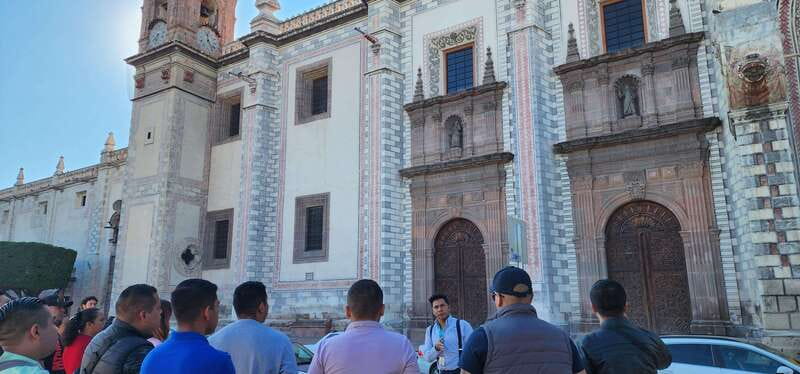
Querétaro’s churches tell the city’s story. This two-hour walk through the Western Zone links major temples and convents with the people, beliefs, and artistic choices behind them. I especially like the focus on Baroque architecture and the chance to hear local stories from guides such as Jesús, Jorge, Carlos, and Julio. The main consideration is pace: there is a lot to absorb in two hours, and some travelers may want more time at individual churches.
This is a strong first-day activity because it gives you a useful map of Querétaro’s historic center. I also like the guide-led format, which turns buildings that might look similar at first into distinct places with their own roles and legends. The route is listed at $23 per person, and the high rating of 4.8 from 112 reviews reflects consistently warm praise for the guides, though one person reported a late start and another found it hard to hear a guide who was wearing a mask.
In This Review
- Key points to know before you go
- Why Querétaro’s Western Zone deserves a walk
- San Francisco and the beginning of Querétaro’s religious story
- Santa Rosa de Viterbo and Querétaro’s Baroque style
- Capuchinas, San Agustín, and Santa Clara
- How the guide changes the experience
- A fast two-hour route with a useful first-day payoff
- What $23 buys you
- Who will enjoy this walk most
- How to get more from the Temples and Convents walk
- Should you book it?
- FAQ
- How long is the Temples and Convents walking tour?
- What part of Querétaro does this tour cover?
- Is the Ex Convent of San Francisco included?
- Is the Temple of Santa Rosa de Viterbo included?
- What languages are available?
- Is the tour wheelchair accessible?
- Are food and drinks included?
- Can I cancel the tour for a refund?
Key points to know before you go
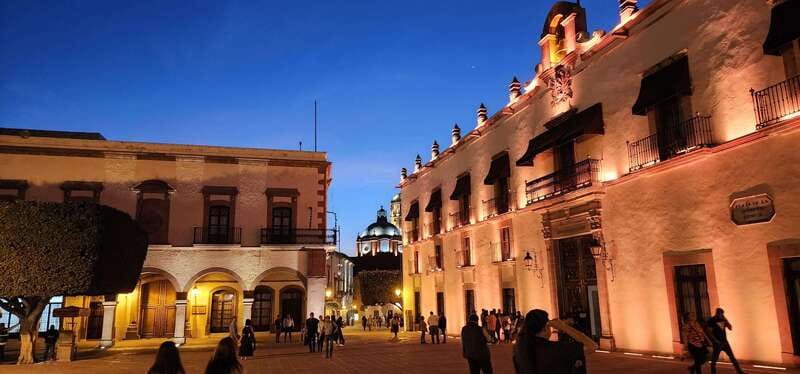
- The Western Zone centers on religious art and architecture, including San Francisco, Santa Rosa de Viterbo, Capuchinas, San Agustín, and Santa Clara.
- The guides are the star of the experience, with especially strong praise for Jesús, Jorge, Carlos, and Julio.
- Two hours goes quickly, so expect a broad look at several monuments rather than long visits inside each one.
- English and Spanish are available, making the tour practical for international visitors and local residents alike.
- The route can respond to your interests, especially when the group is small or private.
- The tour is wheelchair accessible, and food and drinks are not included.
Why Querétaro’s Western Zone deserves a walk
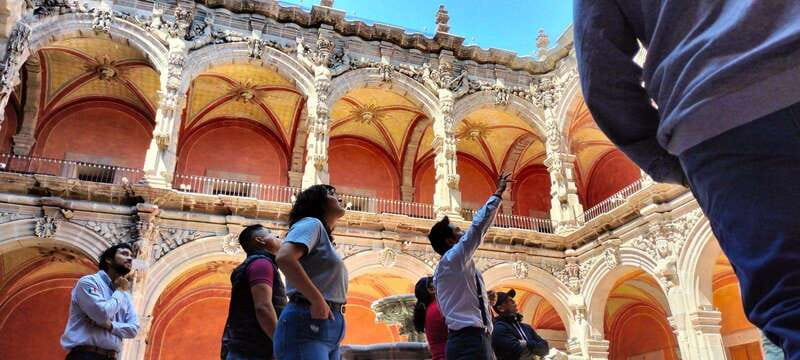
Querétaro is often introduced through its political past, colonial streets, aqueduct, and role in Mexico’s independence. The Western Zone offers another way to understand the city: through religion, art, education, and the orders that shaped daily life during the colonial period.
The route is built around temples and former convents. That matters because these are not simply pretty facades. They show how religious institutions influenced settlement, art, social life, and the growth of the city.
A guide helps you notice details you might otherwise pass by. A carved doorway, an unusual tower, or a painted interior can carry clues about the period and the people who funded the work. The strongest guides also connect Querétaro’s buildings with larger Mexican history, so the walk feels like more than a string of photo stops.
The setting is the historic center, where colonial architecture appears along ordinary streets. You get the pleasure of moving on foot, stopping often, and seeing how the monuments fit into the modern city around them.
More Walking Tours in Mexico:
- Historic Downtown Walking Tour
★ 5.0 · 1,289 reviews - Playa del Carmen Walking Food Tour
★ 5.0 · 1,274 reviews - Mexico City: Historic Downtown Walking Tour
★ 4.8 · 1,039 reviews
San Francisco and the beginning of Querétaro’s religious story
The Ex Convent of San Francisco is an important opening point because it represents the first religious order to arrive in Querétaro. That gives the monument special weight within the route. You are not just looking at an old church. You are seeing the place where organized evangelization began to take shape in the city.
This is the kind of stop where a good guide can add needed context. The building’s importance comes from its place in the city’s development as much as from its appearance. Listen for explanations of how religious orders operated and how their presence affected the surrounding community.
The tour’s value begins here because the guide can establish the difference between a temple, a convent, and an ex-convent. Those terms can blur together when you are moving quickly through a colonial center. A clear explanation helps you understand what you are seeing for the rest of the walk.
San Francisco also gives the route a useful starting point in time. From there, the story moves toward the artistic and architectural achievements of later religious buildings.
Santa Rosa de Viterbo and Querétaro’s Baroque style
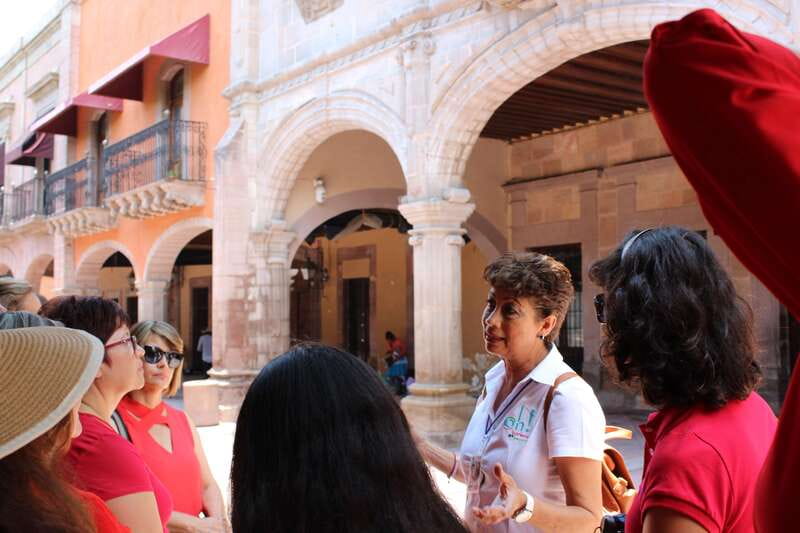
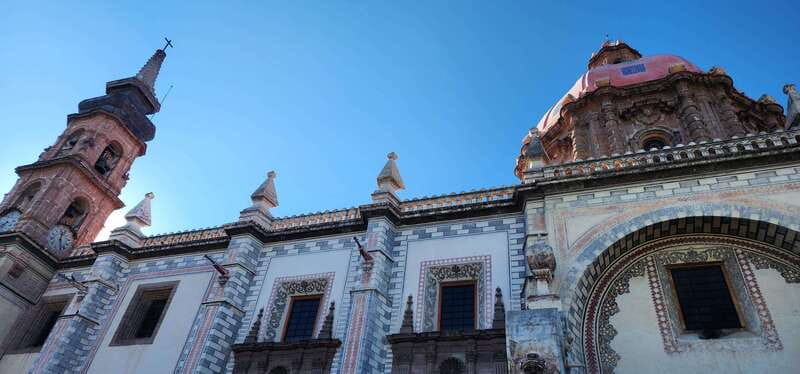
The Temple of Santa Rosa de Viterbo is one of the major visual highlights. Its Baroque design gives the tour an architectural centerpiece, with the elaborate style offering plenty for both casual sightseers and serious architecture fans.
Baroque buildings reward a slower look. Rather than taking one quick photograph and moving on, pay attention to the layers of decoration, the movement in the facade, and the way the building presents itself from the street. Your guide can explain how the design reflects religious ideas and the tastes of the colonial period.
Santa Rosa also helps show why Querétaro’s historic center earned UNESCO World Heritage recognition. The value is not only in one grand church. It is in the concentration of monuments, the survival of the historic street pattern, and the way civic and religious buildings work together.
The drawback is time. Santa Rosa has enough visual detail to occupy much longer than a few minutes. If you are passionate about architecture, you may leave wishing for a dedicated interior visit or a longer stop. Still, the guided overview helps you decide where to return later.
Capuchinas, San Agustín, and Santa Clara
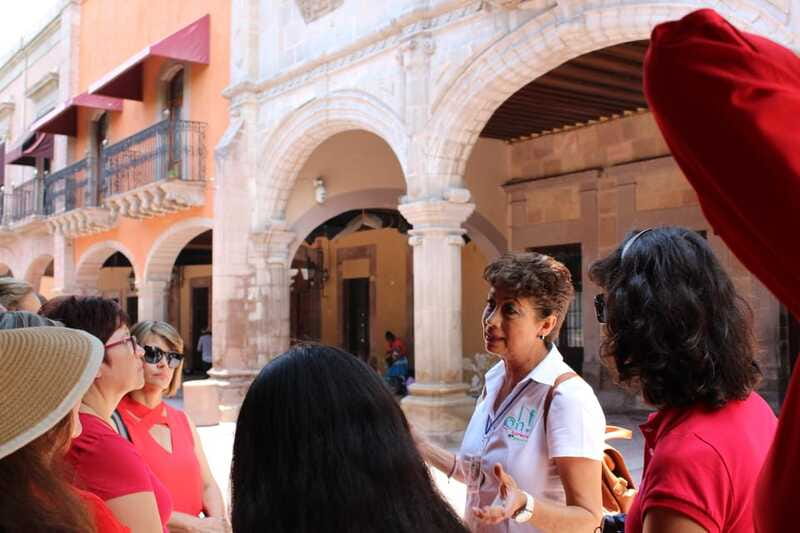
The route continues through Capuchinas, San Agustín, and Santa Clara, giving you a wider picture of religious life in colonial Querétaro. Each stop adds another piece to the city’s spiritual and cultural development.
Capuchinas is useful in showing the presence of another religious order and the different roles convents played. San Agustín adds architectural interest and helps broaden the route beyond a single style or institution. Santa Clara rounds out the group by showing how several religious communities contributed to the city over time.
The buildings may seem like a lot to take in, especially if this is your first visit to Querétaro. That is where the guide’s storytelling matters. The best guides do not simply recite dates. They explain why each place mattered, point out distinctions between the buildings, and connect religious institutions with the wider city.
Jesús received particularly strong praise for his ability to link art, architecture, Mexican history, and present-day Querétaro. Jorge was also praised for clear English, a personable manner, and his willingness to answer detailed questions. Carlos was noted for interesting anecdotes and patient explanations, while Julio earned repeated praise for his friendly and informative approach.
Guide assignments can change, of course. The practical point is that this experience depends heavily on the person leading it, and the available evidence suggests a strong standard across several guides.
A few more Mexico runs worth comparing
- Querétaro: City Tour in a Classic Ford T Vehicle
★ 4.7 · 229 reviews - Santiago de Querétaro: Pueblos Mágicos Cheese and Wine Route
★ 4.8 · 96 reviews - Tacos Tequila y Más – The Centro of Centro (Vegetarian Friendly)
★ 5.0 · 56 reviews - Querétaro: Haciendas, Vineyards, and Magical Towns Day Trip
★ 4.7 · 52 reviews
How the guide changes the experience
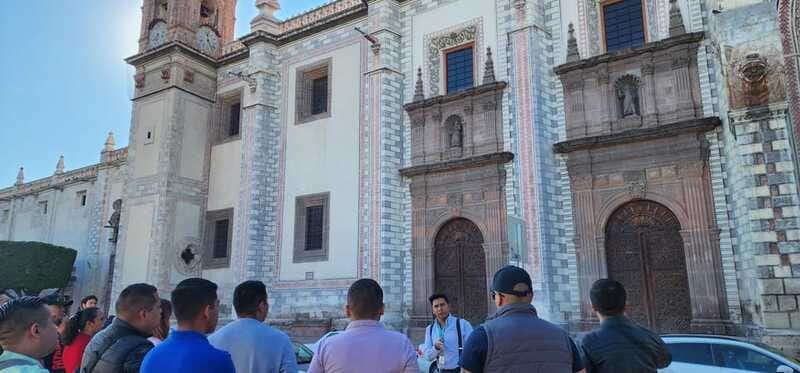
A self-guided walk can show you the same streets, but it cannot easily explain the connections between them. Here, the guide supplies the meaning behind the monuments and helps you keep the larger story in view.
Jesús appears especially suited to visitors who like to ask questions or follow a subject beyond the basic facts. On smaller departures, he has adapted the route to interests in history, art, and architecture. One private outing also included extra attention to places the participants had already seen, which avoided repeating familiar material.
That flexibility is important. A fixed script can feel flat when you already know something about Mexico, while a completely improvised tour can lose its shape. The strongest comments point to guides who kept the walk moving but paused for longer explanations when the group wanted them.
English and Spanish are offered. One guest also praised a guide’s French, but French is not listed as a standard tour language, so you should count on English or Spanish when booking.
The guides also answer practical questions about Querétaro today. That can help you plan the rest of your stay, decide which museums to visit, and understand where to return for a closer look.
A fast two-hour route with a useful first-day payoff
Two hours is enough for an overview, not an exhaustive study. You should expect to walk between several major monuments, hear the history of each, and finish with a better sense of how the historic center fits together.
I would schedule this early in your stay. One useful piece of advice is to take the walk on your first day, then use the guide’s explanations to choose museums and buildings for later visits. Museum hours can vary by day, so learning about them early may help you avoid missing a place you wanted to see.
The short format also makes the tour easy to fit into a day of sightseeing. You can pair it with lunch, a museum visit, or independent wandering through the center. Food and drinks are not included, so carry water, especially in warm weather.
Conditions can affect comfort. During one hot walk, the guide kept the group in the shade when possible, encouraged drink breaks, and provided an umbrella for use. That kind of care is useful, but you should still dress for walking and bring your own water and sun protection.
One person reported a guide arriving about 20 minutes late, though the delay did not appear to be his fault. Another found it difficult to hear a guide who was sick and wearing a mask. These are isolated concerns in an otherwise very positive record, but they are fair reminders that communication and timing can vary.
What $23 buys you
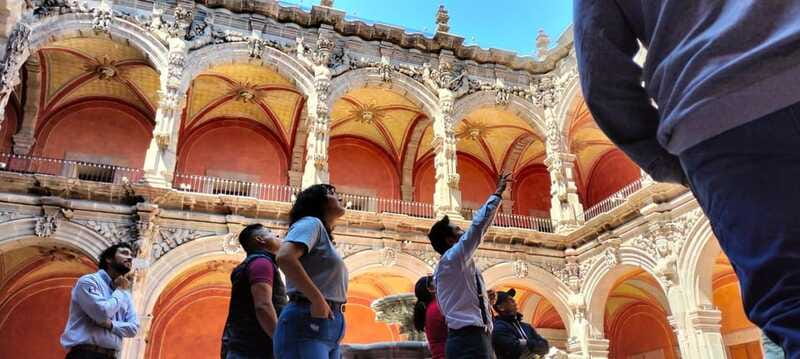
At $23 per person, this tour is reasonably priced for a two-hour walk with a live bilingual guide. You are paying less for transportation or admission and more for interpretation, organization, and local context.
The value is strongest if you are new to Querétaro. A guide can quickly explain the city’s religious landmarks, point out the monuments worth revisiting, and answer questions that would take time to research on your own.
The price is less compelling if you prefer to move slowly, read every plaque, and spend a long time inside each church. In that case, this works best as an introduction rather than a complete architectural tour.
The ability to reserve now and pay later adds flexibility. You can also cancel up to 24 hours before the activity for a full refund. These terms make it easier to place the walk early in your schedule without locking yourself into a rigid plan.
Who will enjoy this walk most
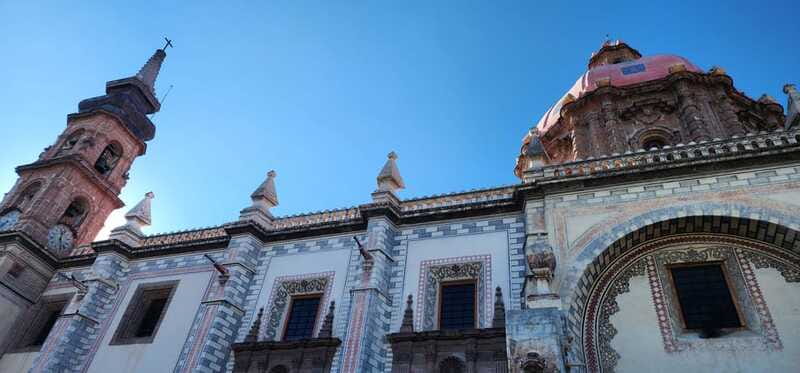
I would recommend it to first-time visitors who want orientation and context. It is also a good fit for people who enjoy architecture but do not want to study every building alone.
History fans will appreciate the links between religious institutions and Mexico’s colonial development. Art lovers will get the most from Santa Rosa de Viterbo and the Baroque details across the route. Curious visitors who simply want to understand the center will benefit from the stories and local comparisons.
The tour also suits solo visitors and small groups. Several experiences became especially personal when only one or a few people attended, allowing the guide to adjust the conversation and spend more time on individual interests.
Families may find the two-hour length manageable, though the amount of historical detail will depend on the children’s attention span. Anyone with mobility concerns can note that the activity is wheelchair accessible.
How to get more from the Temples and Convents walk
Start with a clear goal. Tell your guide if you care most about architecture, religious history, Mexican independence, photography, or local recommendations. The guides have shown they can shape explanations around those interests.
Take notes on places you want to revisit. The route covers many monuments, and it is easy to remember the general impression while forgetting the name of the building that caught your eye.
Do not judge the churches only from the outside. Ask what changed over time, what the former convents were used for, and how each order influenced Querétaro. Those questions can turn a pleasant walk into a much more useful lesson.
If the Western Zone is not the route you want, check the booking details carefully. The same program also describes an Eastern Zone route focused on the city’s foundation and viceroyalty period, including Plaza Fundadores, the aqueduct, and Casa de la Corregidora. The Western option is the one centered on temples and convents, but confirming the route before you go is sensible.
Should you book it?
Book this tour if you want a well-priced introduction to Querétaro’s religious monuments, especially if you are visiting for the first time. The guide quality is the main reason to choose it, and the repeated praise for Jesús, Jorge, Carlos, and Julio suggests you are likely to get far more than a list of dates and building names.
Skip it if you want a long, quiet study of each church or if you already know the historic center well. For most people, though, the two-hour format is a smart first step. It gives you the story, the landmarks, and a plan for exploring the city on your own afterward.
FAQ
How long is the Temples and Convents walking tour?
The tour lasts two hours. Starting times vary, so you should check availability when selecting a date.
What part of Querétaro does this tour cover?
The Western Zone focuses on Querétaro’s temples and convents, including San Francisco, Santa Rosa de Viterbo, Capuchinas, San Agustín, and Santa Clara.
Is the Ex Convent of San Francisco included?
Yes. The Ex Convent of San Francisco is part of the Western Zone route and is described as the first religious order to arrive in Querétaro.
Is the Temple of Santa Rosa de Viterbo included?
Yes. Santa Rosa de Viterbo is one of the main stops and is highlighted for its Baroque architecture.
What languages are available?
The tour is offered with a live guide in English or Spanish.
Is the tour wheelchair accessible?
Yes, the activity is listed as wheelchair accessible.
Are food and drinks included?
No. Food and drinks are not included in the $23 price.
Can I cancel the tour for a refund?
Yes. You can cancel up to 24 hours in advance for a full refund. You can also reserve now and pay later.
Newly listed around Mexico
- Ticket to Frida Kahlo Museum on CDMX★ 4.5 · 44 reviews
- Epic Centro Histórico Walking Tour★ 5.0 · 77 reviews
- Eat Like A Local By The Taco Mensch★ 5.0 · 55 reviews
- Eat and Explore Local Markets in Mexico City★ 5.0 · 83 reviews
- Ticket for the Frida Kahlo Museum★ 3.5 · 67 reviews
- Authentic Lucha Libre Tour : Wrestling School, Tacos & Mezcal★ 5.0 · 162 reviews
- Express Tour to Teotihuacan Pyramids. Be the first to arrive!★ 4.5 · 62 reviews
- Small Group: The Magical Colonial Towns of Taxco and Cuernavaca★ 4.5 · 46 reviews
Walking Tours, compared.
![Frida Kahlo VIP [Museum Tickets Included] Walk, Markets & Churros](https://d1.introducingmexico.com/wp-content/uploads/frida-kahlo-vip-museum-tickets-included-walk-markets-churros-400x267.jpg)
Frida Kahlo VIP [Museum Tickets Included] Walk, Markets & Churros
Read our review →

Puerto Vallarta’s Best Canopy Zipline + Jorullo Bridge walk!
Read our review →
Historical and Cultural Walking Tour of San Miguel de Allende
Read our review →
Tacos and Tequila Walking Tour with Taste of Miguel
Read our review →Browse the lists this tour appears in