
Reviewed · DESSERT TOURS
Cacao, Chocolate Experience in Oaxaca for Small Groups
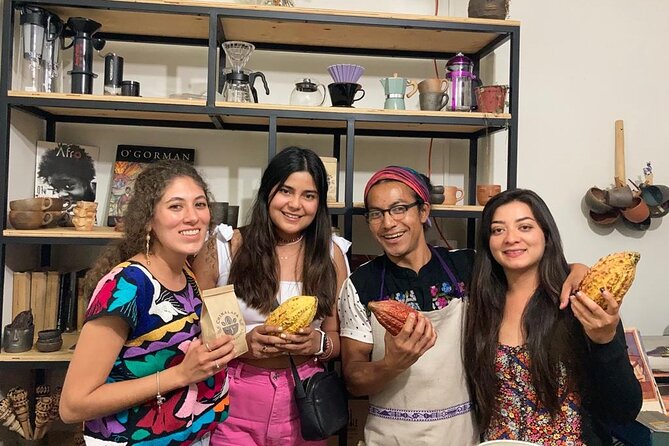
Chocolate tells Oaxaca’s story. This small-group tasting makes that story delicious, with 15 to 20 cacao and chocolate preparations, from unsweetened cocoa to drinking chocolate and bars. I like the wide range of flavors, and I like that the session explains where cacao comes from and how it reaches the table. The main drawback is simple: at $80.65 per person, this is costly for a two-hour indoor activity, especially if you want a full meal rather than a light snack.
The setting at 5 de Mayo 210, in central Oaxaca, is attractive and calm. I also like the personal scale: the group is limited to six people, so you can ask questions and adjust some drinks to your taste. If long talks wear you out, note that nearly everything happens in one place, and one past customer found the presentation too slow and the final snack too small for the price.
In This Review
- Key points at a glance
- Starting at 5 de Mayo 210 in central Oaxaca
- The first tastings: cacao before sweetness
- From cacao plant to Oaxacan tradition
- The hands-on chocolate and drink portion
- A cocoa toast, a light break, and the final drink
- Why the $80.65 price can make sense
- Who will enjoy this Oaxaca chocolate class
- Tips for getting the most from the two hours
- Should you book the Chimalapa Cacao experience?
- FAQ
- Where does the cacao experience begin?
- Where does the experience end?
- How long does the experience last?
- How many people can join the group?
- Is the experience offered in English?
- Is this activity suitable for families and vegans?
- What is the cancellation policy?
Key points at a glance
- Taste cacao in many forms: Try natural cacao, regional varieties, nibs, powders, bars, drinking chocolate, and versions made with alternative sugars.
- Learn the path from bean to cup: The session covers fermentation, processing, cacao varieties, traceability, and Oaxaca’s cultural connection to chocolate.
- Small groups keep it personal: A maximum of six people gives the workshop an intimate feel and makes questions easy.
- Expect an English-language class: The experience is offered in English, with guides such as Lucy, Martín, Elvia, Ruth, Diego, and Azomalli praised for clear teaching.
- Families and vegans are welcome: The format suits children and plant-based diets, although you should still ask about specific ingredients if you have an allergy.
- You finish with food and a house drink: A cocoa-based sandwich or cocoa toast provides a break, followed by a house drink.
Starting at 5 de Mayo 210 in central Oaxaca
You meet at 5 de Mayo 210, on the Ruta Independencia in Centro, Oaxaca de Juárez. The experience returns you to the same address, so there is no complicated transfer plan or second meeting point to manage.
That central location makes this easy to fit into a day of sightseeing. You can arrange it before or after exploring Oaxaca’s streets, markets, churches, and museums, but the exact timing matters less than arriving ready to sit, taste, and listen. This is not a farm visit or a walking tour. It is a focused indoor workshop.
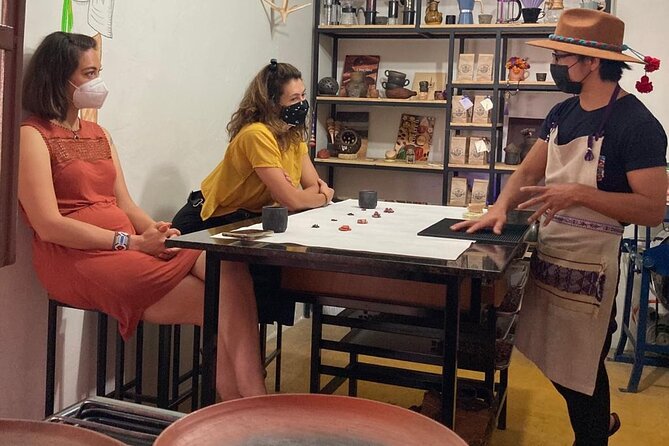
The small group size is one of the strongest practical features. With no more than six people, the host can pause for questions and give more attention to individual tastes. One solo participant ended up alone in the group and received what felt like a private session. That is not guaranteed, but the maximum size gives you a good chance of a quiet, conversational class rather than a crowded demonstration.
Service animals are allowed, and the meeting point is near public transportation. Confirmation is provided when you book. The activity is offered in English, which is useful when the subject gets technical, especially during explanations of fermentation and refining.
A few more Oaxaca runs worth comparing
- Make Your Own Chocolate with Oaxacan Tradition Private Class
★ 5.0 · 45 reviews - Finca 18 Puerto Vallarta Tequila Tour + Chocolate Pairing
★ 5.0 · 393 reviews - Bean to Bar Chocolate Workshop in Puerto Vallarta
★ 5.0 · 381 reviews
The first tastings: cacao before sweetness
The tasting begins by separating cacao from the sugary chocolate most people know. You work through different percentages, starting with pure cocoa at 0 percent sugar and moving toward more familiar preparations.
This progression is useful because it trains your palate. Unsweetened cacao can taste sharp, bitter, earthy, or fruity, while a sweeter bar may seem smoother and easier. Tasting them side by side helps you understand that chocolate is not one fixed flavor. The bean, fermentation, preparation, percentage, and added sugar all matter.
You may taste natural cacao, cacao from the Oaxaca region, nibs, powder, milk-based preparations, and bars. Some sessions have included cacao served hot and cold, prepared with water and milk. Alternative sugars also appear, giving you a chance to compare sweetness without relying only on standard refined sugar.
This is where the session feels most useful for curious eaters. Instead of simply handing you a box of chocolates, the host gives you a way to notice differences. You might leave better able to judge why one chocolate tastes fruity, another more bitter, and another softer or rounder.
The amount is generous in variety, not necessarily in serving size. You are sampling 15 to 20 presentations, so individual bites and sips are likely to be small. That is exactly what makes the range possible, but you should not expect 20 full servings or a replacement for lunch.
From cacao plant to Oaxacan tradition
The tasting is paired with a talk about cacao’s cultural role in Oaxaca and the traceability of the ingredient. The point is not only how chocolate is made, but also where it comes from and how local traditions shape the finished drink or bar.
The discussion includes cacao varieties, the plant, fermentation, refining, and the movement from bean to finished product. Several sessions have also covered the science of chocolate, which adds a practical layer to the cultural story. You get a clearer sense of why processing changes flavor and texture.
This part depends heavily on the instructor. Lucy has been praised for her patient answers and her account of local history. Martín has led detailed tastings of nibs and drinking chocolate, while Elvia has explained bean types, fermentation, and refining in clear terms. Other hosts named by past participants include Ruth, Diego, and Azomalli, also called Azo in some accounts.
The strongest praise goes to the teaching. Hosts are described as warm, funny, patient, and passionate about cacao and Oaxaca. One family with a five-year-old found Ruth especially kind and patient. Families with older children also enjoyed the hands-on portions, and two thirteen-year-olds were able to stay engaged.
Still, this is a talk-based experience. You remain in one space for most of the two hours. If you prefer constant movement, outdoor visits, or a quick succession of sights, the format may feel too still. One dissatisfied customer found the talk long and the price too high for the amount of food. That is a fair warning for anyone who wants a fast tasting rather than a class.
The hands-on chocolate and drink portion
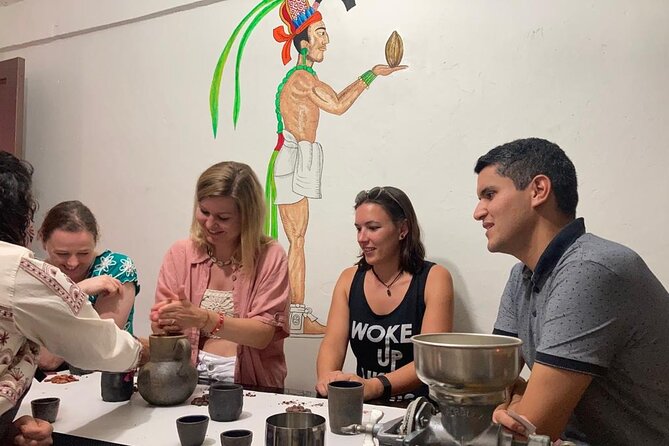
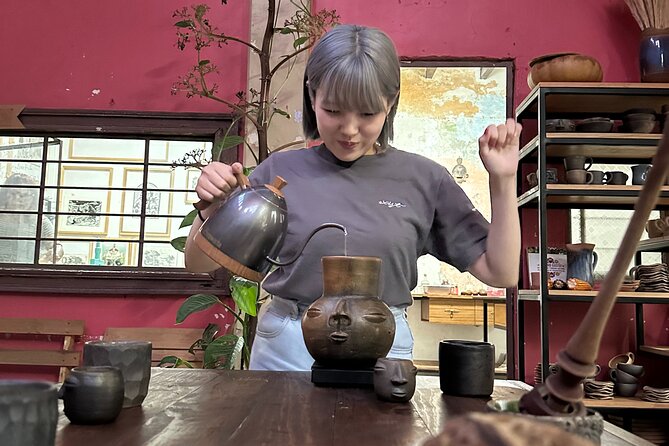
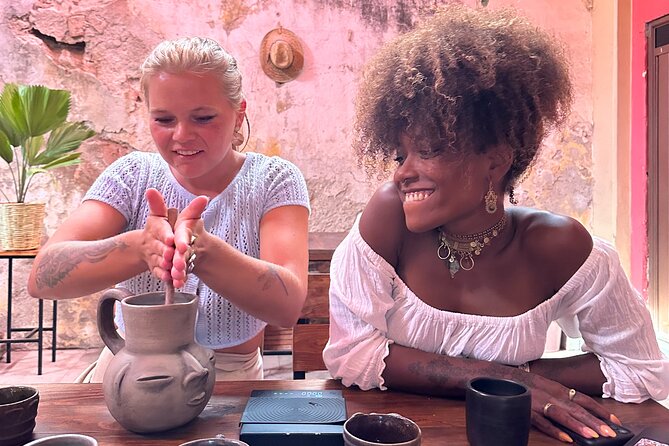
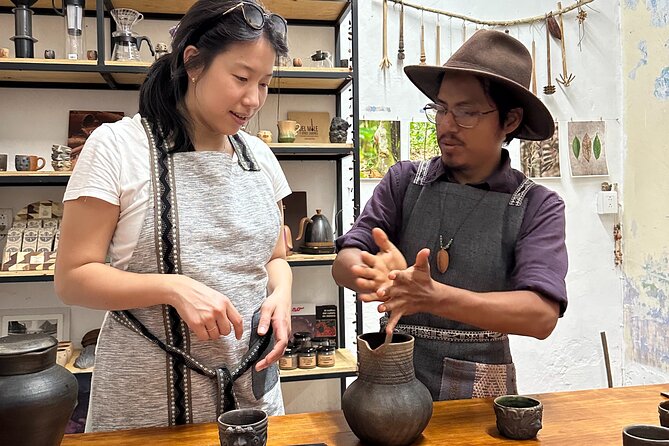
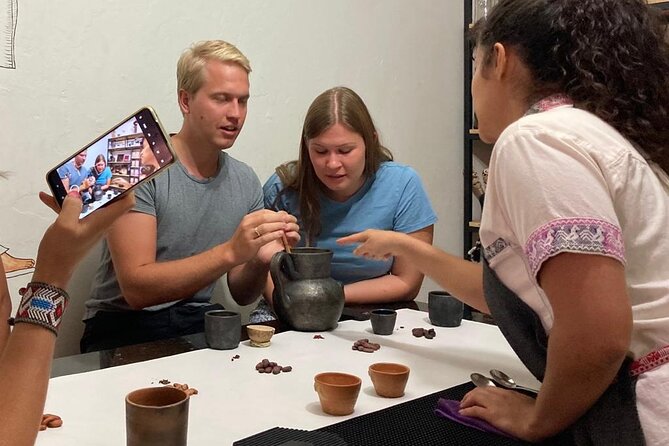
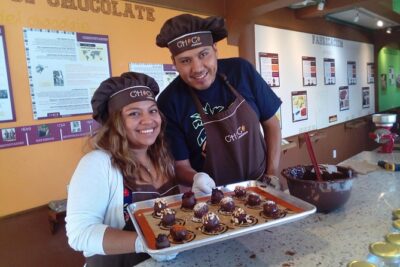
The experience becomes more active when you work with the chocolate yourself. The details can vary by session, but past participants have mixed ingredients, made their own hot chocolate, and adjusted drinks to personal taste.
This is especially helpful for families. Children do not just watch an instructor speak. They get to stir, combine, taste, and notice how a drink changes. The activity is gentle rather than messy or physically demanding, making it suitable for younger children as well as adults.
The drinking chocolate may be prepared with water or milk, and some sessions include hot and cold versions. This gives you a direct comparison between a lighter preparation and a creamier one. It also reflects Oaxaca’s strong drinking-chocolate tradition, where the beverage can be as important as the bar.
You should not expect a full cooking lesson with a take-home recipe or a long period of independent work. The hands-on element is part of a guided tasting. That balance works well for people who want to participate without spending an entire afternoon in a kitchen.
The English-language instruction is another advantage. Clear explanations matter when you are comparing several versions of cacao, and the hosts have been praised for answering questions in detail. Martín even welcomed a participant practicing basic Spanish, so the atmosphere appears relaxed rather than rigidly formal.
Same base, a different sort of day:
- Hierve el Agua, Tule Tree, Mitla and Mezcal Distillery Tour
★ 4.5 · 1,094 reviews - Explore Hierve el Agua, Mitla, Tule, Textile and Mezcal for a day
★ 5.0 · 1,043 reviews - Monte Alban Guided Half Day Tour
★ 5.0 · 880 reviews - From Oaxaca de Juarez: Hierve el Agua and Mezcal Distillery
★ 4.9 · 615 reviews
A cocoa toast, a light break, and the final drink
About midway through, you take a short break with a cocoa-based snack. The listed main is cocoa toast made with sourdough bread and organic ingredients. You may also encounter variations such as a cocoa sandwich, toast with strawberries, or an Oaxacan-style affogato, depending on the presentation.
This break helps reset your palate after bitter cacao and sweet chocolate. The bread adds something savory and substantial, while fruit or coffee-based additions can show how cacao works outside the usual candy-bar format.
The warning is portion size. One person felt the snack should have been more filling, and that criticism makes sense if you arrive hungry. I would eat beforehand or treat this as a tasting with a small snack, not as dinner. The food is there to support the lesson, not to serve as a complete meal.
The final house drink gives the session a pleasant ending. It may be a cacao-based beverage, and some groups finish with a special drink prepared in the Oaxacan style. This closing taste ties the workshop back to the region’s everyday chocolate culture.
Why the $80.65 price can make sense
At $80.65 per person, this is not a budget chocolate stop. The value comes from the teaching, the number of samples, the small group size, and the chance to compare cacao in forms you may not find in an ordinary shop.
I think the price is easier to justify if you care about food culture and want context along with the tasting. You are not paying only for chocolate. You are paying for a guided comparison of varieties and processes, an English-language explanation of cacao’s place in Oaxaca, a hands-on drink session, and a personal exchange with the host.
The calculation changes if you judge the experience by volume. You will not receive 15 to 20 large portions, and the cocoa toast or sandwich is light. If your goal is simply to eat as much chocolate as possible, a shop or market will cost less and may suit you better.
The small group helps protect the value. A maximum of six people means the class can respond to questions and individual preferences. Solo visitors may get an especially personal experience if the group is not full. Couples, friends, and families can also enjoy the social side without being lost in a large crowd.
Who will enjoy this Oaxaca chocolate class
I would recommend this for people who like to understand what they are tasting. The workshop is a strong fit for chocolate fans, food-focused visitors, families, couples, and solo visitors who prefer a calm activity with conversation.
It also suits anyone interested in Oaxaca beyond its famous dishes and markets. Cacao connects agriculture, local customs, preparation methods, and daily drinks. The class gives you a manageable way to explore that connection without committing to a full-day excursion.
Families should find the format welcoming. Children have enjoyed tasting, mixing, and making chocolate, and the hosts have been praised for patience with young participants. Keep in mind that younger children may not enjoy every bitter sample, but the wide range means there should be at least one preparation they like.
Vegans are specifically included among the intended audience. Because the tasting can include milk-based drinks and other ingredients, ask about the exact preparation if you need every sample to be plant-based or if you have allergies. The available information supports the general suitability for vegans, but not a guarantee that every item is vegan.
This may not suit you if you dislike educational talks, have limited patience for a two-hour indoor activity, or want a large meal. It is also not a quick drop-in tasting. The value depends on your interest in learning and comparing flavors.
Tips for getting the most from the two hours
Eat a light meal before arriving. The snack is pleasant but may not be enough to carry you through the evening.
Come ready to taste cacao without sugar. The early samples may be more intense than familiar chocolate, but they are central to the comparison. Give each one a moment before deciding you dislike it.
Ask questions. The small group is designed for conversation, and hosts such as Lucy, Martín, Elvia, Ruth, Diego, and Azomalli have been praised for giving thoughtful answers.
If you enjoy a particular powder, bar, or chili cacao product, ask about buying it before you leave. The shop has offered distinctive cacao products and attractive pottery, giving you a chance to take home something more local than a standard souvenir.
Book ahead if your schedule is fixed. The experience is booked an average of 16 days in advance, which suggests that popular dates can fill before your visit.
Cancellation is flexible up to a point. You receive a full refund if you cancel at least 24 hours before the start time. Cancellations or changes made within 24 hours are not refunded or accepted.
Should you book the Chimalapa Cacao experience?
Book it if you want a thoughtful, small-group lesson with plenty of tasting and a clear connection to Oaxaca’s cacao culture. The best parts are the range of preparations, the hands-on drink making, and the hosts’ warm teaching style. Families, English-speaking visitors, and serious chocolate fans are likely to get the most from it.
Skip it if you want a farm visit, a moving tour, or a substantial meal. At $80.65, you should value the information and personal attention as much as the chocolate itself. For the right audience, this is a memorable way to understand what is in your cup, not just something sweet to nibble.
FAQ
Where does the cacao experience begin?
It begins at 5 de Mayo 210, Ruta Independencia, Centro, 68000 Oaxaca de Juárez, Oaxaca, Mexico.
Where does the experience end?
The activity ends back at the same meeting point.
How long does the experience last?
It lasts approximately two hours.
How many people can join the group?
The maximum group size is six people.
Is the experience offered in English?
Yes. The experience is offered in English.
Is this activity suitable for families and vegans?
Yes. It is described as suitable for families, vegans, and anyone interested in chocolate culture. Because some drinks may use milk, ask about specific ingredients if you require every tasting to be vegan.
What is the cancellation policy?
You can cancel at least 24 hours before the start time for a full refund. Cancellations or changes made less than 24 hours before the experience are not refunded or accepted.
Newly listed around Oaxaca
- Oaxaca Walking Tour★ 5.0 · 32 reviews
- Private Minivan: Huatulco International Airport (HUX)★ 4.0 · 119 reviews
- Traditional Oaxaqueña Cooking with Grandma’s Recipes★ 5.0 · 260 reviews
- Culture, History and Food in Oaxaca City★ 5.0 · 43 reviews
- Ultimate Hierve el Agua Hike + Textile Art★ 5.0 · 42 reviews
- Private and safe transfer from the airport to the hotel in Oaxaca★ 4.5 · 58 reviews
- Private and Secure Transfer Hotel to Oaxaca Airport★ 5.0 · 33 reviews
- Tour Boil the “classic” water★ 4.5 · 67 reviews
Dessert Tours, compared.
Finca 18 Puerto Vallarta Tequila Tour + Chocolate Pairing
Read our review →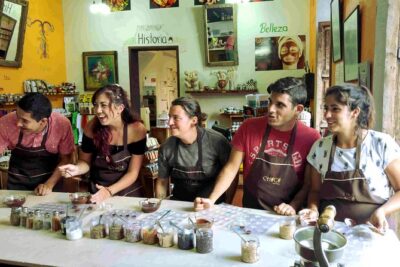
Bean to Bar Chocolate Workshop in Puerto Vallarta
Read our review →

San Jose del Cabo Art Walk, Beer Tasting &Chocolate Demonstration
Read our review →

Tour to Uxmal Kabah and Chocolate Museum from Mérida
Read our review →Browse the lists this tour appears in