
Reviewed · MUSEUMS
Guided Tour of the Museum of Anthropology
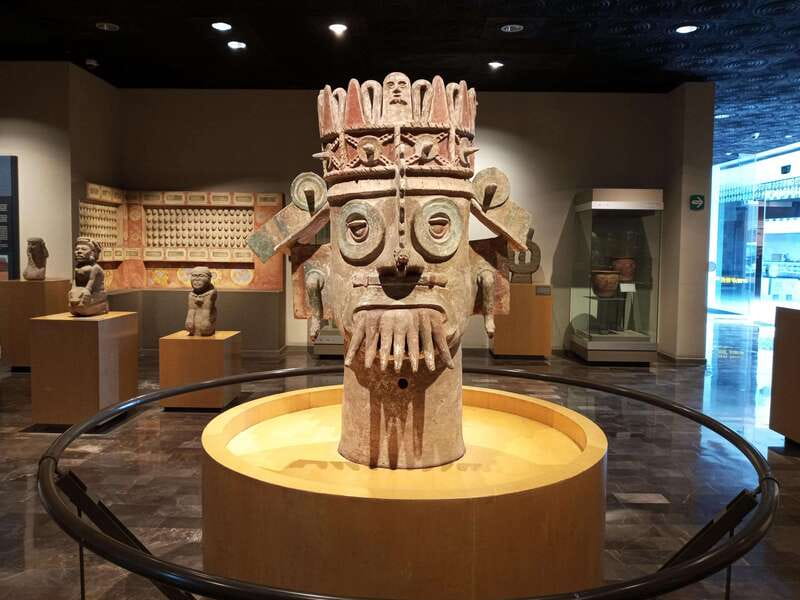
Mexico’s past comes alive room by room. This three-hour Museum of Anthropology tour gives you a clear path through Mexico’s major ancient cultures, with an English-speaking guide who can explain the stories behind the objects. I especially like the small group limit of eight and the chance to see famous pieces such as the Sun Stone, Coatlicue, Olmec Heads, and the Mask of Pakal without trying to make sense of the museum alone.
I also like the guides’ strong command of Mexican history. Edith and Hector receive repeated praise for their warmth, humor, and ability to answer questions without losing the thread of the tour. The main drawback is simple: three hours is enough for a focused introduction, not a full visit. The museum is large, and detailed explanations mean you may see only part of its collection.
- The Sun Stone anchors the Mexica visit: Expect careful explanation of its symbols, purpose, and place in Mexican history.
- The guide makes English signage less of a problem: Much of the museum’s written information is not translated into English.
- The route covers major cultures: Teotihuacan, Mexica, Maya, Toltec, and Gulf Coast displays form the core of the visit.
- A group of eight keeps the pace personal: You can ask questions and hear the guide clearly.
- The surrounding gardens add breathing room: The outdoor spaces connect the exhibition rooms and give the visit a calmer rhythm.
- Three hours works best as a first visit: Plan extra museum time afterward if you want to see more displays independently.
In This Review
- Why This Museum Deserves a Guided Visit
- Meeting Beside the Mexican Flag
- Beginning With the Museum’s Purpose and Design
- Teotihuacan: Monumental Ideas in Stone
- Mexica Objects and the Sun Stone
- Maya Art and the Mask of Pakal
- Toltec and Gulf Coast Traditions
- Gardens That Give the Tour Room to Breathe
- The Guides: Edith and Hector
- What $38 Buys You
- Who Should Book This Experience
- Should You Book the Museum of Anthropology Tour?
- FAQ
- How much does the Museum of Anthropology guided tour cost?
- How long does the tour last?
- What languages are available?
- What cultures are included in the tour?
- Which famous objects will I see?
- What is included in the price?
- Are food and drinks included?
- Where is the meeting point?
- Can I cancel the booking?
Why This Museum Deserves a Guided Visit
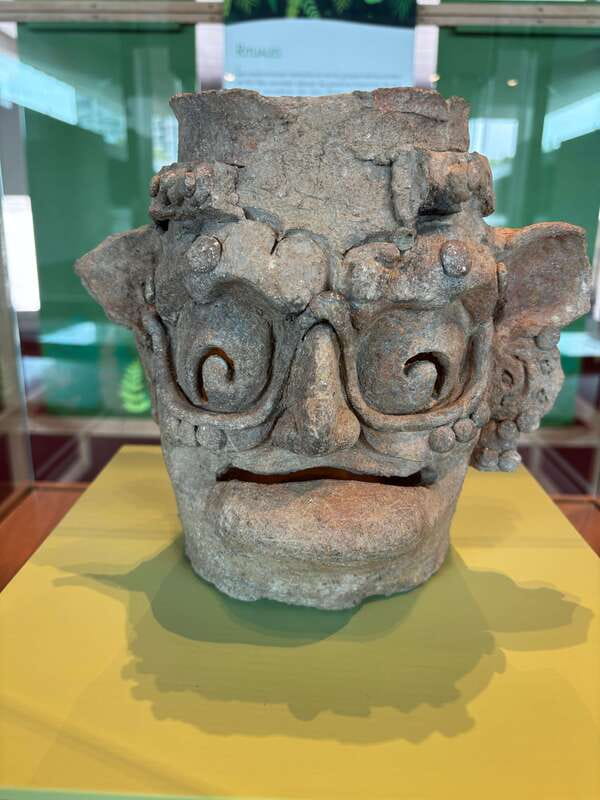
The Museum of Anthropology is not a quick stop for a few famous objects. It is a large institution devoted to the cultures that inhabited and continue to shape Mexico. Its rooms cover different regions and periods, so the sheer volume of material can become tiring without a plan.
That is where this tour earns its keep. Instead of wandering from display case to display case, you follow a story about Mexico’s ancient peoples, their beliefs, their political systems, their art, and the symbols that still appear throughout the country.
I find guided museum visits most useful when the objects are impressive but unfamiliar. A monumental stone head can look powerful on its own, but a guide can explain what is known about its culture, why it matters, and what details to notice. The same goes for the carved figures and ceremonial objects connected with the Mexica, Maya, Toltec, Teotihuacan, and Gulf Coast traditions.
The English-language guidance is particularly useful here. One visitor noted that little of the museum signage is translated into English. You can still appreciate the objects without a guide, but the written explanations will not always give you enough context. A good guide fills that gap while helping you connect separate displays into a larger story.
Meeting Beside the Mexican Flag
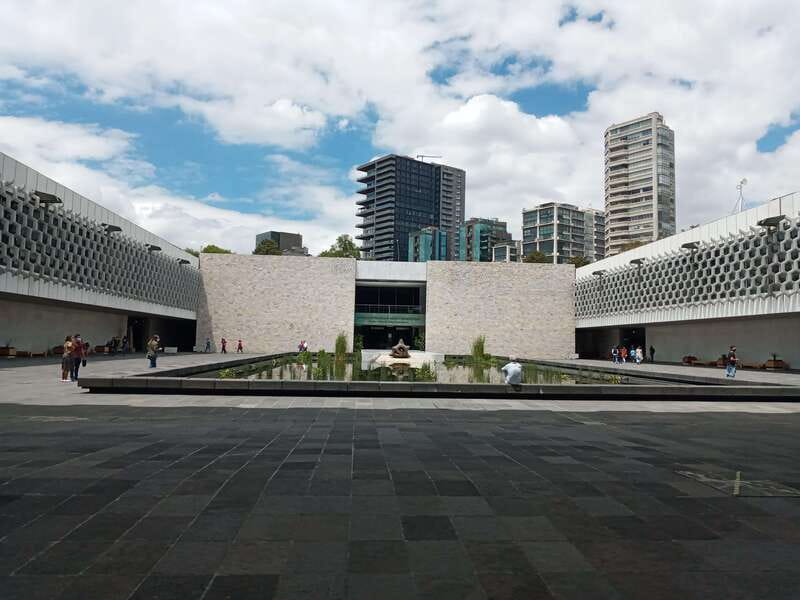
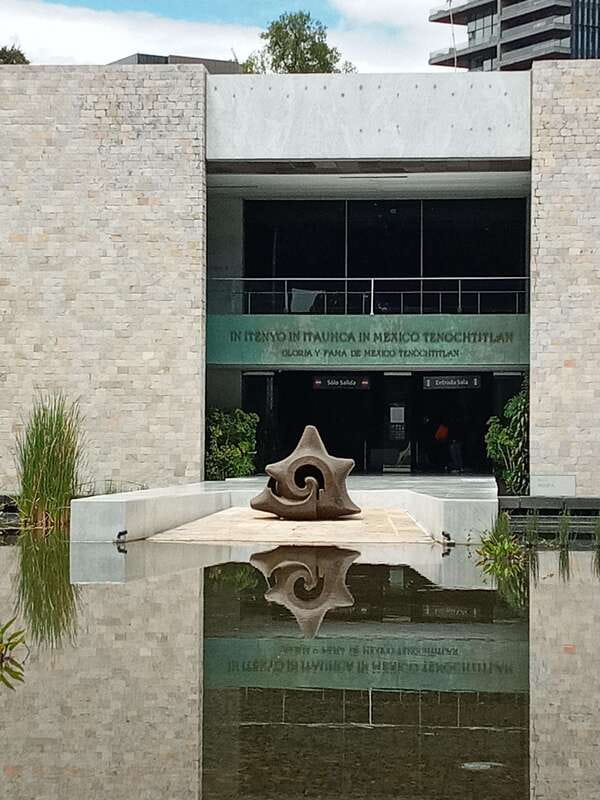
The meeting point is at the entrance to the Museum of Anthropology, next to the Mexican flag. That is a practical location, but you should allow enough time to find the entrance and identify your guide before the start.
The tour usually runs in the morning or afternoon and lasts three hours. The schedule gives you a substantial museum visit without using your entire day, which makes it easy to pair with another Mexico City activity. Still, do not treat the three hours as a complete museum survey. The collection is too large for that.
Comfortable shoes are important. You will spend much of the visit walking and standing, and the guide’s detailed explanations can make the time pass quickly. Hector’s tour reportedly continued beyond the posted three-hour mark because the discussion was so absorbing, though you should not assume every departure will run long.
The small group format matters here. With no more than eight participants, you can stay close enough to hear the guide and ask questions without calling across a crowded room. It also allows the guide to adjust the pace when a particular object catches your attention.
More museum visits in Mexico City:
- CDMX: Xochimilco, Coyoacan, Frida Kahlo Museum & Murals Tour
★ 4.4 · 3,025 reviews - Chapultepec Castle & Anthropology Museum Tour
★ 4.5 · 1,348 reviews - Frida Kahlo VIP [Museum Tickets Included] Bike, Markets & Churros
★ 5.0 · 1,072 reviews
Beginning With the Museum’s Purpose and Design
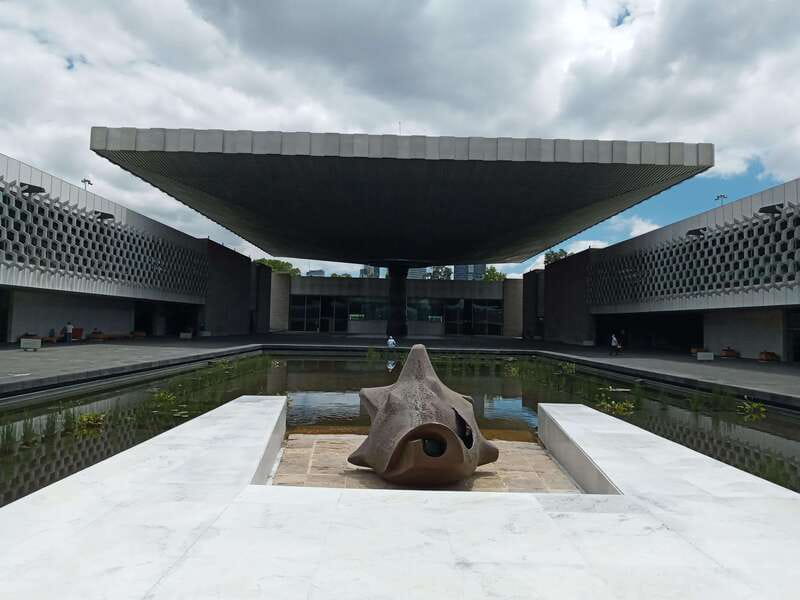
The tour begins by discussing the construction of the museum and its purpose. This opening helps you understand that the building is not simply a container for old objects. Its design and organization reflect an effort to present Mexico’s many cultures in a coherent national story.
That framing is useful because the museum covers both ancient cultures and the people who continue those traditions. The tour’s stated aim is to show the legacy of Mexico’s ancestors while recognizing that these cultures are not only part of the distant past.
A guide can also help you read the museum as a carefully arranged journey. Rooms are not random collections. They present different cultural areas and historical periods, allowing you to compare styles, beliefs, and forms of power.
I like this approach because it gives the visit a beginning before the famous objects appear. You are not simply waiting for the Sun Stone. You are learning why the museum exists and how to think about what you are seeing.
Teotihuacan: Monumental Ideas in Stone
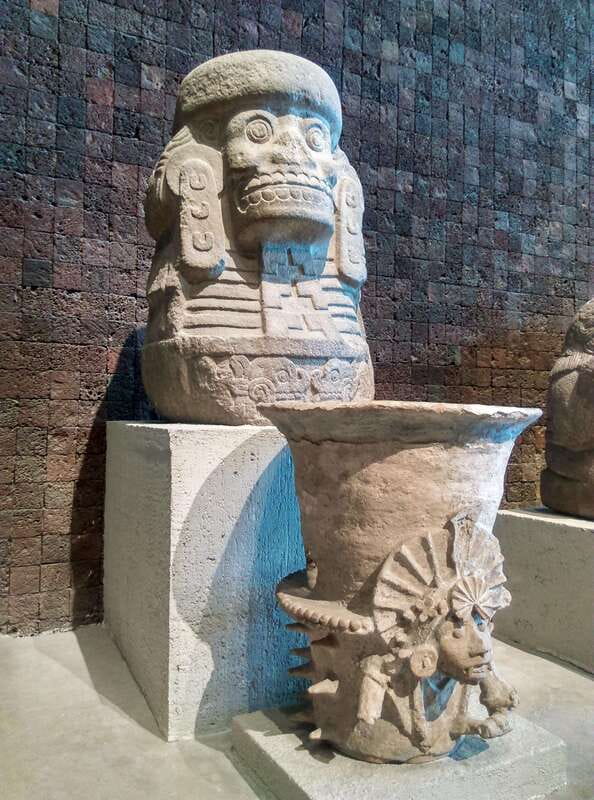
The Teotihuacan section introduces one of the major cultures included in the tour. Its material is important not only for its size and visual impact, but also for the questions it raises about one of ancient Mexico’s most influential urban centers.
Your guide will place the objects within the wider story of Teotihuacan and explain the details worth noticing. This is a good example of why a guided visit helps. Large stone pieces can be visually striking, but their meaning is not always obvious from a label.
The tour does not promise a complete examination of every Teotihuacan display. Instead, you get a selected route through the main rooms, with the guide choosing objects that help explain the culture and its place in Mesoamerican history.
If you already know Teotihuacan well, you may want extra time afterward to explore the displays independently. For a first visit, the guided introduction gives you a useful base for understanding what you see elsewhere in Mexico.
Mexica Objects and the Sun Stone
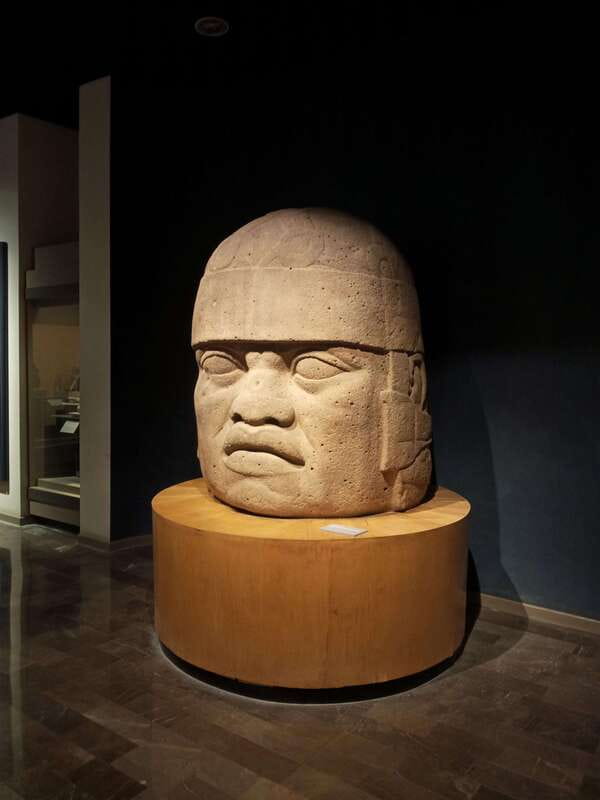
The Mexica section includes some of the museum’s most famous objects, especially the Sun Stone and Coatlicue. These pieces attract attention for good reason, but their value goes beyond their size or fame.
The Sun Stone is an especially important stop. Its carved surface contains a complex set of symbols, and a guide can help you focus on the features that matter rather than simply taking a photograph and moving on. The discussion connects the object to Mexica beliefs and the way time, power, and the cosmos were represented.
Coatlicue offers a different kind of encounter. Its form is powerful and unsettling, with details that reward a slower look. Your guide can explain the symbolism and why this object has become such an important part of Mexico’s understanding of its pre-Hispanic past.
This is one of the tour’s strongest sections because the objects are iconic, yet still difficult to interpret alone. I would rather spend meaningful time with a few major pieces than rush through dozens of cases without knowing what I am seeing.
The guides’ approach appears to be conversational rather than rigid. Edith is praised for answering questions and then moving the group forward, while Hector is noted for explaining symbolism in detail. That balance is valuable in a museum, where one fascinating question can easily consume half the morning.
A few more Mexico City runs worth comparing
- Teotihuacan, Guadalupe Shrine & Tlatelolco Day Tour with Lunch
★ 5.0 · 11,603 reviews - Xochimilco, Coyoacan and Frida Kahlo with Optional Lunch
★ 4.5 · 7,320 reviews - Balloon flight + Breakfast in cave + Pyramids + Pick up CDMX.
★ 5.0 · 6,335 reviews - Teotihuacan pyramids morning or afternoon without tourist traps
★ 5.0 · 6,186 reviews
Maya Art and the Mask of Pakal
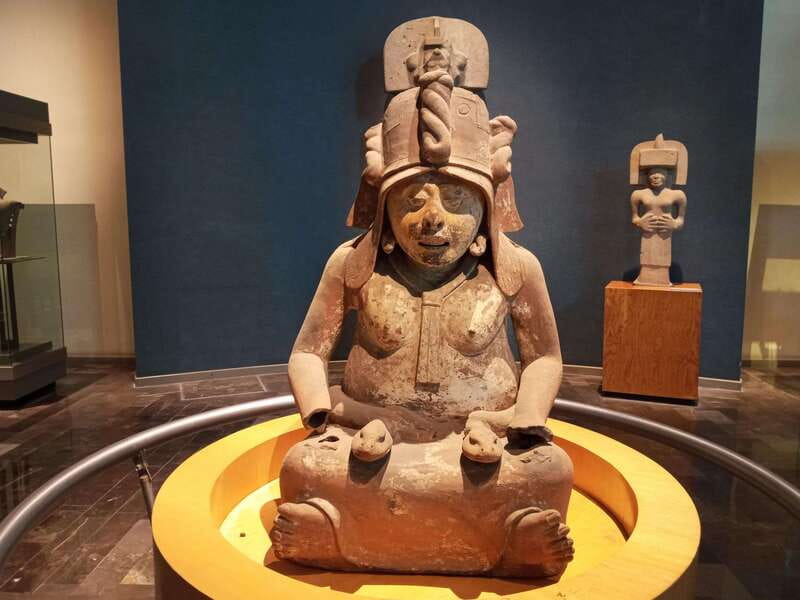
The Maya displays bring another major cultural tradition into the route. The Mask of Pakal is one of the signature objects named for this visit, and it gives the guide a chance to discuss Maya leadership, artistic traditions, and the role of ceremonial objects.
The important point is not just seeing the mask. You want to understand why it matters and how it fits into the broader Maya story. A guide can draw your eye to its materials, design, and symbolism while explaining the historical setting in plain English.
This section also helps prevent a common mistake: treating all ancient Mexican cultures as one civilization. Teotihuacan, Mexica, Maya, Toltec, and Gulf Coast cultures developed distinct traditions. Seeing them in one museum makes comparison possible, but only if someone helps you keep the differences clear.
I would pay close attention to the guide’s explanations here, especially if you plan to visit other archaeological sites in Mexico. One visitor found that the symbols learned during the tour became easier to recognize throughout the rest of the country. That is a real benefit: the tour can change how you look at later monuments, museums, and public art.
Toltec and Gulf Coast Traditions
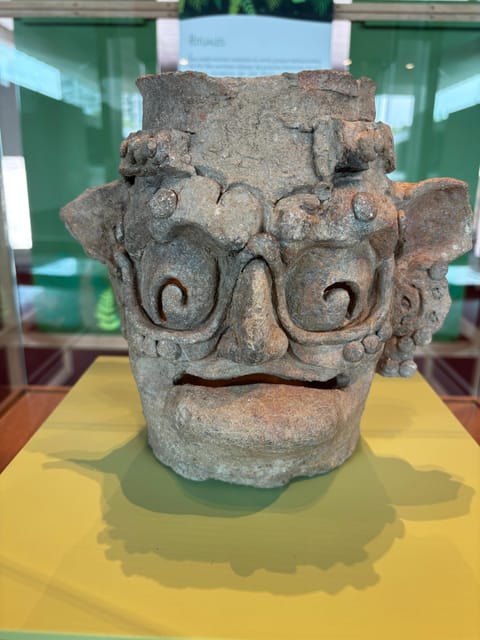
The tour also includes Toltec and Gulf Coast cultures. These sections may receive less attention in popular discussions than the Sun Stone or Mask of Pakal, but they are important for showing the range of Mexico’s past.
The Gulf Coast displays include the famous Olmec Heads, among the museum’s most recognizable works. Their scale and carved features make them an easy focus for the group, while the guide supplies the background needed to place them within the region’s cultural story.
The Toltec section adds another part of the timeline and gives you a chance to compare artistic and political traditions with those already introduced. Because the tour covers several major cultures, the route works best when you listen for connections as well as differences.
Three hours puts limits on how long you can spend in each room. That is not necessarily a weakness. A tightly guided route can help first-time visitors avoid fatigue, but anyone with a strong interest in one culture should arrange additional museum time.
Gardens That Give the Tour Room to Breathe
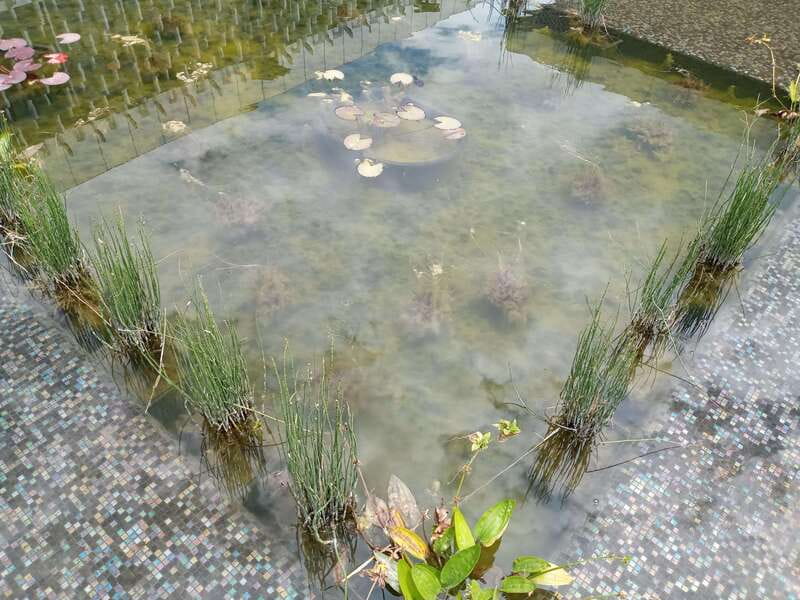
The tour includes the gardens surrounding the museum. These spaces complement the exhibition rooms and create a change of pace between indoor displays.
That outdoor portion is more than a short walk from one entrance to another. It gives you time to absorb what you have seen and consider how the museum connects objects, architecture, and open space. After several rooms of stonework, masks, carvings, and symbols, a pause outdoors can help you stay attentive.
The gardens also add variety to a three-hour route. A museum visit made entirely of indoor rooms can feel heavy, especially when the subject matter is dense. Moving outside briefly keeps the experience from becoming one long march through display cases.
Do not expect the gardens to replace a separate sightseeing stop. Their role is to support the museum visit, not to provide a major botanical attraction. Think of them as part of the museum’s rhythm.
The Guides: Edith and Hector
The strongest part of this experience is the guide. Edith and Hector are the names most often associated with the tour, and both receive strong praise for their command of the subject, friendliness, and ability to answer questions.
Edith is described as pleasant, accommodating, and able to cover a great deal of history at an enjoyable pace. She also brings humor to the route, which matters when you are spending three hours with complex material. Kate described Edith as someone who helped her better appreciate the Mexican story and identity.
Hector is praised for his explanations of artifacts and symbolism. His tours may move at a slower, more detailed pace, so you should be prepared to see a smaller portion of the museum. That tradeoff works well for people who would rather understand fewer objects than skim many rooms.
The guide is a Federal Tour Guide, and the experience is offered in English. You should still ask questions. The best value comes when you tell the guide what interests you, whether that is religion, architecture, political power, art, or daily life.
The guides’ passion for Mexico’s past is also part of the experience. The tone is not detached or purely academic. It reflects pride in the country’s cultural inheritance, while the museum itself gives you the objects needed to explore that story.
What $38 Buys You
At $38 per person, the tour includes museum admission and the three-hour guided visit by a Federal Tour Guide. Food, drinks, and souvenirs are not included.
I consider the price reasonable if you want a serious introduction to the museum and prefer not to read every label alone. Admission by itself does not explain the objects, and the English signage can be limited. The guide’s interpretation is the main value.
The price is less attractive if you plan to spend several hours wandering independently and already know the museum well. In that case, you may prefer to pay for admission and set your own route. The guided option is aimed more at first-time visitors and people who want historical context.
You can reserve now and pay later, which keeps your plans flexible. Cancellation is free up to 24 hours before the activity for a full refund. Those terms are useful if your Mexico City schedule is still changing.
Who Should Book This Experience
I would recommend this tour to first-time visitors, English-speaking visitors, and anyone who wants help making sense of Mexico’s major pre-Hispanic cultures. It is also a good fit if you like asking questions and prefer a small group over a large museum crowd.
Families with older children may appreciate the focused route, especially if a full museum day would be too much. The three-hour length gives you a clear starting point without requiring you to commit to every room.
People with a strong interest in one particular culture should plan extra time after the tour. The route touches Teotihuacan, Mexica, Maya, Toltec, and Gulf Coast cultures, but it cannot examine every display in detail.
I would be cautious about booking if you want a completely self-directed visit or dislike standing and walking for several hours. The tour is structured, and its value comes from following the guide’s selections.
Should You Book the Museum of Anthropology Tour?
Book it if you want the museum to make sense, not just look impressive. The small group, English guidance, major artifacts, and strong guides make this a useful first visit, especially when little signage is available in English.
Do not book it expecting to see every room. Treat the three hours as a guided foundation, then stay longer on your own if you have the time. After the tour, a late breakfast or lunch can help you recharge before spending another couple of hours with the museum’s remaining displays.
For $38, I think this is a solid choice for most first-time visitors to Mexico City who want context, clear explanations, and a route through the museum’s essential rooms.
FAQ
How much does the Museum of Anthropology guided tour cost?
The tour costs $38 per person.
How long does the tour last?
The guided visit lasts three hours. It is usually available in the morning and afternoon.
What languages are available?
The tour is offered in English with a live English-speaking guide.
What cultures are included in the tour?
The route includes Teotihuacan, Mexica, Maya, Toltec, and Gulf Coast cultures.
Which famous objects will I see?
The tour emphasizes the Sun Stone, Coatlicue, Olmec Heads, and the Mask of Pakal.
What is included in the price?
Museum entrance and a guided visit by a Federal Tour Guide are included.
Are food and drinks included?
No. Food and beverages are not included.
Where is the meeting point?
Meet at the entrance to the Museum of Anthropology, next to the Mexican flag.
Can I cancel the booking?
Yes. You can cancel up to 24 hours in advance for a full refund. You can also reserve now and pay later.
Newly listed around Mexico City
- Epic Centro Histórico Walking Tour★ 5.0 · 77 reviews
- Ticket to Frida Kahlo Museum on CDMX★ 4.5 · 44 reviews
- Eat Like A Local By The Taco Mensch★ 5.0 · 55 reviews
- Eat and Explore Local Markets in Mexico City★ 5.0 · 83 reviews
- Ticket for the Frida Kahlo Museum★ 3.5 · 67 reviews
- Authentic Lucha Libre Tour : Wrestling School, Tacos & Mezcal★ 5.0 · 162 reviews
- Express Tour to Teotihuacan Pyramids. Be the first to arrive!★ 4.5 · 62 reviews
- Small Group: The Magical Colonial Towns of Taxco and Cuernavaca★ 4.5 · 46 reviews
Museums, compared.

Xochimilco, Coyoacan, Frida Kahlo Museum & Murals Tour
Read our review →
Chapultepec Castle & Anthropology Museum Tour
Read our review →![Frida Kahlo VIP [Museum Tickets Included] Bike, Markets & Churros](https://d1.introducingmexico.com/wp-content/uploads/frida-kahlo-vip-museum-tickets-included-bike-markets-churros-400x267.jpg)
Frida Kahlo VIP [Museum Tickets Included] Bike, Markets & Churros
Read our review →
![Frida Kahlo VIP [Museum Tickets Included] Walk, Markets & Churros](https://d1.introducingmexico.com/wp-content/uploads/frida-kahlo-vip-museum-tickets-included-walk-markets-churros-400x267.jpg)
Frida Kahlo VIP [Museum Tickets Included] Walk, Markets & Churros
Read our review →
EXCLUSIVE TOUR Frida Kahlo Museum – SMALL GROUPS
Read our review →
Coba Multun-Ha Cenote Tulum and Mayan Museum Small Group
Read our review →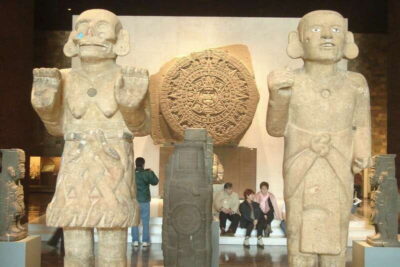
Browse the lists this tour appears in