
Reviewed · HISTORICAL TOURS
Mexico City: Guided walking tour through the most historic parts of the city.
Mexico City keeps its secrets in plain sight. This three-hour Centro Histórico walk links Aztec ruins, Spanish colonial buildings, and the modern capital, while guides such as Areli, Oscar, Alexia, Laura, and Netza add stories that make the stonework easier to understand. I like the clear three-era structure and the practical advice about tacos, transport, and safe street-food choices.
I also like the small-group feel reported on several departures, where guides could answer questions and adjust the pace. The main tradeoff is simple: you will walk and stand for most of the three hours, and some people may find the opening history talk too long before the group gets moving.
In This Review
- The six details that matter most
- Why this is a smart first look at Mexico City
- Meeting the guide at the Metropolitan Cathedral
- The Zócalo: Mexico City’s great historical stage
- Inside the Metropolitan Cathedral
- Templo Mayor and the city beneath the city
- Santo Domingo and the colonial working city
- Postal Palace and Manuel Tolsá’s grand architecture
- Casa de los Azulejos and the route to Fine Arts
- The people make or break this walk
- Food, transport, and the useful local details
- Pace, weather, and physical demands
- Is $30 a fair price?
- Should you book this Mexico City walking tour?
- FAQ
- How long is the Mexico City walking tour?
- Where does the tour begin?
- Where does the tour finish?
- Which languages are available?
- Are entrance fees included?
- Is food included?
- Does the tour run in bad weather?
- What should I bring?
The six details that matter most
- Three eras in one walk: You move from pre-Hispanic Mexico to the Viceroyalty and then the Republic without treating each period as a separate museum lesson.
- A useful first-day orientation: The route helps you understand the Zócalo, major streets, public transportation, food areas, and the basic shape of the historic center.
- Strong guide-led storytelling: Areli, Oscar, Alexia, Laura, Netza, Gabriela, Luis, and others have been praised for warmth, energy, clear explanations, and thoughtful answers.
- Several famous sights in three hours: The route includes the Metropolitan Cathedral, Templo Mayor, Santo Domingo, the Postal Palace, Casa de los Azulejos, and the Palace of Fine Arts.
- Practical food advice: You learn how locals judge a taco stand and where you might find good places to eat, though food itself is not included.
- Weather and event flexibility: The walk goes ahead in all weather, with changes made when local events affect the route.
Why this is a smart first look at Mexico City
At $30 per person, this tour offers good value if you want context rather than a quick parade of photo stops. You get a local guide for three hours, a planned route through the city center, and explanations that connect buildings to politics, religion, art, food, and daily life.
You are not simply shown a cathedral and told its name. The guide explains how Mexico-Tenochtitlan became a Spanish colonial city, and how that colonial center later became part of an independent republic. That broad frame is useful because Mexico City can feel confusing at first. Ancient foundations sit beside colonial facades, national monuments, modern businesses, and street life.
I would book it near the beginning of your stay. You can use the advice about transportation, eating, photography spots, and further sightseeing for the rest of your time in the capital. Several guides also offer suggestions for places to visit after the walk, which makes the tour more useful than a history lecture that ends at the final monument.
The experience is offered in English and Spanish. Some material may be presented in its original language, so ask your guide to clarify anything that passes too quickly.
More History Tours in Mexico City
- Historic Downtown Walking Tour
★ 5.0 · 1,289 reviews - Historic Center Food Tour in Mexico City
★ 5.0 · 1,263 reviews - Mexico City: Historic Downtown Walking Tour
★ 4.8 · 1,039 reviews
Meeting the guide at the Metropolitan Cathedral
The meeting point is easy to describe but worth taking seriously. Go to the main entrance of the Metropolitan Cathedral, facing the Zócalo and its large central flag. On the sidewalk, look for the guide wearing a green uniform and carrying a green umbrella.
Mexico City traffic can make a short trip take much longer than expected. The instructions advise allowing at least an hour to reach the meeting point, a sensible cushion if you are coming from another part of the city. Bring a phone with a working number, preferably WhatsApp, so the guide can contact you if plans shift.
Arrive ready to walk. Comfortable shoes matter more than stylish ones here, and you will also want a hat, sunglasses, sunscreen, cash, and clothing suited to the forecast. The tour runs even when the weather is poor, so a light rain layer can be a practical addition.
The Zócalo: Mexico City’s great historical stage
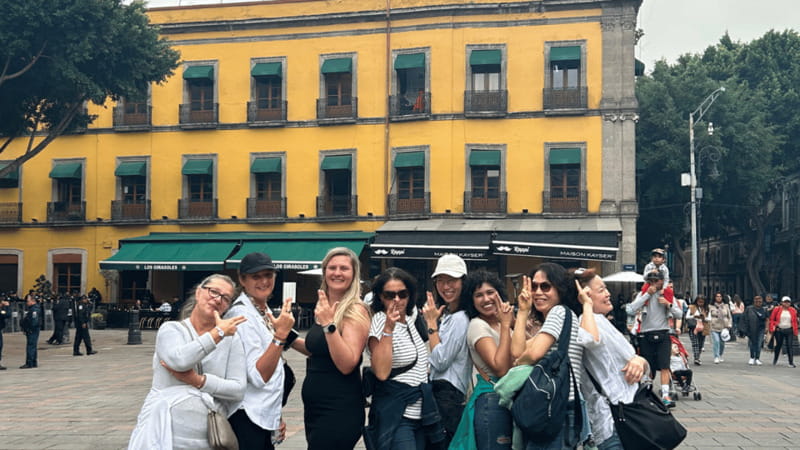
The tour begins in the Zócalo, the huge central plaza at the heart of the historic center. The guide uses this open space to explain the origins of Mexico-Tenochtitlan and the dramatic change from Aztec imperial capital to Spanish colonial city and, later, national capital.
This is a good place to begin because the buildings around you represent several layers of power. The Cathedral represents the colonial church. Government buildings reflect political authority. Beneath and around them are traces of the earlier Mexica city.
Expect about 25 minutes of guided explanation here. The amount of standing may be the first test of your patience. One past participant felt the introduction lasted too long before the group began walking, and that is useful advice for anyone who prefers learning while moving. The material is worthwhile, but you may want to ask questions once the group starts along the route.
Inside the Metropolitan Cathedral
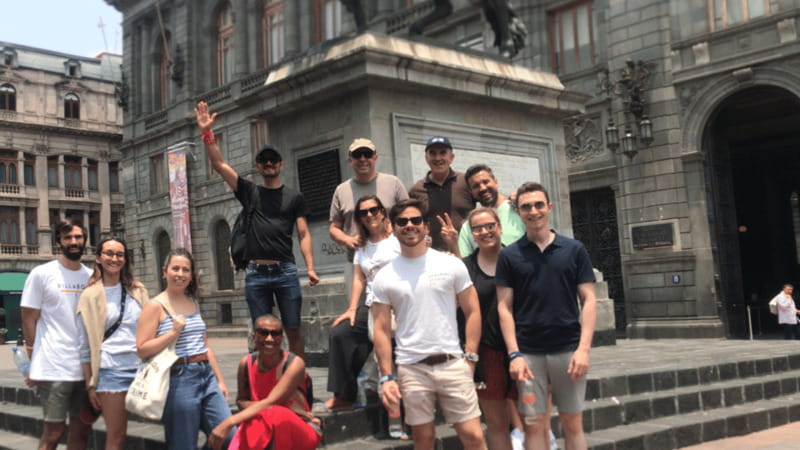
The cathedral visit lasts about 20 minutes. From the outside, its scale and formal facade dominate one side of the plaza. Inside, you can look more closely at the architecture and understand how central the Catholic Church was to colonial Mexico.
The guide’s role here is important. A large church can blur into a series of altars and chapels if you do not know what to look for. The explanations connect the building to the Viceroyalty, the period when Spain governed Mexico, rather than treating it as just another ornate stop.
This portion is included as a visit, but entrance fees are not included in the $30 price. The tour information does not specify a separate cathedral admission cost, so carry cash and check current conditions before you go. The group may also need to respect services or restrictions inside the building.
More Walking Tours in Mexico City
- Frida Kahlo VIP [Museum Tickets Included] Walk, Markets & Churros
★ 5.0 · 982 reviews - Walking Tour of the Historic Center of Mexico City
★ 5.0 · 870 reviews - Anthropology Museum Private Experience Walking Tour
★ 5.0 · 355 reviews - Mexico City: Lucha Libre Show, Walking Tour & Tequila
★ 4.6 · 156 reviews
Templo Mayor and the city beneath the city
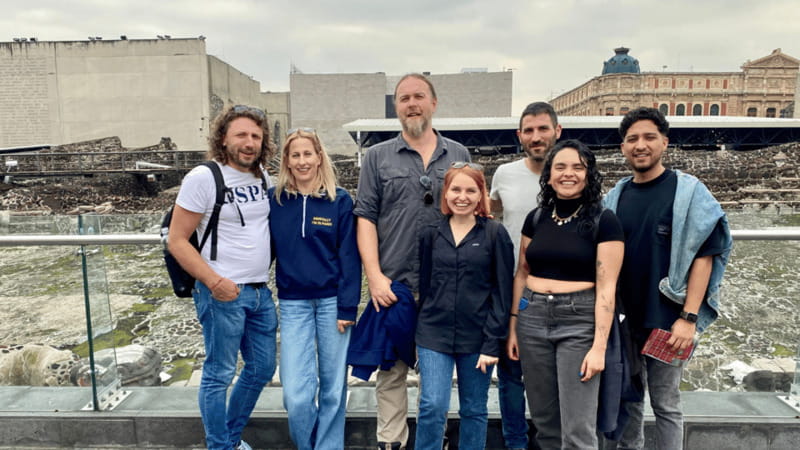
A short walk leads to Templo Mayor, one of the most important stops on the route. The ruins show the scale and importance of the Aztec capital, while the surrounding colonial buildings reveal how the later city was built over and around the earlier one.
The scheduled explanation here lasts about 30 minutes. That gives the guide time to explain the site’s role in Mexico-Tenochtitlan and the way archaeological remains fit into the present-day center. You will see history not as a distant chapter, but as something physically under the pavement and beside the streets.
The itinerary names the Templo Mayor Museum, but entrance fees are excluded. Clarify with the guide whether the group’s scheduled visit includes museum entry or focuses on the visible ruins and outside interpretation. If you want a full museum visit, three hours may not leave enough time for a long independent look, so plan a return visit if the collection interests you.
This stop can also be one of the most meaningful for families and first-time visitors. It gives children a concrete way to understand that the modern city was not built on an empty site.
Santo Domingo and the colonial working city
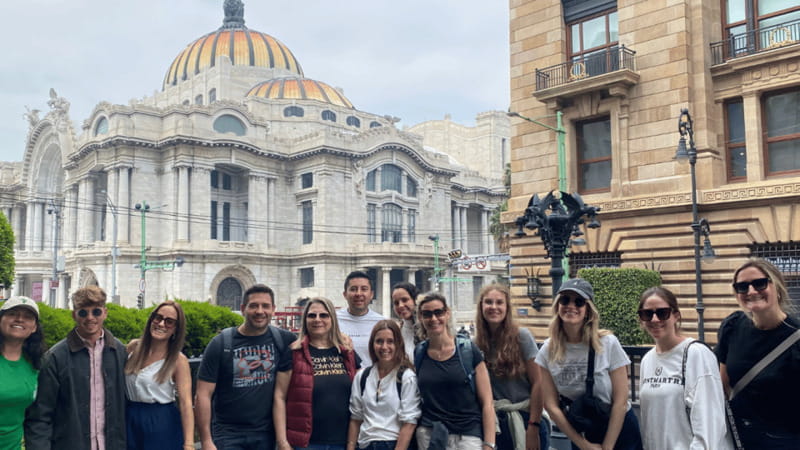
At Plaza de Santo Domingo, the group pauses for about 25 minutes for photographs and explanation. The guide discusses the Dominican order and its influence, adding a religious and institutional layer to the story of the center.
The value of this stop is its change of scale. The Zócalo is monumental. Santo Domingo feels more like a place where a city’s daily business took shape. Listen for the guide’s local details, since this is where the tour moves beyond the most obvious national symbols.
The plaza is also a useful place to observe how old architecture and ordinary city life share the same space. The tour’s promise is not only grand monuments. It is also an introduction to how residents work, eat, commute, and use the historic center today.
Postal Palace and Manuel Tolsá’s grand architecture
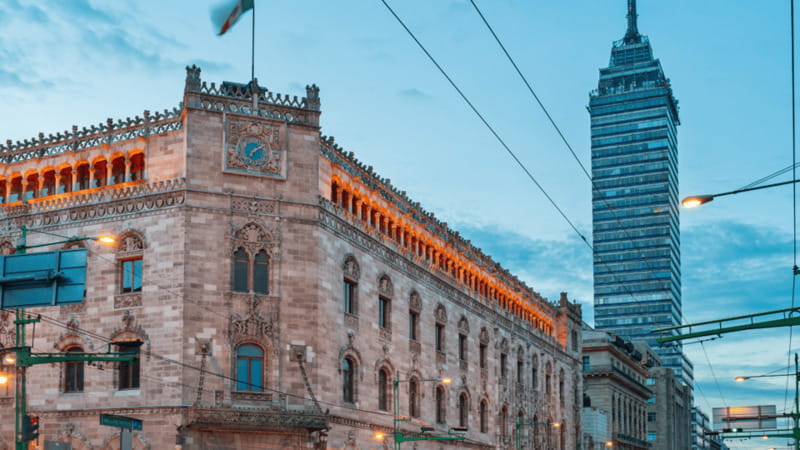
The route continues to the Palacio de Correos de México, with about 25 minutes for a photo stop, a visit, and free time. The building is known for its striking early 20th-century design and ornate interior details. Even a short visit gives you a chance to look closely rather than merely photograph the exterior.
The nearby Plaza Manuel Tolsá adds a strong 19th-century architectural moment. Its monumental equestrian statue of Carlos IV gives the guide an opening to discuss the old monarchy, public art, and the political meanings attached to statues in Mexico City.
This is one of the places where a good guide makes a major difference. You can admire the metalwork and facade on your own, but a clear explanation helps you understand why the plaza and its buildings belong to the Republic section of the tour.
Casa de los Azulejos and the route to Fine Arts
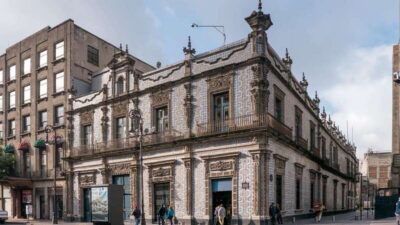
Casa de los Azulejos, or the House of Tiles, is one of the route’s most photogenic stops. You have around 20 minutes for photographs and a visit. Its tiled facade makes a sharp visual change from the stone-heavy monuments earlier in the walk.
The stop is brief, so treat it as a focused look rather than a long interior visit. Your guide may point out details you would otherwise miss, and this is a good moment to ask for a photograph or a suggestion about the best angle.
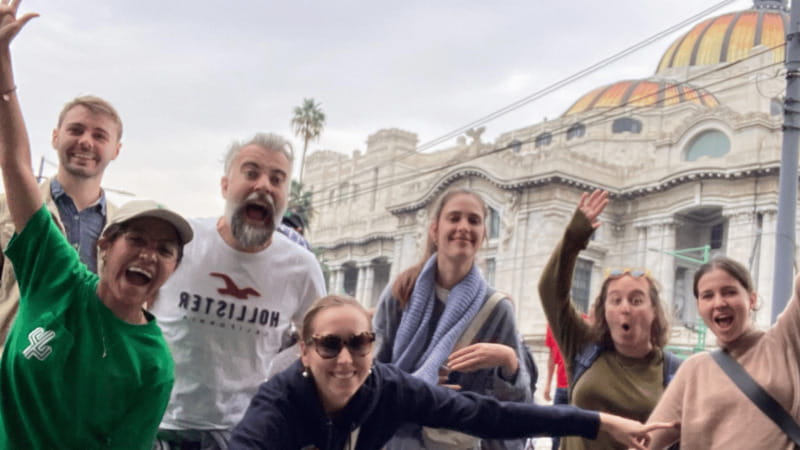
The walk ends at the Palace of Fine Arts after a final 20-minute photo stop. The building is one of the city’s great cultural landmarks, and its exterior gives the tour a grand finish. The endpoint also makes practical sense: you can continue exploring nearby afterward, ask your guide for lunch suggestions, or make your own way back to your accommodation.
The people make or break this walk
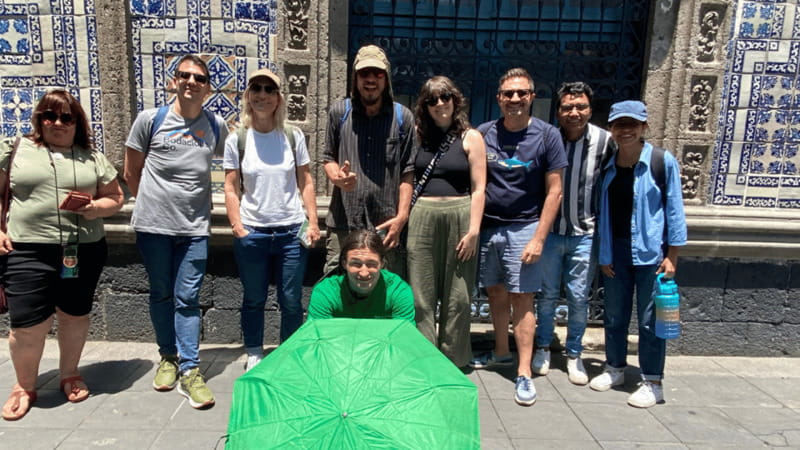
The strongest part of this experience is the guide. The guide names vary by departure, but the pattern is consistent: Areli was praised for explaining history with respect and helping the group choose street food wisely; Oscar for warmth, stories, and broad knowledge; Alexia for energy and useful recommendations; and Laura for explaining both city life and local customs.
Gabriela has been praised for connecting myths, cultural curiosities, and national history. Netza brought energy and passion to the subject, and one departure was adapted to include more Day of the Dead material. Luis handled a wide range of historical, cultural, and social questions with ease.
That range matters because Mexico City raises questions that do not fit neatly into dates and names. You may want to ask about food, transport, street cleanliness, local habits, national figures, or the stories behind a building. The best guides on this tour are prepared to move beyond a fixed speech.
Guides have also used visual aids and examples to keep younger children interested. Families should still bring water, snacks, and small toys if needed, since the tour operator specifically asks parents to consider the enjoyment of the whole group.
Food, transport, and the useful local details
Food is not included, and you should not expect a meal or a tasting built into the $30 price. That is not necessarily a weakness. It keeps the tour focused and lets you choose what you actually want to eat afterward.
The useful part is the advice. Guides explain how to identify safer food stands and suggest places for tacos and lunch. Since you are walking through busy central areas, this practical information can save you from choosing a meal based only on the longest line or the brightest sign.
You also hear how to use Mexico City’s public transportation system and learn small details about city life, including why the streets are kept clean and how locals decide where to eat. These observations give the walk a present-day purpose. You are learning how to function in the city, not just how to photograph it.
Bring cash for food, drinks, and possible entrance charges. Do not count on the tour price covering anything beyond the walking tour, guide, and didactic material.
Pace, weather, and physical demands
The route lasts three hours and includes repeated standing, walking, photo stops, and time inside buildings. It is not suitable for wheelchair users, and it is not recommended for people over 95. The information does not give an exact walking distance, so anyone with mobility concerns should ask before booking.
The tour runs in all weather. The route can be adjusted for weather and city events, but that does not mean the walk becomes weatherproof. Wear sensible clothing, protect yourself from the sun, and bring rain protection when needed.
The experience seems best suited to first-time visitors, history fans, curious food lovers, and anyone who wants a strong orientation before exploring alone. It may be less suitable if you want a museum-heavy day, dislike group pacing, or prefer to spend long periods inside each monument.
Is $30 a fair price?
Yes, for the right kind of visit. You are paying for structure, explanation, local recommendations, and access to a guide who can connect several major sights in a short time. Booking separate transport and guides for this route would likely be less convenient, though this tour does not include transportation to the meeting point or entrance fees.
The value is highest when you use the walk as a starting point. Take notes about restaurants, neighborhoods, museums, and transport, then return to the places that deserve more time. A three-hour tour cannot fully cover Templo Mayor, the Cathedral, and the Palace of Fine Arts, but it can show you where to focus.
Free cancellation up to 24 hours before the start and the option to reserve without paying immediately also make the booking fairly flexible. Check the available starting times before planning your day.
Should you book this Mexico City walking tour?
Book it if you want an energetic introduction to the historic center, clear explanations of the three major periods of Mexican history, and useful advice for eating and getting around. I would especially recommend it for a first or second day in Mexico City, when a good guide can help the city make sense.
Skip it if you need step-free access, want a quiet private tour, or plan to spend most of your time inside museums. For everyone else, $30 is a reasonable price for a well-planned route and guide-led context, provided you arrive ready to walk, carry cash, and accept that the weather may join the group.
FAQ
How long is the Mexico City walking tour?
The tour lasts three hours.
Where does the tour begin?
It begins at the main entrance of the Metropolitan Cathedral, facing the Zócalo and its large central flag. Look for a guide in a green uniform with a green umbrella.
Where does the tour finish?
It finishes at the Palace of Fine Arts, also called Palacio de Bellas Artes.
Which languages are available?
The tour is offered in English and Spanish. Some content may be presented in its original language.
Are entrance fees included?
No. Entrance fees are not included in the tour price.
Is food included?
No. Food and drinks are not included. You should bring cash if you want to buy something during or after the walk.
Does the tour run in bad weather?
Yes. The tour takes place regardless of weather conditions, although the route may be adapted to weather or local events.
What should I bring?
Bring comfortable shoes, sunglasses, a hat, sunscreen, cash, and clothing suitable for the weather. Families with children should also bring any needed water, snacks, or toys.
Newly listed around Mexico City
- Ticket to Frida Kahlo Museum on CDMX★ 4.5 · 44 reviews
- Epic Centro Histórico Walking Tour★ 5.0 · 77 reviews
- Eat Like A Local By The Taco Mensch★ 5.0 · 55 reviews
- Eat and Explore Local Markets in Mexico City★ 5.0 · 83 reviews
- Ticket for the Frida Kahlo Museum★ 3.5 · 67 reviews
- Authentic Lucha Libre Tour : Wrestling School, Tacos & Mezcal★ 5.0 · 162 reviews
- Express Tour to Teotihuacan Pyramids. Be the first to arrive!★ 4.5 · 62 reviews
- Small Group: The Magical Colonial Towns of Taxco and Cuernavaca★ 4.5 · 46 reviews
Historical Tours, compared.


Mexico City Historical Centre Food Tour with 7 Authentic Tastings
Read our review →
Historical and Cultural Walking Tour of San Miguel de Allende
Read our review →
Historical and Cultural Walking Tour of San José del Cabo
Read our review →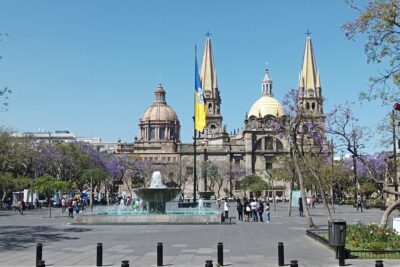
Browse the lists this tour appears in