
Reviewed · MUSEUMS
Museum of Anthropology: a look at Mexico’s past
Ancient Mexico comes alive here. This guided visit to Mexico City’s National Museum of Anthropology makes a huge collection easier to understand, especially when your guide connects symbols, myths, politics, and daily life across roughly 3,500 years. I especially like the small group limit of six and the fact that museum admission is already included.
I also like the clear focus on the museum’s most important rooms rather than a rushed attempt to cover every gallery. Guides such as Hector Banderas and Edith González receive repeated praise for making difficult material approachable. The main drawback is the fixed three-hour format: the museum is enormous, and you may leave wishing for another day.
In This Review
- Key points to know before you go
- Why this museum is better with a guide
- Starting at Chapultepec
- The museum’s major rooms in about three hours
- Hector Banderas and Edith González
- Why the small group matters
- What you will learn beyond famous artifacts
- A realistic look at the three-hour length
- Who should book this experience
- Value, included costs, and what you still need
- Practical details before booking
- Should you book the Anthropology Museum tour?
- FAQ
- How long does the Museum of Anthropology tour last?
- Is museum admission included?
- Is the tour offered in English?
- How many people can join the tour?
- Is transportation included?
- Can I cancel for a full refund?
Key points to know before you go
- A three-hour introduction to ancient Mexico: The tour focuses on the museum’s most emblematic rooms and major pre-Spanish cultures.
- Hector and Edith are highly praised guides: Hector is known for storytelling, technology, mythology, and careful explanations. Edith brings academic training and an easy presentation style.
- Admission is included: You do not need to arrange a separate museum ticket.
- A genuinely small group: The maximum is six people, which gives you a better chance to ask questions and hear the guide.
- Headphones help in crowded galleries: Audiobox equipment is provided for groups of six or more.
- Adults and interested older teens only: The activity is not available to children under 18 and requires moderate physical fitness.
Why this museum is better with a guide
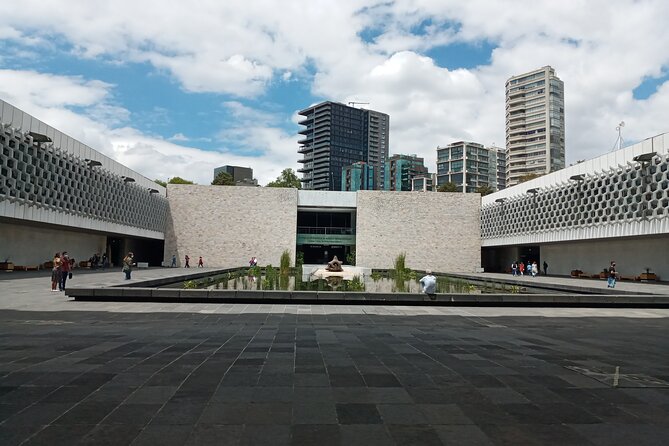
Mexico City’s National Museum of Anthropology is not a quick stop with a handful of display cases. It is a major museum, and its collection can feel like a history course spread across a very large building. You can certainly walk in alone, but it may be hard to see how the pieces fit together.
That is where this tour earns its place. A good guide gives you a working map of the museum. Instead of treating every object as an isolated treasure, the tour explains how cultures, beliefs, symbols, geography, conflict, and political power connect.
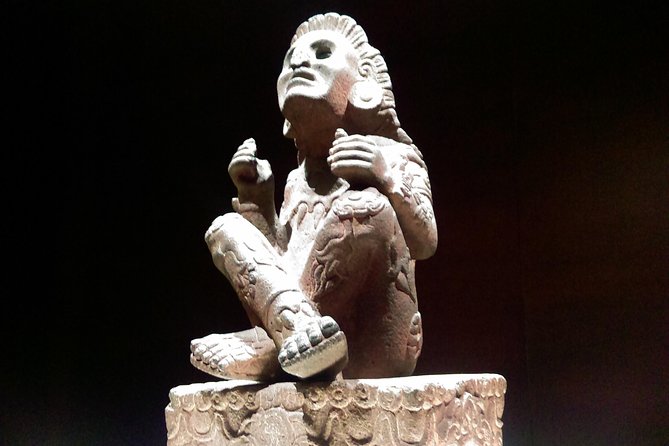
I like this approach because it changes the museum from a procession of impressive objects into a story about people. A carving is no longer just an old stone. A god is not simply a figure with an unusual headdress. You begin to ask what the image meant, who used it, and how those ideas still appear in Mexican culture.
The strongest guiding style here seems to be personal and interpretive. Hector is often praised for explaining mystery, mythology, and symbolism in ways that are easy to remember. Edith is praised for explaining both the museum’s purpose and the history behind the objects, with a calm style that does not make newcomers feel lost.
More museum visits in Mexico City:
- CDMX: Xochimilco, Coyoacan, Frida Kahlo Museum & Murals Tour
★ 4.4 · 3,025 reviews - Chapultepec Castle & Anthropology Museum Tour
★ 4.5 · 1,348 reviews - Frida Kahlo VIP [Museum Tickets Included] Bike, Markets & Churros
★ 5.0 · 1,072 reviews
Starting at Chapultepec
The meeting point is on Paseo de la Reforma, beside Bosque de Chapultepec in the Polanco area. The location is near public transportation, so you do not need private transport arranged by the tour. That matters in Mexico City, where crossing town can take more time than expected.
The activity begins and ends at the same meeting point. Private transportation is not included, so you are responsible for reaching the museum and returning from there. Lunch and bottled water are also not included.
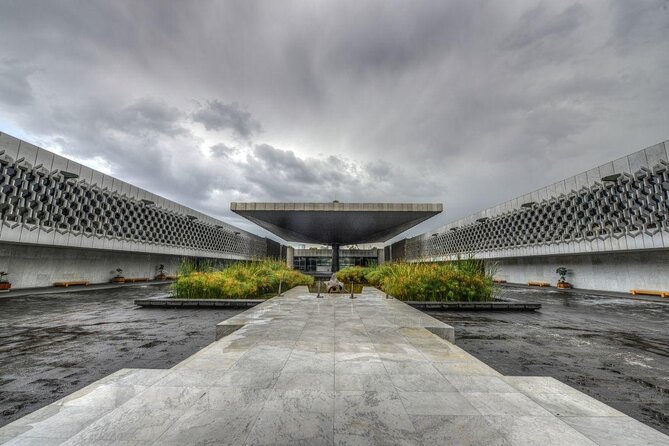
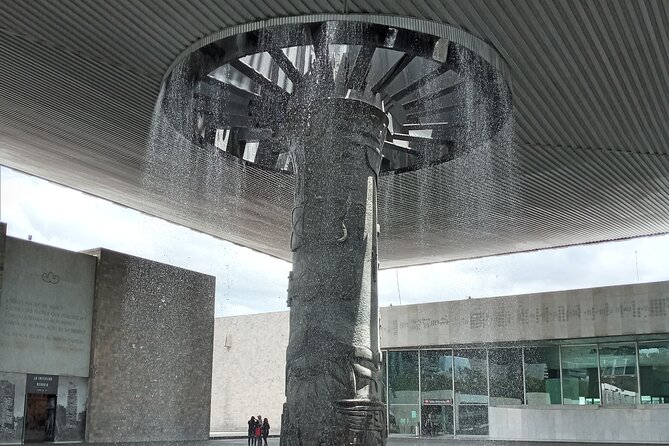
The museum itself provides a dramatic opening. One guide specifically praised the inverted fountain as a welcome on a hot summer day. It is a small detail, but it helps set the tone before you enter the galleries.
You should arrive ready to walk and stand for much of the experience. The stated requirement is a moderate level of physical fitness. One thoughtful touch from Hector’s guiding style is that he makes time for seated explanations, which can be useful when your legs need a break.
The museum’s major rooms in about three hours
The tour is designed around the museum’s most emblematic rooms. The precise rooms can vary with the guide’s route and the museum’s conditions, but the purpose is clear: help you understand the civilizations that lived in Mexico before the arrival of the Spaniards.
You can expect the guide to build a broad sequence rather than focus on one isolated culture. The material covers ancient societies, their religious beliefs, political structures, conflicts, geographic settings, and artistic traditions.
That wider view is one of the tour’s best features. If you visit alone, it is easy to spend a long time admiring a major object without understanding its place in the larger story. A guide can show you links between symbols and beliefs, then explain how those ideas developed or changed.
Several guided visits have also included stories about gods and legends. This is not just colorful background. It helps explain how people understood the natural world, authority, death, ritual, and community.
The tour also connects ancient traditions to practices in Mexico today. Edith, in particular, has been praised for explaining how indigenous beliefs and religious practices relate to later traditions. The point is not to flatten different cultures into one simple story, but to help you recognize continuity as well as change.
Hector Banderas and Edith González
The two guide names most closely associated with this experience are Hector Banderas and Edith González. Both receive strong praise, but their reported strengths are slightly different.
Hector is described as warm, passionate, and gifted at teaching. His explanations often use stories and parables to make a complex chronology easier to follow. He also uses technology to connect ancient subjects with the present, which can help if you learn better through visual examples.
His attention to detail is another recurring strength. He does not simply point to an artifact and recite a date. He explains the symbols, the story surrounding the object, and the way it fits into the development of Mexican cultures.
Edith is praised for her academic background, including a Ph.D. in history. Her approach appears especially helpful if you want context on politics, geography, conflict, religion, and everyday life rather than only famous objects.
She is also described as warm and grounded, with an easy presentation style. That combination matters in a museum filled with serious material. You want a guide who can explain difficult ideas without making you feel as if you are sitting through a lecture.
Guide assignment may vary, so you should not assume you will receive a particular person. Still, the high praise for both Hector and Edith suggests that the quality of the guiding is central to the experience.
A few more Mexico City runs worth comparing
- Teotihuacan, Guadalupe Shrine & Tlatelolco Day Tour with Lunch
★ 5.0 · 11,603 reviews - Xochimilco, Coyoacan and Frida Kahlo with Optional Lunch
★ 4.5 · 7,320 reviews - Balloon flight + Breakfast in cave + Pyramids + Pick up CDMX.
★ 5.0 · 6,335 reviews - Teotihuacan pyramids morning or afternoon without tourist traps
★ 5.0 · 6,186 reviews
Why the small group matters
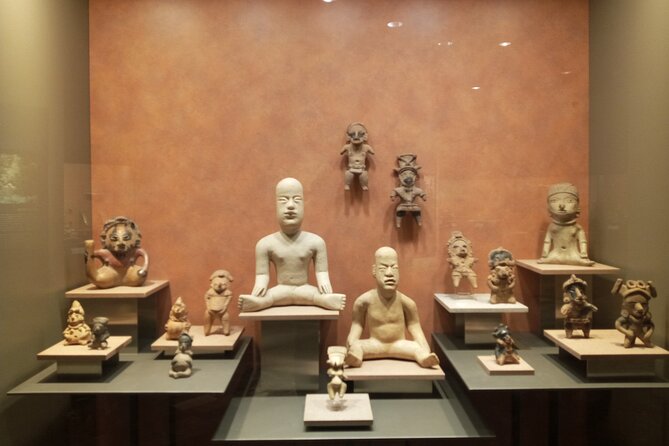
The maximum group size is six people. That is a real advantage in a museum where sound, distance, and attention can become problems.
With a small group, you have a better chance to ask about an object that catches your eye. You can also tell the guide when a point needs more explanation. That personal exchange is much harder in a large tour where the guide has to keep moving and repeat information for people at the back.
Audiobox equipment is provided for groups of six or more. The equipment helps keep the guide’s voice clear while you look around the room. It is especially useful when other museum activity makes quiet conversation difficult.
There is one small inconsistency worth noting: the experience is described as having a maximum of six people, while the audio equipment is specified for six clients or more. Either way, the practical point is the same. If your group is large enough to need audio support, equipment is intended to be available.
What you will learn beyond famous artifacts
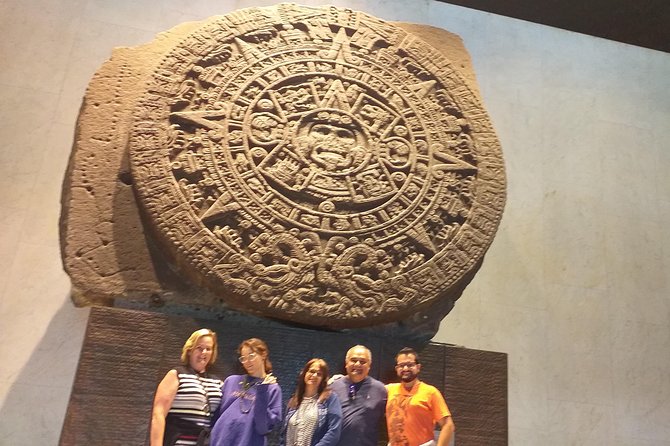
A first visit often centers on the biggest and most recognizable objects. Those pieces deserve attention, but the tour’s value lies in the connections around them.
You may learn to recognize recurring symbols and understand why they appear in different settings. One couple explained that symbols introduced by Hector helped them notice details throughout the rest of their time in Mexico City. That is a useful measure of a good guide: you keep seeing the subject after the tour ends.
The material also deals with the mystery and mythology surrounding ancient objects. A guide can explain where the evidence is strong and where interpretation is still part of the story. That balance helps you enjoy the legends without confusing them with proven fact.
The tour also gives you a better sense of cultural scale. Mexico before Spanish arrival was not one single society. Different peoples had their own beliefs, political systems, artistic styles, and conflicts. A guided route can help you compare them without losing the larger story.
I would especially recommend this approach if you are new to Mexican history. You do not need a background in archaeology or art. The most praised guides explain ideas in ordinary language and welcome questions.
A realistic look at the three-hour length
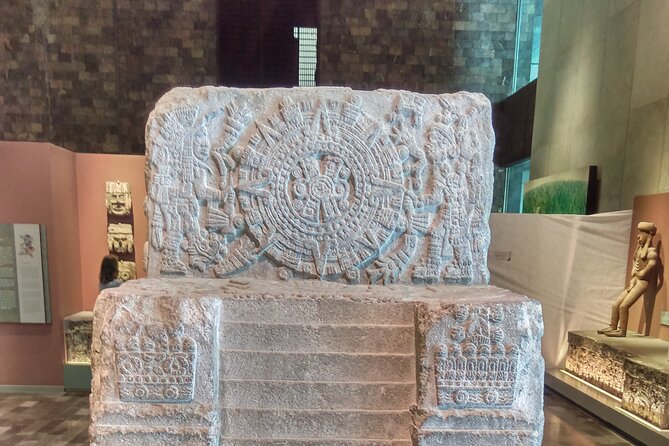
The advertised duration is about two to three hours, with the museum visit listed at three hours. That is long enough for a strong introduction, but not enough to see everything in detail.
One group spent more than four hours in the museum and still felt it could have used several days. Another group was told that seeing the entire museum carefully could take three days. Those comments are useful warnings, not complaints about the tour.
You should think of this experience as a guided first visit. The guide helps you see the most important rooms and understand the main themes. Afterward, you can return on your own if a particular culture, period, or gallery interests you.
The pace may feel brisk if you want to read every label. You will need to choose between listening closely and examining every case. For most first-time visitors, I think the trade is worthwhile. Understanding ten important objects is often more rewarding than walking past a hundred with no context.
Who should book this experience
This tour suits adults who want structure, historical context, and a personal guide. It is particularly useful if the museum feels intimidating, if you have limited time in Mexico City, or if you want help connecting ancient beliefs to Mexican culture today.
It also suits couples, families with older teenagers, and friends who enjoy asking questions. The experience is not available to children under 18, and one piece of feedback suggests that younger children may not stay engaged even when a guide answers their questions.
If you are traveling with a 13-year-old who already enjoys history, mythology, or museums, the format may work well. For younger children, the age restriction settles the question anyway.
You may want a different approach if you prefer wandering alone, reading every label at your own pace, or spending an entire day in one section. This is a guided overview, not an open-ended museum day.
Value, included costs, and what you still need
No tour price is provided here, so I cannot judge whether the fee is cheap or expensive. I can judge what the fee is meant to cover.
Museum admission is included, as is a federally licensed guide certified by SECTUR. That gives the experience more value than simply paying for entry, provided you want guided interpretation rather than independent time.
You still need to arrange your own transport. You should also bring your own water and plan your meal separately. These are not major complications, but they are easy costs to overlook when planning your day.
The small group is the key value question. If the price is reasonable for your party, having a guide with only a few people can make the museum much easier to follow. If you already have strong knowledge of Mexican archaeology and prefer quiet independent study, the included guide may be less important to you.
Practical details before booking
Confirmation is provided at the time of booking. The experience is offered in English, which makes it a useful choice if you want detailed explanations without relying on your Spanish.
The tour requires a minimum number of participants. If that minimum is not met and the activity is canceled, you are offered another date or experience, or a full refund.
Free cancellation is available up to 24 hours before the start time. Cancellations or changes made less than 24 hours before the start time are not accepted for a refund. Cutoff times follow local Mexico City time.
The activity has a 4.8 rating from 52 reviews, with 96 percent of customers recommending it. Those numbers do not replace your own preferences, but they match the strongest practical point here: the guide can make a very large museum feel manageable.
Should you book the Anthropology Museum tour?
I would book this tour if the National Museum of Anthropology is your first major introduction to Mexico’s ancient cultures. The museum is too large for a casual glance, and a strong guide can help you understand the objects instead of merely photographing them.
I would also book if you care about mythology, symbolism, indigenous beliefs, or the links between ancient traditions and Mexico today. Hector Banderas and Edith González are especially compelling guide names to request if the operator can accommodate that request, though assignment is not guaranteed.
I would skip the guided format only if you want a full day of independent study or if your group includes children under 18, since the stated policy does not allow them. For most adults with two or three hours to spare, the included admission, small group, English guiding, and focused route make this a sensible way to begin at Mexico City’s most important museum.
FAQ
How long does the Museum of Anthropology tour last?
The experience lasts approximately two to three hours, with the museum visit listed as three hours.
Is museum admission included?
Yes. The museum access ticket is included in the experience.
Is the tour offered in English?
Yes. English is one of the available tour languages.
How many people can join the tour?
The activity has a maximum of six participants.
Is transportation included?
No. Private transportation is not included. The meeting point is near public transportation, and the activity ends back at that location.
Can I cancel for a full refund?
Yes, if you cancel at least 24 hours before the experience start time. Cancellations or changes made less than 24 hours before the start time are not accepted for a refund.
Newly listed around Mexico City
- Xochimilco : Island of the dolls, tequila and mezcal CDMX★ 5.0 · 102 reviews
- Xochimilco: Sanctuary of the Axolotl★ 4.9 · 58 reviews
- Xochimilco: Market, Food and Nature ¡All included! Tour★ 4.9 · 107 reviews
- Xochimilco: amanecer en kayak Ciudad de México★ 5.0 · 35 reviews
- Xochimilco & Colonial Coyoacan Trip★ 4.0 · 312 reviews
- Bike Tour in Mexico City★ 5.0 · 45 reviews
- Small Groups: Xochimilco and Coyoacan★ 4.0 · 37 reviews
- Xochimilco Magic: Culture, Canals & Mezcal, 3hr boat adventure!★ 5.0 · 43 reviews
Museums, compared.
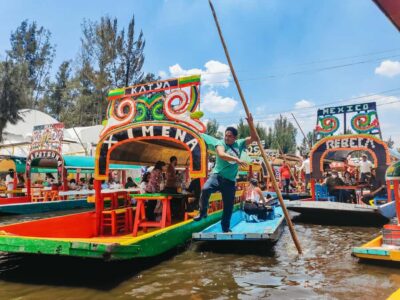
Xochimilco, Coyoacan, Frida Kahlo Museum & Murals Tour
Read our review →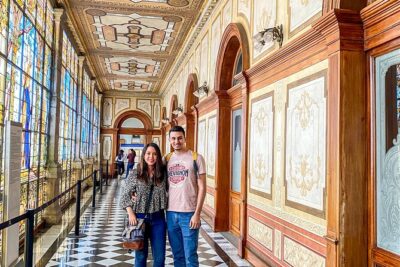
Chapultepec Castle & Anthropology Museum Tour
Read our review →
Frida Kahlo VIP [Museum Tickets Included] Bike, Markets & Churros
Read our review →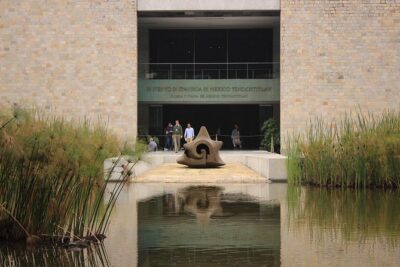

Frida Kahlo VIP [Museum Tickets Included] Walk, Markets & Churros
Read our review →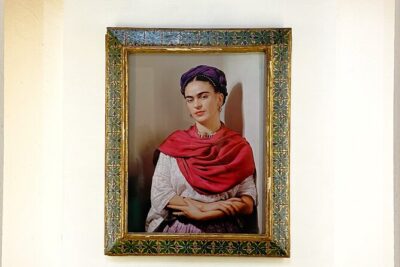
EXCLUSIVE TOUR Frida Kahlo Museum – SMALL GROUPS
Read our review →
Coba Multun-Ha Cenote Tulum and Mayan Museum Small Group
Read our review →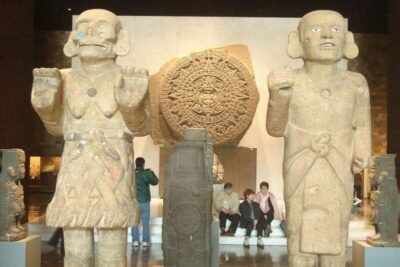
Browse the lists this tour appears in