
Reviewed · COOKING CLASSES
Oaxaca: Vegetarian Cooking Class
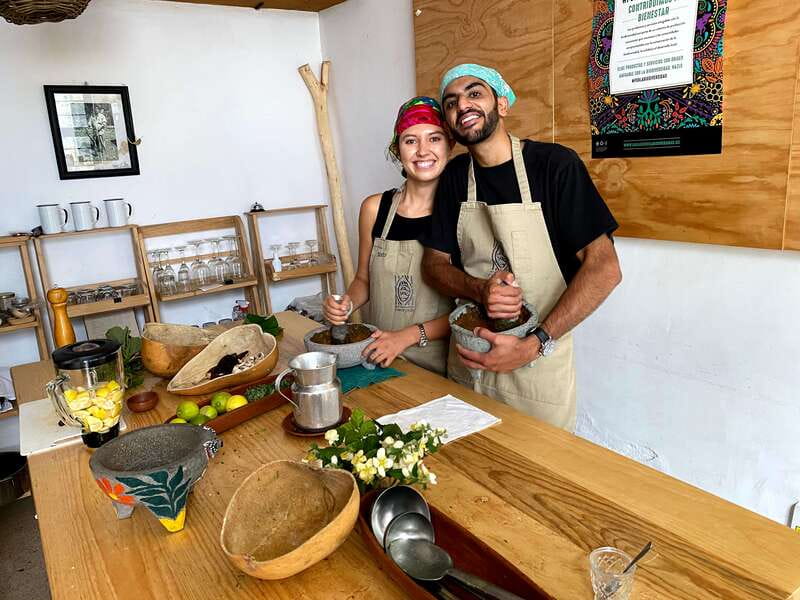
Good food starts at the market. This small-group Oaxaca cooking class takes you beyond a restaurant table, beginning with a local market visit before moving into the kitchen. I especially like the chance to learn about fresh ingredients from the people who sell them, and the personal guidance from cooks such as Victor, Quetzali, and Martin.
I also like that the experience ends with everyone eating together, rather than simply taking home a dish. The class is limited to four participants, which gives it a friendly, almost family-style feel. The main point to consider is that the cooking is shared among the group, so you may not prepare every dish from start to finish yourself.
In This Review
- Key points at a glance
- Why this class gives you more than a recipe
- The market visit sets the tone
- Cooking traditional Oaxacan food without meat
- A relaxed class for beginners and solo visitors
- The shared meal is the payoff
- What you can take home
- Is the $70 price fair?
- The drawbacks to keep in mind
- Who should book this Oaxaca cooking class?
- Practical details before you book
- FAQ
- How long does the Oaxaca vegetarian cooking class last?
- How much does the cooking class cost?
- What languages are available?
- How many people are in the group?
- Is transportation included?
- What food will I prepare?
- Can vegans join the class?
- What is included besides the food?
- What should I bring?
- Should you book it?
Key points at a glance
- A market visit comes first: You choose ingredients, learn about local produce, and hear how Oaxacan cooks use chiles, cacao, coffee, herbs, and seasonal vegetables.
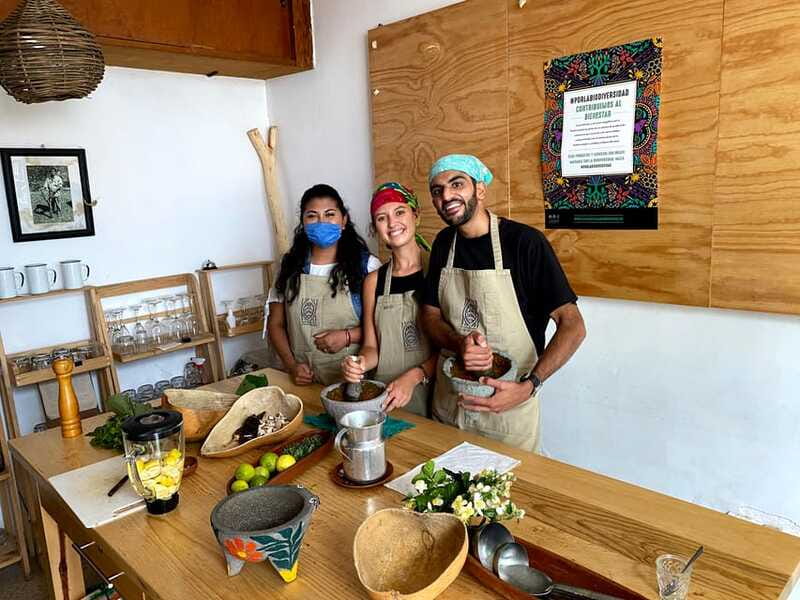
- The menu is vegetarian and traditional: Expect a salad, a main dish, and dessert, with dishes such as mole, salsa, rice, quesadillas, and enchiladas depending on the day.
- The group is tiny: With space for only four participants, you get more direct contact with the chef and a better chance to ask questions.
- The final meal is part of the experience: You sit down together to taste the food, fresh seasonal water, coffee or tea, and wild mezcal.
- No special cooking background is needed: The class is designed for beginners and can accommodate vegan needs, based on previous class arrangements.
- Plan for a full morning or afternoon: The activity lasts 3.5 hours, and transportation is not included.
Why this class gives you more than a recipe
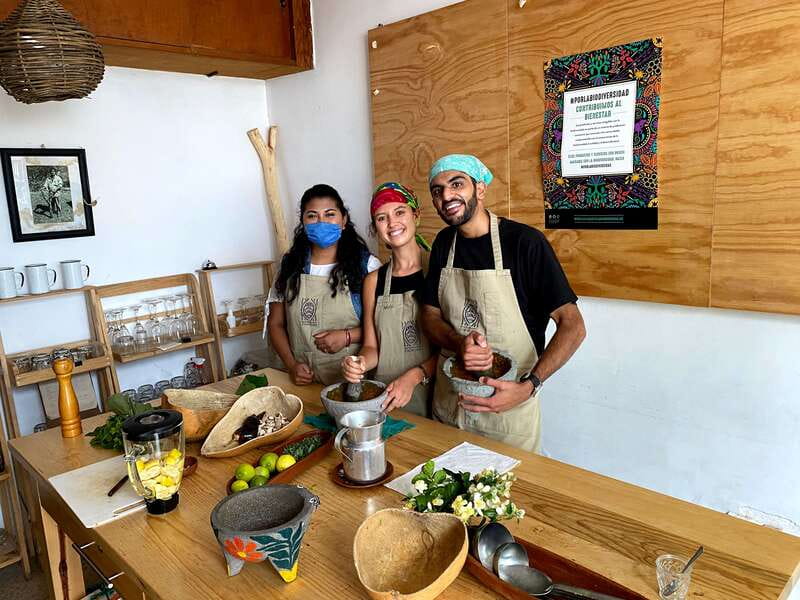
Oaxaca is one of Mexico’s strongest food destinations, but a restaurant meal only shows you the finished product. This class lets you see the ingredients before they are chopped, toasted, ground, or cooked.
That matters because Oaxacan food is built from details. A chile is not simply hot or mild. A herb may be used in a particular sauce, while cacao, coffee, fruit, and corn each have a place in local food culture. At the market, your guide explains these connections in a practical way.
I like this approach because it gives the meal a sense of place. You are not just following a recipe designed for visitors. You are buying fresh produce, learning how it is selected, and then using it in a traditional preparation.
The class is also a good choice if you are vegetarian in a city where many famous dishes are associated with meat. You still get to explore familiar Oaxacan flavors, including chiles, masa, salsas, mole, and local herbs, without treating vegetables as an afterthought.
More Cooking Classes in Oaxaca
- Flavors of Oaxaca: Cooking Class with No Set Menu and Local Market Tour
★ 4.5 · 333 reviews - Oaxacan Vegetarian Cooking Class
★ 5.0 · 235 reviews - Traditional Cooking Class with Minerva Lopez
★ 5.0 · 197 reviews
The market visit sets the tone
The first part of the experience takes you to a local market to gather ingredients for the meal. You are expected to arrive 10 minutes before the activity begins, then spend part of the class walking through the market with the guide and cooking expert.
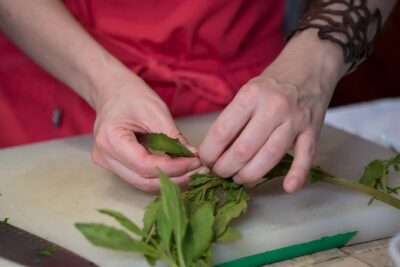
The market is not just a shopping stop. Your guide introduces you to local produce and explains how ingredients are used. You may learn about different types of chiles, local herbs, cacao, coffee, fresh vegetables, and fruit. The produce is described as organic and sourced nearby, with some ingredients harvested that same morning.
That freshness is a real strength. You can see what goes into the cooking before you start, rather than arriving at a kitchen where everything has already been measured and arranged. The market also gives you a better sense of how Oaxacan food connects to small producers and everyday buying habits.
Previous classes have been led by several members of the Etnofood team. Victor received especially strong praise for his warm manner, clear English, and personal connection with market sellers. Martin was noted for organizing the group well, while Quetzali was praised for explaining local foods and the differences between chiles.
You should expect the market to involve walking and standing. Comfortable clothing, sunscreen, and a sun hat are sensible choices, especially if the weather is warm. Since transportation is not included, check the meeting point carefully and allow enough time to reach it on your own.
Cooking traditional Oaxacan food without meat
After the market visit, you return to the kitchen and begin preparing the meal. The advertised structure includes a salad, a vegetarian main course, and dessert, but the exact dishes can vary with the season and the ingredients available.
The classes have included a wide range of food. You might help prepare vegetarian mole, fresh salsa, rice, handmade quesadillas, enchiladas, and local fruit. That variety is one of the best reasons to choose this activity. You are not spending three hours making one recipe and waiting for it to cook.
Mole is often the star. One participant said the class left them ready to try making mole at home, while another described a vegetarian mole as part of a particularly memorable spread. Mole takes patience and attention, so preparing it with an experienced cook gives you useful context that a short recipe card cannot provide.
You may also learn how ingredients are combined to create depth without meat. Toasted elements, chiles, herbs, vegetables, and spices all play a role. The class is not presented as a simplified substitute for Oaxacan cooking. It aims to show how satisfying a traditional vegetarian meal can be.
The work is hands-on, but you should understand the format. In a group class, the chef may divide tasks among participants. One person might work on a sauce while another handles vegetables, tortillas, rice, or dessert.
That makes the cooking social and efficient, but it has a tradeoff. If your main goal is to personally make every dish from beginning to end, you may find the shared format less instructional than expected. One participant specifically felt they could not follow every step because each person worked on a different part of the meal.
My advice is to ask questions as you go. If a sauce is being prepared by someone else, ask to watch closely or request a turn. The chefs are described as patient and willing to help, and direct questions should make the class more useful.
A relaxed class for beginners and solo visitors
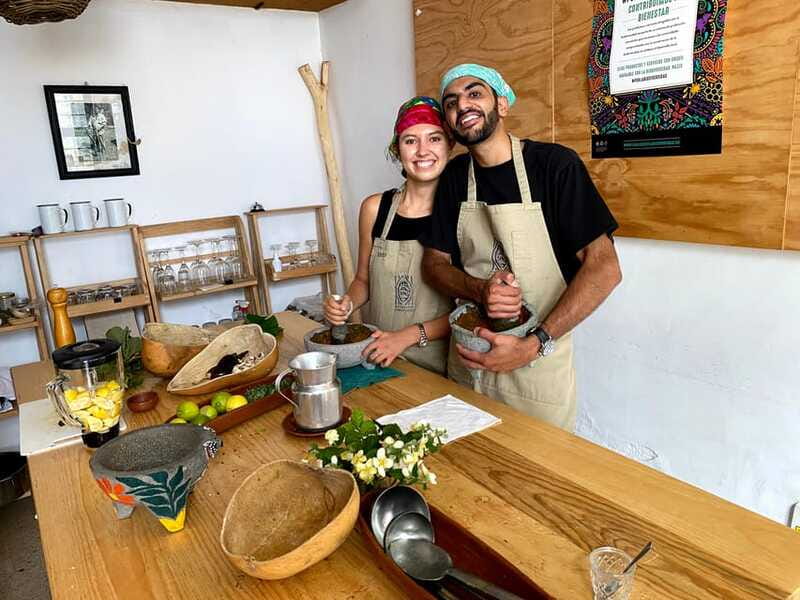
You do not need advanced cooking skills. The emphasis is on learning, participation, and enjoying the food, not on producing restaurant-level plates under pressure.
That makes the class suitable for solo visitors, couples, and friends with different levels of kitchen experience. Several people valued the chance to meet others and share stories while cooking. With a maximum of four participants, the group is small enough to encourage conversation without becoming crowded.
The small size can also change the mood of the class. If only two or three people book, you may receive a more personal lesson. One participant described having the chef and his protégé almost entirely to themselves, which allowed for plenty of attention and conversation.
The instructors seem to be a major part of the experience. Victor is often described as friendly, patient, and passionate about Oaxacan food. Benito was praised for making people feel welcome, while Robert received credit for being helpful and approachable. Names and staffing may vary, but the repeated pattern is clear: the quality of the class depends heavily on the person leading it.
English and Spanish are offered. The activity is also listed as wheelchair accessible, though you should confirm any personal mobility needs with the provider before booking, since the experience includes a market visit and movement between locations.
Same base, a different sort of day:
- Hierve el Agua, Tule Tree, Mitla and Mezcal Distillery Tour
★ 4.5 · 1,094 reviews - Explore Hierve el Agua, Mitla, Tule, Textile and Mezcal for a day
★ 5.0 · 1,043 reviews - Monte Alban Guided Half Day Tour
★ 5.0 · 880 reviews - From Oaxaca de Juarez: Hierve el Agua and Mezcal Distillery
★ 4.9 · 615 reviews
The shared meal is the payoff
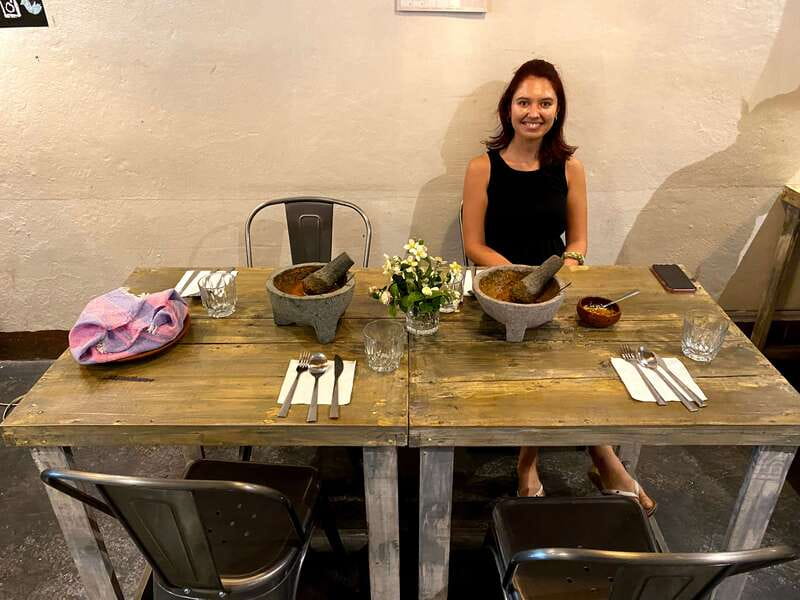
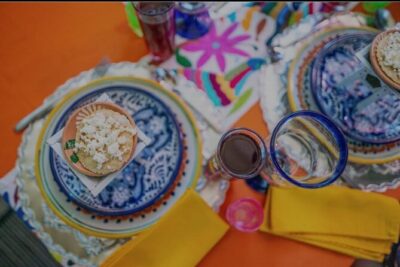
Once the cooking is finished, everyone sits down to eat together. This is more than a practical ending. It gives you time to taste the meal while discussing what you prepared and comparing notes with the group.
The food is served with fresh seasonal water, and coffee or tea is included. Wild mezcal is also part of the experience, giving you a chance to sample a drink closely connected with Oaxaca.
The meal can be generous. One participant advised arriving hungry after helping prepare a large amount of food. That is useful advice, particularly if the class is scheduled near lunchtime.
I like the shared table because it makes the class feel less like a demonstration and more like a social meal in someone’s home. You have watched the ingredients arrive, helped with the preparation, and then sit down with the people who cooked beside you.
It also suits anyone who wants a cultural activity that does not depend on a museum or formal tour. The stories come through ingredients, techniques, drinks, and conversation. You leave with an understanding of how food can serve as a guide to local customs.
What you can take home
A digital or printed recipe is included, which should help you recreate some of the dishes. There is one practical caution: one participant said the recipes had not arrived through WhatsApp after the class.
Because of that, ask about the recipe before leaving. If a dish matters to you, write down the main ingredients, cooking order, and any tips while the chef is explaining them. You may also want to take notes about chile types and substitutions available in your home country.
The recipes are useful, but the market lesson may be just as valuable. A list of ingredients does not always explain what kind of chile to buy, how fresh an herb should look, or how a local cook balances flavors. Paying attention during the market visit will help you repeat the food more successfully later.
This is also a good place to ask about dietary adjustments. Vegan participants have previously had dishes adapted, including enchiladas. Still, tell the provider about your needs in advance rather than assuming every recipe can be changed at the last minute.
Is the $70 price fair?
The cost is $70 per person for 3.5 hours. That is not the cheapest way to eat in Oaxaca, but you are paying for more than lunch.
The price includes the guide and cooking expert, the market visit, ingredients, kitchen equipment, an apron, coffee or tea, seasonal water, mezcal, and a recipe. You also receive instruction and a prepared meal, which makes the value stronger than a simple restaurant outing.
For me, the key question is how much you value access and guidance. If you only want to eat vegetarian food cheaply, local restaurants and market stalls will cost less. If you want to understand the ingredients, cook with a small group, and leave with techniques you can use at home, $70 is reasonable.
The maximum of four participants is important here. A large class might offer a lower price but less time with the chef. This format gives you a better chance to ask about ingredients, request help, and take part in the preparation.
The class also includes mezcal, but the experience is not mainly a drinking activity. The focus remains food and cooking. That makes it a good fit if you want a cultural meal with a modest tasting component rather than a dedicated mezcal tour.
The drawbacks to keep in mind
The strongest criticism is instructional rather than culinary. Because tasks are divided among the participants, you may not learn every recipe equally well. If you are hoping to prepare your own individual meal from start to finish, this class may not match that expectation.
Recipe follow-up is another small concern. A printed or digital recipe is included, but you should make sure you receive it before leaving. Taking your own notes is a sensible backup.
The exact menu is not fixed in the information provided. That is partly a benefit, since seasonal ingredients can shape the meal, but it means you cannot count on one particular dish every time. You may get mole, salsa, rice, quesadillas, enchiladas, or other vegetarian preparations depending on the class.
Finally, you must arrange your own transportation to the meeting point. The activity itself lasts 3.5 hours, but you should include extra time for getting there and returning to your lodging.
These are manageable limitations. None changes the fact that the class combines a market visit, cooking, and a shared meal in a compact half-day activity. They simply help you book with the right expectations.
Who should book this Oaxaca cooking class?
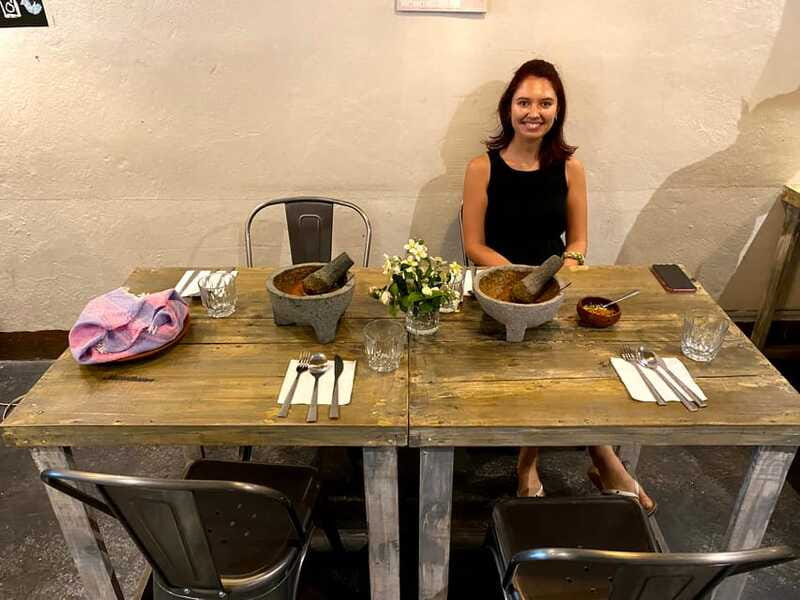
I would recommend it most strongly to:
- Vegetarians who want a serious introduction to Oaxacan food
- Vegans who confirm their dietary needs in advance
- Solo visitors looking for a friendly small-group activity
- Couples who enjoy cooking together
- Beginners who prefer instruction without pressure
- Food lovers who want to learn about chiles, herbs, cacao, coffee, and seasonal produce
- Anyone who wants a cultural activity that ends with a substantial meal
You do not need to be a dedicated foodie. One participant who did not consider themselves interested in food still enjoyed the market, cooking, and shared meal. That is a good sign for anyone who wants a relaxed cultural experience rather than a technical cooking course.
Practical details before you book
The class costs $70 per person and lasts 3.5 hours. It is available in English and Spanish, with a live guide and a maximum of four participants.
Arrive 10 minutes early. Wear comfortable clothes, and bring a sun hat and sunscreen. Transportation is not included, so plan your route to the meeting point yourself.
Coffee or tea, fresh seasonal water, and wild mezcal are included. So are ingredients, cooking tools, aprons, and a printed or digital recipe.
You can cancel up to 24 hours before the activity for a full refund. You can also reserve now and pay later, which is useful if your Oaxaca schedule is still shifting.
FAQ
How long does the Oaxaca vegetarian cooking class last?
The class lasts 3.5 hours.
How much does the cooking class cost?
The price is $70 per person.
What languages are available?
The live tour guide can lead the experience in English or Spanish.
How many people are in the group?
The class is limited to four participants.
Is transportation included?
No. You must arrange your own transportation to the meeting point.
What food will I prepare?
The class includes a salad, a vegetarian main dish, and dessert. Past menus have included mole, salsa, rice, quesadillas, enchiladas, and local fruit, but the exact dishes can vary.
Can vegans join the class?
Yes, vegan dishes have been prepared through menu adjustments in previous classes. Tell the provider about your dietary needs in advance.
What is included besides the food?
The price includes coffee or tea, a guide and cooking expert, ingredients, cooking materials, instruments, aprons, fresh seasonal water, wild mezcal, and a digital or printed recipe.
What should I bring?
Bring a sun hat, sunscreen, and comfortable clothes. Arrive 10 minutes before the activity starts.
Should you book it?
Book this class if you want to understand Oaxaca through its food, not simply order it from a menu. The market visit, small group, personal instruction, and shared meal make it a well-rounded half-day experience, especially for vegetarians and solo visitors.
I would book it with two requests in mind: ask to take part in as many steps as possible, and confirm that you will receive the recipes before leaving. If you prefer a formal lesson where every participant prepares an entire meal alone, choose a different format.
For most people, though, the combination of fresh market ingredients, traditional vegetarian dishes, local drinks, and a friendly table is worth the $70. It gives you a meal for the day and a better sense of why Oaxacan cooking has such a strong place in Mexico’s food culture.
Newly listed around Oaxaca
- The Mezcal Journey★ 4.9 · 78 reviews
- Sunset by Horse on the Beach★ 4.6 · 34 reviews
- Street Art with an artist★ 4.9 · 32 reviews
- Puerto Escondido: Bioluminescence Night Spectacle★ 3.9 · 45 reviews
- Oaxaca: Traditional Oaxacan Cooking Class with Market Visit★ 4.9 · 80 reviews
- Oaxaca: San Martín Tilcajete, Jalieza & Ocotlán Crafts Route★ 4.6 · 48 reviews
- Oaxaca: Mount Albán & Cuilapam de Guerrero Full-Day Tour★ 4.7 · 110 reviews
- Oaxaca: Monte Alban and the Art of Oaxaca★ 4.2 · 99 reviews
Cooking Classes, compared.
Cabo San Lucas Mexican Cooking Class Experience and Local Markets
Read our review →
Puerto Vallarta Cooking Class Experience with Market Tour
Read our review →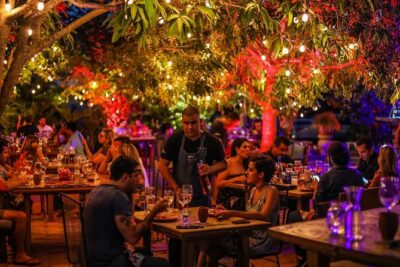
Mexican Cooking Class with Food Market Visit in Mexico City
Read our review →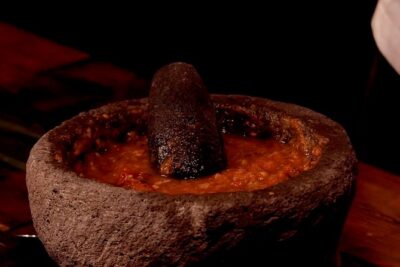
Flavors of Oaxaca: Cooking Class with No Set Menu and Local Market Tour
Read our review →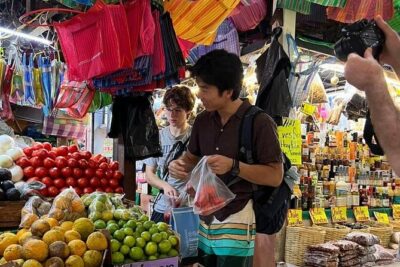
Taste of the Yucatan: Merida Cooking Class and Market Visit
Read our review →
Essence of Mexico: Authentic Mexican Cooking Class & Market Tour
Read our review →Browse the lists this tour appears in