
Reviewed · COOKING CLASSES
Oaxacan Vegetarian Cooking Class
Food tells the story here. This four-hour Oaxacan vegetarian cooking class combines a walk through the Merced neighborhood with a hands-on meal built from fresh local produce. I like the market visit, where you can taste ingredients such as quesillo and learn about vegetables, herbs, seeds, and fruit before cooking with them. I also like the cultural side, especially Victor’s stories about Zapotec food traditions and his family recipes.
The main consideration is that this is a shared cooking project, not necessarily a personal cooking lesson for every dish. In larger groups, you may be assigned one or two tasks while the chef handles the more complicated work. Hygiene and cleanup have also drawn some criticism, so you should arrive with realistic expectations about the rustic kitchen.
In This Review
- Key points to know before booking
- Starting with a walk through Merced
- Shopping for ingredients at a local market
- Returning to the kitchen for a shared meal
- Learning the work behind a proper Oaxacan mole
- What you may cook and eat
- A vegetarian class that still works for mixed groups
- What the $70.72 price really covers
- Timing, walking, and practical details
- Who should book the Oaxacan vegetarian cooking class?
- Should you book it?
- FAQ
- How long does the Oaxacan Vegetarian Cooking Class last?
- Where does the class begin and end?
- Is the cooking class offered in English?
- What food is included?
- Is the activity private?
- What is the cancellation policy?
Key points to know before booking
- The market walk comes first: You shop for ingredients in a local neighborhood market and sample items before heading to the kitchen.
- Victor is a major part of the experience: He explains Oaxacan cuisine, Zapotec culture, family recipes, and even some Spanish.
- Mole is often the star: Possible dishes include mushroom mole, festive mole, rice, tortillas, quesadillas, salads, vegetables, empanadas, and fruit.
- You cook as a team: Expect shared preparation rather than making an entire three-course menu by yourself.
- The setting is intentionally rustic: The meal is prepared with traditional methods and a stove, though the kitchen may feel basic.
- The price includes plenty: At $70.72, the fee covers the market-related food, snacks, lunch, drinks, kitchen equipment, and cooking materials.
Starting with a walk through Merced
The meeting point is TeoLabXicoténcatl 609 in central Oaxaca, near the Merced neighborhood. From there, the experience begins on foot, using the streets themselves as the first course of the lesson.
The walk passes colonial churches, small parks, and houses faced with pink, green, and yellow quarry stone. You receive a chiquigüite and mandil, traditionally used for carrying market purchases and working in the kitchen. These details may sound small, but they help set the tone. You are not simply being driven to a cooking school and handed a bowl. You are taking part in the ordinary rhythm of buying food and preparing it.
The route is also useful if you are still getting your bearings in Oaxaca City. The Merced area gives you a look at a quieter part of the historic center, with parks and neighborhood streets that can feel removed from the main tourist routes. Your guide points out churches, buildings, and less obvious corners of the district along the way.
The walk is not a major sightseeing tour, so do not book this expecting a full architectural survey of Oaxaca. Its purpose is to connect the food with the neighborhood where people shop, cook, and live.
More Cooking Classes in Oaxaca
- Flavors of Oaxaca: Cooking Class with No Set Menu and Local Market Tour
★ 4.5 · 333 reviews - Traditional Cooking Class with Minerva Lopez
★ 5.0 · 197 reviews - Oaxaca: Vegetarian Cooking Class
★ 4.8 · 139 reviews
Shopping for ingredients at a local market
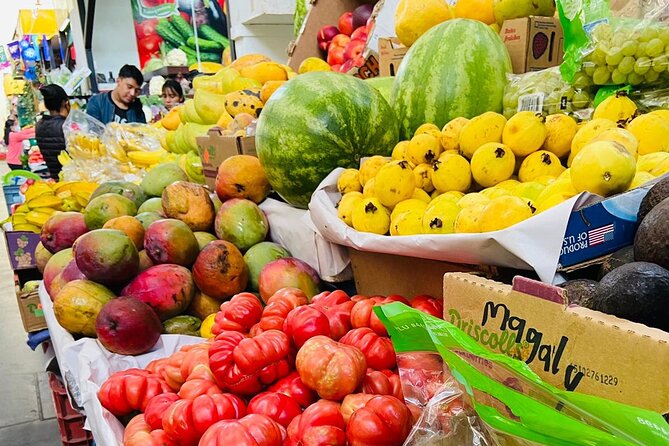
The market visit is one of the strongest parts of the experience. Instead of starting with premeasured ingredients, you help choose the produce that will become lunch.
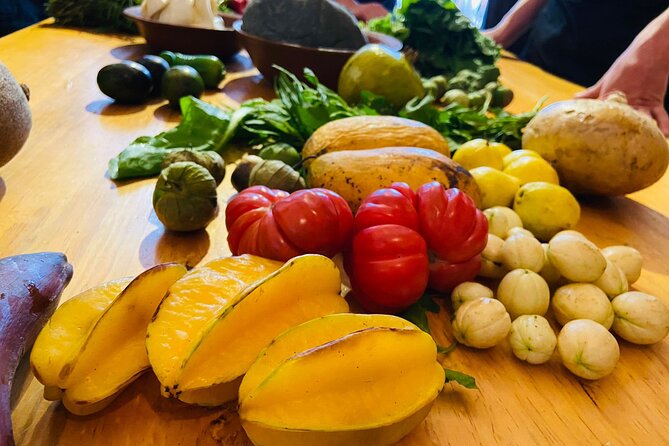
The class works with local fruits, vegetables, herbs, seeds, chocolate, cheese, and chiles. Depending on the menu and market conditions, you might handle nopal, zucchini, squash blossoms, chayote, mushrooms, huitlacoche, epazote, yerba santa, guayaba, pineapple, mango, or zapote. Quesillo, the stringy Oaxaca cheese often used in quesadillas, is another ingredient you may taste and buy.
Some sessions include crickets as a market tasting. That is not part of the vegetarian meal, and it is not suitable for everyone. You can simply decline that sample. The important point is that the market portion is about learning what is available and how ingredients fit into Oaxacan cooking, not just collecting groceries.
A guide may explain the cultural importance of an ingredient, how it is used, or how it changes with the season. This is where the vegetarian focus makes good sense. Oaxacan cooking is not merely meat dishes with the meat removed. Corn, beans, squash, herbs, mushrooms, chiles, seeds, fruit, and cheese carry much of the cuisine.
Market timing can affect the experience. One afternoon session found the market close to shutting down, while a morning visit may offer more activity and a wider selection. If your schedule allows, asking about the morning option could be worthwhile.
Returning to the kitchen for a shared meal
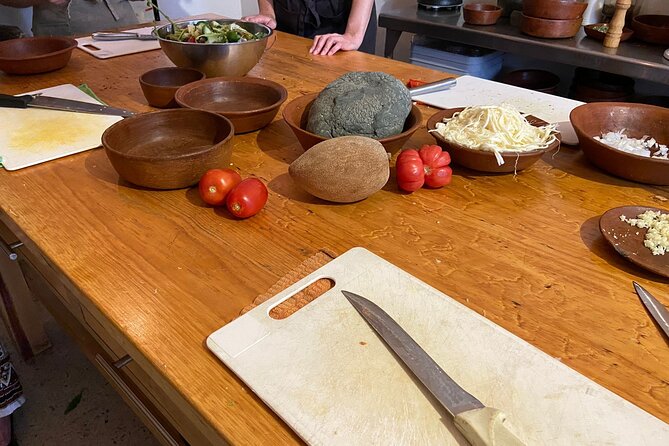
After shopping, you walk back to the cooking space. The class has been described as taking place at an Etnofood facility or cultural center, with some sessions connected to a space that also offers art workshops. The setting is practical rather than polished.
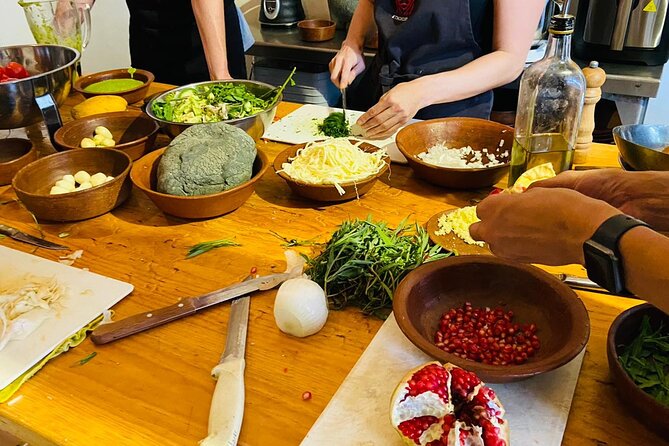
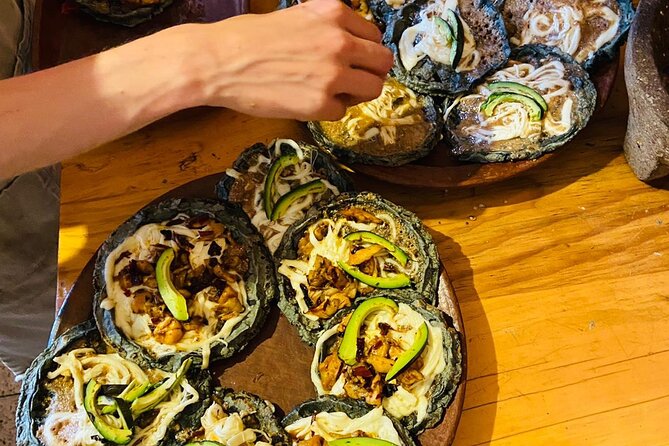
You receive an explanation of the menu and then begin preparing the meal. Typical tasks include washing and chopping vegetables, pressing masa, forming tortillas, making quesadillas or memelas, blending salsa, cooking rice, sautéing vegetables, and preparing mole.
This is hands-on, but it is organized as group work. In one session, a group of about 20 people was divided among several jobs. Other groups had nine or ten participants. The advertised format describes a private activity for your group, but the cooking descriptions indicate that group size can vary, so it is sensible to confirm the arrangement when booking.
The shared format has two sides. I like the way it encourages conversation and gives the meal a family-table feeling. You may meet people with different cooking backgrounds, and the work goes quickly when everyone helps.
The tradeoff is that you will not necessarily learn every recipe from beginning to end. If your assignment is chopping nopal or stirring rice, the chef may handle the mole, tortillas, or salsa. You still see the whole meal come together, but your personal practice may focus on only part of it.
Learning the work behind a proper Oaxacan mole
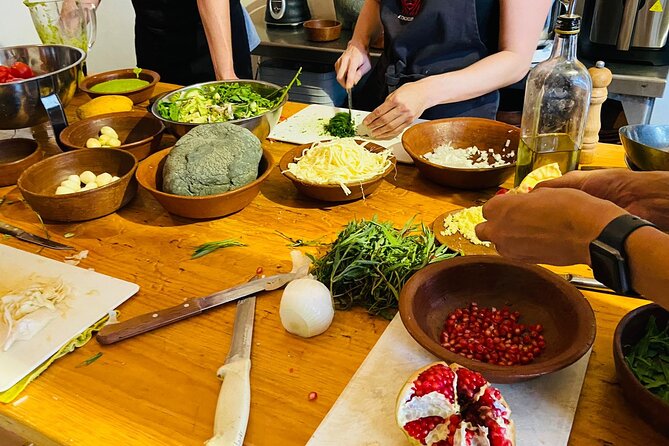
Mole is often the highlight of the class. The exact recipe changes, but examples include mushroom mole and a family version made with ingredients such as plantain, guayaba, roasted garlic, chiles, yerba santa, seeds, cinnamon, nuts, sesame seeds, and chocolate.
This is not a quick sauce poured from a jar. You may roast, sauté, grind, blend, and layer ingredients before the mole reaches the right balance. One menu uses water instead of broth, which keeps the dish vegetarian while allowing the herbs, seeds, chiles, and other ingredients to do the work.
Some sessions include a small mezcal flambé before the ingredients are blended. That gives the cooking a bit of theater, but the real lesson is how flavors are built gradually. Oaxacan mole can be spicy, sweet, earthy, smoky, and lightly bitter at the same time. The class helps you understand why the ingredient list is long and why the order of preparation matters.
Victor is especially well suited to this part of the class. He explains how he learned from his mother and grandmother, and he connects the food to his Zapotec background. His teaching style is warm and energetic, with plenty of stories. He is also praised for making Spanish-speaking and non-Spanish-speaking participants feel comfortable.
If you want a recipe you can recreate at home, ask how the recipes are provided. Some sessions offer recipe sheets or QR codes, while one participant did not receive the promised recipes. You may be allowed to photograph the instructions, but do not assume printed copies are guaranteed.
Same base, a different sort of day:
- Hierve el Agua, Tule Tree, Mitla and Mezcal Distillery Tour
★ 4.5 · 1,094 reviews - Explore Hierve el Agua, Mitla, Tule, Textile and Mezcal for a day
★ 5.0 · 1,043 reviews - Monte Alban Guided Half Day Tour
★ 5.0 · 880 reviews - From Oaxaca de Juarez: Hierve el Agua and Mezcal Distillery
★ 4.9 · 615 reviews
What you may cook and eat
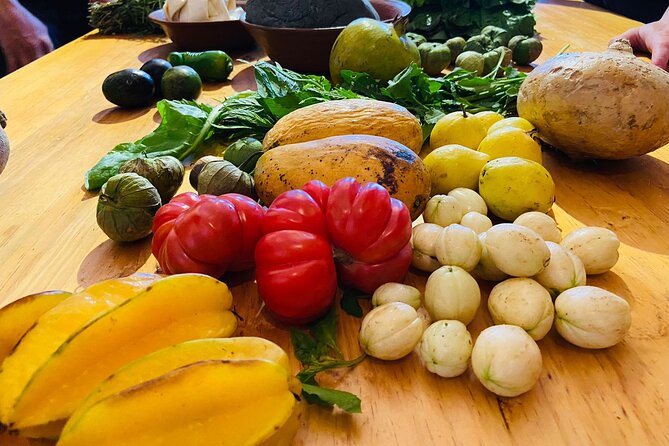
The menu is not fixed in the way a restaurant menu is fixed. It depends on what is available and what the chef chooses for the session. The stated sample menu includes a fresh salad, a traditional Oaxacan main dish, and a dessert surprise.
In practice, the meal may be much larger than that description suggests. Possible dishes include:
- Fresh salad or pico de gallo
- Mole with mushrooms or other vegetables
- Rice cooked with herbs
- Sautéed zucchini, chayote, or squash blossoms
- Rajas with squash flowers
- Tortillas and quesadillas with quesillo and epazote
- Memelas or empanadas
- Fresh salsa and roasted salsa
- Seasonal fruit with chile
- A sweet dessert
This variety is part of the value. You are not just learning one dish. You see how a meal is balanced with corn, vegetables, salsa, rice, cheese, mole, and fruit.
The portions are described as generous, and the meal is served after the cooking is finished. Agua fresca or another fruit drink may accompany it, along with bottled water. Alcoholic beverages and snacks are included, and some sessions begin with chocolate de olla or a toast.
The final meal is communal. The group shares what it has prepared, and the class includes a moment of thanks to Mother Earth and the people present. That may feel meaningful to you, or it may feel a little ceremonial. Either way, it reflects the class’s effort to present food as part of culture and community rather than as a list of techniques.
A vegetarian class that still works for mixed groups
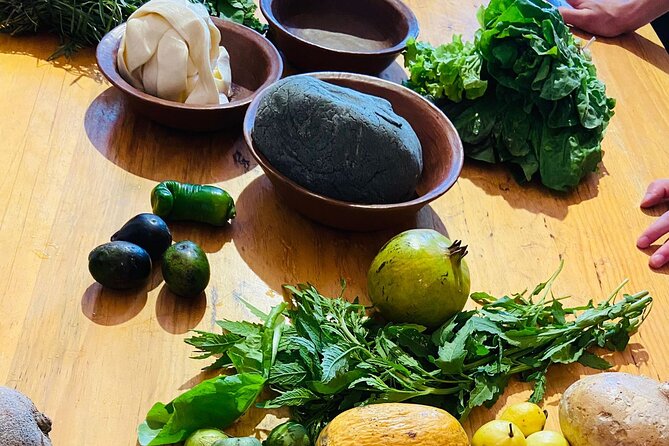
You do not need to be vegetarian to enjoy this experience. Several menu items are filling and full of flavor without relying on meat. Mole, quesillo, roasted chiles, fresh herbs, tortillas, mushrooms, and squash provide plenty of variety.
The class is also suitable for people who want to eat vegan food, though you should clearly state your dietary needs before the session. Some recipes can be adjusted, and one participant received a menu change for a food allergy. Still, cheese appears in several possible dishes, and the experience includes alcoholic beverages, so you should not assume every menu is vegan or allergy-free.
The cooking is social and active, but it is not a professional culinary course. You will chop, stir, grind, blend, press masa, and assemble food. You may also be asked to help with pots and dishes at the end. One participant felt that cleanup should have been included rather than assigned to the group, so this is worth keeping in mind if you expect a fully serviced class.
The kitchen is described as rustic. That can be part of its charm, especially if you want traditional methods rather than a sleek demonstration kitchen. But one account raised concerns about handwashing while handling food and utensils. If food hygiene is a major concern for you, watch the procedures closely and ask questions before participating.
What the $70.72 price really covers
At $70.72 per person, this is not the cheapest way to eat lunch in Oaxaca. A market meal or a plate at a local restaurant costs less. You are paying for the guide, the neighborhood walk, ingredient shopping, tastings, instruction, cooking equipment, food, drinks, and a four-hour block of your day.
I consider the price fair if you want a cultural activity as much as a meal. You get a market introduction, a lesson in Oaxacan ingredients, hands-on preparation, and a substantial lunch. The value is strongest when Victor or another instructor spends time explaining the food rather than simply assigning chores.
It is less compelling if you only want to watch a chef cook or if you are seeking a private lesson with individual attention. The group format means the chef has to divide tasks, and the menu may not be fully known before you arrive.
The class is usually booked about 14 days ahead. That suggests you should reserve before your Oaxaca visit if the timing matters, especially during busy travel periods. Confirmation is sent within 48 hours, subject to availability.
Timing, walking, and practical details
The experience lasts about four hours and begins and ends at TeoLabXicoténcatl 609 in central Oaxaca. You walk through the neighborhood and to the market, so comfortable shoes make sense. The activity is near public transportation, though no private transport is included.
A mobile ticket is accepted, and the class is offered in English. Service animals are allowed. The activity requires good weather because of the walking portion. If poor weather causes cancellation, you are offered another date or a full refund.
Cancellation is free up to 24 hours before the start time. Inside that window, you normally receive no refund, and changes are not accepted. The cutoff follows local Oaxaca time.
Because the exact menu can change, tell the provider about allergies and dietary needs when you book. Also confirm whether your session is private or shared, how recipes will be supplied, and whether the market visit is scheduled in the morning or later in the day.
Who should book the Oaxacan vegetarian cooking class?
I would choose this class if you want to understand Oaxaca through its food rather than simply eat at a famous restaurant. It suits couples, friends, solo visitors, and mixed-diet groups. The social format makes it easy to join alone, while the market walk gives first-time visitors a useful introduction to local ingredients.
It is particularly good for you if you enjoy family recipes, traditional tools, stories about food, and a meal that you help prepare. The class also works well for people who have never cooked Mexican food before, since the chef guides the group step by step.
I would hesitate if you need strict control over every ingredient, expect a spotless modern kitchen, or want to prepare a complete menu independently. The rustic setting, shared assignments, and possible cleanup are real parts of the experience.
Should you book it?
Yes, if your idea of a good food tour includes walking, tasting, chopping, and sitting down with the people who cooked beside you. The strongest reasons to book are the market visit, Victor’s personal connection to Zapotec cuisine, and the chance to prepare a serious Oaxacan meal rather than a simplified tourist version.
Book with a few questions in mind. Confirm the group arrangement, ask about the market time, mention allergies, and check how you will receive the recipes. If you can accept a communal kitchen and a little disorder, $70.72 buys a useful, filling, and unusually personal introduction to Oaxacan vegetarian cooking.
FAQ
How long does the Oaxacan Vegetarian Cooking Class last?
The experience lasts approximately four hours, including the neighborhood walk, market visit, cooking class, and shared meal.
Where does the class begin and end?
It begins at TeoLabXicoténcatl 609, Centro, 68000 Oaxaca de Juárez, Oaxaca, Mexico, and ends back at the same meeting point.
Is the cooking class offered in English?
Yes. The experience is offered in English.
What food is included?
The class includes snacks, lunch, bottled water, alcoholic beverages, cooking materials, and kitchen equipment. The menu may include salad, a traditional Oaxacan main dish, and dessert.
Is the activity private?
The activity is advertised as private, with only your group participating. However, class descriptions indicate that some sessions have included groups ranging from about nine to 20 people, so confirm the format before booking.
What is the cancellation policy?
You can cancel at least 24 hours before the start time for a full refund. Cancellations or changes made less than 24 hours before the start time are not refunded or accepted. If poor weather cancels the activity, you are offered another date or a full refund.
Newly listed around Oaxaca
- The Mezcal Journey★ 4.9 · 78 reviews
- Street Art with an artist★ 4.9 · 32 reviews
- Sunset by Horse on the Beach★ 4.6 · 34 reviews
- Puerto Escondido: Bioluminescence Night Spectacle★ 3.9 · 45 reviews
- Oaxaca: Traditional Oaxacan Cooking Class with Market Visit★ 4.9 · 80 reviews
- Oaxaca: San Martín Tilcajete, Jalieza & Ocotlán Crafts Route★ 4.6 · 48 reviews
- Oaxaca: Monte Alban and the Art of Oaxaca★ 4.2 · 99 reviews
- Oaxaca: Oaxacan Mole Workshop with a Traditional Cook★ 4.7 · 158 reviews
Cooking Classes, compared.
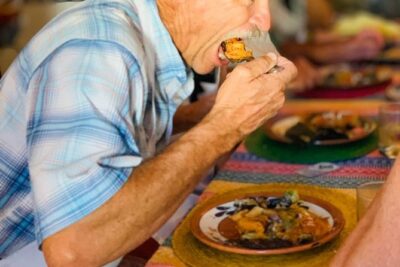
Cabo San Lucas Mexican Cooking Class Experience and Local Markets
Read our review →
Puerto Vallarta Cooking Class Experience with Market Tour
Read our review →
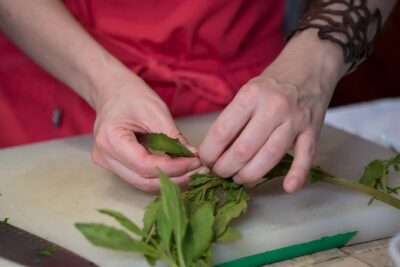
Mexican Cooking Class with Food Market Visit in Mexico City
Read our review →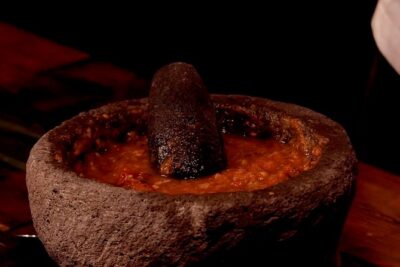
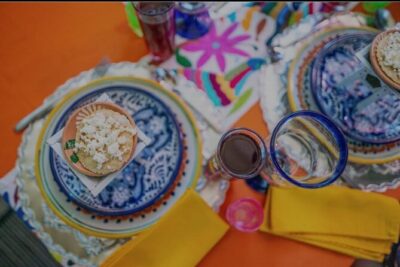
Flavors of Oaxaca: Cooking Class with No Set Menu and Local Market Tour
Read our review →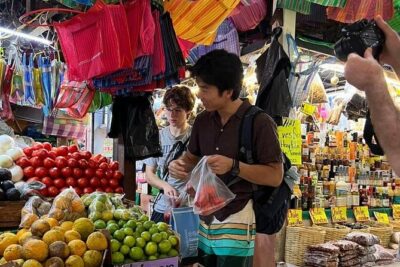
Taste of the Yucatan: Merida Cooking Class and Market Visit
Read our review →
Essence of Mexico: Authentic Mexican Cooking Class & Market Tour
Read our review →Browse the lists this tour appears in