
Reviewed · HISTORICAL TOURS
Charreria heritage tour be a charro for a day
Horseback riding is only part of the lesson. This Guadalajara experience introduces you to charrería, Jalisco’s proud horse-and-rope tradition, through a museum visit, stable time, hands-on lasso practice, and a ride inside a working charro arena. I especially like the mix of culture and action, since you are not just watching a demonstration, and I like that the tour is led by working charros such as Jorge, who is also praised for his patience, humor, bilingual explanations, guitar playing, and singing.
The main drawback is that three hours can pass quickly, especially if your group has many questions or you want extra time with the horses. You should also eat before arriving, since lunch is not included and the activity can leave you hungry. Dust may be an issue for anyone with allergies, and the ride and rope work take place on soft dirt.
In This Review
- Key details before you book
- Why charrería matters in Jalisco
- Starting at Campo Charro Jalisco
- Museum stories before the horses
- Meeting the horses in the stables
- Learning the lasso, one loop at a time
- Riding inside the charro arena
- Tequila, guitar, and a warm finish
- Is three hours enough?
- The real value of the experience
- Who should book this Guadalajara activity?
- Practical advice for a smoother visit
- Should you book Be a Charro for a Day?
- FAQ
- How long does the charro experience last?
- What time does the tour start?
- Where does the experience begin?
- Where does the activity end?
- Is hotel pickup available?
- Is return transportation included?
- Is the experience offered in English?
- Is horseback riding included?
- Is tequila included for everyone?
- What happens if the weather is poor?
Key details before you book
- You enter the world of Jalisco’s charros: The museum and stable visit explain why charrería is much more than riding horses in a fancy outfit.
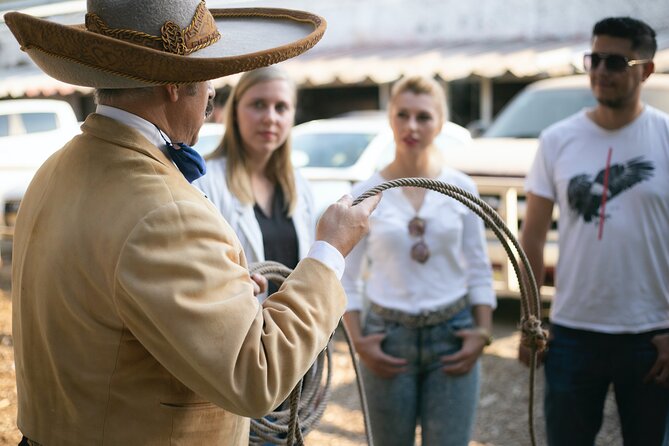
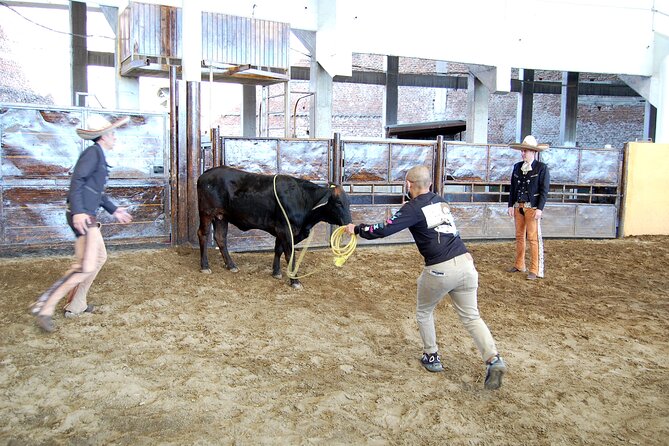
- You practice the lasso yourself: Jorge and the other charros guide you through rope handling, so expect participation rather than a passive show.
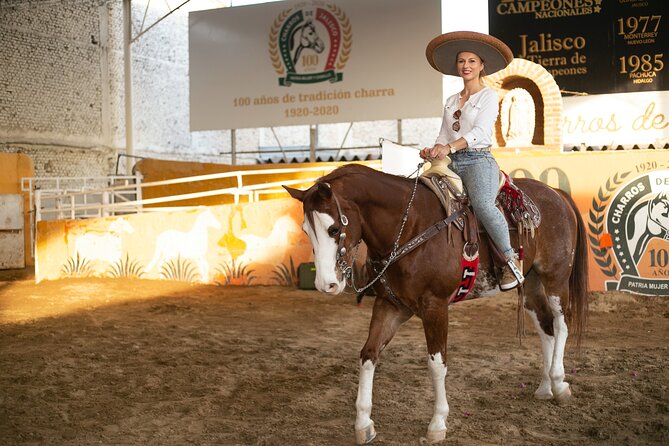
- You ride inside a real charro arena: The horse portion takes place at Lienzo Charro Charros de Jalisco, where charros compete.
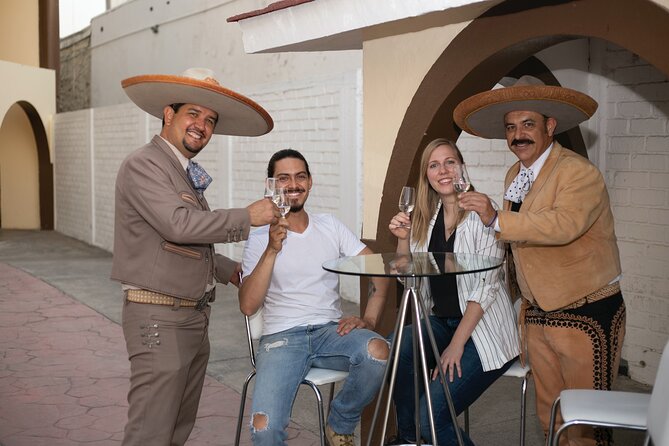
- You finish with tequila and music: Adults age 18 and over receive a tequila tasting, often paired with guitar music, singing, and traditional Mexican sounds.
- Morning pickup is limited but useful: Complimentary arrival shuttle service is available within specified parts of Guadalajara’s metropolitan area, but your return ride is at your own expense.
- The experience has a strong satisfaction record: It is rated 4.9 out of 5 from 188 ratings, with 99 percent recommending it.
Why charrería matters in Jalisco
Charrería grew from the work and skill of Mexican horsemen, but it became far more than ranch work. It developed its own clothing, riding methods, rope techniques, ceremonies, competitions, and code of conduct. Jalisco is one of the key places to encounter this tradition, and Guadalajara gives you a practical way to see it without committing to a full-day ranch trip.
What I appreciate here is the balance between explanation and practice. The museum portion gives you the setting, while the stables and arena show how the tradition works with real horses and equipment. You learn why the charro matters, then try a small part of the skill yourself.
This is not a polished folkloric dance show built only for photographs. You are introduced to a living sporting and cultural tradition. The activity is friendly and accessible, but it still has a genuine connection to the charro world.
More History Tours in Guadalajara:
- History and Murals: Walking Tour Guadalajara
★ 5.0 · 237 reviews - Tequila/Guachimontones Tour-cultural heritage route
★ 5.0 · 136 reviews - Guadalajara: Mexican Charro and Charreada Cultural Tour
★ 4.8 · 83 reviews
Starting at Campo Charro Jalisco
The tour begins at 10:00 a.m. at Campo Charro Jalisco, located at Av. Dr. Roberto Michel 577 in the Rincón de La Agua Azul area of Guadalajara. The official activity is listed at Lienzo Charro Charros de Jalisco, and the tour finishes back at the meeting point.
You may request a morning pickup by shuttle if your address falls within the specified metropolitan service area. You need to provide that address by 6:00 p.m. on the day before the tour. If you do not request pickup, you should go directly to the lienzo charro for 10:00 a.m.
The arrival shuttle is a helpful extra, particularly if you are staying in Guadalajara and do not want to arrange an early taxi. Pay attention to the wording, though: the complimentary service covers arrival only. You are responsible for your own return transportation, so plan that before you set off.
The group can include up to 25 people. That is large enough to create a social atmosphere, but small enough for the guide to work with individuals during the rope and riding portions. If you want a fully private ranch visit, this may not be the right format. If you enjoy meeting people from different places, the shared setting can add to the fun.
Museum stories before the horses
Your first stop is the charro venue and its museum. This part gives you the background needed to understand the clothing, tools, horses, and customs you will see later.
The museum is not simply a quick photo stop. It helps connect charrería to Jalisco and to Mexican identity. You learn about the development of the charro, the role of the horseman, and the meaning behind the traditions. The strongest guides make this personal by answering questions and explaining why certain techniques matter.
Jorge is repeatedly singled out for being patient, funny, respectful, and clear. That matters here because charrería has many details that can seem unfamiliar at first. A good guide keeps the history from becoming a list of dates and turns it into a story about people, work, skill, and pride.
You should expect plenty of questions and conversation. The experience is offered in English, and Jorge is described as bilingual, making this a practical choice for visitors who want more than a quick visual introduction.
Meeting the horses in the stables
After the museum, you visit the stables and meet the horses. This is a valuable part of the experience because it slows the pace and lets you get comfortable before riding.
The horses are described as gentle, and the guide takes care to check that people are comfortable. That reassurance is useful if you have limited riding experience or feel nervous around horses. One participant specifically credited the guide with helping overcome a fear of horses, which gives you a sense of the patient tone.
You receive a riding helmet, and bottled water is included. Wear clothes that can handle dust and soft dirt. The tour does not specify a dress code, but practical clothing and closed shoes make more sense than anything delicate or difficult to move in.
The stables also show you that the horse is not just a prop for the activity. In charrería, the relationship between rider and horse is central. Watching the charros handle the animals before you ride helps you understand the care and control behind the sport.
A few more Guadalajara runs worth comparing
- Full Day Tour to Tequila and Amatitán with Fun and Culture
★ 5.0 · 681 reviews - The Agave Experience Tequila Tour in Jalisco
★ 5.0 · 520 reviews - Tour to Lake Chapala, MAGIC TOWN of Ajijic from Guadalajara
★ 4.5 · 476 reviews - Walk Guadalajara!
★ 5.0 · 474 reviews
Learning the lasso, one loop at a time
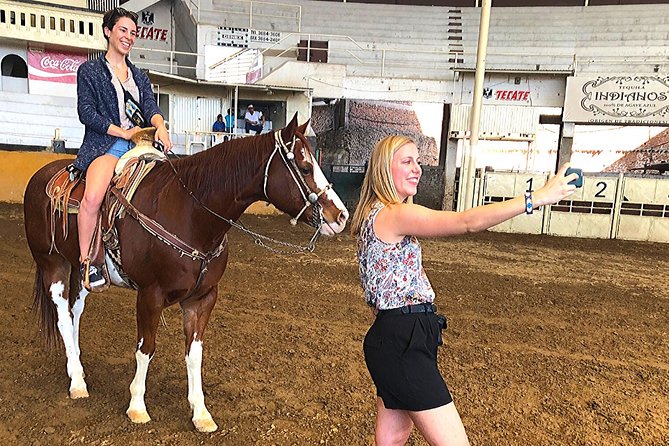
The rope lesson is likely to be the most playful part of the tour. You learn how to handle a lasso and try to rope a target or horse under the guidance of an experienced charro.
Do not expect to look like a professional after one session. The technique takes practice, and the first attempts can be awkward. That is part of the appeal. You get a brief taste of the timing, coordination, and confidence required by a charro.
The guide’s attitude makes a difference. Jorge is praised for giving patient instruction and helping people feel comfortable rather than making the activity competitive. Families with children, including ages 12 and 16, have found the hands-on portions enjoyable.
The rope work is also a good reason to book this instead of a simple museum visit. You are not only looking at historical objects. You are trying to use one of the defining tools of the tradition, with enough guidance to appreciate how difficult it really is.
Riding inside the charro arena
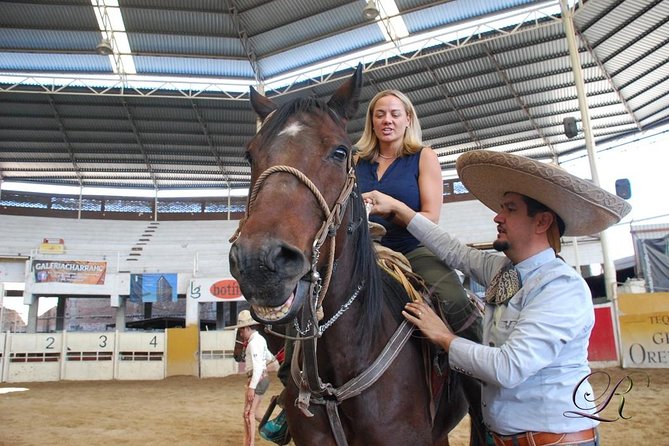
The horseback ride takes place in the arena, or lienzo charro, where charros compete. That setting adds weight to the experience. You are not riding in a generic enclosure, but in a place built for the sport you have just learned about.
The ride is described as suitable for most people, and the horses are gentle. Still, you should be realistic about your comfort level. This is a cultural activity with a riding component, not an extended trail ride through the countryside.
You learn how to ride in the charro manner, then take your turn on horseback. The guide remains involved and checks on your comfort. That personal attention is especially useful for first-time riders and anyone who is unsure about getting on a horse.
The soft dirt has two sides. It is appropriate for the arena and helps create the right setting, but it can be dusty and athletic. One useful tip is to dress for movement and expect your shoes and clothing to pick up dirt. Anyone allergic to dust should think carefully before booking.
Tequila, guitar, and a warm finish
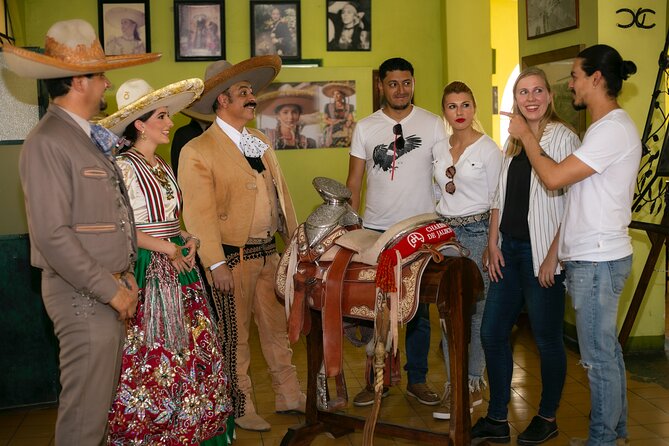
The final part shifts from instruction to celebration. Adults age 18 and over receive a tequila tasting, while the group listens to traditional Mexican music.
The music may include guitar playing and singing by Jorge, whose voice is praised as one of the high points of the experience. This gives the ending a personal feel rather than making it simply a quick drink at the door. The combination of tequila, music, and stories creates time for the group to relax after the riding session.
The tequila is for tasting only, and alcoholic beverages are not included for anyone under 18. If you do not drink, the cultural portion still has value because the music and conversation are part of the closing experience.
Some sessions may also line up with a charreada competition, particularly on a Sunday. If that happens, you may be able to stay and watch professional charros compete, but this should be treated as a possible bonus rather than a guaranteed part of the three-hour program.
Is three hours enough?
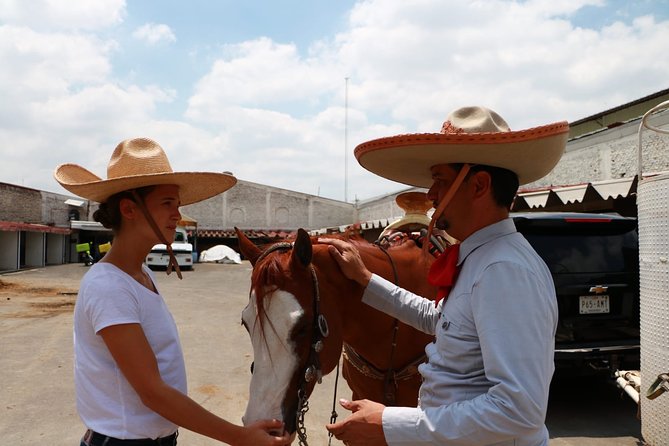
For most people, three hours is a good length. You get the museum, stables, rope lesson, horseback ride, and tequila and music without using an entire day of your Guadalajara visit.
The tradeoff is that the schedule may feel full. If your group is enthusiastic, the history discussion and questions can take time. The ride itself is not presented as a long outing, and you should not book this expecting several hours on horseback.
I like the half-day format for a city trip. You can spend the morning at Campo Charro Jalisco, then have the afternoon free for Guadalajara’s other sights, food, or neighborhoods. Just arrange your next meal, since lunch is not included and the physical activity may leave you ready for a proper meal afterward.
The real value of the experience
No price is provided here, so I cannot judge the exact cost against similar Guadalajara tours. I can still assess what you receive for the time: a museum visit, access to the stables, instruction from charros, a helmet, water, horseback riding, lasso practice, tequila for adults, music, and possible arrival transport.
That is a solid bundle if you want cultural context and active participation in one booking. A simple arena visit might cost less, but it would not give you the same chance to handle the rope or ride in the competition space. A longer ranch excursion might offer more riding time, but it may provide less explanation of charrería itself.
The strongest value comes from the guide. Jorge and Marco are praised for being friendly, professional, and generous with their time. If the guide explains the meaning behind each activity and helps you personally, the experience feels like more than a set of tourist stops.
The main value limitation is the short duration and lack of lunch. You are paying for a focused cultural lesson, not an all-day ranch program. Go in with the right expectation and the package makes sense.
Who should book this Guadalajara activity?
I would recommend it for families, couples, solo visitors, and small groups looking for something different from museums and food tours. It works particularly well for anyone interested in horses, Mexican culture, photography, or hands-on activities.
Families should appreciate the combination of learning and action. The rope and riding sessions give children and teenagers something to do, while the museum and conversation provide cultural context. Adults may enjoy the quieter ending with tequila and music.
Solo visitors can also fit in easily. The group setting makes it possible to meet people from around the world, and the shared attempts at lassoing create an easy way to break the ice.
I would hesitate only if you have a strong dust allergy, dislike horses, want a long trail ride, or need a meal included. The activity is also less suitable if you want complete control over the schedule, since it follows a shared three-hour format.
Practical advice for a smoother visit
- Eat before the 10:00 a.m. start, since lunch is not included.
- Wear clothes suitable for soft dirt and horse contact.
- Use footwear that is comfortable and practical for riding and walking around the arena.
- Bring your own return transport plan. The complimentary shuttle covers the morning arrival, not the trip back.
- Request pickup by 6:00 p.m. the day before if you need the available shuttle service.
- Bring questions. Jorge’s teaching style is one of the best parts of the experience.
- If you are visiting on a Sunday, ask if a competition is taking place and if you may stay to watch.
- Remember that tequila is available only to people aged 18 and over.
- Check the weather forecast. The activity requires good weather and may be moved or canceled if conditions are poor.
The experience allows service animals, is near public transportation, and is open to most participants. Confirmation arrives at booking. Free cancellation is available up to 24 hours before the start time, while cancellations or changes made within 24 hours are not refunded or accepted. If poor weather forces cancellation, you are offered another date or a full refund.
Should you book Be a Charro for a Day?
Yes, if you want an active cultural experience with real instruction rather than a quick photo stop. The museum explains the tradition, the stable visit brings you close to the horses, and the lasso and riding sessions let you try the skills yourself. Jorge’s patience, humor, bilingual guidance, guitar, and singing add a human touch that many short tours lack.
I would book it as a half-day Guadalajara activity, eat first, dress for dust, and arrange the return ride in advance. Skip it only if you are looking for a long horseback excursion, a full meal, or a polished stage performance. For a compact introduction to Jalisco’s charro culture, this is a very strong choice.
FAQ
How long does the charro experience last?
The activity lasts approximately three hours.
What time does the tour start?
It starts at 10:00 a.m.
Where does the experience begin?
It begins at Campo Charro Jalisco, Av. Dr. Roberto Michel 577, Rincón de La Agua Azul, Guadalajara, Jalisco.
Where does the activity end?
It ends back at the meeting point.
Is hotel pickup available?
A complimentary morning arrival shuttle is available within specified areas of Guadalajara’s metropolitan area. You must provide your address by 6:00 p.m. the day before if you want to request it.
Is return transportation included?
No. The complimentary service covers arrival only, and each participant pays for the return.
Is the experience offered in English?
Yes, it is offered in English.
Is horseback riding included?
Yes. The program includes horseback riding in the charro arena, along with instruction in charro riding techniques.
Is tequila included for everyone?
Tequila tasting is included only for people aged 18 and over.
What happens if the weather is poor?
The activity may be canceled because it requires good weather. You will be offered another date or a full refund.
Newly listed around Guadalajara
- Transfer by car to or from Guadalajara Airport★ 4.5 · 49 reviews
- Tlaquepaque and Tonala Private Full-Day Tour★ 5.0 · 31 reviews
- Guachimontones Archaeological Tour★ 5.0 · 60 reviews
- Tequila distillery experience, Jose Cuervo & Tequila Magic Town★ 4.5 · 61 reviews
- Full-Day Tequila Tour from Guadalajara★ 4.5 · 272 reviews
- Tequila Route Experience from Guadalajara★ 5.0 · 102 reviews
- José Cuervo Tequila Day Experience from Guadalajara★ 5.0 · 126 reviews
- Tequila Express★ 4.5 · 110 reviews
Historical Tours, compared.

Mexico City Historical Centre Food Tour with 7 Authentic Tastings
Read our review →
Historical and Cultural Walking Tour of San Miguel de Allende
Read our review →
Historical and Cultural Walking Tour of San José del Cabo
Read our review →
Browse the lists this tour appears in