
Reviewed · HISTORICAL TOURS
Guadalajara: Mexican Charro and Charreada Cultural Tour
This is where Guadalajara gets wonderfully hands-on. At Campo Charro Jalisco, you do more than watch a Mexican rodeo. You visit a charro museum, handle traditional equipment, practice with a lasso, brush and saddle horses, and may join the opening parade. I especially like the mix of living culture and practical activities, plus the warm finish with tequila and mariachi.
The tour costs $47 per person and lasts four hours, which makes it a fair deal for a half-day outing. Pickup is offered from Chapultepec Country, Guadalajara, or Tlaquepaque. My main caution is that food is not included, drop-off is not provided, and horse or dust allergies can make the day uncomfortable unless you bring medication.
In This Review
- Key points to know before booking
- Why charreada matters in Jalisco
- The ride from Guadalajara to Campo Charro Jalisco
- Inside the lienzo museum
- Learning the Mexican lasso
- Brushing, saddling, and choosing the parade horses
- The opening parade and the charreada
- Tequila, mariachi, and the human side of the tour
- What the guides add to the experience
- Is $47 a good value?
- Who should book this Guadalajara tour?
- Booking details that matter
- Should you book it?
- FAQ
- How long does the Mexican Charro and Charreada Cultural Tour last?
- How much does the tour cost?
- Where can I be picked up?
- Is transportation included?
- Is entrance to the arena included?
- Are drinks included?
- Is food included?
- Can I ride a horse?
- Will I see a charreada competition?
- What languages are available?
Key points to know before booking
- You visit a real lienzo: A lienzo is the arena where charreada events take place, not simply a themed tourist display.
- The lasso lesson is hands-on: You learn how the Mexican lasso differs from ropes used in other cultures and practice aiming at a target.
- Horse time is part of the experience: You help brush and saddle the horses, then may ride in the parade if conditions allow.
- Sunday can add a full charreada: If competitions are taking place, you may watch the parade and rodeo action in the arena.
- The guides make the day personal: Jorge, Marco, Mateo, Jesús, and Jorge Torres are praised for storytelling, patience, music, and hospitality.
- The ending is social: Two alcoholic drinks, either beer or tequila, are included, along with mariachi music and time with the charros.
Why charreada matters in Jalisco
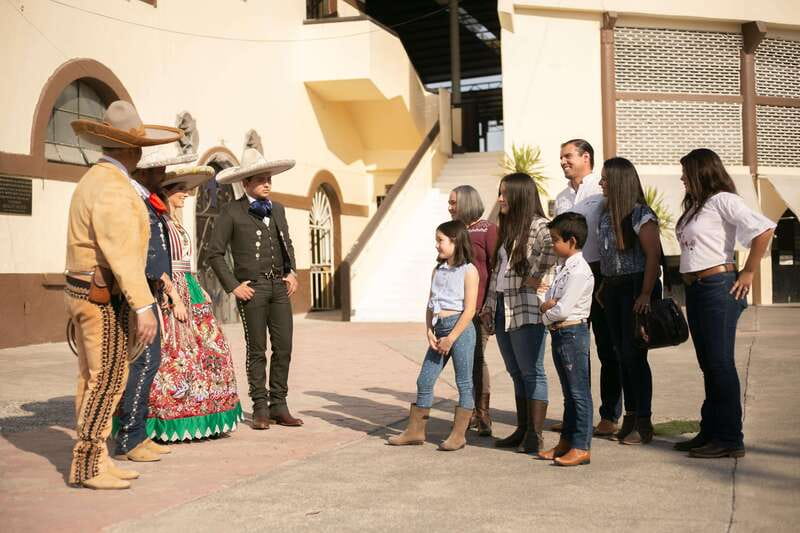
Charreada is often compared with rodeo, but it is not simply Mexico’s version of an American cowboy show. It is tied to the identity of the Mexican charro, including horsemanship, clothing, rope work, ceremony, and competitive tasks.
The tour explains why this tradition has UNESCO recognition as an element of Mexican cultural identity. That context matters. Without it, you might see a beautifully dressed rider and a clever rope trick, then miss the meaning behind the clothes, the horses, and the formal order of the event.
Jalisco is a fitting place to learn about charros. The tour begins with a drive through historic neighborhoods connected to the early development of charrería. You get a short city-history introduction before reaching the arena, so the activity does not feel cut off from Guadalajara itself.
I like this approach because it gives you a cultural frame before the practical lessons begin. You are not just being shown a costume or asked to pose on a horse. You are learning how several parts of Mexican identity fit together.
More History Tours in Guadalajara:
- History and Murals: Walking Tour Guadalajara
★ 5.0 · 237 reviews - Charreria heritage tour be a charro for a day
★ 5.0 · 188 reviews - Tequila/Guachimontones Tour-cultural heritage route
★ 5.0 · 136 reviews
The ride from Guadalajara to Campo Charro Jalisco
Pickup is available from three areas: Chapultepec Country, Guadalajara, and Tlaquepaque. The included transport is useful if you are staying in one of those pickup zones, especially if you are visiting alone. Ashley, who booked at the last minute while traveling solo, found the hotel pickup easy and safe.
The drive also helps use the four-hour schedule well. Instead of starting at the arena with no context, you hear about the city and the neighborhoods that helped shape charrería. The exact starting time depends on availability, so check the schedule carefully when booking.
One practical detail is easy to miss: the service includes pickup, but not drop-off. Plan your return from Campo Charro Jalisco before you leave. The tour is offered in English and Spanish, and live interpretation can make a major difference when the guide is explaining specialized equipment or the rules of a charreada.
Inside the lienzo museum
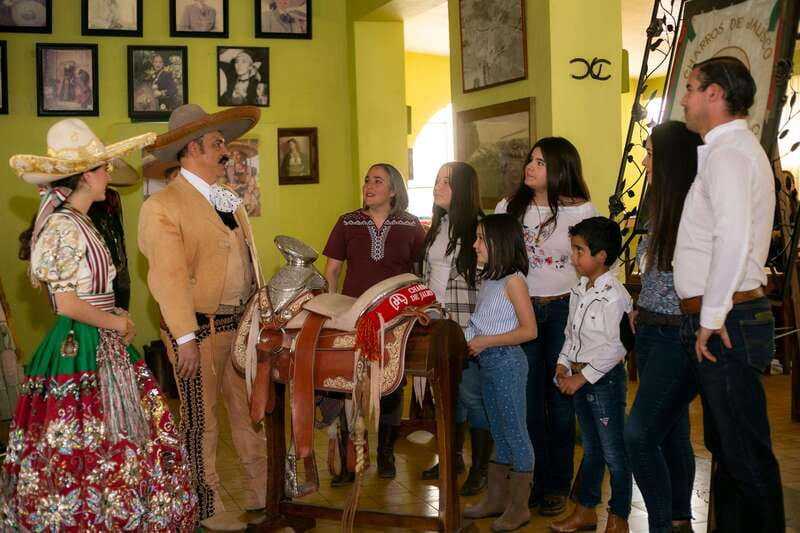
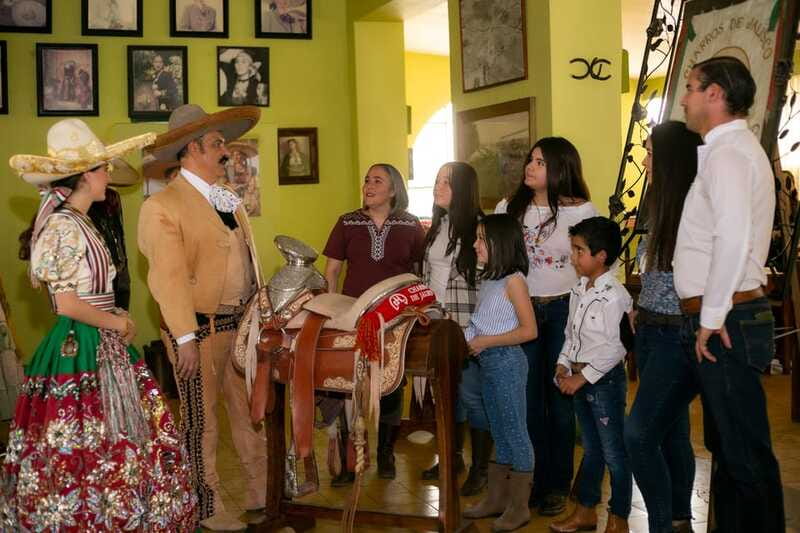
At the arena, a charro welcomes you and explains the origins of the tradition in the lienzo museum. The museum holds traditional costumes and accessories used during Sunday charreadas.
This is one of the strongest parts for anyone interested in design and craft. Charro clothing is not random western wear. The hats, jackets, trousers, belts, boots, and other accessories are part of a carefully recognized visual tradition. You get to see the details up close rather than trying to understand them from a distant seat in the stands.
The museum also gives the guide a natural way to explain how clothing relates to ceremony and competition. The focus is not just on appearance. It is on the pride and care connected to being a charro.
Guides such as Jorge have been praised for making this section lively and easy to follow. He is also described as a singer and musician, which can add a personal touch to the cultural story. Marco and Mateo are praised for explaining both customs and technique, then giving you a chance to try the activities yourself.
Learning the Mexican lasso
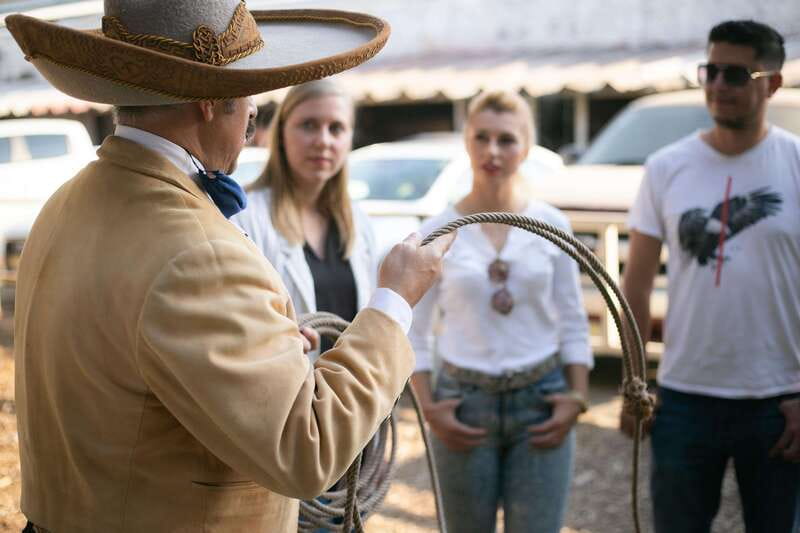
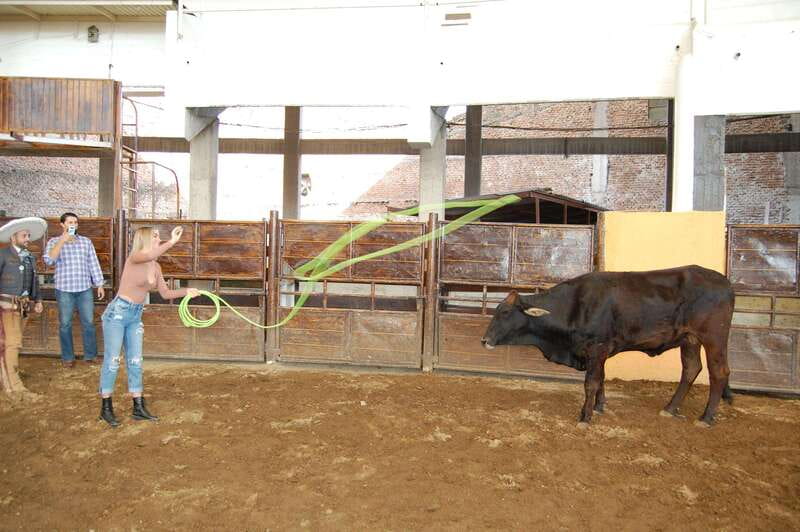
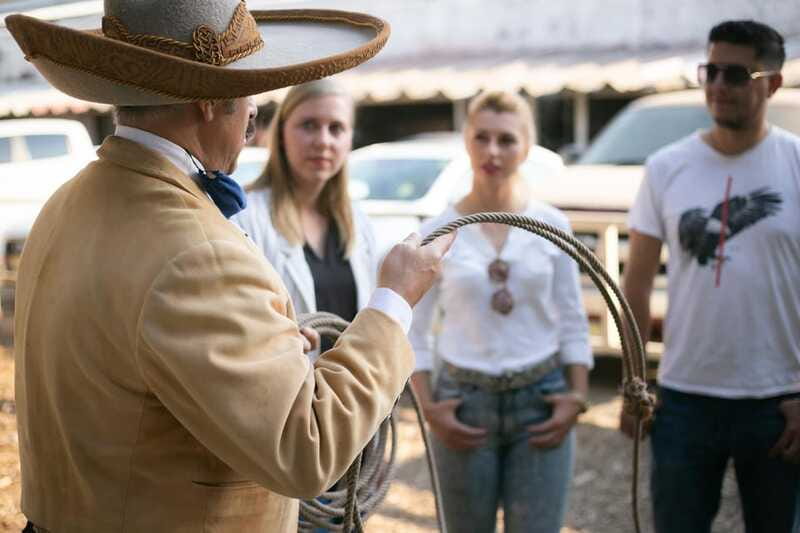
The lasso workshop is the most active part of the tour before the horses come out. Your guide shows you how charros use their ropes and explains the differences between a Mexican lasso and lassos used in other cultures.
You should not expect to become a polished charro in one lesson. The point is to understand the movement, timing, and control involved. The activity makes the skill less mysterious. From the outside, a successful rope throw can look effortless. After trying it yourself, you will have a better sense of how much practice sits behind that short moment.
The lessons may include practice with a wooden bull before moving to a well-trained real bull. That progression is useful because it lets you understand the basic technique before taking on a more lifelike target. The bull work is presented as a supervised, traditional task, not as an uncontrolled encounter.
This section suits families particularly well. An elementary-aged child had a great time during one visit, and the activity can give younger participants something concrete to do while the guide explains the history.
A few more Guadalajara runs worth comparing
- Full Day Tour to Tequila and Amatitán with Fun and Culture
★ 5.0 · 681 reviews - The Agave Experience Tequila Tour in Jalisco
★ 5.0 · 520 reviews - Tour to Lake Chapala, MAGIC TOWN of Ajijic from Guadalajara
★ 4.5 · 476 reviews - Walk Guadalajara!
★ 5.0 · 474 reviews
Brushing, saddling, and choosing the parade horses
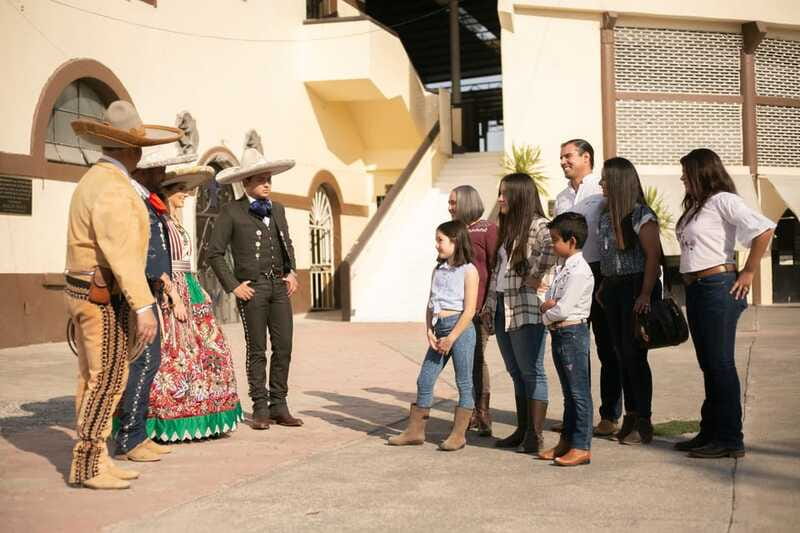
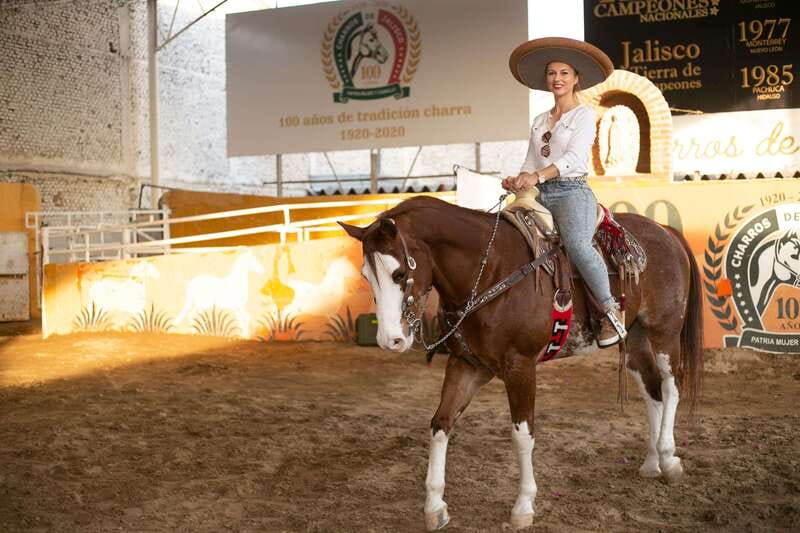
Next, you help brush and saddle the horses. This is a welcome change from simply climbing onto an animal for a short photo. You get a closer look at the preparation that comes before the charreada.
The guide explains how horses are chosen for the opening parade. That detail helps you see the parade as an organized part of the event, not just a colorful procession. The horses, riders, tack, and costumes all have a role in presenting charrería.
Horse riding is possible if conditions allow. Several people particularly value this part, and one visitor called riding Jorge’s horses a highlight of the day. Still, you should treat the ride as a possible feature rather than the only reason to book. The tour description says you may ride along with the other charros if possible.
If you have never ridden before, tell the guide. The supplied experiences describe the horses as beautiful and well trained, but no specific riding level or lesson length is guaranteed. Wear clothes you can move in, and remember the warning about dust and horse allergies. Bring any medication you normally need.
The opening parade and the charreada
The horse parade opens the charrería event. It is one of the most photogenic moments of the outing, with riders, horses, and traditional dress moving together into the arena.
If your visit falls on a Sunday with competitions, you may also watch the larger charreada. The timing is important here. One October visit included a competition at the arena, while another Sunday visit combined the cultural tour with a chance to see the charreada itself.
The event can include traditional competitive tasks involving ropes, horses, and a team effort around a well-trained bull. Your guide explains what each activity means as it happens, which makes the action much easier to follow than a rodeo you simply watch from the seats.
This is also where the tour can vary from one date to another. A scheduled competition may turn the outing into a bigger public event. A practice session or private gathering can feel more intimate. During a different period, Jesús brought a group to a family-and-friends practice session, where charros worked with horses and bulls in a relaxed fiesta atmosphere.
That variation is not necessarily a flaw, but you should understand it before booking. The experience centers on charro culture and participation. The exact scale of the arena action depends on the day.
Tequila, mariachi, and the human side of the tour
The final celebration includes two alcoholic drinks, either beer or tequila, and mariachi music. This is not a formal tasting course, though the itinerary also lists a wine tasting among the activities. The included drinks are best understood as a relaxed cultural finish rather than a major food-and-drink event.
The social setting is important. After the museum talk, rope practice, horse care, and arena tasks, you have time to sit with the charros and enjoy the music. A guide may share a poem or talk about the values associated with a true charro. Jorge has also been praised as an excellent singer and musician.
I like this ending because it prevents the tour from feeling like a sequence of demonstrations. You are given time to meet the people who keep the tradition active. The mood can feel like a Mexican fiesta, especially when a practice session includes music, beer, tequila, and a welcoming family atmosphere.
Food is not included. One earlier visit had tacos available in a different setting, but you should not count on a meal as part of this booking. Eat beforehand or plan food afterward.
What the guides add to the experience
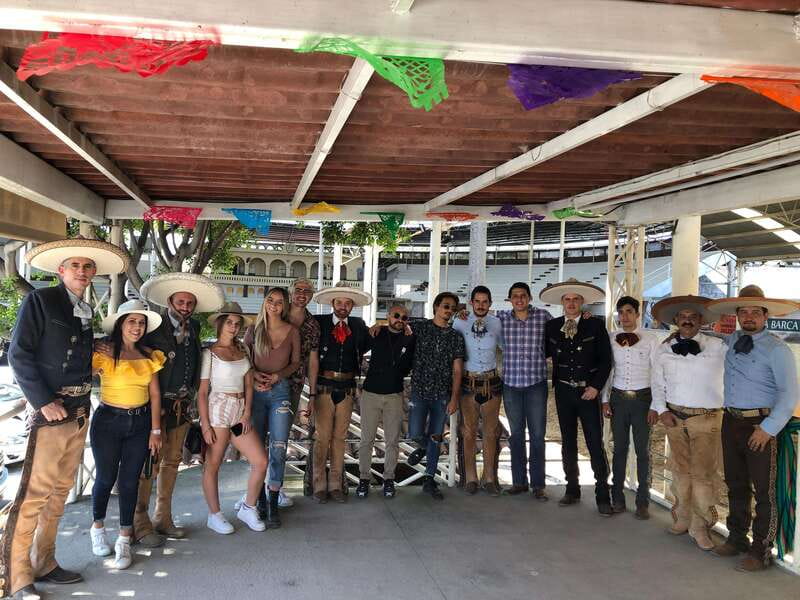
The guide is central here. The most repeated praise goes to Jorge and Jorge Torres, with Marco, Mateo, and Jesús also receiving strong personal recognition in the supplied experiences.
Jorge is described as attentive, engaging, and proud of the tradition. His style appears to work for solo visitors, families, and people who already know Mexico well. A group that had been visiting Guadalajara for decades still found the tour unusually informative and enjoyable.
Marco and Mateo are especially praised for combining explanation with action. They do not stop at telling you how charros use equipment. They let you handle it, first in practice and then in more realistic exercises.
Jesús led a different kind of visit during a period when normal events were affected. Rather than presenting a standard public charreada, he arranged a private practice setting with family and friends. That experience still included ropes, horses, bulls, tequila, music, and a friendly welcome.
The guides also appear to adjust their pace. A visit with an elementary-aged child was described as thoughtfully paced and engaging. That is useful if your group includes children or people who prefer explanation before activity.
Is $47 a good value?
At $47, this is a strong value if you want active cultural contact rather than a short photo stop. The price includes transportation pickup, entrance, a bottle of water, and two alcoholic drinks. It also combines a museum visit, a workshop, horse care, possible riding, and arena activities within four hours.
Comparable value depends on what you normally pay for guided activities in Guadalajara. Here, you are paying for access to a specialized tradition and for hands-on instruction. The guide’s role is more substantial than simply driving you to an arena.
The limits are clear. Food is extra. Drop-off is extra to your planning, not included in the package. Horse riding is possible but not guaranteed in every situation, and the size of the charreada can vary with the date.
The high rating of 4.8 from 83 ratings reflects a very consistent reception, and 90 percent of ratings gave the transport a perfect score. I would still judge the value based on your interests. If you dislike horses, dust, tequila, or participatory activities, the price will not feel like a bargain.
Who should book this Guadalajara tour?
I would recommend it to you if you want to understand Mexican culture through people, animals, clothing, and skill. It is a particularly good choice for first-time visitors who want something beyond Guadalajara’s central sights, and for repeat visitors who have already seen the main city attractions.
It also suits solo visitors. Included pickup reduces some of the stress of reaching the arena, and the social finish gives you a chance to meet people rather than spending the whole outing as an observer.
Families can do well here too, especially if children enjoy horses and active demonstrations. The rope practice and horse care give younger participants something to focus on. Just consider the dust, the animals, and the four-hour length.
You may want to skip it if your main goal is a guaranteed full-scale Sunday competition. The tour can include the parade and charreada, but the exact arena program depends on timing. You should also think twice if you have strong horse or dust allergies, unless your medication and health plan make the setting manageable.
Booking details that matter
You can cancel for a full refund up to 24 hours before the activity. The reserve-now-and-pay-later option lets you hold a place without paying immediately, which is useful while you finalize your Guadalajara schedule.
Check the available starting times and choose the pickup area closest to your lodging. Since drop-off is not included, leave a little planning room for the trip back. English and Spanish tours are available.
Bring water-friendly, comfortable clothing and medication if you have known allergies to dust or horses. A bottle of water is included, but food is not, so do not arrive expecting lunch.
Should you book it?
Book this tour if you want a personal, active introduction to charrería. The best parts are the museum, the lasso practice, the chance to work around the horses, and the friendly closing with tequila and mariachi. The guides, especially Jorge, appear to be the heart of the experience.
Choose another activity if you need a guaranteed rodeo program, a full meal, or return transportation. For $47, though, this gives you a rare chance to handle the tools, meet the people, and see why the charro remains such an important Mexican identity.
FAQ
How long does the Mexican Charro and Charreada Cultural Tour last?
The tour lasts four hours.
How much does the tour cost?
The listed price is $47 per person.
Where can I be picked up?
Pickup is available from Chapultepec Country, Guadalajara, and Tlaquepaque.
Is transportation included?
Pickup service is included. Drop-off service is not included.
Is entrance to the arena included?
Yes. The entrance fee is included.
Are drinks included?
Yes. The tour includes two alcoholic drinks, either beer or tequila.
Is food included?
No. Food is not included.
Can I ride a horse?
Horse riding may be possible during the tour. You can also help brush and saddle the horses and may ride with the charros in the parade if possible.
Will I see a charreada competition?
The tour includes the horse parade that opens the event and explains traditional charro tasks. A larger competition may be taking place depending on the date and arena schedule.
What languages are available?
The live tour guide is available in English and Spanish.
Newly listed around Guadalajara
- Tlaquepaque and Tonala Private Full-Day Tour★ 5.0 · 31 reviews
- Transfer by car to or from Guadalajara Airport★ 4.5 · 49 reviews
- Guachimontones Archaeological Tour★ 5.0 · 60 reviews
- Tequila distillery experience, Jose Cuervo & Tequila Magic Town★ 4.5 · 61 reviews
- Full-Day Tequila Tour from Guadalajara★ 4.5 · 272 reviews
- Tequila Route Experience from Guadalajara★ 5.0 · 102 reviews
- José Cuervo Tequila Day Experience from Guadalajara★ 5.0 · 126 reviews
- Charreria heritage tour be a charro for a day★ 5.0 · 188 reviews
Historical Tours, compared.
Mexico City Historical Centre Food Tour with 7 Authentic Tastings
Read our review →
Historical and Cultural Walking Tour of San Miguel de Allende
Read our review →
Historical and Cultural Walking Tour of San José del Cabo
Read our review →
Browse the lists this tour appears in